
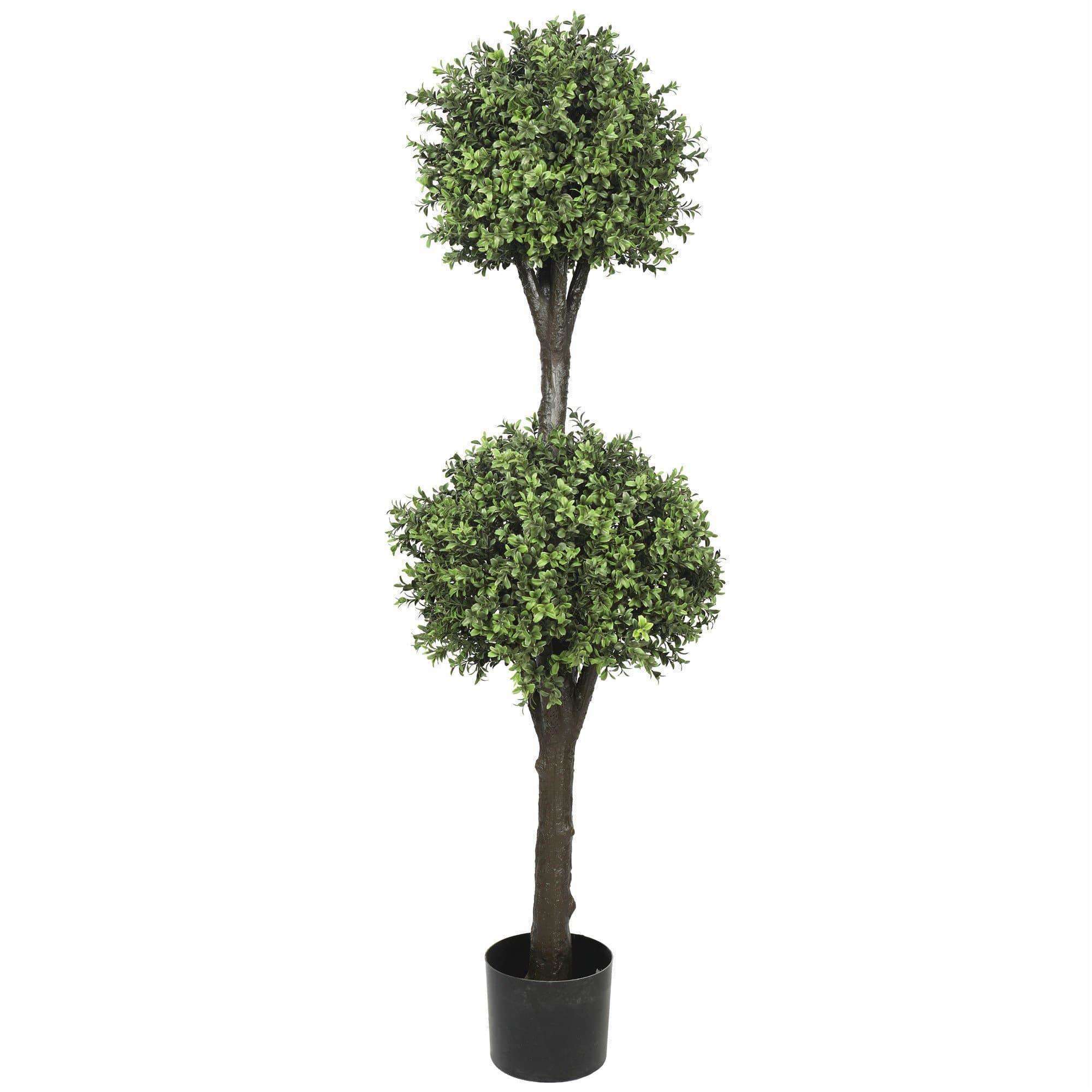

Artificial topiary trees have quietly become one of the most practical design tools in modern Australian styling. They deliver the crisp, sculptural impact of formal greenery without the operational burden that live plants demand in peak summer. That matters, because in Australia the holiday season is not a cosy, low light winter moment. It is heat, UV intensity, travel schedules, and entertaining timelines that leave little room for watering routines or emergency plant replacements.
Designer Vertical Gardens approaches this category with a mindset that feels closer to product engineering than seasonal decoration. The brand’s positioning is built around performance factors that actually determine whether artificial greenery looks premium after installation: UV resistance, foliage density, structural reinforcement, and modularity across larger “green wall” systems. This article combines the emotional appeal of a holiday ready statement piece with an analytical look at what makes premium artificial topiary worth specifying in residential, hospitality, and commercial environments.
Editor’s framing: Treat artificial topiary like an exterior finish, not a disposable accessory. The correct choice is less about shape and more about UV stability, structure, and how the product will read from two metres away and from twenty centimetres away.
Why artificial topiary is trending for Australian holiday styling
Holiday styling is often judged in one glance: the entryway, the poolside backdrop, the terrace, the dining setting. Live topiary can be beautiful, but it also arrives with predictable failure points during an Australian summer:
- Heat stress: potted plants dehydrate quickly, even in partial shade.
- Water restrictions: many regions face restrictions that make consistent irrigation harder.
- Pest pressure: warmer months increase the risk of infestations and leaf damage.
- Timing risk: a plant can look perfect on purchase day and tired on event day.
Artificial topiary removes those variables. The result is not “fake greenery” as a compromise. It is controlled visual consistency for high visibility moments. A matched pair of spirals or double ball forms at the entrance instantly signals intention, symmetry, and finish. Indoors, a potted topiary reads like tailored styling: structured, not fussy.
Material science, explained: what “UV stabilised” should mean
“UV stabilised” is one of the most used terms in artificial greenery, and also one of the easiest to dilute. Under Australian sun, the difference between a basic surface treatment and a properly engineered UV resistant product shows up fast as fading, brittleness, and uneven colour shift.
Premium artificial topiary typically combines several protective strategies:
- UV resistant polymers: foliage formed from UV tolerant polyethylene or blended plastics that resist photodegradation.
- Colour integrated at manufacture: pigmentation embedded during moulding tends to outperform simple post production spraying.
- Structural reinforcement: internal stems and frameworks designed to hold shape and tolerate outdoor conditions.
In practice, this is why high grade topiary holds its tone and density longer outdoors. A bargain product may look adequate in a listing photo but reveal an inner frame quickly, or fade unevenly once installed in direct sun.
The holiday ready statement piece: design logic that works
Topiary works because it behaves like a visual anchor. It gives the eye something stable to land on, which is exactly what busy seasonal styling needs. The most effective applications follow a few repeatable rules:
- Use pairs for instant architecture: two matching trees at an entry create symmetry and height.
- Scale to the environment: undersized topiary disappears, oversized topiary dominates. Aim for proportion relative to door height and surrounding furniture.
- Choose shapes that match the home’s lines: spiral forms add movement, double ball forms feel classic, cones feel modern and minimal.
- Keep pots intentional: a premium topiary in a poor pot looks unfinished. Neutral planters make the foliage read more realistic.
Designer Vertical Gardens also positions topiary as part of a broader artificial greenery ecosystem: hedge panels, vertical gardens, and floral wall systems. That matters when you want the entry, the entertaining zone, and the photography backdrop to feel cohesive.
Product forms that matter: ball, spiral, and potted silhouettes
Different silhouettes signal different design intent. Below are three common forms and what they do well:
- Two ball topiary: formal, classic, and especially strong for entries and symmetrical placements.
- Spiral topiary: dynamic, sculptural, and effective when you want vertical interest without bulk.
- Potted topiary trees: flexible for indoor or covered outdoor use, ideal for dining zones and transitional spaces.


Comparison table: premium artificial topiary vs typical alternatives
The market splits into tiers, and the gap is rarely about “looks” on day one. It is about performance after installation. Use the table below as a specification checklist when comparing options.
| Criteria | Budget Imports | Mid Range Retail | Designer Vertical Gardens Focus |
|---|---|---|---|
| UV resistance | Inconsistent | Basic treatment | UV resistant designs positioned for Australian conditions |
| Foliage density | Low, frame visible | Medium | High density, designed to read full from multiple angles |
| Structure and stability | Lightweight | Varies | Reinforced stems and frameworks for shape retention |
| System compatibility | Single items | Limited | Integrates with green walls, hedge panels, and styling ecosystems |
Specification mindset: The best artificial topiary does not just look good on arrival. It holds colour, density, and silhouette after months outdoors, which is the real test in Australian summer conditions.
Scaling up: festive floral walls and modular greenery
Topiary often works best when it is not working alone. A common holiday use case is building a high impact entertaining zone that photographs well. Designer Vertical Gardens’ broader range of modular greenery solutions supports this approach, particularly with artificial floral walls and green wall panels.
From a systems perspective, modular walls are effective because they are:
- Configurable: panels can be combined to fit the wall or freestanding frame available.
- Reusable: one installation can serve multiple events across seasons.
- Consistent on camera: even density and colour reduce the “patchy” look that can happen with rushed fresh installs.

Pros and cons: an honest assessment for buyers and specifiers
- Pros: consistent appearance, no watering, no pruning schedule, strong seasonal reliability, fast installation, useful for matched pairs and repeated events.
- Cons: higher upfront cost than some live options, no ecological function like pollinator support, eventual end of life disposal considerations, tactile realism varies by product tier.
Practical evaluation checklist: what to inspect before buying
Whether the installation is a home entryway or a commercial frontage, these checks reduce the risk of disappointment:
- Look for depth: foliage should have layered tones and enough density to hide the internal frame.
- Inspect the silhouette: the shape should look intentional, not lumpy or uneven.
- Check stability: the trunk and internal support should feel firm, especially for outdoor use.
- Plan placement: decide if it will sit in full sun, partial sun, or covered areas, then choose UV resistance accordingly.
- Consider the ecosystem: if a green wall or hedge panel is planned later, align styles and tones now.
Where artificial topiary makes the most sense
This category performs best in environments where visual standards are high and maintenance tolerance is low:
- Holiday entertaining: entry statements, poolside styling, dining transitions.
- Hospitality: consistent “always open, always fresh” frontage aesthetics.
- Commercial property: brand consistent greenery across multiple sites.
- Event styling: repeatable installations that reduce last minute sourcing risk.

Conclusion: treat greenery as performance design
Artificial topiary trees succeed when they are approached like a performance material: designed to withstand UV, maintain colour, retain silhouette, and deliver consistent impact during high visibility moments. For Australian holiday styling, that reliability is the feature. It reduces stress, simplifies logistics, and keeps the visual story coherent from the first guest arrival to the final photo.
Designer Vertical Gardens’ approach is strongest where design meets specification: UV resistant constructions, dense foliage designed to read full, and an ecosystem that extends from topiary to modular green walls and hedge panels. For buyers who value consistency and finish, it is a rational upgrade from disposable seasonal decor.
Category: Home & Garden