

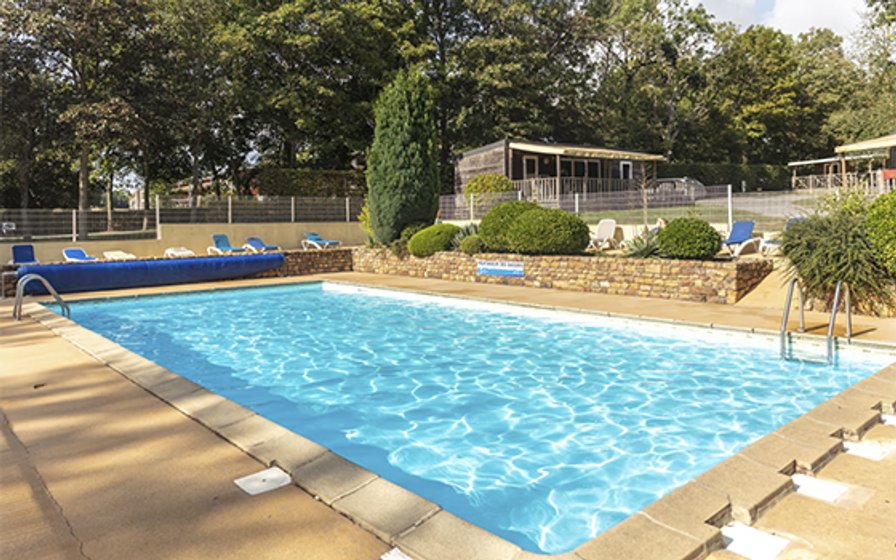
Compare direct sailings, a Dover connection, rail links and a bundled holiday park to find the Irish Ferries option that best matches your route and travel style.
Choosing a ferry to France from Ireland sounds simple until the trip includes a car, a train connection, an overnight crossing or a week at a campsite. Irish Ferries offers several ways to put those pieces together, but they solve different problems.
We compared the options shown on the Ireland store with the usual alternatives: a direct ferry, a route via Britain, rail travel and booking accommodation separately. The useful question is less about which is universally best and more about which removes the most friction from your own itinerary.
Heads-up: we earn a commission from some links in this article. It never changes the price you pay.
What you need to know
- Dublin-Cherbourg is the simplest fit for drivers starting in Ireland and taking their car to France.
- Dover-Calais can work when Britain is already part of the route, but adds a substantial overland leg for most Ireland-based travellers.
- Sail & Rail is the car-free choice, trading driving freedom for train changes and tighter coordination.
- Eurocamp combines a park stay with travel planning, while an independent hotel or rental gives more choice of location and style.
Dublin-Cherbourg keeps the Ireland-France journey direct
For a self-drive holiday, the clearest comparison is the Dublin-Cherbourg route against taking a ferry to Britain and continuing by road or rail. A direct sailing avoids a separate British crossing and keeps the car with you for the French leg. The route page lays out the sailing information and booking path; check its current schedule against your intended arrival and onward drive.
This option suits travellers carrying bulky luggage, visiting several places, or wanting to choose their own stops. The trade-off is that a long sea crossing needs more planning around departure time and rest. A cabin or other onboard choice can affect comfort, and availability varies by sailing. The Dublin-Cherbourg route gives drivers a one-journey alternative to separate ferry and land legs.

Compared with a flight and rental car, the ferry avoids airport transfers and lets you bring your own vehicle, but it takes longer and the total cost depends on the vehicle, travel dates and extras. If the car will sit parked for most of the holiday, the convenience may not justify that added journey time.
Dover-Calais fits trips already passing through Britain
Dover-Calais has a clear use case: travellers who are already in Britain, or whose wider itinerary makes the Channel crossing convenient. Irish Ferries lists this route on the Ireland store too, and its Dover-Calais sailing information lets you compare departure details.
For a journey beginning in Ireland, the comparison is less favourable. You first need to reach Britain, then travel to Dover, cross the Channel and continue from Calais. Each leg can be manageable, but the extra transfers and timing dependencies add up. It may still suit a longer multi-country drive or a traveller visiting friends in Britain, yet it is rarely the cleanest Ireland-to-France answer by itself.

Compared with another Channel ferry operator, the buyer-facing points are usually departure time, port access, vehicle rules and change conditions. We would compare those details for the actual date rather than treating a route name as a complete value judgement. The Dover-Calais page is the place to confirm the current sailing details for this option.
Sail & Rail trades car access for a connected journey
Sail & Rail to France combines a ferry crossing with train travel. Against flying, it can make the journey itself part of the trip and avoids driving at the destination. Against a direct car ferry, it removes the vehicle but introduces rail stations, transfers and connection times to manage.
That makes it a good fit for solo travellers, couples travelling light, or visitors whose plans centre on cities with useful train links. It is less compelling for remote rural stays, groups with lots of luggage, or itineraries that need a car every day. The Sail & Rail option and the broader Ireland-France rail connection details should be checked together before booking, especially where separate legs create a missed-connection risk.
- Choose rail if your destinations are well connected and you can travel light.
- Choose the car ferry if flexibility between towns matters more than avoiding the drive.
- Leave breathing room between legs when your onward train is not protected by one booking.
The limitation is straightforward: this is a linked transport plan, not a single seamless vehicle journey. For a relaxed city break that can be a sensible trade; for a countryside circuit, it can constrain the itinerary.
Eurocamp bundles a stay but narrows accommodation choice
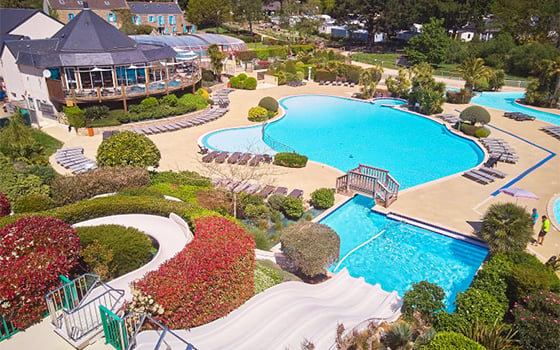
Eurocamp holiday parks in France add a different comparison: transport plus a planned campsite stay versus booking a ferry and accommodation independently. Irish Ferries lists parks such as Chateau Lez Eaux, where facilities including an outdoor pool and waterslides may matter to families. The Eurocamp parks page gives a starting point for comparing locations and facilities.
This arrangement can simplify research when a park holiday is already the goal. It also reduces the number of separate decisions around where to stay. But the park location, accommodation type and availability shape the holiday more than a freely chosen hotel would. Families who want on-site activities may value that structure; travellers seeking a city base, boutique lodging or a flexible road trip may prefer separate bookings.
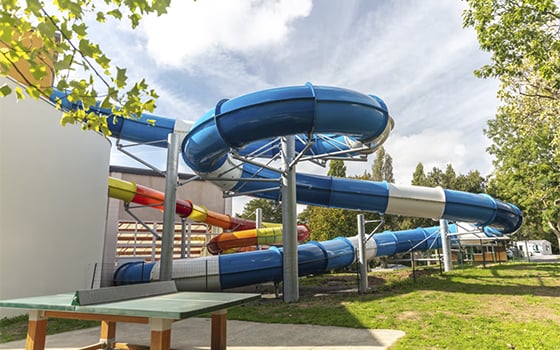
Compare the specific park, included travel elements and booking terms rather than assuming every bundle combines the same things. A campsite image cannot tell you which accommodation suits your group, and the current details should be confirmed on the Irish Ferries Eurocamp listing. If a park stay is the anchor, the bundle may be the most convenient route to shortlist; if the destination comes first, separate reservations preserve more choice.
Compare the options by the trip you actually want
| Option | Best for | Main advantage | Limit |
|---|---|---|---|
| Dublin-Cherbourg | Drivers from Ireland | Direct route with car | Long sea leg to plan around |
| Dover-Calais | Trips already in Britain | Useful Channel crossing | Adds an Ireland-Britain leg |
| Sail & Rail | Car-free city trips | Combines ferry and train | Connections need coordination |
| Eurocamp parks | Families wanting campsite facilities | Stay and travel planning together | Less lodging flexibility |
For a direct ferry comparison, look at total journey shape, not just time at sea: port access, onward drive and whether you need a cabin all matter. For rail, count transfers and luggage effort. For Eurocamp, compare location and stay type with the freedom of an independent booking. The Dublin-Cherbourg details, Sail & Rail information and park listings let you assess those differences before settling on a route.
Which Irish Ferries option fits your France itinerary?
Our pick for most Ireland-based drivers is Dublin-Cherbourg, because it keeps the journey direct and the car available at the destination. For a car-free city holiday, Sail & Rail is the better match; choose Dover-Calais when Britain is already part of your trip. Families who specifically want a campsite holiday should compare the Eurocamp parks, with location and accommodation type in view.
The honest limitation is that no option wins on every measure: the direct sailing takes time, rail adds connections, Dover adds a land leg and a park stay narrows where you stay. Check current schedules, availability and terms for your chosen dates, then compare the direct route with Sail & Rail or Eurocamp if those better fit your plans.