

A route-by-route review of Irish Ferries’ Ireland-France offer, with the practical trade-offs that matter for a self-drive trip.
Choosing a ferry for France is partly a question of geography and partly a question of what you want the crossing to do for the holiday. A direct sailing from Ireland keeps the trip on one island-to-continent route; travelling via Britain creates a different set of driving and timing decisions.
We reviewed the route and holiday information on the Irish Ferries Ireland store. Its offer combines Ireland-France crossings, a Dover-Calais option and Eurocamp stays, but these choices serve different itineraries rather than forming a simple upgrade ladder.
Heads-up: we earn a commission from some links in this article. It never changes the price you pay.
What you need to know
- Dublin-Cherbourg is the most direct Ireland-France option for a car-based holiday in Normandy and beyond.
- Dover-Calais is useful when Britain is already part of the itinerary, but adds a UK journey for most Ireland-based travellers.
- Eurocamp holiday parks bring ferry and accommodation planning together, with less freedom to choose independently.
- Availability, fare conditions, vehicle details and extras affect the overall value; check the current route information before committing.
Irish Ferries has a credible case when bringing a car is central to the trip: the route choices take in both a direct sailing from Ireland and a cross-Channel route. The limitation is that route count alone does not make the options interchangeable. A traveller should begin with the places they intend to reach and work backwards to the port.
Dublin-Cherbourg keeps the Ireland-France journey direct
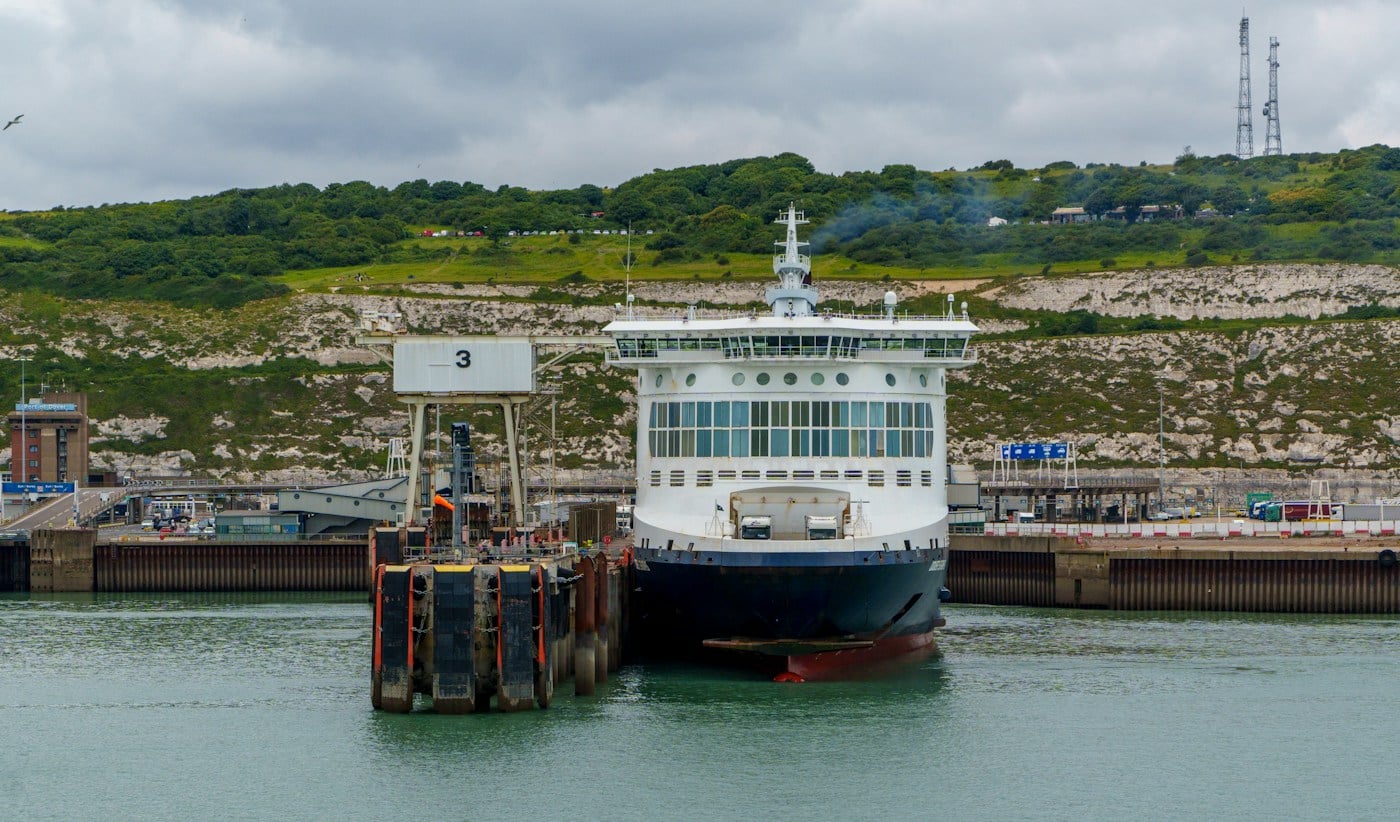
The Dublin-Cherbourg ferry is the clearest fit for travellers starting in Ireland who want their own vehicle in France. Cherbourg puts Normandy within practical reach, and the car makes it easier to carry luggage or build a route through smaller towns where rail connections may be less convenient.
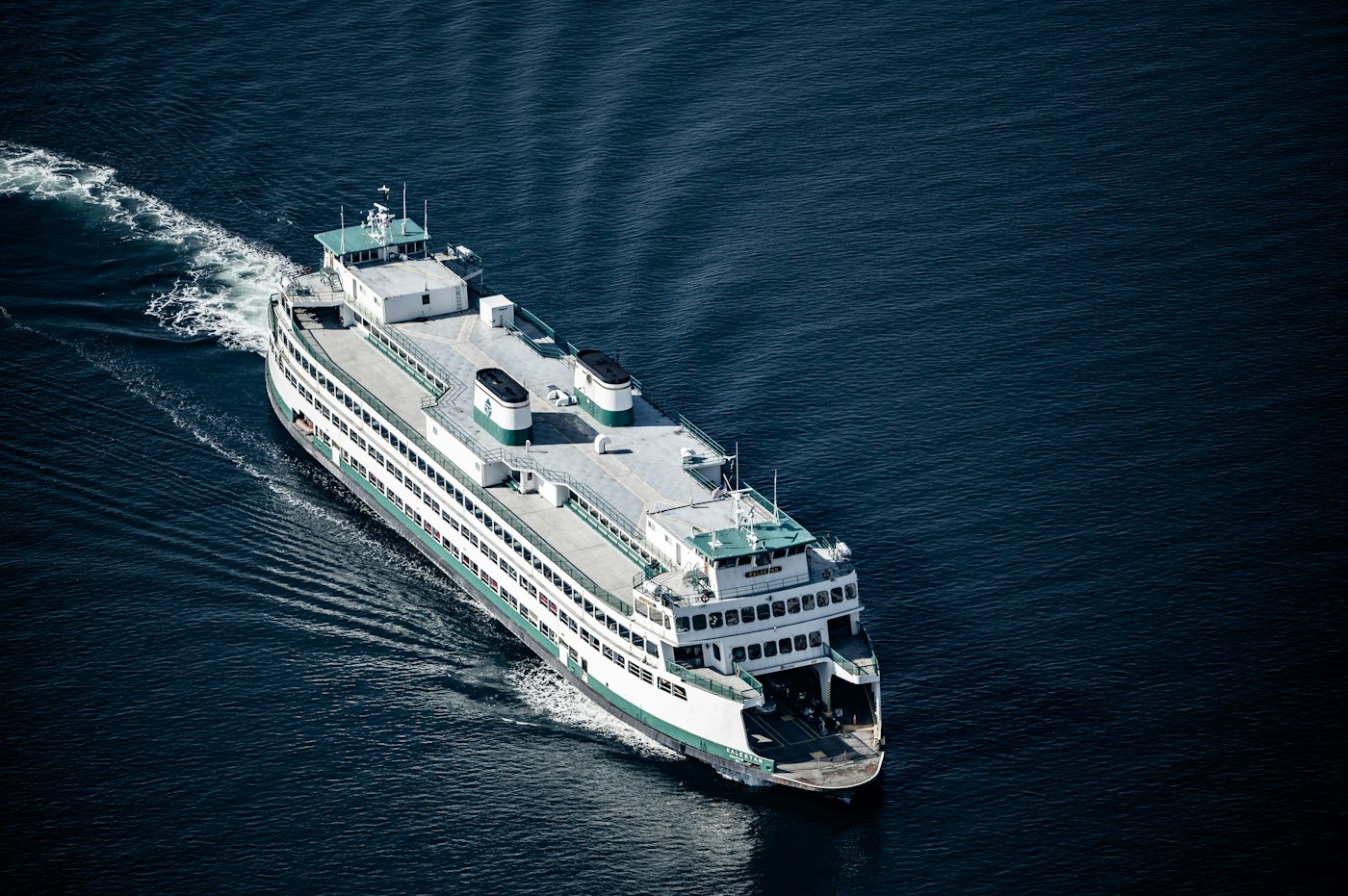
That convenience has a time cost: an overnight or long sea crossing needs to be planned as a substantial part of the itinerary. Irish Ferries lists the Dublin-Cherbourg route with onboard options that vary by sailing and ship. Cabin selection can make an overnight departure more manageable, but adds a decision and a cost driver. Check which vessel and facilities apply to the departure you are considering rather than assuming every sailing has identical arrangements.
For travellers still deciding, open the Dublin-Cherbourg details alongside the Dover-Calais route page. The Irish sailing removes the separate trip to a British port, while the Channel service may shorten the onward drive for a traveller already near Dover. Neither advantage is decisive without the full itinerary.
The route is less compelling if the destination lies far from Normandy or if a car would sit unused. In that case, compare the full driving distance on both sides of the crossing with rail or flight connections, including the transfer to your accommodation. The ferry’s strongest advantage is control over a self-drive itinerary, not a universal speed or price advantage.
Dover-Calais works best when Britain is already on the route
The Dover-Calais ferry can make sense if the trip starts in southeast England, or if a traveller has a reason to include Britain before crossing to France. Calais is a useful arrival point for northern France and onward European driving, so this route gives a different geographic starting point from Cherbourg.
For an Ireland-based driver, however, Dover-Calais usually means arranging an additional crossing or land journey to reach the UK port. That can add handovers, driving and coordination. Irish Ferries publishes the Dover-Calais service as a distinct route, not a substitute for the direct Ireland-France sailing. Compare total travel time and all connections before treating the Channel crossing in isolation.
- Choose Dublin-Cherbourg when Ireland is your starting point and the car will be useful in France.
- Consider Dover-Calais when the UK leg already belongs in your plans.
- Reconsider driving if your stay is centred on one city with limited need for a vehicle.
This is where Irish Ferries’ breadth is a strength, but also where a quick fare comparison can mislead. The right comparison includes the route to the port, vehicle needs, sailing schedule and onward drive.
Eurocamp joins transport with a planned park stay
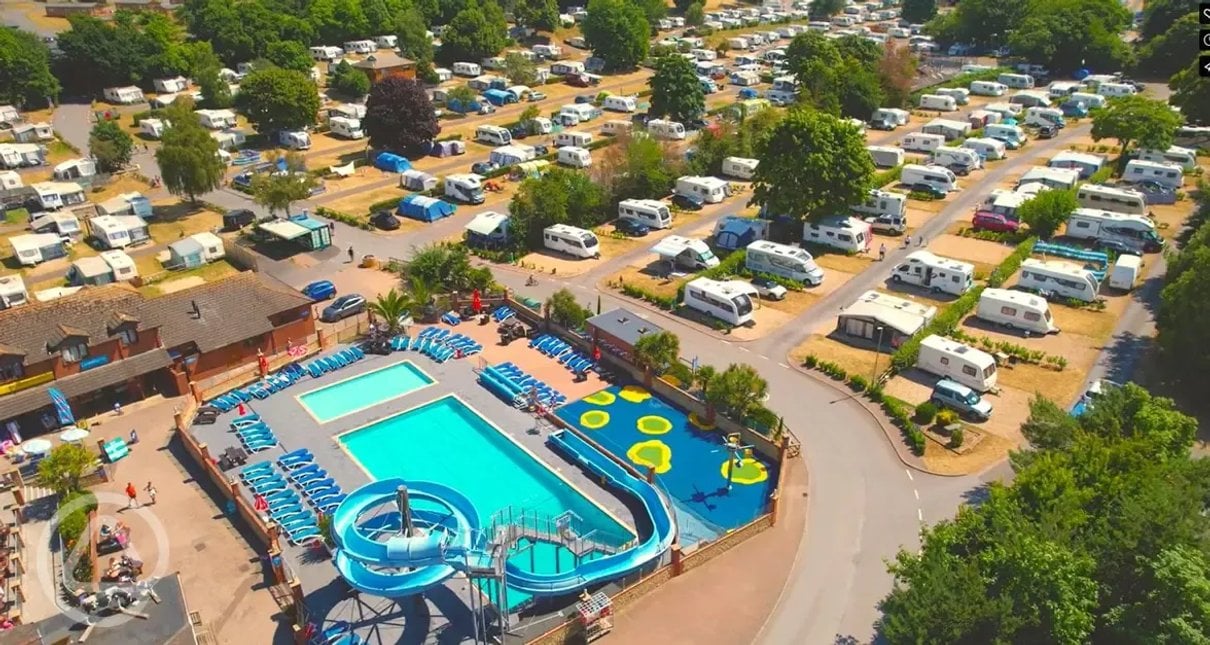
Eurocamp holiday parks suit travellers who want a base with family facilities and would rather coordinate the ferry and accommodation through one holiday search. The Irish Ferries France pages show participating park stays, including properties such as Château lez Eaux. This creates a more joined-up starting point for planning than sourcing every component separately.
The trade-off is a narrower choice set. Park availability, accommodation type, arrival dates and the ferry pairing may shape what is offered, while an independent booking can give more control over location and lodging style. Treat Eurocamp as a convenience option, then compare the included stay and travel details with your own priorities. The park listings are a starting point, not a guarantee that every park or date will suit your party.
We would compare the Eurocamp parks against both an independently chosen stay and a touring itinerary. A park-based break can reduce the number of separate bookings and give the holiday a settled base, but it is a weaker match for people hoping to change region every few nights. Read the property description, not just the package label.
Before selecting a bundled holiday, verify what is included, whether the vehicle is part of the booking, the accommodation configuration, and the cancellation or amendment rules. Families may value having facilities in one location; travellers who want a touring holiday with frequent overnight stops may find a single park stay less flexible.
Fare terms and extras shape the final value
Irish Ferries’ route pages make the practical choices visible, but the headline crossing is only one part of the travel decision. Vehicle dimensions, passenger numbers, cabin or seating choices, pets, meals and departure flexibility can affect the booking total. The appropriate comparison is the complete trip for your party, not a bare sailing against an unrelated route.
Read the conditions for the selected fare before paying particular attention to amendments, cancellations, check-in requirements and whether a chosen extra is included. Availability and sailing schedules can shift, so revisit the store for the departure you plan to take. We would also map the arrival time against the first day’s drive: a low-friction crossing loses some appeal if it creates an exhausting onward leg.
- Match the port to your first and last destinations.
- Check vehicle, passenger and pet details against the fare conditions.
- Decide whether a cabin, meal or bundled accommodation solves a real need.
- Allow time for the drive after arrival and review amendment terms.
Those checks suit the product as it is presented: a practical travel service with meaningful route and package choices, rather than one universally best crossing.
Is Irish Ferries a good fit for your France trip?
We recommend Irish Ferries for travellers whose plan benefits from taking a car and who can make the port choice work with the wider itinerary. Dublin-Cherbourg is the strongest starting point for many Ireland-based self-drive trips; Dover-Calais is better when Britain is already part of the journey, and Eurocamp is worth considering when a participating park stay matches the holiday.
The honest limitation is that the options involve different routes, connections and levels of flexibility, so the brand’s range does not remove the need to plan carefully. Check current availability, fare rules and the exact trip components before deciding. If you want the Ireland-France crossing to carry your own vehicle and value a direct route, Irish Ferries merits a place on the shortlist.