

A research-led look at the direct Ireland-France sailing, the onboard choices that add comfort, and the planning details that determine whether it suits your trip.
Planning a France trip from Ireland often means choosing between taking the car, travelling as a foot passenger, or building a longer itinerary around a crossing. We reviewed the Irish Ferries route and service information to see what the offer includes, where flexibility sits, and which details travellers should verify before committing.
The strongest case is practical: the direct Dublin-Cherbourg route connects Ireland with Normandy, while ship facilities and holiday options let travellers shape the journey around their own plans. The limitation is that a ferry page cannot make the rest of the itinerary simple by itself. Connections, cabin choices, fare conditions and accommodation all need separate attention.
Heads-up: we earn a commission from some links in this article. It never changes the price you pay.
What you need to know
- Dublin-Cherbourg is the direct Ireland-France route for drivers and foot passengers.
- W.B. Yeats is the named ship to inspect for cabins, dining and onboard facilities.
- Club Class adds a reserved lounge option, useful when dedicated seating matters during the crossing.
- Eurocamp Holiday Parks can combine accommodation and ferry travel, but Irish Ferries directs customers to request a tailored package quote.
- SailRail supports a car-free trip, though the onward train is booked separately and transfer time needs planning.
Dublin-Cherbourg makes the route choice clear
The direct crossing is the core strength of the Irish Ferries offer for an Ireland-to-France break. The route page sets out sailings between Dublin and Cherbourg, giving drivers a straightforward way to bring their vehicle and giving foot passengers an arrival point in Normandy. For travellers heading toward western or northern France, that arrival can make the ferry itself a useful part of the itinerary rather than a transfer to another port.
Our review of the Dublin-Cherbourg route finds a clear proposition: one sea crossing gets you from Ireland to France, and taking a car keeps onward movement under your control. The route page is the best place to compare the current sailing pattern with your planned departure and return. Seasonal schedules and the chosen travel date affect what is available, so confirm the live timetable before locking in accommodation.
The route also has a genuine trade-off. A ferry journey takes longer than flying, and the port locations still require onward travel at either end. Drivers should account for driving time after landing and review the operator’s check-in guidance; foot passengers need to map their connection from Cherbourg. These are not small details for a tightly timed break. Irish Ferries’ Dublin-Cherbourg sailing information is a useful starting point, but it does not replace a full door-to-door plan.
- Drivers: compare route timing with the first night’s accommodation.
- Foot passengers: check transport from the port before selecting a train or coach.
- All travellers: review fare conditions and sailing updates close to departure.
W.B. Yeats gives the crossing more onboard choice
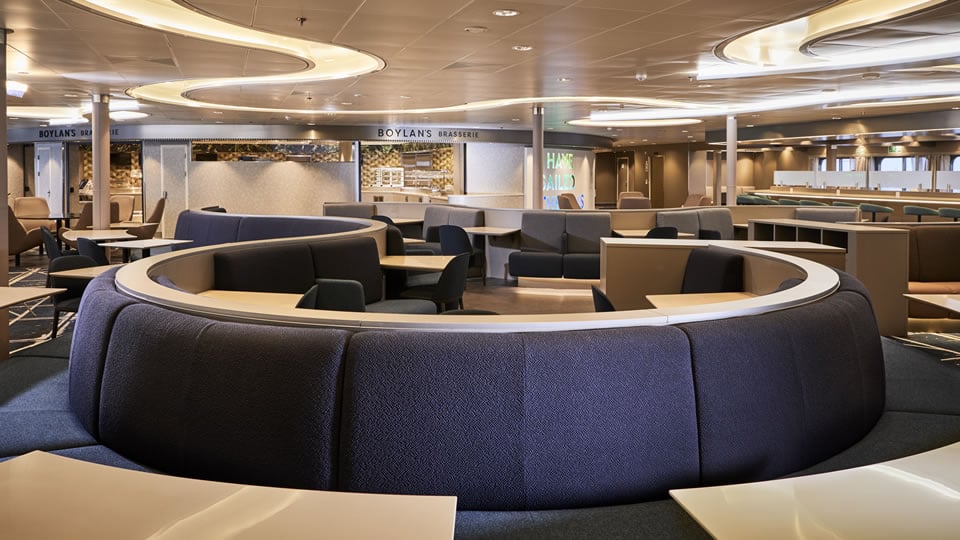
Irish Ferries’ W.B. Yeats page is particularly useful because it describes the ship rather than leaving comfort as an abstract promise. The operator highlights cabin choices, dining spaces and onboard services. For an overnight or long sailing, those details can matter as much as the route: a private cabin changes how a family rests, while dining and lounge spaces offer alternatives to staying in a single seat.
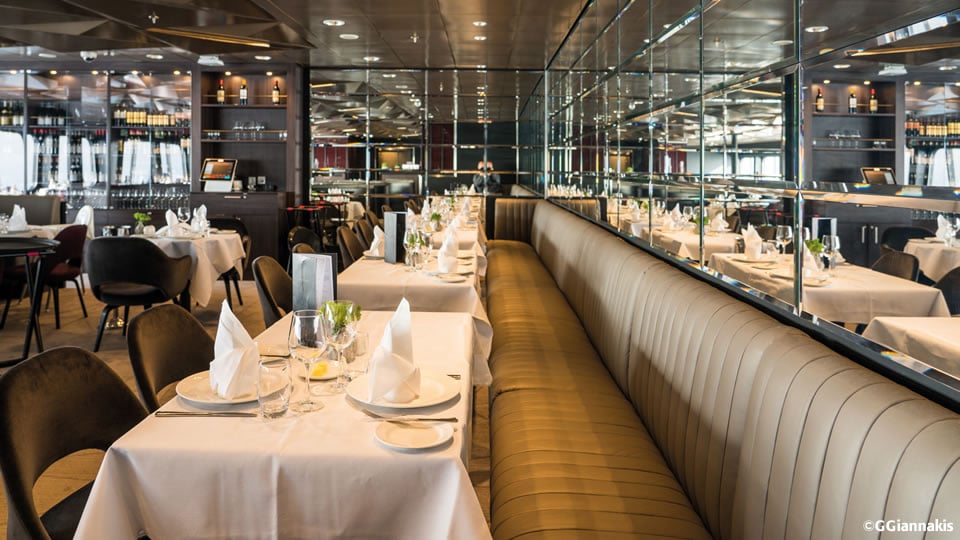
Among the specific options, Club Class on W.B. Yeats is positioned as a more private lounge. Irish Ferries describes reserved seating and amenities such as refreshments and Wi-Fi on its Club Class information. This may suit travellers who value a quieter place to sit, but it is an optional extra rather than a requirement for making the crossing. Whether it makes sense depends on sailing length, party needs and what is included in the selected fare.
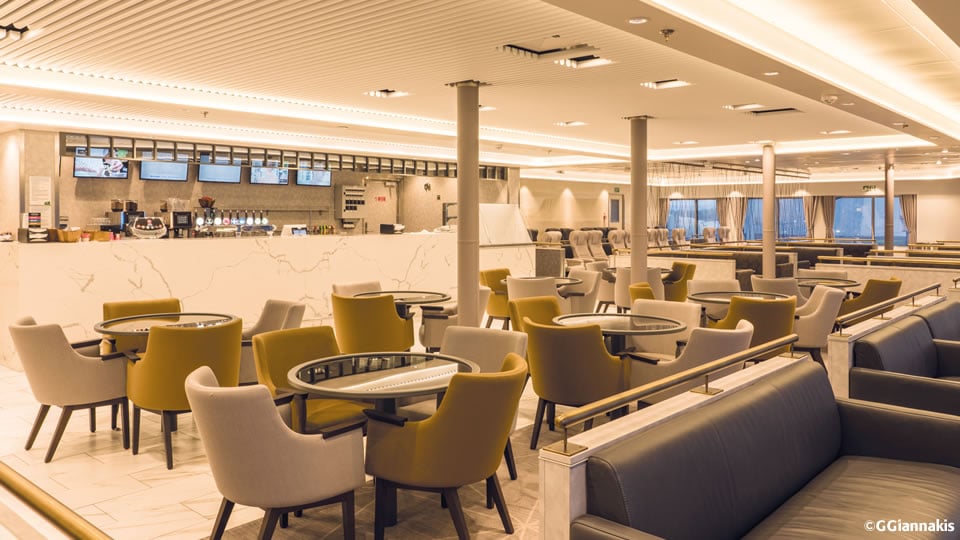
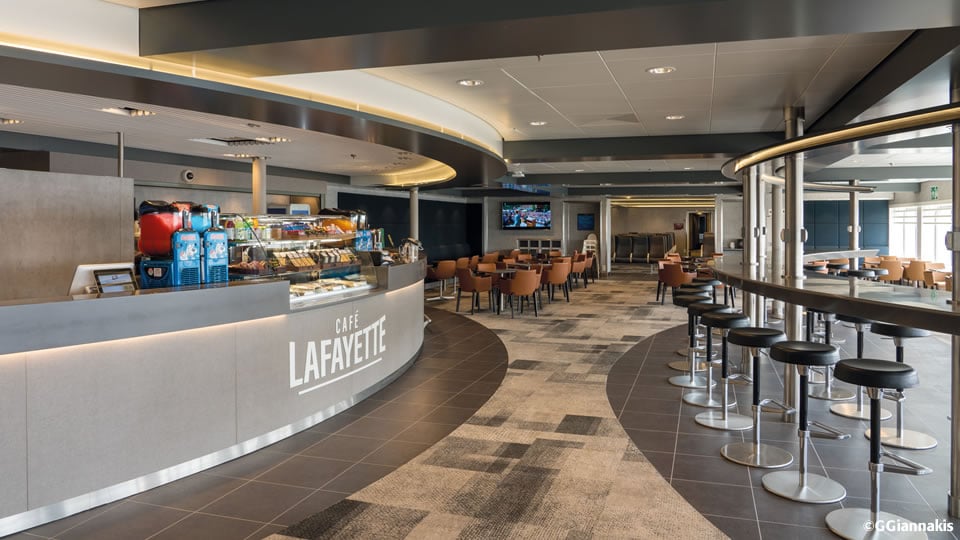
The wider ship has more variety than a basic transport link. Boylan’s Brasserie, Café Lafayette and the Maud Gonne bar give travellers different places to eat or pause. These named facilities make the operator’s description more concrete. Still, facilities can vary by ship and sailing, so check which vessel is scheduled for the departure you are considering.
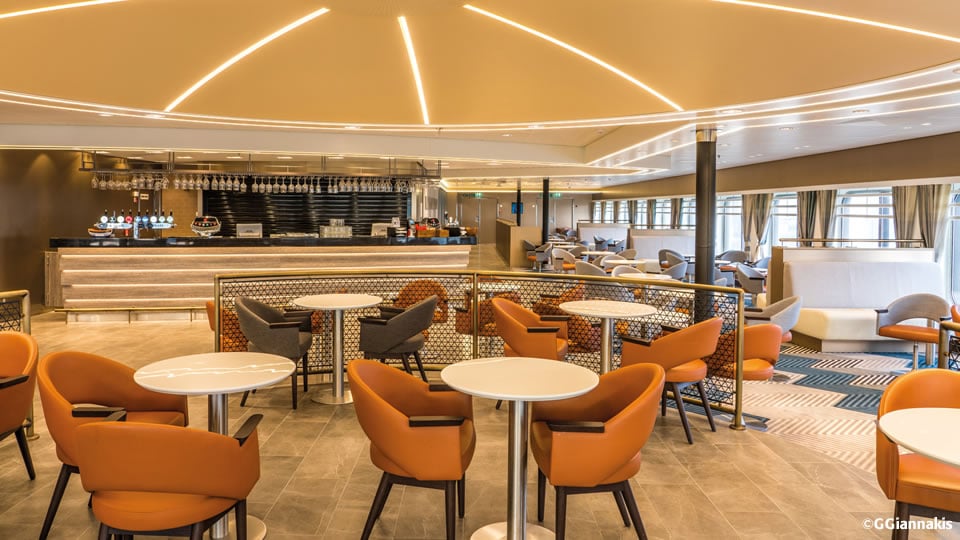
These public spaces support the case for choosing a larger ship experience, though they do not guarantee a particular atmosphere or level of availability on every crossing. Review the scheduled vessel and the specific onboard options before selecting your sailing.
Eurocamp and SailRail extend the trip in different directions
The Irish Ferries France pages go beyond crossings. Eurocamp Holiday Parks is aimed at travellers who want an accommodation plan as well as transport. The listing describes parks around France, with any-day arrivals during the season, and presents nearby options as a starting point. It gives concrete features at individual parks, including pools and family facilities, while the operator says it can quote for other Eurocamp resorts too.
This can reduce the effort of coordinating a ferry and campsite stay, especially for a family road trip. But the package page does not show a simple self-serve booking flow for every park; it asks customers to contact the holiday team for a tailored quote. Check what the package includes, the accommodation type, arrival rules and the relationship between ferry dates and stay dates. The exact choice of park will shape the drive after arriving in France, so location deserves more weight than a generic holiday label.
For a car-free alternative, SailRail to France sets out a sequence: book a Dublin-Cherbourg foot passenger crossing, then arrange onward rail travel from Cherbourg separately. Irish Ferries recommends allowing a transfer buffer between ferry arrival and train departure. That makes the offer more flexible for travellers comfortable planning separate reservations, but less convenient for anyone expecting a single protected connection. The rail operator does not treat the ferry and train as connecting services, so delays may affect the onward leg.
- Choose Eurocamp if accommodation and a driving holiday are the main priorities.
- Choose SailRail if you want to travel without a car and can manage a separate train booking.
- Keep the ferry-only route if you already have accommodation or a more independent itinerary.
These are distinct products rather than interchangeable perks. Eurocamp’s park options answer the question of where to stay; SailRail answers how to continue without a car. The choice should follow the trip you actually want. Irish Ferries’ pages help put the pieces together, but travellers remain responsible for checking current availability, applicable terms and any onward transport not included in the booking.
Is Irish Ferries the right fit for your France trip?
We recommend Irish Ferries for travellers who value a direct Ireland-France crossing and want the choice to travel with a car, add a shipboard comfort option or extend the booking into a holiday package. The Dublin-Cherbourg route is the clearest starting point; inspect W.B. Yeats if onboard space matters, then compare Eurocamp or SailRail only if their trip styles fit.
The limitation is planning complexity: ferry timetables do not automatically solve the transfers, rail connections or stay details around them, and onboard amenities can depend on the scheduled ship. If you need a guaranteed seamless connection or a short, fixed itinerary, compare the whole door-to-door journey before booking. For a self-directed trip with room to plan, the Irish Ferries offer is credible and usefully varied.