
A research-led look at Frameless’s projection-led galleries, changing programme and the visitors most likely to enjoy its scale-first approach to art.
Frameless makes a clear proposition: take familiar works of art out of the frame and let image, movement and sound fill a room. Its London venue is built around four galleries and more than 40 artworks, giving a visit a broader, more theatrical scale than a conventional gallery hang.
The question is whether that scale adds enough to justify choosing an immersive art experience over a quieter museum visit. We reviewed the venue’s published descriptions and current offer pages. The evidence points to a distinctive, social way to encounter art, with some real limits for visitors who want close looking or a fixed programme.
Heads-up: we earn a commission from some links in this article. It never changes the price you pay.
What you need to know
- Four galleries place more than 40 artworks in projection-led spaces with sound.
- Standard admission is the core visit; check the current ticket page for sessions and booking terms.
- FRAMELESS Lates shifts the experience to an adults-only evening setting.
- The Nikon Comedy Wildlife Awards Immersive Experience adds a changing, photography-led residency.
- The format is strongest for atmosphere and shared viewing, less so for close study of original objects.
Projection and sound make scale the clearest strength
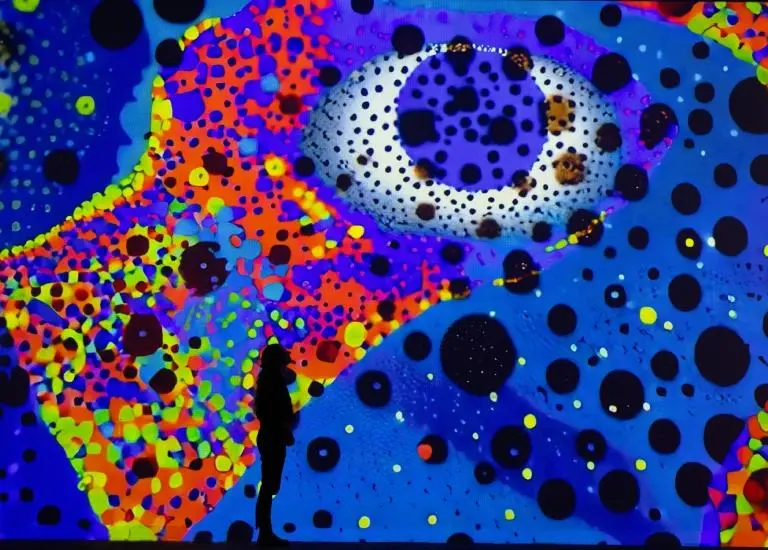
Frameless is organised around four named environments: Beyond Reality, Colour In Motion, The World Around Us and The Art Of Abstraction. The venue says its galleries use floor-to-ceiling imagery and original scores, and describes more than 40 artworks in the programme. That gives the visit an immediate visual grammar: rooms are built around a mood or theme rather than a chronological collection.
This approach makes sense for visitors who enjoy art but do not need a label-led route. The range reaches from Munch, Bosch and Dalí in Beyond Reality to Monet and Van Gogh in Colour In Motion, then into landscapes and abstract work elsewhere. Variety comes from the room-to-room shift, not from a promise that every artwork will be treated in depth. The standard admission page is the place to check what the core galleries include for a selected session.
That distinction matters. Large images can make a familiar composition feel newly legible in motion, while sound helps establish pace and atmosphere. For a group outing, this is an easy format to share because people can stand, move and talk about what they notice. The trade-off is that immersive scale can compete with the original detail. If your main pleasure is comparing brushwork, material and framing at close range, the format may feel more like a designed environment than an art collection.
- Best for: a first encounter with canonical works, a date or a group plan built around visual impact.
- Less suited to: a silent visit, close visual analysis or a collection arranged for sustained study.
- Useful expectation: treat the galleries as separate environments, not as a substitute for seeing the original works.
Visitors weighing that distinction can review the standard admission details alongside the Lates format, since the setting changes the social tone more than the art premise.
The gallery themes create variety without a fixed route
Each room has a different editorial role. Beyond Reality leans into dreams and surreal imagery; Colour In Motion focuses on colour and brushstrokes; The World Around Us centres on landscapes, cityscapes and seascapes; and The Art Of Abstraction uses shape and form as its organising idea. The names tell visitors what kind of encounter to expect, even when they do not specify a strict sequence.
That thematic approach is a practical strength for mixed-interest groups. One person can respond to the colour and motion in one space, another to the recognisable artists, and both can follow the same broad visit. It also gives the venue a coherent identity beyond a single projection room. Our reservation is that the thematic labels are broad: they help with mood, but do not by themselves provide the interpretive depth or historical context that a specialist exhibition might.
The gallery format also asks visitors to set their own pace. The public information describes a flexible visit rather than a guided route, so a group can linger where the imagery works for them and move on when it does not. For some, this openness is the point. Others may prefer clearer curation or more contextual material to explain why a particular work has been chosen and how its projection changes the original. The venue’s ticket page helps establish which session fits that flexible plan.
Readers drawn to a specific event should confirm that it appears for their date: the standard ticket listing covers the core visit, while the Comedy Wildlife residency page describes a separate subject-led addition. This distinction helps avoid assuming every programme feature is present in every session.
Changing experiences add choice and a planning caveat
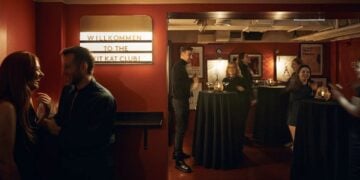
FRAMELESS Lates is an alternative occasion rather than a new version of the daytime visit. Frameless presents it as an adults-only, after-hours experience, and its event page positions the galleries as part of an evening out. That can be a strong fit for groups who want the immersive setting to feel social and atmospheric. It is less obviously suited to families or anyone seeking a calmer, daytime gallery rhythm.
Because Lates is session-based, the practical details matter: confirm the applicable date, entry time and current event information on the FRAMELESS Lates page before making plans. The central attraction remains the large-scale art and sound; the shift is the timing and audience. Our recommendation is to choose Lates for its evening character, not because it promises a fundamentally different art collection. Readers can compare the event description with standard admission information before choosing.
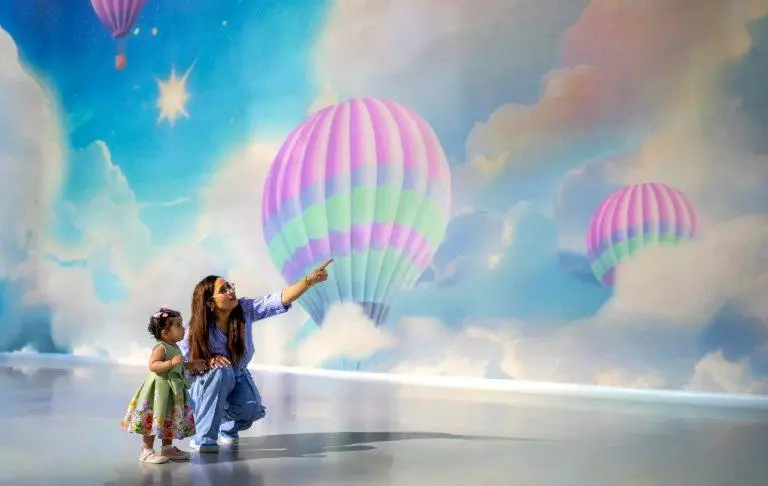
The Nikon Comedy Wildlife Awards Immersive Experience provides a more focused change of subject. Frameless describes it through a series of animal habitats and award-winning wildlife photography. That should appeal to visitors who respond more readily to expressive animal images than to the canonical art in the main galleries. It also brings a lighter programme note. The residency page outlines the subject and setting.
Residencies are inherently changeable, so the value depends on whether the current subject interests your group and whether it is included in the visit you are considering. The residency information is more reliable for its current scope than a general venue description. Check that page alongside the ticket options; a changing programme is a benefit when it aligns with your interests, and a limitation when you expect a permanent line-up.
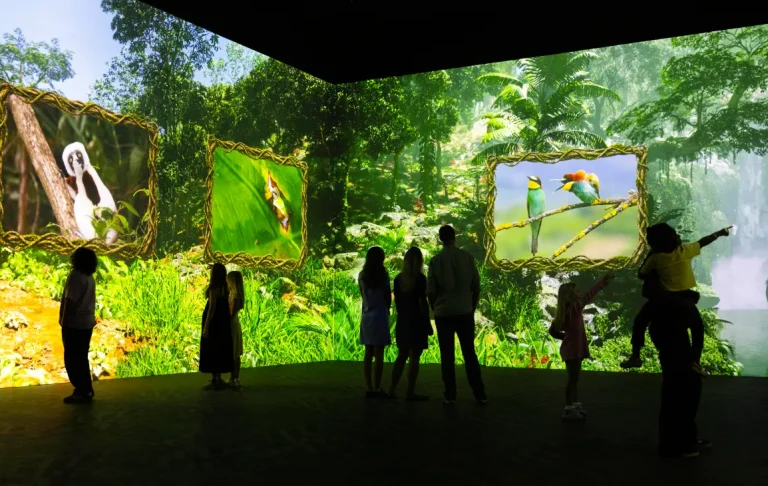
That subject change is best treated as a reason to check the programme, not as a guaranteed part of every standard session. The current Comedy Wildlife listing is the useful reference if the residency is central to your decision.
The format works best for visitors who enjoy shared spectacle
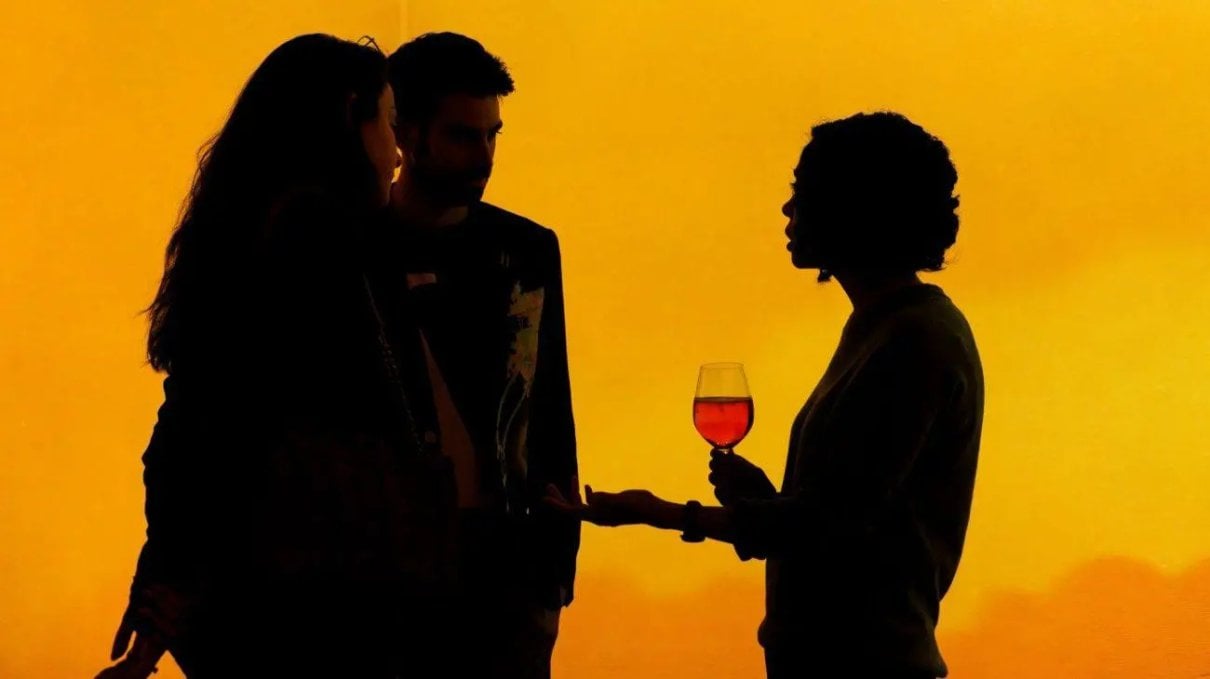
Frameless has a clear audience: people who want art to feel enveloping and social, visitors introducing friends or family to well-known names, and Londoners looking for an event with a strong visual premise. The four themes let different tastes find an entry point, while the changing programme can give repeat visitors a reason to check what is on. These are meaningful strengths grounded in the venue’s actual structure.
The same design narrows the audience. Projection transforms the room and can make details harder to inspect; sound and movement can be distracting for visitors sensitive to sensory intensity. Frameless publishes dedicated accessibility information, including session options, so anyone with specific access needs should review the venue’s current guidance before booking. We would also avoid assuming that an immersive presentation gives the same encounter as viewing a painting or photograph in its original form.

Optional extras can change the emphasis again. The Art of You Photo Experience is presented as a participatory addition, not the central reason to choose the galleries. If a personal image or a more playful activity is part of your plan, check whether it is available with your selected visit rather than treating it as an automatic inclusion. The venue’s ticket information and current experience pages should guide that decision.
We would put Frameless on a shortlist for a visually minded group, a date, or a visitor curious about how familiar art changes when enlarged and animated. We would steer a visitor whose priority is quiet contemplation toward a conventional gallery as well, because the two formats serve different purposes. That is a limitation of the experience design, not a flaw that can be solved by choosing a different session.
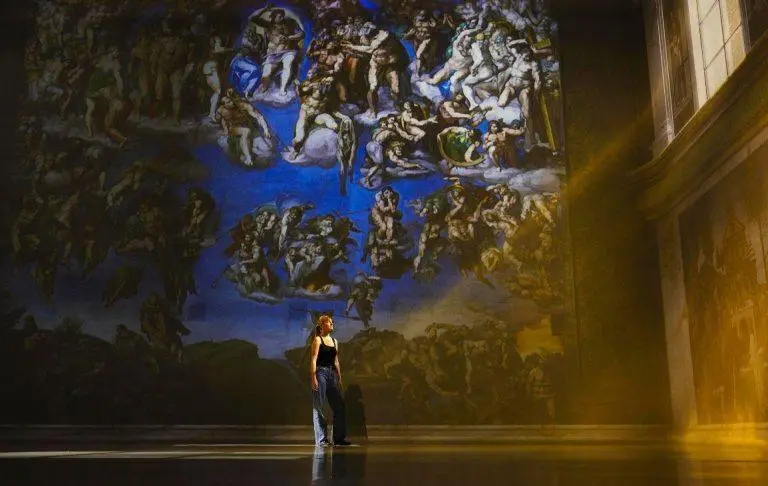
Does Frameless suit the way you like to experience art?
Our recommendation is a qualified yes. Frameless makes the strongest case when you value atmosphere, movement and a shared visual event. Four distinct galleries, recognisable artists and occasional focused residencies give the London venue a clear point of difference. The main reservation is equally clear: the format privileges scale over close looking, and event details can change.
Choose standard admission for the core galleries, consider FRAMELESS Lates when the evening setting is part of the appeal, and check the residency listing if the wildlife photography is a deciding factor. If your idea of an art visit depends on quiet, original works and detailed interpretation, this is better treated as a complement to a museum day than a replacement. Review the current session and inclusions on the official booking page before settling on a plan.