

A practical route through timing, visibility, access and occasion choices can help you decide whether The View from The Shard belongs in your London itinerary.
A visit high above the city can be a main event, a pause between appointments or a shared occasion. The useful question is not only which ticket to select, but how the visit will sit alongside the rest of your day and what you need from it.
We reviewed the official ticket information and visitor guidance to map out the decisions that matter: how much time to leave, what weather can change, and when an experience add-on earns its place.
Heads-up: we earn a commission from some links in this article. It never changes the price you pay.
What you need to know
- Standard Admission includes indoor Levels 68 and 69, the open-air Level 72 Skydeck and a digital photo package.
- Once inside, visitors may stay until closing, so plan around the day’s schedule rather than assuming the viewing time is limited to a short slot.
- The View Guarantee may provide a return voucher if listed landmarks are not visible, subject to its terms.
- Champagne Experience and Proposal Experience add occasion-led details; review their current inclusions before booking.

Start with the role the visit will play
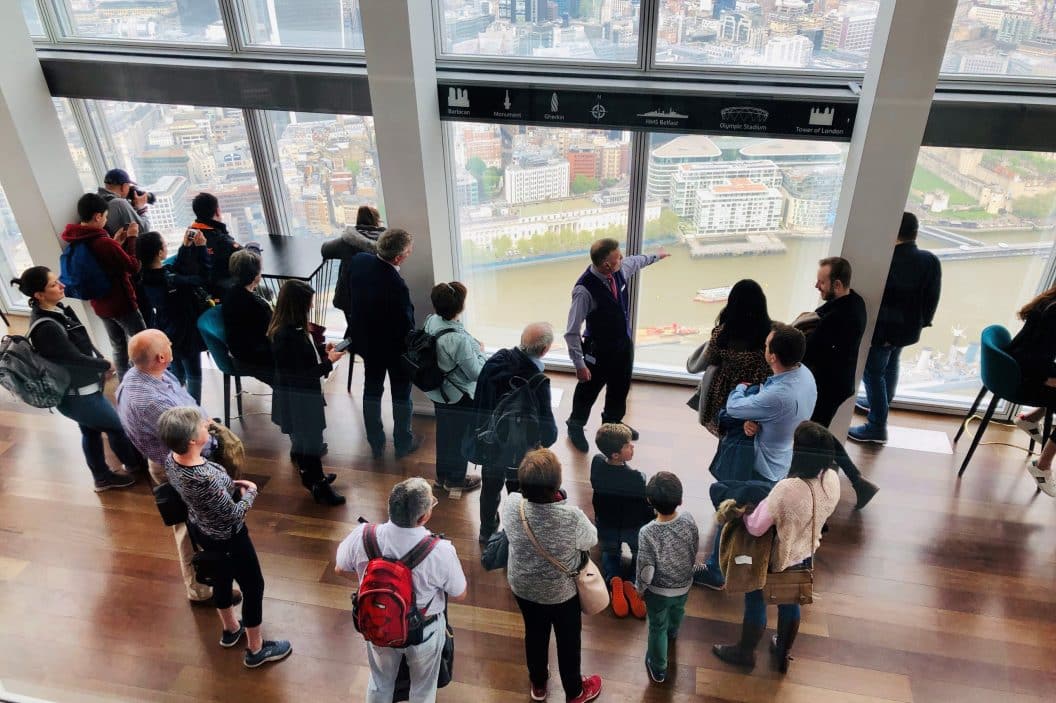
First decide whether The View from The Shard is the anchor of your day or one stop among several. The three-level layout creates a clear progression: indoor perspectives on Levels 68 and 69, then the open-air Skydeck on Level 72. That mix makes the attraction easier to plan as a substantial visit than as a quick photo stop.
For a flexible first visit, Standard Admission is the natural starting point. Its ticket information lists the three viewing levels and a digital photo package. That gives the core experience a simple shape without requiring a celebratory extra. Check the official Standard Admission details against your group and itinerary before committing.
If the day already has a fixed sequence, place the visit where travel to London Bridge is convenient. The attraction is near London Bridge station, and the brand’s visitor information describes it as a short walk from the station. Give the entry time breathing room for the journey, security and finding the entrance rather than scheduling another commitment immediately afterwards.
- Choose the visit’s role: headline attraction, family outing or celebratory stop.
- Allow a buffer around the booked arrival time for local travel.
- Decide whether indoor and open-air viewing both suit the people coming with you.
Leave room for changing light and visibility
Views are the central reason to go, which also makes visibility an important part of the decision. The official View Guarantee is described as a possible return voucher if specified landmarks are not visible, under stated conditions. It is a conditional reassurance, not a promise that every visit will have clear skies or that every weather concern is covered.
Read the current guarantee terms before you rely on it, including which landmarks count and how a return is arranged. The ticket information is the place to confirm applicable conditions; details can change. If the panorama is the main purpose, consider whether you have flexibility to revisit London. If the stop is one part of a tightly planned day, treat the skyline as weather dependent and make sure the other parts of the visit still matter to your group.
Timing is personal. Daylight makes the urban layout easier to read, while a later visit can bring a different atmosphere as the city lights appear. The ticket pages do not promise a particular sunset or visibility, so select an arrival time that suits your schedule rather than treating a specific light condition as guaranteed.
As you compare availability, use the official Standard Admission page to review the date and entry choices. Then check the current ticket options again before booking if your plans shift.

Use the levels to set a comfortable pace
The best plan leaves time to look around without rushing from level to level. The indoor and open-air mix gives visitors a choice of vantage points, and that matters for mixed groups. Some people may want to linger over the view; others may prefer a shorter circuit before moving on.
For families, the store lists child tickets and the visitor information says children under four enter free with an adult ticket. Confirm eligibility, supervision requirements and the current booking steps on the official admission page. A view-focused visit can suit different ages, but the experience still involves getting through a busy attraction and sharing indoor and open-air spaces.
We would plan a simple order: begin indoors, take time to orient yourself against the city, then head to Level 72 if conditions and comfort allow. This approach keeps the outdoor deck as an option rather than the sole reason the visit works. For accessibility needs or a specific question about entry, check the brand’s visitor guidance before selecting a date.
- Check your party’s access and comfort needs before booking.
- Start with the sheltered levels and decide how long to spend there.
- Make the open-air deck part of the plan when conditions suit.
Choose an add-on only when it serves the occasion
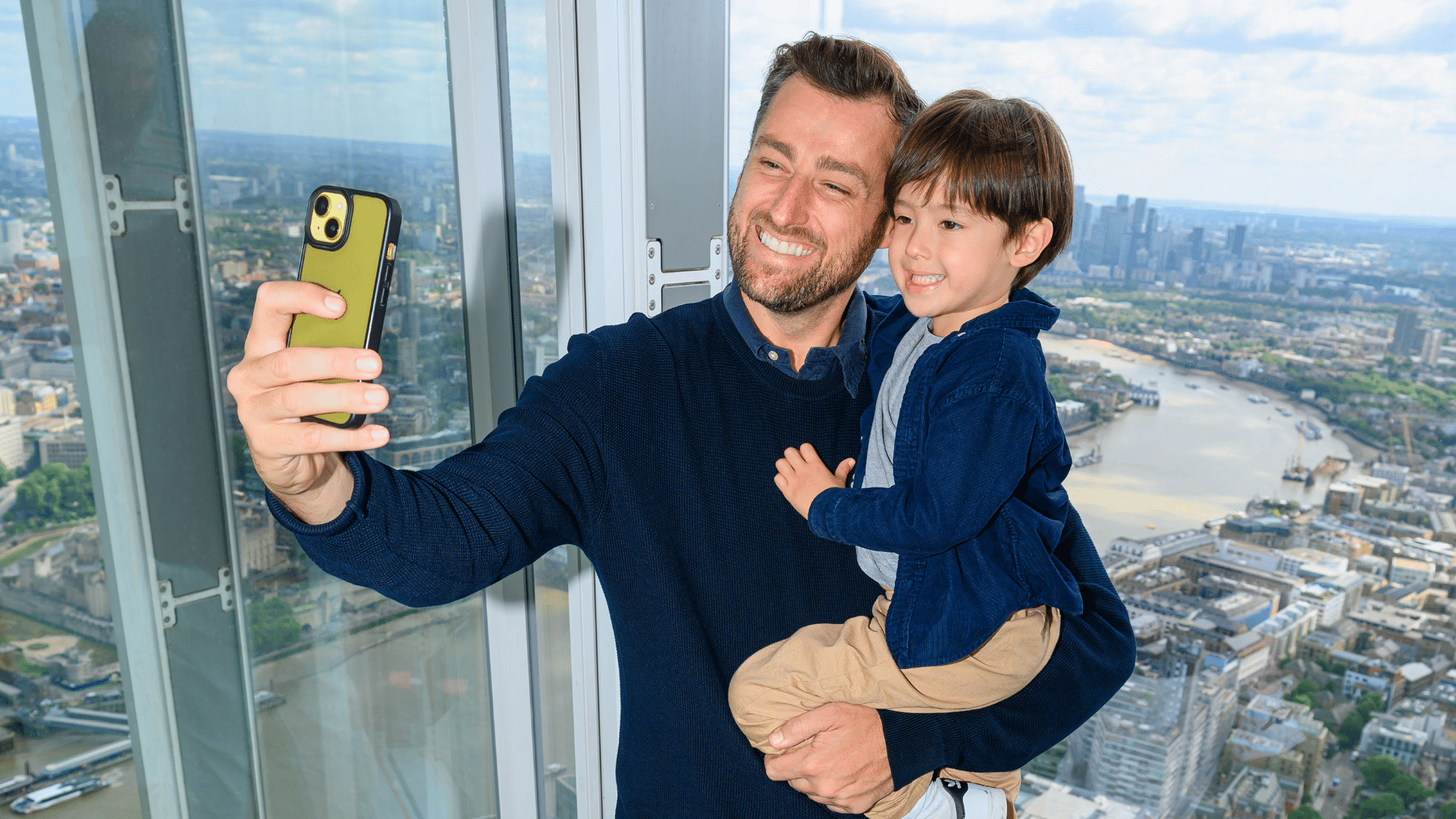
For an ordinary sightseeing day, the included viewing levels are the main event. An add-on makes more sense when it supports a specific plan. The Champagne Experience is the occasion-led choice for visitors who want a celebratory detail alongside the view. Its current page should be checked for what is included, any timing requirements and the booking conditions.
A milestone may call for the Proposal Experience, which is a more deliberate option than general admission. The page is the source for its current format and requirements; confirm how the proposal is arranged before making it the centrepiece of a wider day. The extra planning can be worthwhile when privacy or a carefully timed moment is important to you, but it is unnecessary for a straightforward skyline visit.
Compare each official experience option on its own inclusions, then review the Proposal Experience information if it matches your reason for visiting. Do not assume add-ons include the same access or timing as standard entry; verify the details for your chosen date.
Keep the booking decision grounded in the details
Before checkout, revisit four practical points: the date and arrival time, who needs a ticket, what the guarantee actually covers, and whether an add-on suits the occasion. The Standard Admission listing is the sensible reference for the core visit, while the Champagne Experience listing and Proposal Experience listing help you check the extras.
Because inclusions, availability and terms can change, read the official store at the point of booking. You can also revisit the ticket details if your group size changes or the rest of the itinerary moves. This final detail check reduces the chance of building the day around an assumption.
Our recommendation is to start with Standard Admission unless the occasion clearly calls for an add-on. It covers the headline levels and keeps the decision focused; weather remains the honest limitation because a skyline attraction cannot control visibility.
Does The View from The Shard fit your London day?
It fits best when you can give the visit room in your itinerary and value seeing London from several perspectives. The included indoor levels and open-air deck offer a clear structure, while staying until closing after entry gives the day some flexibility. Families and occasion planners should confirm the details specific to their party.
We recommend booking through the official store after checking the current availability and conditions. The panorama depends on visibility, so treat the guarantee as conditional protection rather than certainty. For most visitors, Standard Admission is the sensible starting point; choose an experience add-on only when its current inclusions match the occasion.