

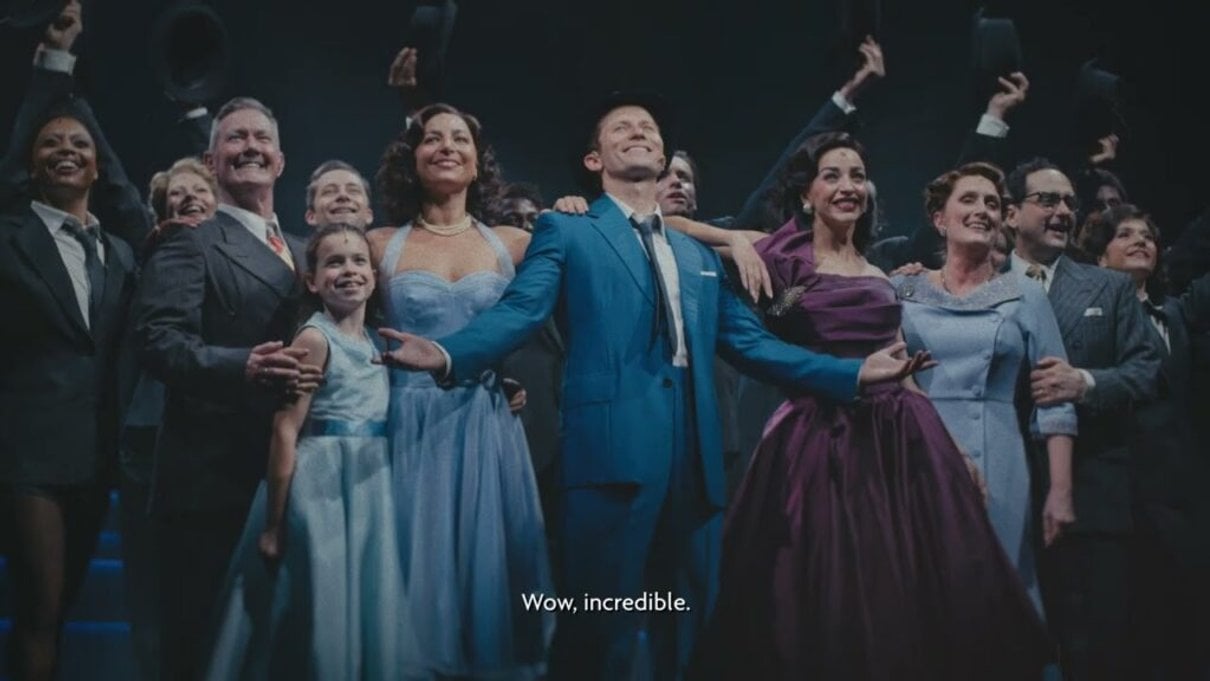
We trace how Sinatra the Musical frames a familiar song catalogue as a West End story, and explain which official pages help a first-time reader explore the production.
A familiar song arrives with associations before a stage story begins. In a musical built around Frank Sinatra, the challenge is to give songs many listeners already know a theatrical context.
Sinatra the Musical is playing at the Aldwych Theatre. The official site presents it as a portrait of the singer, with Joe DiPietro as writer and Kathleen Marshall as director and choreographer. The site says the production features over twenty songs, including ‘That’s Life’ and ‘The Best Is Yet to Come’. Its material positions the music within a showbiz story, rather than simply listing songs.
Heads-up: we earn a commission from some links in this article. It never changes the price you pay.
What you need to know
- The show is a West End musical based at the Aldwych Theatre, with official visit and access information on the brand site.
- Frank Sinatra’s catalogue is the musical’s defining material; the creative premise places well-known songs inside a dramatic frame.
- All Tickets and Premium Seats are distinct options within the official booking route, so readers can compare dates and seat availability there.
- The soundtrack is a separate listening route for readers who want to explore the music outside a theatre visit.
The production gives Sinatra’s catalogue a dramatic frame
A song-led musical balances recognition with narrative. The question is how familiar songs connect to character, time and consequence. The official site calls it a portrait of Sinatra. Our reading is that the show’s promise is a story shaped around his catalogue, which gives it a different frame from a concert. The official All Tickets page shows the booking route.
The format may suit readers who enjoy classic popular music and want a plot and stagecraft around it. It asks for different attention than a concert. The catalogue supplies an entry point, while the dramatic structure shapes the whole. Readers can use the official production pages to understand the premise before deciding whether that blend is their kind of theatre. The soundtrack page is a separate route for music-first listeners.
- Joe DiPietro is credited as writer.
- Kathleen Marshall is credited as director and choreographer.
- Joel Harper-Jackson is listed as Frank Sinatra, alongside Ana Villafañe as Ava Gardner and Phoebe Panaretos as Nancy Sinatra.
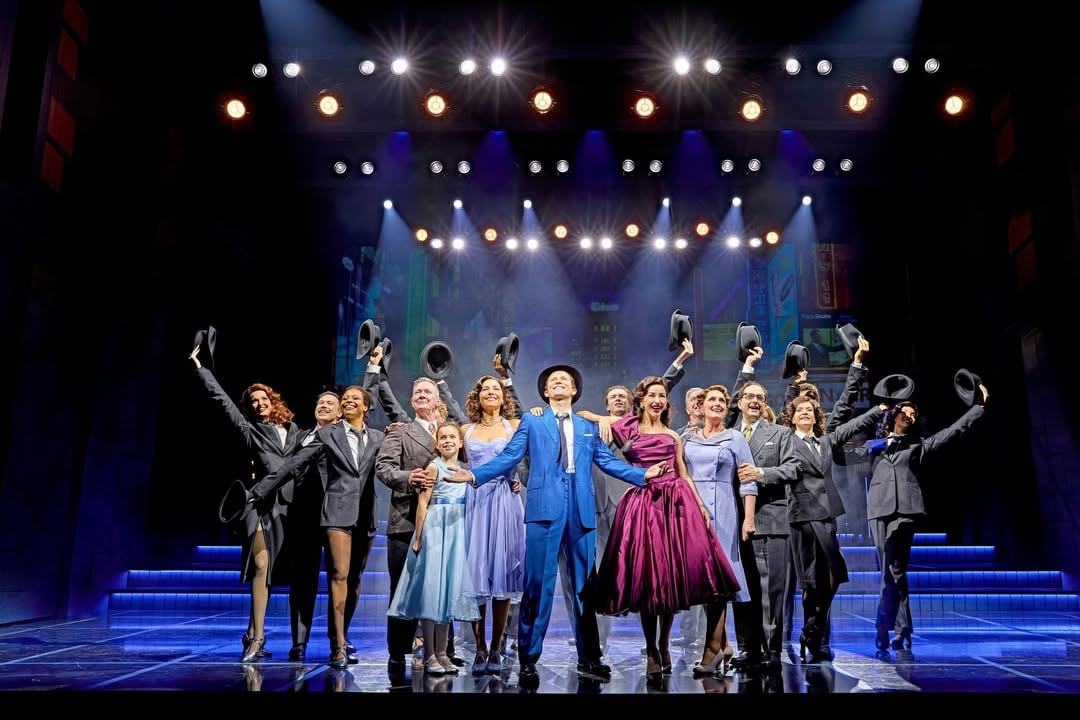
The songs carry the weight of Sinatra’s public image, their era and the emotions listeners associate with them. A musical must still make its characters legible to people who are not devoted Sinatra listeners. The official visit information helps with the practical side. That balance between recognition and dramatic storytelling is the most useful lens for a newcomer.
For background, start at the official show pages and then follow the production details that matter to you. The official All Tickets booking page gives the broad route into dates and seats, while the visit and access information answers practical questions. These are different official jobs: the first helps with a booking decision; the second helps you understand the theatre visit.
Official pages support tickets, visits and music
This is not a conventional retail brand with a changing product line. Its official pages are a small set of useful destinations around one production. The booking calendar includes All Tickets and a separate Premium Seats option. The pages let readers check dates, available seats and booking details on the official site, where availability may vary by performance.
That distinction matters because the best route depends on the decision at hand. A reader still comparing dates can begin with All Tickets, while someone prioritising the Premium Seats route can inspect Premium Seats separately. These are official booking choices, not independent products with fixed availability. We recommend opening the relevant page for the performance you have in mind and checking the live details before making plans.
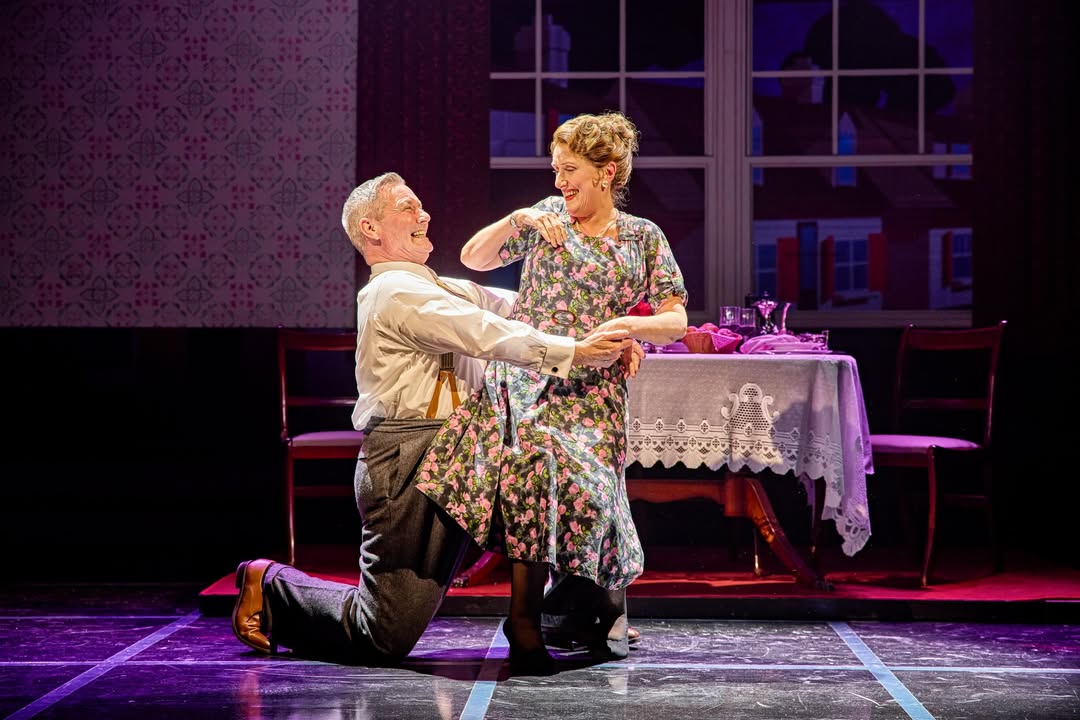
The access and ticket information page belongs in the same ecosystem, but it serves a different reader need. It covers venue and access details that could shape a visit. Groups or visitors with specific requirements should review current guidance and contact the official team if questions remain.

Music has its own destination too. The Sinatra: The Musical soundtrack page gives the production’s music a life outside the auditorium. This is a meaningful extension for readers interested in the arrangements and selected songs, though it is not a substitute for the staging or story. Someone who only wants to revisit the music can explore that page; someone choosing a night out should assess the full show and the practical visit details.
- For a date-led decision: compare the calendar and available seats on the official booking pages.
- For a practical visit: read the current Aldwych and access guidance before travel.
- For music context: use the soundtrack page as a separate companion to the live production.
A first visit makes most sense when the songs and story both appeal
There is a simple way to judge the fit: would you enjoy a theatrical narrative built around music you may already know? If yes, the show’s combination of catalogue and dramatic framing offers a clear reason to look closer. If your main interest is hearing Sinatra’s songs without a storyline, the soundtrack is the more direct official route, and the stage production may not be the format you want.
- Best suited to: readers who enjoy Sinatra’s catalogue and want it set within a theatre story.
- Less suited to: listeners looking only for a concert-style run of songs.
Our editorial view is that the brand’s clearest strength is its defined identity: one major artist’s catalogue, translated into a West End musical with official channels for booking, access and listening. That makes it easy for new readers to orient themselves. The limitation is inherent to the concept: a song-led story will appeal most when both the music and theatrical framing hold interest, and official summaries cannot tell every reader whether the full dramatic treatment will land for them.

Before planning a visit, check the official pages directly. Start with All Tickets to see the available performances, then compare the separate Premium Seats route if seat position is a priority. The official pages are the place to confirm details that can change between performances.
For practical arrangements, review access and ticket information. For musical context outside the auditorium, browse the soundtrack page. These pages answer different questions, from the booking decision to the theatre visit and listening experience.
Is Sinatra the Musical a good first introduction to the brand?
We recommend it as a starting point for readers drawn to Sinatra’s music who also want a staged story. The Premium Seats page is one official route to inspect. The best reason to care is the creative bridge between a familiar catalogue and a theatrical narrative, not an assumption that every song fan will enjoy every adaptation.
The honest caveat is that the show’s fit depends on your appetite for that narrative format; a soundtrack listener and a theatre-goer may want different things. Use the official visit information to plan practical details and consider the soundtrack as a separate entry point if you are mainly there for the music.
To explore the official production and its current options, begin with the official show, booking, access and music information.