
Personalised decor is easy to admire in a product grid and harder to judge once it meets a real wall, a busy child’s room or a tight decorating budget. I spent time researching Namly Design with that practical test in mind. The Australian storefront covers posters, wallstickers, tile stickers, contact paper, wallpaper, labels and small accessories, so the interesting question is not whether there is choice. It is whether the choice feels useful, distinctive and straightforward to buy.
My short answer is positive with caveats. Namly Design is strongest when you want a low-commitment room refresh or a genuinely personal gift. The range is broad, the children’s options are especially easy to browse, and the product pages make the intended use clear. On the other hand, prices can be configuration-led, imagery is not perfectly consistent across the shop, and a shopper wanting one tightly edited aesthetic may find the catalogue sprawling.
What the catalogue does well
The brand’s proposition is refreshingly tangible: customise the surface, choose the size or style, then use it to make an ordinary space feel considered. The homepage highlights free shipping over $99, fast delivery and a 100% satisfaction guarantee. Those are useful shopping signals, although I would still check the current delivery estimate and the final basket total before ordering, particularly for a time-sensitive gift.
- Personalisation: names, photos, dates, maps and themes give gifts a more deliberate feel.
- Room flexibility: wall decor, tile stickers and contact paper cover several renter-friendly refresh jobs.
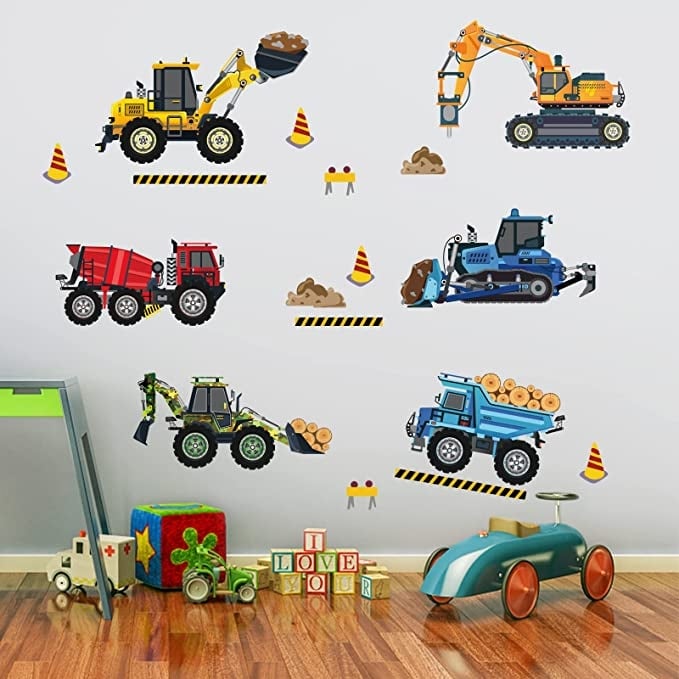
- Family focus: measuring sticks, playful animals, vehicles and space designs make children’s rooms easy to browse.
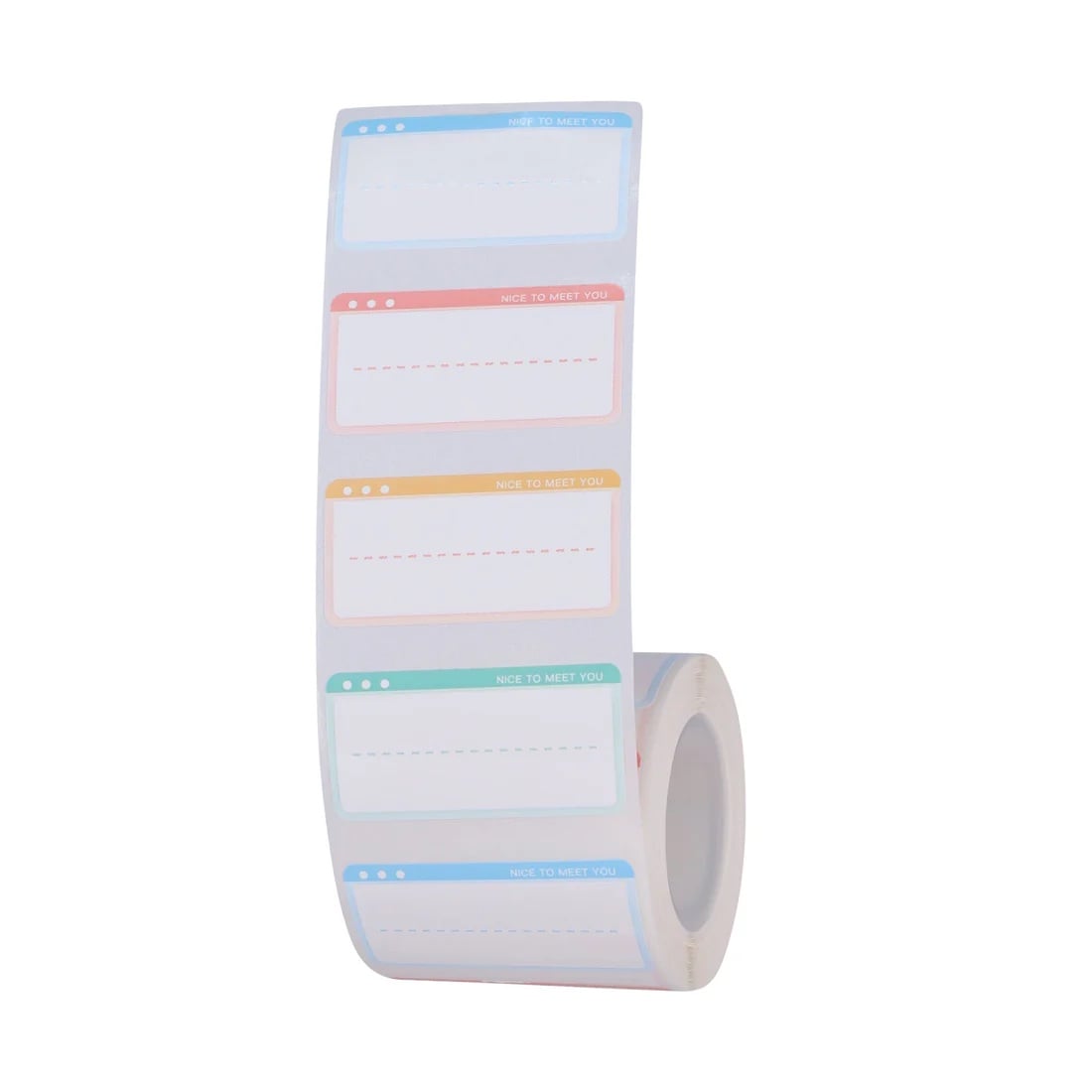
- Useful extras: name labels and Niimbot machines extend the idea beyond purely decorative purchases.
The experience is also more varied than a standard poster shop. You can move from personalised posters to wallstickers for children, then into tile sticker patterns or contact paper for a furniture project. That breadth is a strength for an exploratory shopper, though it makes a clear shortlist important.
Three products I would investigate first
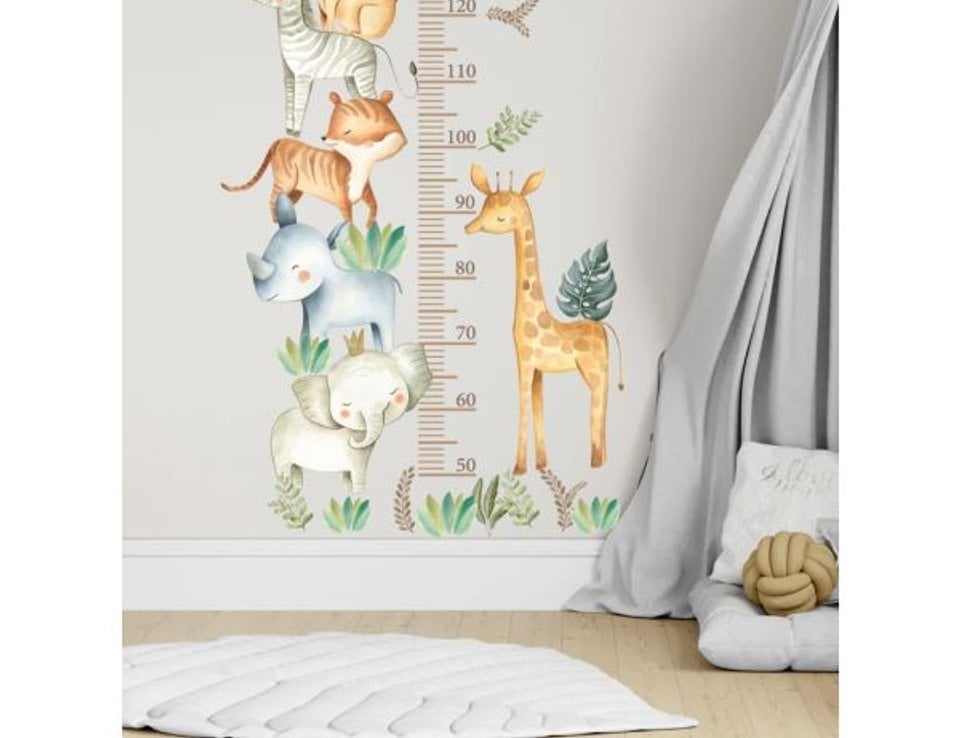
The most convincing products are the ones with an obvious use case. The Wallsticker – African Animals / Height Measure combines a playful animal scene with a growth chart, which makes it more useful than a purely decorative decal. The product page showed a price from around $50 during my review. I like that it can become part of a child’s routine, but measure your wall first and read the installation instructions carefully.
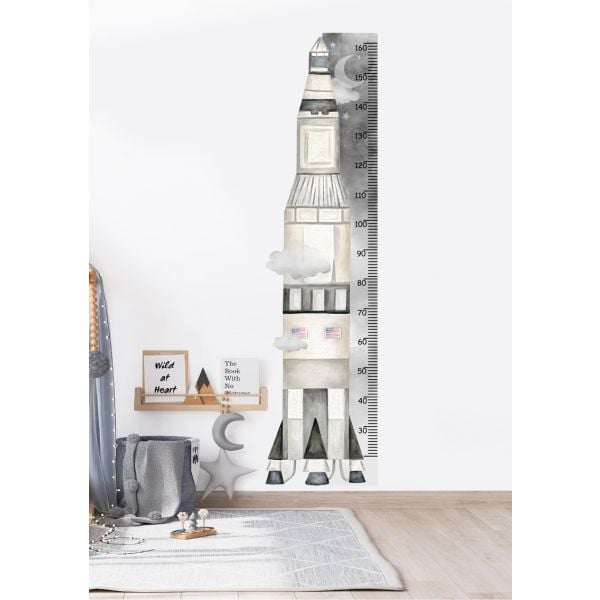
The Wallsticker – Height Measure / Joko Design Rocket takes the same functional format in a more focused direction. It suits a space-themed bedroom and should be easier to coordinate than a larger mural. The appeal is the simple visual story: a rocket, a height scale and a reason for children to look at the wall. It is a good example of decor with a second function, even though the final price depends on the configuration shown on the product page.
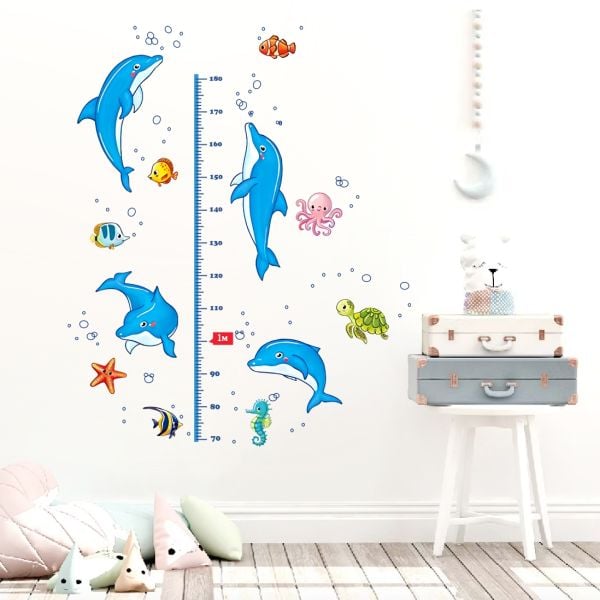
For a calmer room, the Wallsticker – Sea Animals / Height measure is the one I would compare next. It gives you a gentle underwater theme without committing to a full wallpaper treatment. The product photography makes the concept easy to understand, and the height-measure format gives the design a practical anchor. I would choose this over a generic nursery print if you want the wall to feel interactive rather than simply filled.
There is a notable change of direction in the Niimbot B21 Pro. It is a compact label maker rather than decor, but it makes sense for school supplies, pantry storage or a more organised home office. This is where the range feels commercially smart: name labels solve a recurring family problem, while a label maker supports repeat use. I would verify the included accessories and compatible tape before checkout, since the value depends on how often you will actually label things.
- Choose the room, surface and approximate dimensions before browsing designs.
- Shortlist one functional item and one purely visual item, then compare the delivered total.
- Read the personalisation fields, material notes and installation guidance before adding to cart.
- Leave time for delivery if the order is a birthday, nursery or moving-day project.
That process matters because personalised wall decor is less forgiving than an off-the-shelf cushion. A misspelled name, unsuitable surface or wrong scale can turn a charming idea into an expensive annoyance. The site gives you enough categories to research carefully, but the responsibility to check the details remains with the buyer.
The honest pros and cons
Pros
- Wide personalisation: the range supports meaningful gifts and tailored children’s spaces.
- Functional decor: measuring sticks and labels earn their wall or drawer space.
- Many formats: posters, decals, tiles and paper suit different levels of commitment.
- Clear starting point: the site has strong category navigation for family shopping.
Cons
- Catalogue sprawl: choice can feel overwhelming if you have no defined room brief.
- Price uncertainty: personalisation and size options mean the displayed starting price is not always the final one.
- Installation homework: walls, surfaces and alignment matter more than the polished product images suggest.
The imagery also deserves a measured note. Some product pages are beautifully clear, while others feel more like a large international catalogue. I would treat the photos as a design reference, not a guarantee that the colour will look identical in every room. Ordering a sample, where available, or checking the material information is sensible for a major wall project.
My verdict is that Namly Design is worth browsing when you arrive with a specific need: a child’s growth chart, a themed wall, a personalised photo gift or a labelling problem. The brand is less persuasive as a destination for someone seeking a tightly curated luxury interior edit. Its best ideas are practical, cheerful and customisable, and the weaker moments are mostly the predictable trade-offs of a very large range.
Before deciding, I would compare the exact product page, the personalisation preview, the material or fitting guidance, the current delivery estimate and the basket total. If those five checks line up, the result should feel more considered than a generic print and more reversible than a full renovation. That is a worthwhile niche, particularly for families setting up a room or shoppers trying to make a gift feel personal.
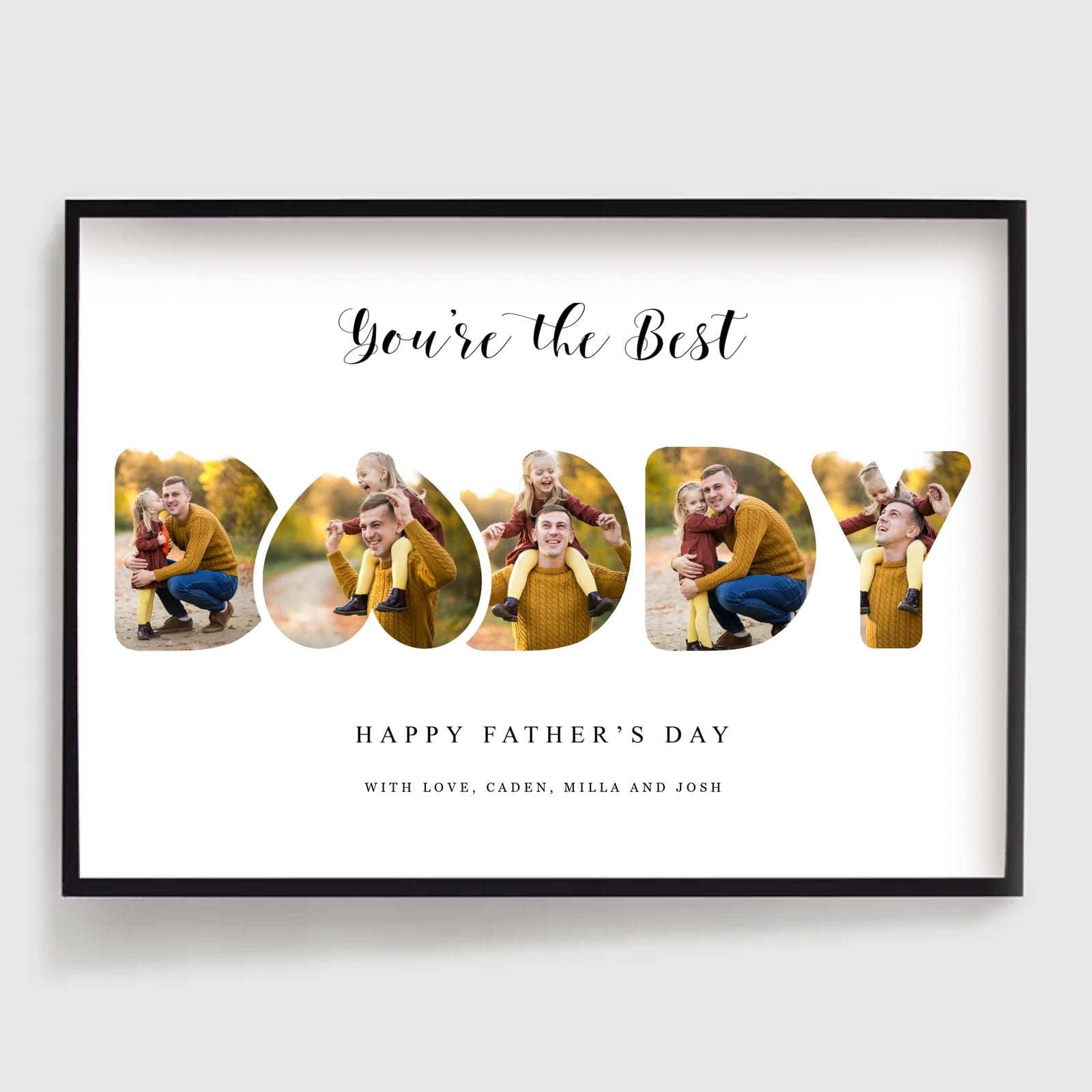
Evidence-led verdict: shortlist Namly Design’s personalised collection for functional children’s decor and custom gifts, but shop by exact use case and verify the final configuration before committing.