
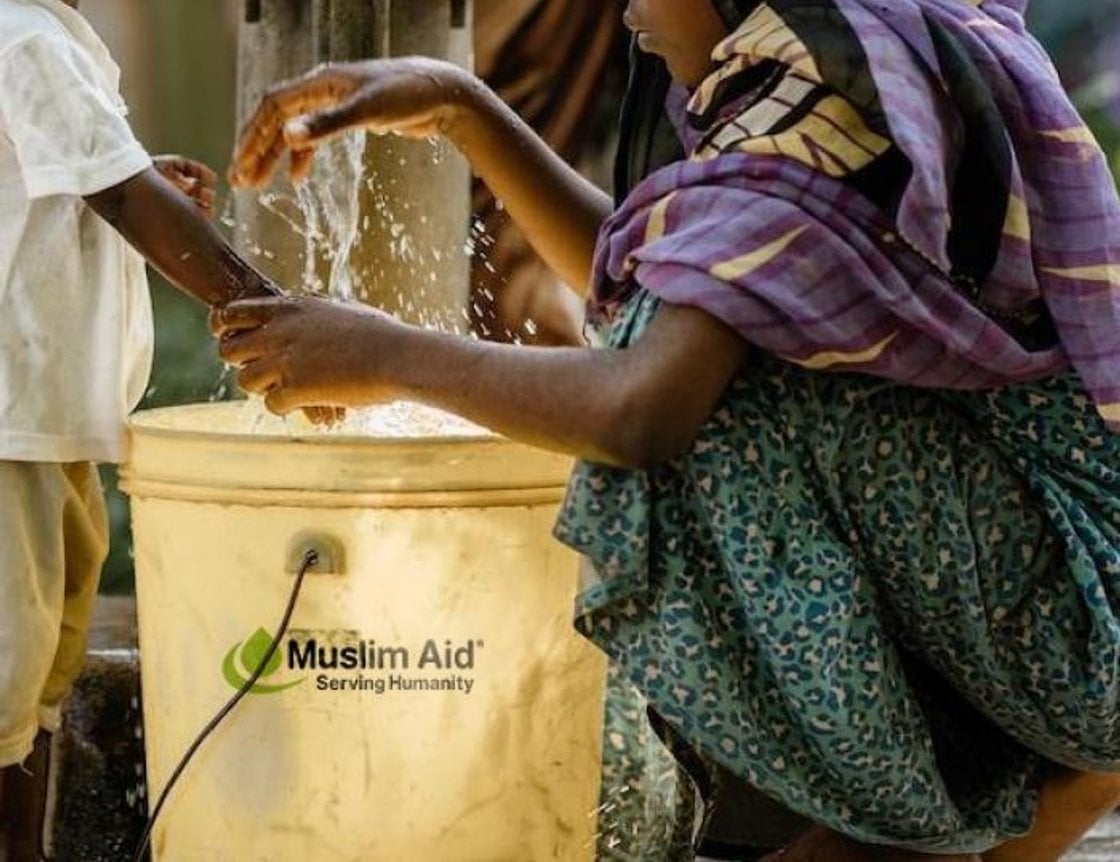
Some charitable giving experiences feel vague: choose an amount, press send, and hope it reaches a useful place. Muslim Aid takes a more tangible route with Give Water, Save Lives, a focused donation service that shows what different contribution levels could provide. The page is built around a simple idea, but the detail behind it is substantial: emergency family support, hand pumps, community water solutions and solar-powered wells.
For anyone who wants a donation to feel specific, this is the most compelling service I found on the Muslim Aid website. The appeal connects a familiar checkout journey with a clear humanitarian purpose, while the wider organisation brings experience in emergency response, poverty reduction and long-term development.
Heads-up: we earn a commission from some links in this article. It never changes the price you pay.
Give Water, Save Lives links donations to water interventions
The service is not a single physical product delivered to a donor. It is a menu of water interventions, with each level designed around a different use case. On the current page, a contribution could provide clean drinking water to a family in an emergency, while a larger contribution could support uninterrupted access to safe water for a vulnerable community.
- A contribution is positioned for immediate family water support during an emergency.
- A larger contribution is aimed at sustained access to safe and clean water.
- A contribution could fund a life-saving water hand pump for a community.
- A contribution supports water solutions in drought-affected areas.
- Larger contributions move towards a tap or a complete solar-powered water well.
That stepped structure is the service’s strongest feature. A smaller gift is not treated as insignificant, and a larger gift has a defined destination rather than a generic help-us message. I would still read the latest campaign wording before donating, because humanitarian priorities and suggested amounts can change, but the current water appeal page makes comparison unusually easy.
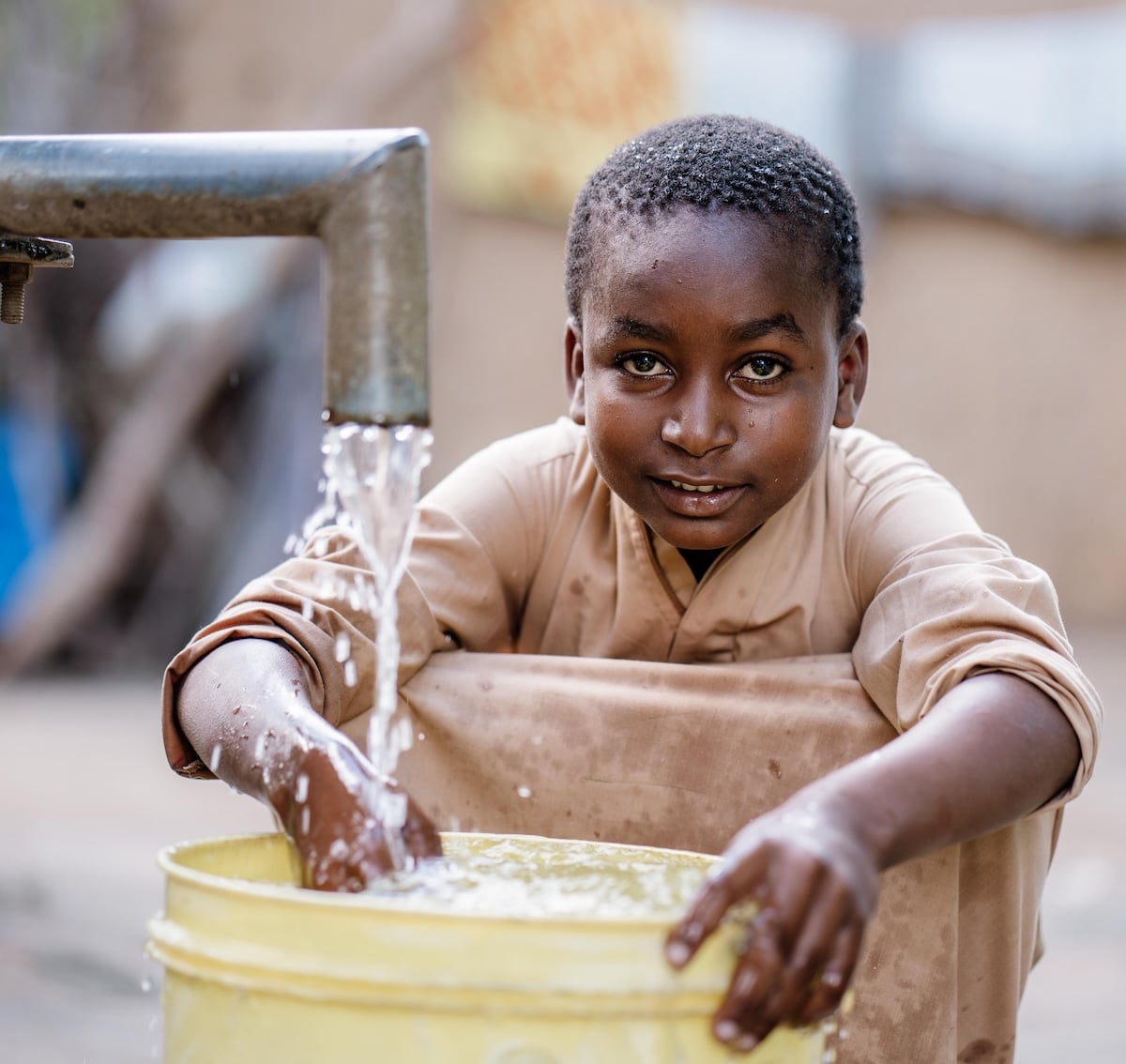
The visual story matters here. Clean water is infrastructure, not just an emergency parcel. Muslim Aid says its water programme uses WASH work, water pumps, solar-powered stations, rainwater harvesting and wells across different countries. That breadth makes Give Water, Save Lives feel more like a flexible impact service than a one-off seasonal collection.
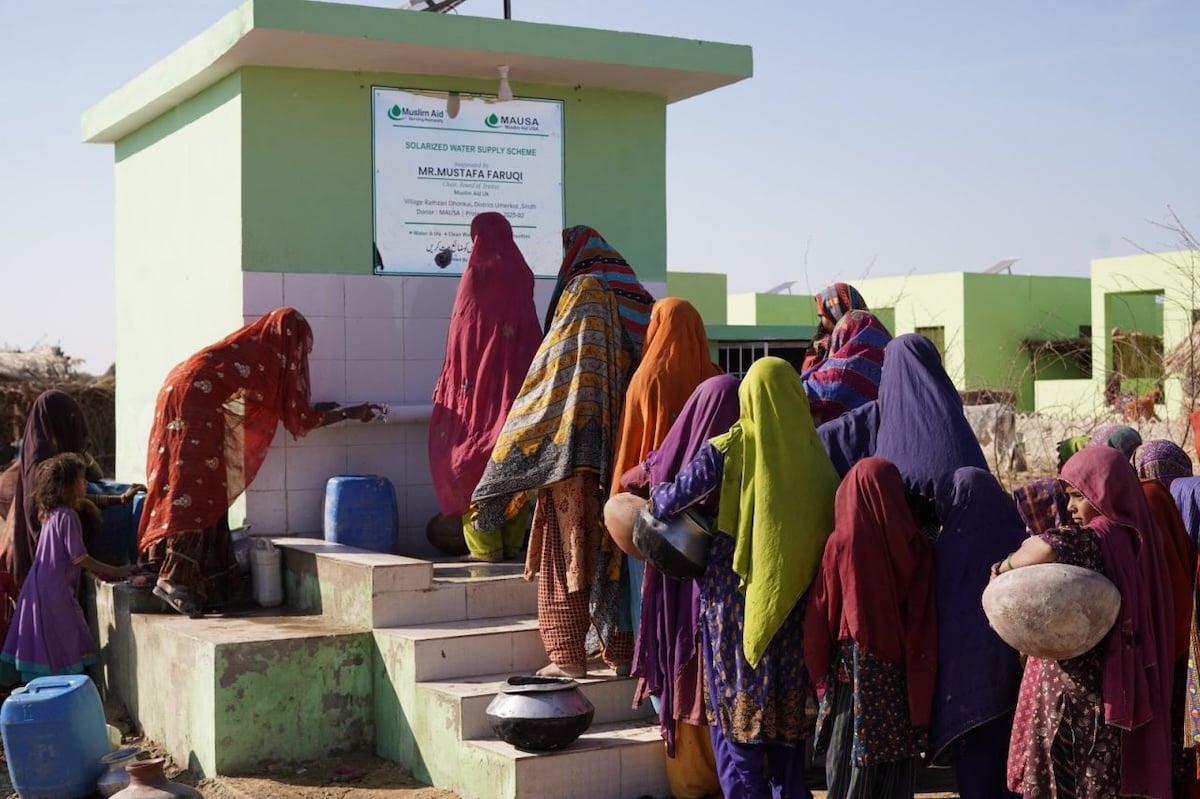
The solar-powered Water Well serves remote locations
The most distinctive option is the Water Well route, especially the solar-powered well. Muslim Aid describes these wells as a sustainable solution for remote and off-grid locations. Solar power helps extract water without relying on fuel or a conventional electricity supply, which is a meaningful practical detail when a project needs to keep serving people beyond the first delivery.
This is also where the service becomes relevant for different kinds of donors. A gift suits someone responding to an immediate crisis. A hand pump or well may appeal to a family making a larger Sadaqah Jariyah gift in memory of someone. The page also lets donors select options such as Sadaqah, Zakat or general donation, which makes the buying experience feel considered rather than one-size-fits-all.
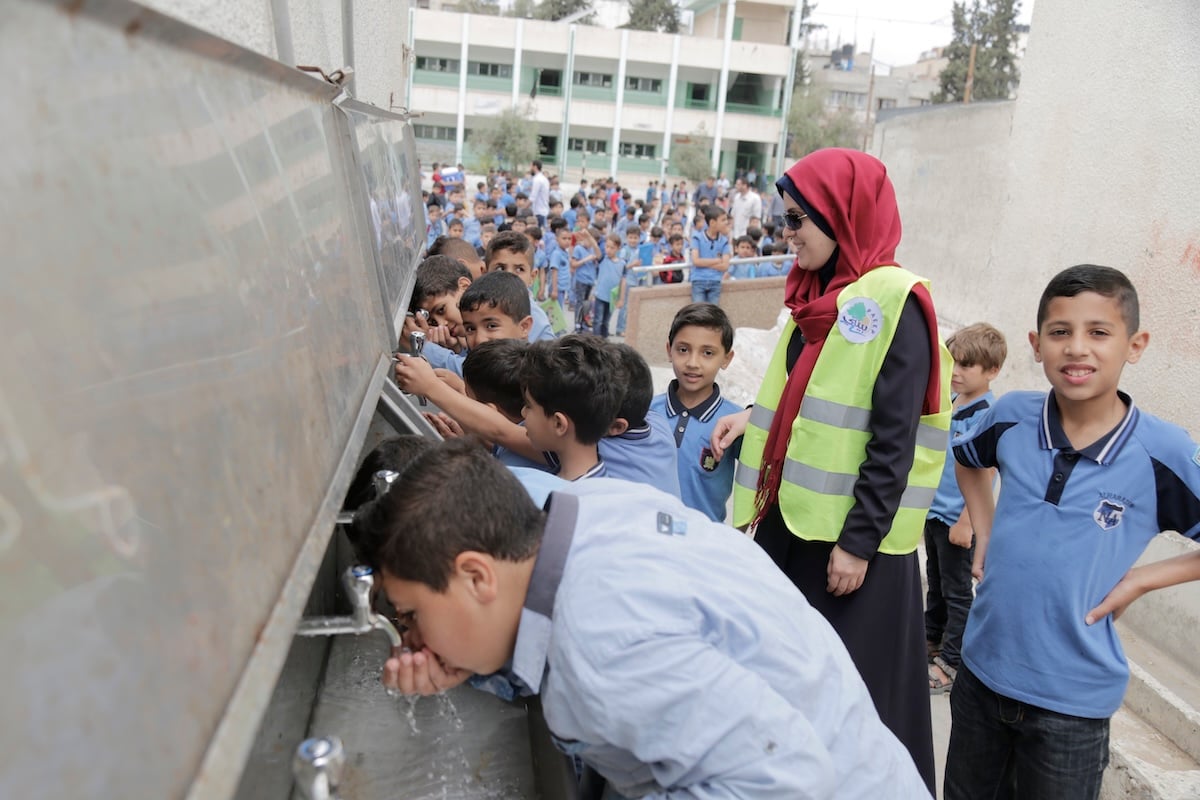
In practical terms, the donation flow is straightforward. You choose a payment pattern, select an amount, choose the giving type where available, and continue through the secure checkout. Before confirming, I would check the currency, campaign description and whether the amount is a suggested contribution or a fixed project cost. That small pause is part of a good Muslim Aid donation experience, particularly when the goal is to give with intention.
- Open the Give Water, Save Lives page.
- Select a single or regular payment option.
- Choose a visible amount or enter another value.
- Select Sadaqah, Zakat or general donation if offered.
- Review the campaign and complete the checkout.
Give Water, Save Lives defines a physical outcome
Give Water, Save Lives is the clearest fit if the donor wants a defined physical outcome. The Child Sponsorship programme is a longer-term relationship-centred service, while the Zakat Appeal is the more natural destination for someone calculating an annual religious obligation. All three sit within the same wider Muslim Aid ecosystem, but they answer different emotional and practical questions.
- Choose Give Water, Save Lives for a clear water access outcome.
- Choose Water Well for a substantial, lasting community project.
- Choose Child Sponsorship when ongoing child support is the priority.
- Choose Zakat Appeal when your donation is specifically Zakat.
The supporting context is reassuring without taking over the story. Muslim Aid is a British faith-based international charity, and its wider work spans disaster response, healthcare, education, food security and livelihoods. That network matters because water projects rarely exist in isolation: hygiene, health, drought resilience and household stability all shape whether clean water creates lasting change. You can also browse the wider Muslim Aid appeals before choosing.
For a broader comparison, the Child Sponsorship service offers a relationship-led route, while the Zakat Appeal is organised around a distinct giving purpose. Those options make the water service easier to place within the organisation’s full range.
There are two details I would keep in mind before checking out. First, the suggested impact language is careful: phrases such as could provide describe an intended use, not a personal guarantee that one donor’s exact pounds will be tracked to one household. Second, amounts and active appeals can change. For the latest choices, the safest route is to review the live water service immediately before giving.
The service also makes gifting feel personal. A solar-powered well can be given in memory of a loved one, a smaller emergency amount can mark a Friday act of generosity, and a regular gift can turn an intention into a habit. That flexibility is why I would recommend the service to a first-time donor who wants a clear entry point, as well as to an experienced giver looking for a more lasting project.
Which water intervention matches your intention?
Muslim Aid Give Water, Save Lives is compelling because it makes an abstract act feel legible. The page offers visible contribution levels, explains several real interventions and gives the donor room to match the service to their intention. The standout choice is the solar-powered Water Well, but the family support option is just as important: it keeps the service accessible when a donor has a modest budget.
If your priority is clean water, practical impact and a donation journey that tells you what your contribution could support, this is the Muslim Aid service I would open first. Check the current campaign details, select the amount that feels responsible, and let the purpose of the gift lead the decision.
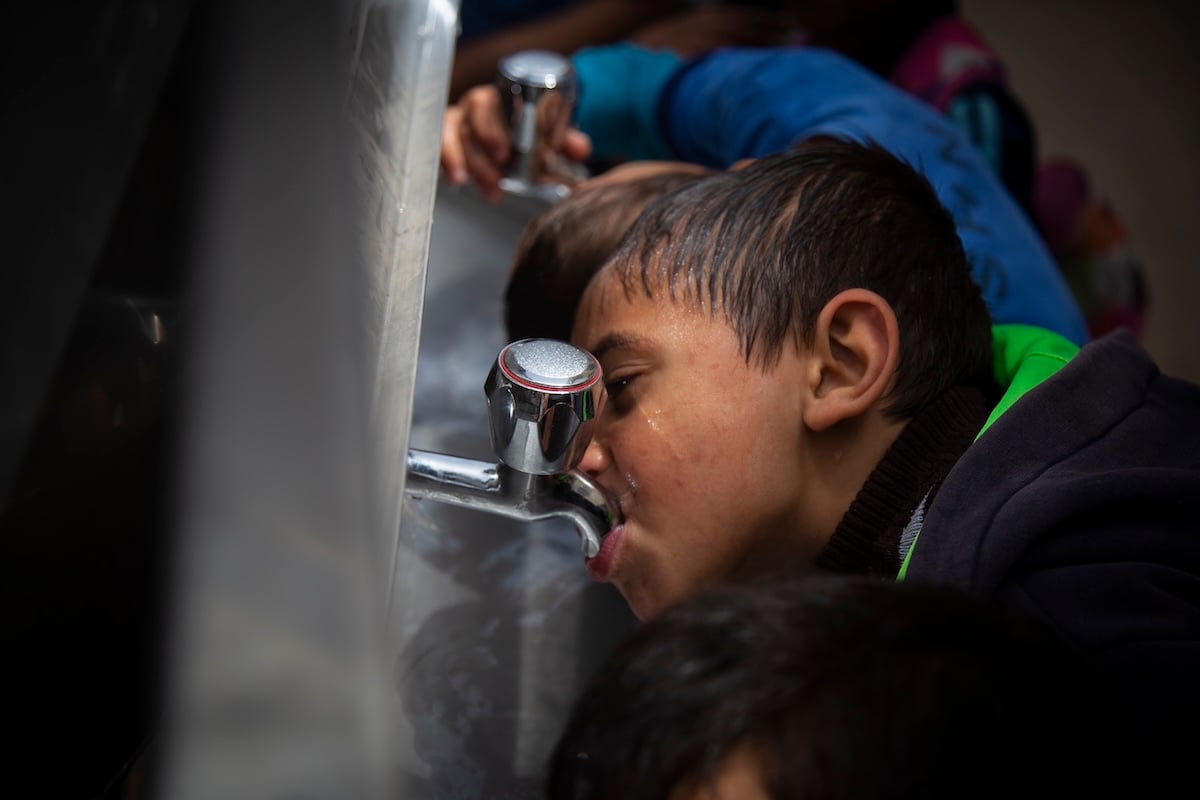
That balance is the reason the service feels useful at several giving levels: one person can respond today, while another can help fund a solution designed to keep working.
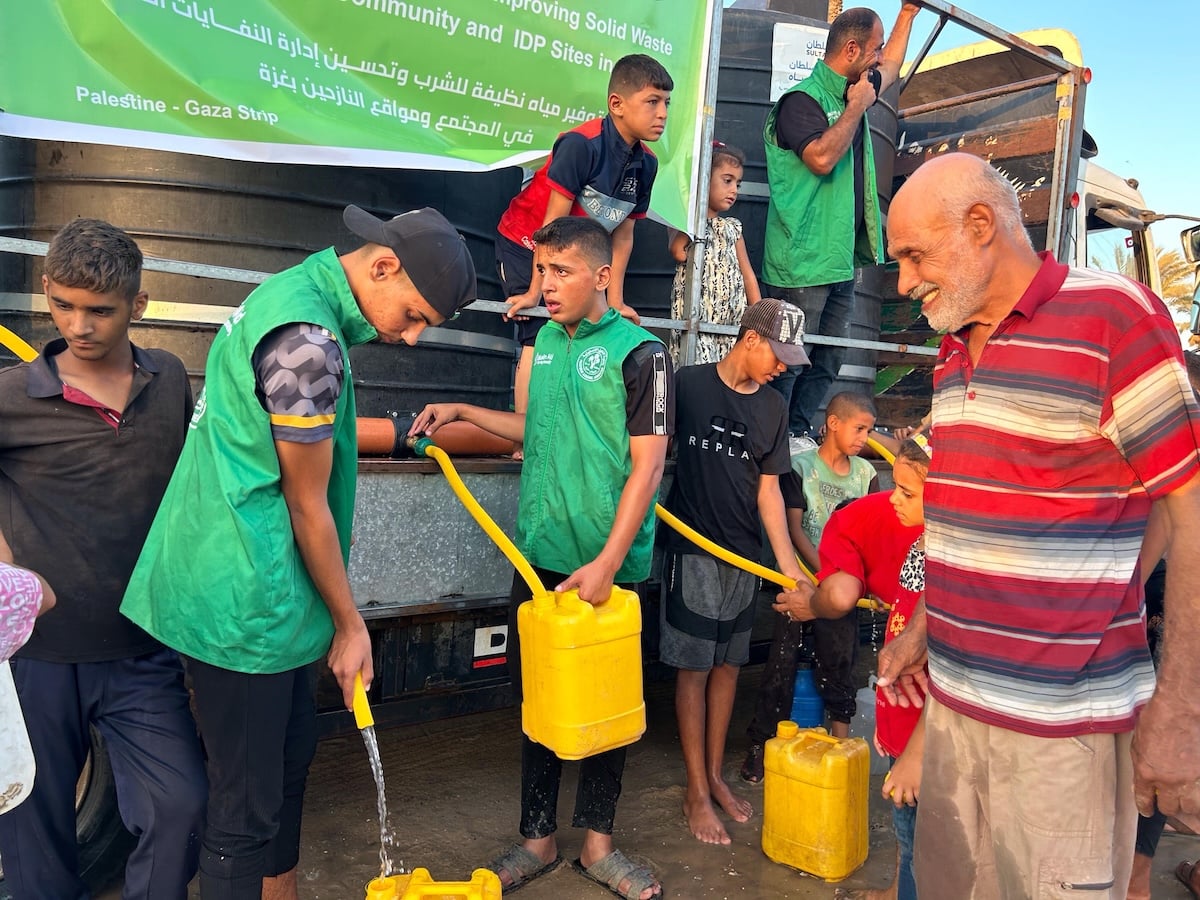
For the most current availability and giving amounts, visit the official water service page and make your choice from there. If you are considering a larger project, review the Water Well details first.