
Learn how the Royal Shakespeare Company shaped the story for the stage, what defines its creative identity and where first-time readers can compare official performance formats.
For a first-time visitor, the name Matilda carries both a familiar story and a distinctive stage identity. The official UK production brings Roald Dahl’s sharp, self-possessed heroine to the Cambridge Theatre, while the creative team gives the tale a musical language of its own.
That combination of story, sound and stagecraft shapes a musical about a child claiming agency, with official options for different ways of following a performance. We have reviewed the official show information and performance pages, not attended or tested the production.
Heads-up: we earn a commission from some links in this article. It never changes the price you pay.
What you need to know
- RSC production: an adaptation inspired by Roald Dahl, with a book by Dennis Kelly and original songs by Tim Minchin.
- Creative identity: the show connects a mischievous school story with themes of imagination, courage and self-determination.
- Official performance range: Chilled, Relaxed, Captioned, BSL interpreted and Audio Described formats are listed for the London production.
- Access resources: the site provides visual and sonic stories, plus touch tours ahead of Audio Described performances.
The RSC gives Dahl’s story a musical point of view
The brand’s foundation is a collaboration across disciplines. The Royal Shakespeare Company produces the musical; Dennis Kelly wrote the book; and Tim Minchin created its original songs. That matters because the stage version does more than reproduce a well-known plot. Adaptation is the point. It can shift between a child’s imaginative scale and the imposing world adults have built around her.
The official show story describes Matilda as an extraordinary girl with a vivid imagination and a sharp mind, who dares to change her own destiny. The premise gives the musical a clear emotional centre: intelligence and resourcefulness become forms of action. Readers new to the title can read the official background before deciding whether the tone suits their group.
The official synopsis foregrounds both Matilda’s wit and resolve, giving readers a sense of the show’s story tone before they book. The child remains the agent, and the grown-up world supplies much of the comedy and friction. For deeper background, the creative team page identifies the people shaping the current London production.

The creators’ roles make a practical distinction for readers: the story comes from Dahl, but the musical’s voice belongs to its stage collaborators. The official about page traces the show’s development, while the cast and creative listing is the place to check current company details.
Design and performance make the school world vivid
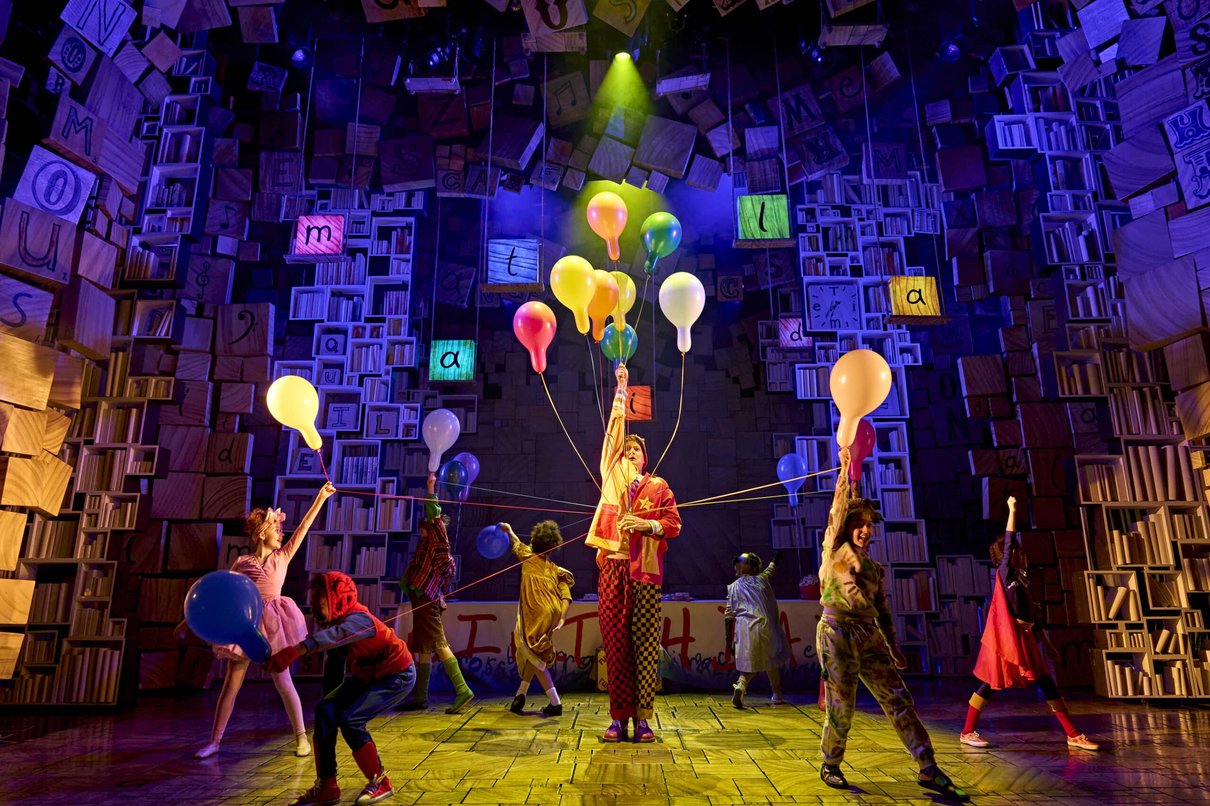
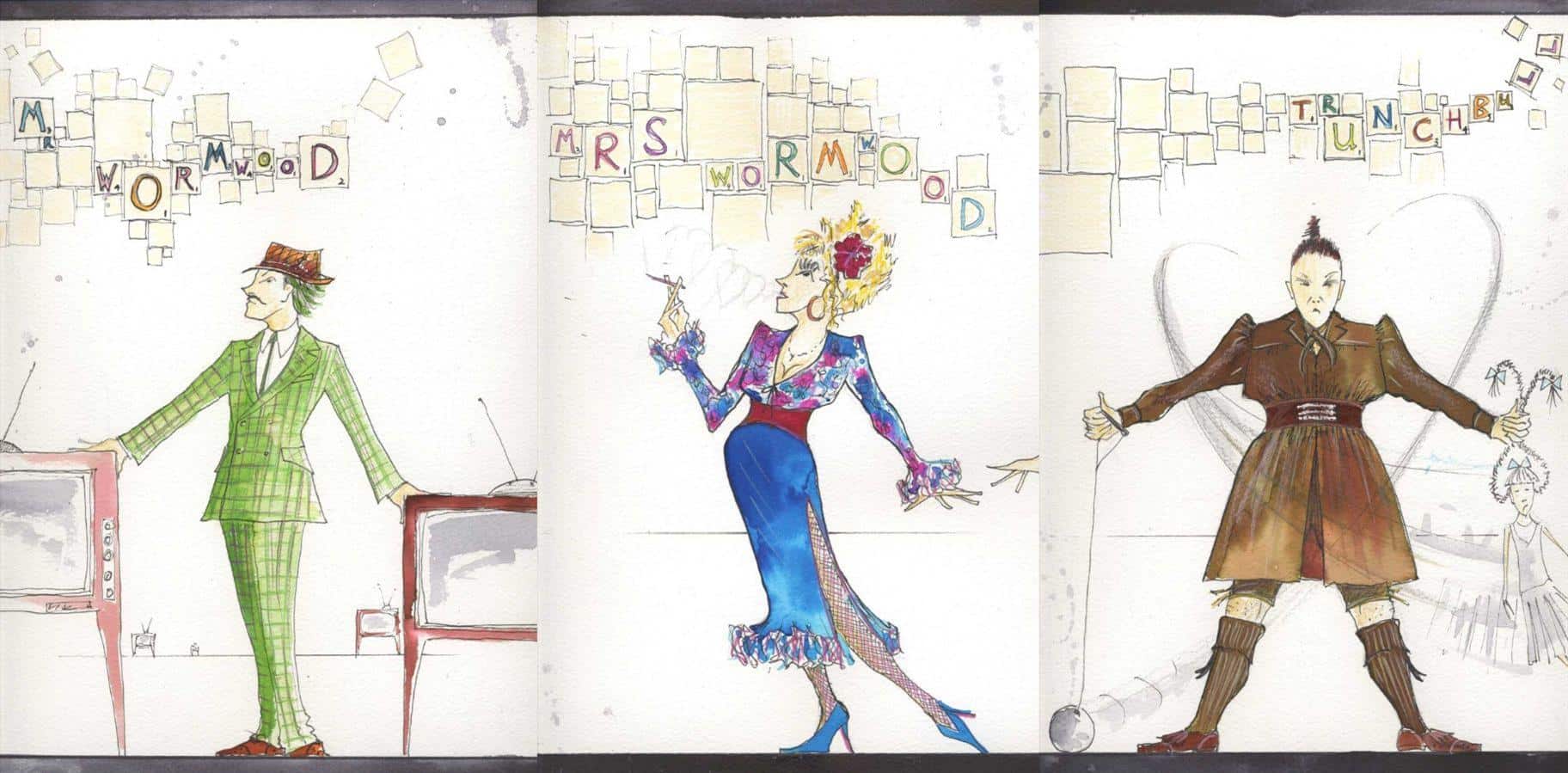
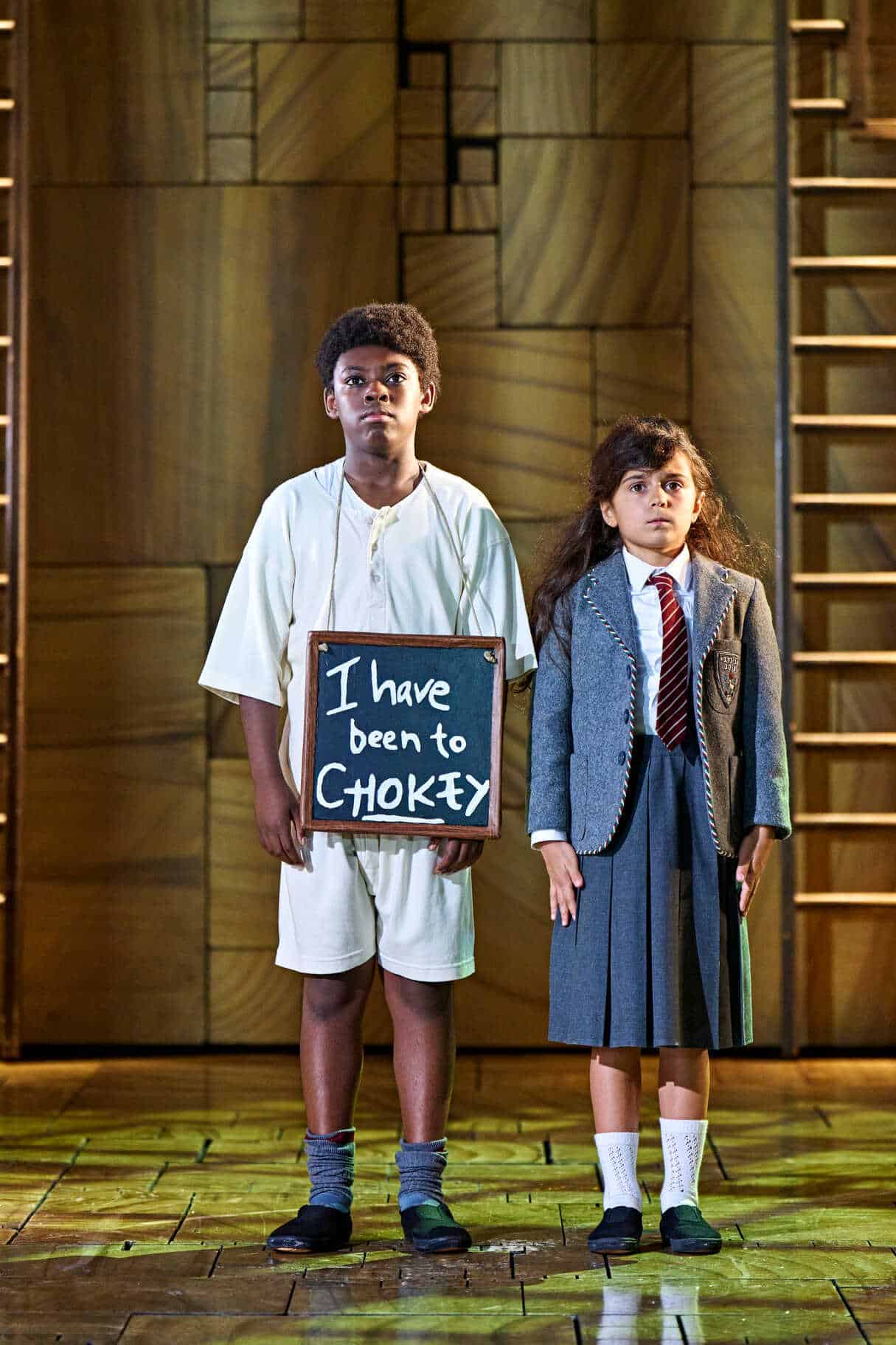
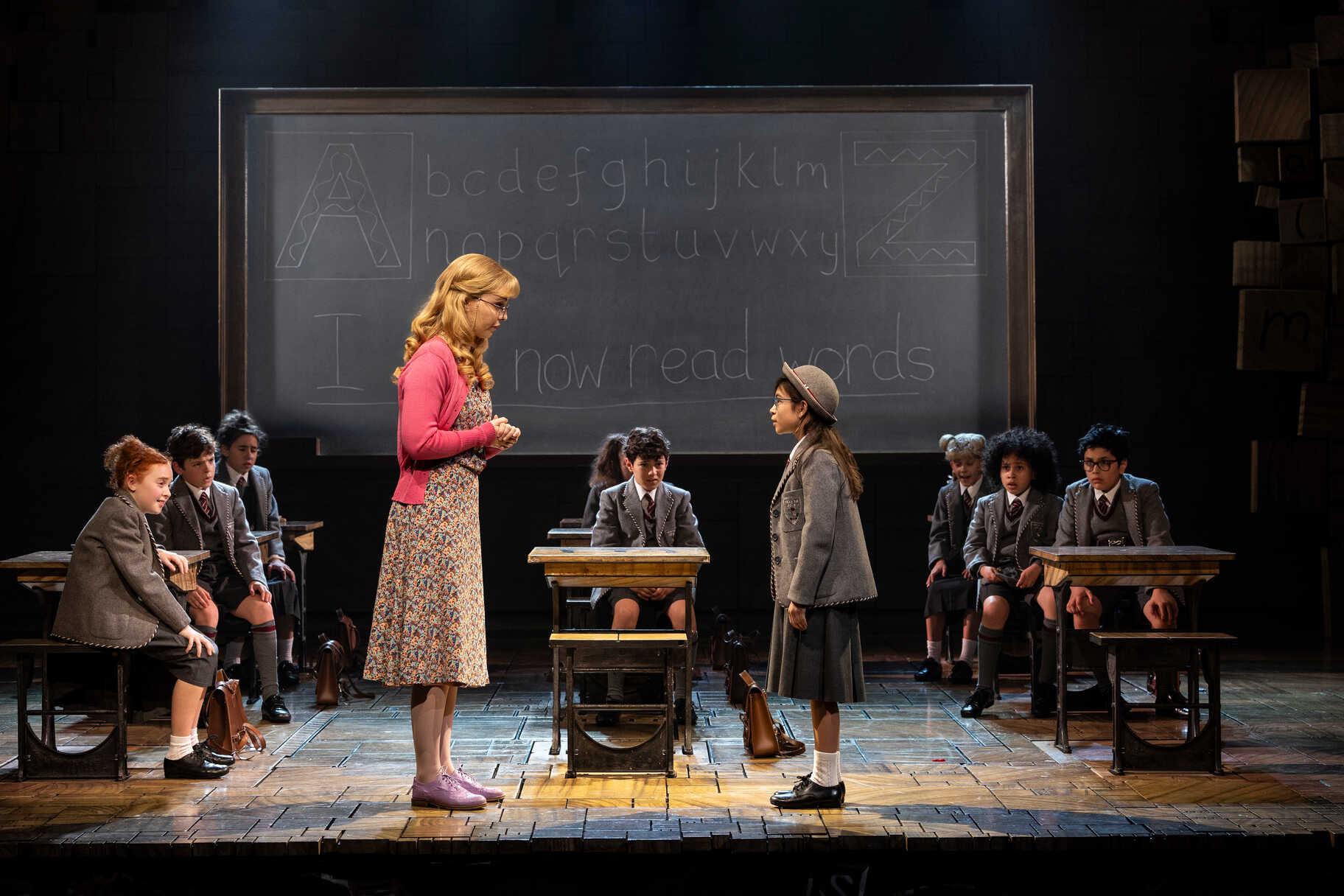
Matilda’s setting gives the production a strong visual framework: school rules, uniforms and imposing authority sit alongside the heroine’s private imagination. The official history points to design as part of that world-building, with Rob Howell credited for the show’s design. His original costume sketches offer a useful glimpse at how characters and institutions can be distinguished before a line is spoken.
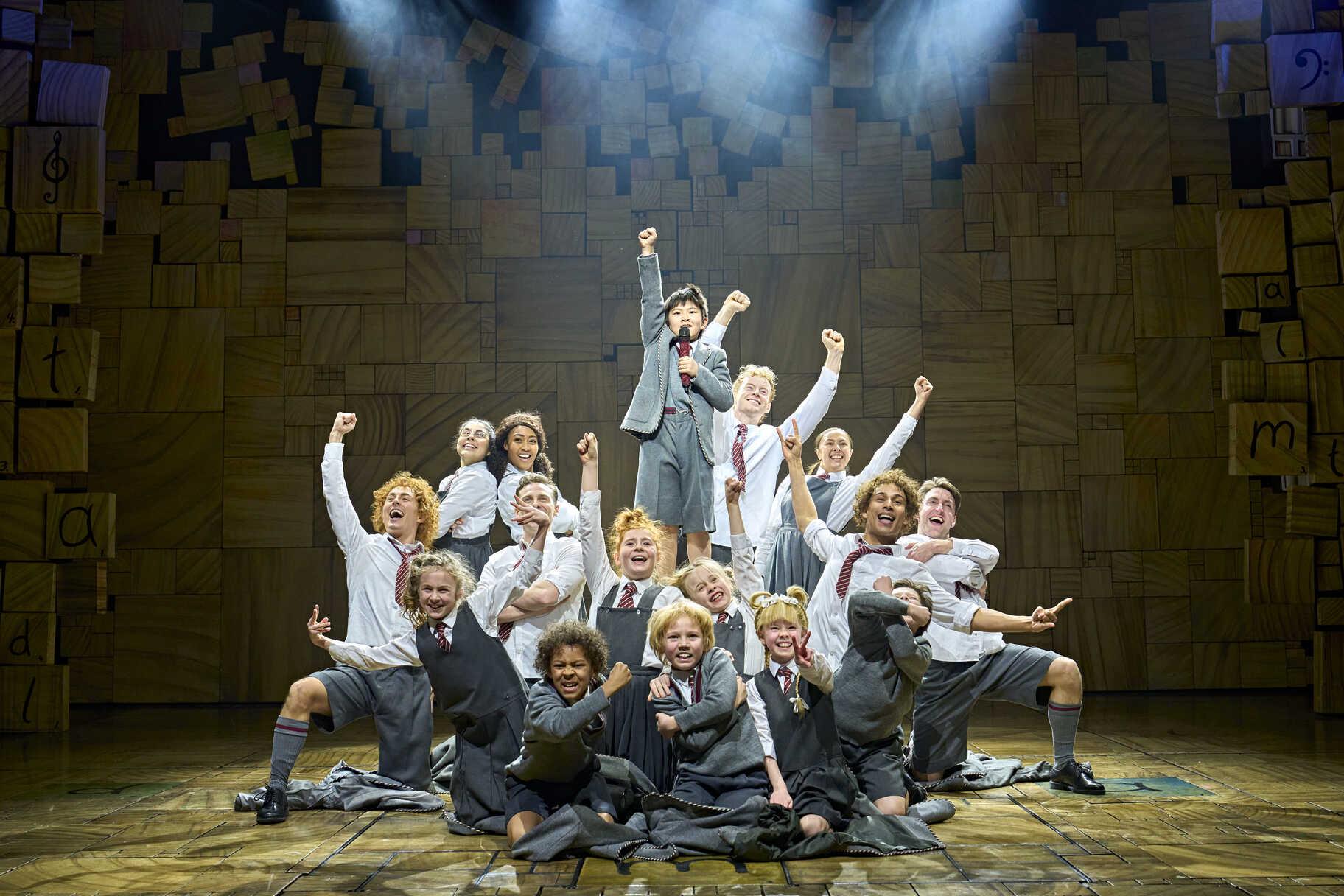
For a new reader, this is one reason the brand has a wider identity than its source material alone. Books, songs and stage design work together to make the story legible in a live room. The official production gallery collects visual material, and the show history explains how the musical reached the stage.
The practical caveat is that a gallery cannot tell a reader exactly how a particular performance will feel from their seat. Seating still matters. It does, however, help set expectations about the production’s theatrical style. Explore the official image gallery for more production photography, or the official background for the creative context.
Official performance formats support different audiences
The official site describes several distinct formats, each with a different audience support. The site distinguishes formats by the kind of support they provide, rather than presenting them as interchangeable. A Chilled Performance takes a more casual approach to noise and movement, and audience members can leave and re-enter the auditorium. The show itself remains unchanged.
A Captioned Performance displays character names and dialogue on screens beside the stage, including sound effects. A Audio Described Performance adds spoken commentary through a headset; the page also notes touch tours before these performances. For BSL interpreted shows, the theatre advises contacting the box office about a seat with a clear view of the interpreter.
Relaxed performances loosen the auditorium atmosphere and may adapt elements such as loud sounds or music. The official assisted performances page explains these distinctions and lists visual and sonic stories to help prepare. Readers can compare the Chilled format with the Captioned format and see which addresses their specific access preference.
These are concrete offerings within the brand, not separate productions. The official page specifically says the Chilled format leaves the performance unchanged; the other formats describe distinct access supports. The official pages for Chilled, Captioned and Audio Described performances are useful starting points; the broader accessibility overview gathers the options together.
- Choose Chilled if flexibility around noise, movement or leaving the room is helpful.
- Look at Captioned or BSL interpreted performances if visual language support is the priority.
- Check Audio Description and its touch tour if spoken scene-setting and tactile orientation would help.
- Read the production’s content advisory and age guidance before selecting a date.
Dates, availability and seating conditions can change, so the performance page and booking flow should settle the final choice. Confirm current dates, content notes and access details on the official pages before booking. The official ticket information is the appropriate next step once a format and date are in mind. For an access-specific booking, the site directs readers to the box office rather than assuming every need is handled in the same way.
The Cambridge Theatre anchors the London experience
The production’s setting is part of the brand story. The official show is staged at the Cambridge Theatre in London’s West End, and the website gives venue access notes alongside performance information. Those notes describe steps between levels in the auditorium, so anyone planning around mobility should check the theatre details directly.
This is where a familiar title becomes a specific outing. The official ticket page links the show to the London booking route, while the accessibility page covers venue and performance information. Readers should check both because a suitable performance format and a suitable seat are related but different decisions.
For families, the official content advisory is also relevant. It notes flashing lights, lasers, loud sound effects, popped latex balloons and stage haze, and gives age guidance. That level of detail helps a first-time reader decide whether the production’s theatrical effects fit their audience. Check the official FAQs and performance notes before booking.
Is Matilda the right West End show for a first visit?
Matilda may suit first-time visitors drawn to clever storytelling, a recognisable literary source and a production whose official site describes audience supports. Its RSC lineage and creative team give the show a distinct stage identity, while the official format range makes it easier to investigate the experience that may suit a particular group.
The limitation is that no brand overview can guarantee an individual response to the show’s sound, effects or theatre layout. Read the content advisory, compare the formats and confirm current dates and access details on the official site. If the story and support options fit, the Cambridge Theatre production is a considered choice to explore.