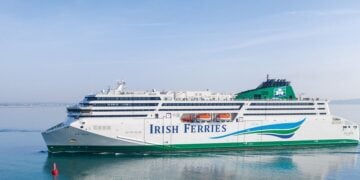


Irish Ferries UK is easy to reduce to a transport booking, but that undersells the real offer. The company combines ferry crossings, route planning and holiday packages, so the useful question is not simply whether it gets you over the water. It is whether the whole trip feels easier once the car, sailing time, fare type and destination are considered together. I reviewed the current route pages, special offers and holiday options with that question in mind. My short answer is positive, with one important caveat: prices are sailing-specific, so the headline fare is a starting point rather than a promise.
Heads-up: we earn a commission from some links in this article. It never changes the price you pay.
Irish Ferries UK connects road trips and short breaks
The first strength is breadth. Irish Ferries covers Dublin to Cherbourg, Dover to Calais and other Ireland to Britain links, which means the brand can suit a proper road trip as well as a short break. The second is the ability to keep the car with you. That is more expensive than a flight when travelling alone, but it becomes persuasive for families, pet owners and anyone carrying outdoor equipment.
- Route choice across Britain, Ireland and France
- Car travel with luggage, bikes and family equipment
- Fare options that can reward flexibility or advance planning
- Holiday packages that connect the crossing to a destination
There is also a practical advantage in the information architecture. Route pages show sailing choices, port information and booking pathways in one place, while the Irish Ferries special offers page gathers fare promotions and extras. I would still read the terms carefully because availability, travel dates and vehicle restrictions can change the apparent value. That is the difference between a useful deal and a deal that does not fit your trip.
Irish Ferries routes suit different France journeys
For an Ireland to France journey, Dublin to Cherbourg ferry is the obvious starting point. The route is built for travellers who want to take a car into Normandy and continue at their own pace. The page does not present one universal price because the fare depends on dates, passengers, vehicle and cabin choices. That is fair, but it means you need to enter a real itinerary before deciding whether it beats flying.

For Britain to France, the Dover to Calais day return is the sharper value test. Irish Ferries advertises a fare for a car and up to five people on selected days, with a higher price on other days. This is genuinely attractive for a short shopping or food trip, but the restrictions matter: it is a return product, it has a tight duration, and it is subject to availability. I would compare the exact sailing times before treating it as a bargain.
The third option is not a route but a fare decision: Flexi+ fare information. Irish Ferries describes Flexi+ as its most flexible fare, although it is not available on every route. For a fixed school-holiday plan, Economy may be enough. For a trip with uncertain work dates, the premium can be a sensible form of insurance, provided the amendment rules genuinely match your needs. Flexibility has value only when you use it.

My fourth shortlist pick is Eurocamp Holiday Parks with Irish Ferries. This shifts the brand from ferry operator to holiday organiser. The product is useful for families who want accommodation and a route in one search, and it opens up a different kind of value calculation: fewer separate bookings, more choice of park, and the convenience of taking a car. The downside is that package pricing needs more careful comparison than a single crossing.
- Start with the destination and dates.
- Compare the route with the vehicle and passenger count included.
- Check the fare conditions before adding flexibility.
- Price cabins, accommodation and extras as one trip total.
Irish Ferries onboard comforts make crossing time useful
The crossing itself is where Irish Ferries can feel more generous than a short flight. A seat, a meal, a cabin or a lounge can turn dead travel time into a reset. The company promotes onboard shopping, dining and cabin choices, but I would frame these as comfort upgrades, not automatic essentials. On a day sailing, a good seat and a realistic meal budget may be enough. On an overnight or longer crossing, a cabin can make the entire arrival feel less tiring.

The special offers section is worth checking for extras such as Speedy Exit on the Ireland to France service. That kind of add-on is a small but logical purchase if you are travelling with children or trying to make a tight onward drive. I would not add it by habit, but it is the sort of detail that can have a disproportionate effect on a busy arrival.

There are trade-offs. Ferry travel is slower, the best fares may be tied to specific dates, and port arrival adds a layer of planning that airports hide behind check-in screens. Families should also price the total rather than the headline. Add the car, cabin, meals, parking and transfers, then compare that number with flights and local car hire. The honest advantage is control, not always the lowest ticket.
Irish Ferries suits car travellers seeking flexible journeys
Pros: route variety, car-friendly travel, meaningful holiday-package options, and useful add-ons for comfort and timing. The Dublin to Cherbourg route is especially compelling for a France road trip, while the Dover to Calais route gives Britain-based travellers a direct alternative for a short break.
Cons: fare conditions can be easy to skim past, route availability changes the calculation, and the lowest advertised prices are not a universal benchmark. I also think solo travellers with no need for a car should compare the full journey with a flight. Irish Ferries earns its strongest case when the crossing solves several problems at once: luggage, family logistics, a pet, a vehicle and the desire to arrive with your own transport.

My final booking checklist is simple:
- Check the exact sailing and port before comparing prices.
- Include the vehicle, passengers, cabin and meals in the total.
- Read Economy, Flexi and Flexi+ conditions in full.
- Look at special offers only after confirming they fit your dates.
- For packages, compare accommodation quality as well as price.
Irish Ferries UK is not a magic solution for every journey, but it is a well-rounded option for travellers who value space, control and a car at the other end. My verdict is worth shortlisting, especially for families, road trippers and anyone building a France break around more than the flight time. Start with the route, then let the fare and onboard extras earn their place in the budget.

If the route, dates and total cost line up, the next step is to compare the live options rather than rely on a generic headline. That is where Irish Ferries is most useful: it lets you shape the crossing around the trip you actually want to take.