


Ferry travel is one of those purchases that looks simple until you price the car, the cabin, the pets, the bags and the awkward return date. I spent time comparing the public route information, ship pages, cabin details and onboard facilities for Irish Ferries to see whether the experience earns its familiar reputation. This is an independent review of what is actually offered, where the service feels considered, and where the small print deserves attention. Start with the booking page and the route information before judging the headline fare.
The short version: Irish Ferries is strongest for flexible, car-friendly trips between Ireland, Britain and France. The ships offer more breathing room than a flight, and the best cabins turn a crossing into part of the holiday. But fares vary by sailing, facilities can be seasonal, and an advertised upgrade is not the same as a guaranteed bargain. I would compare current sailing prices with fare conditions in the same session.
Irish Ferries makes car travel practical
The proposition is practical rather than flashy. You can take your own car, bring a larger amount of luggage, and arrive with the road trip still in front of you. The core network covers Ireland-Britain, Ireland-France and Britain-France options, while the Ferry & Rail product adds station connections when driving all the way is not the plan. In my view, that makes the brand most useful for families, dog owners, and travellers carrying more than a cabin bag. The Ireland routes and France routes are the sensible starting points.
- Car-first convenience: drive on, unpack once and keep your own transport at the destination.
- Choice onboard: cabins, reserved seats, lounges, restaurants, cafés, cinemas and outdoor decks vary by ship.
- Pet-aware planning: selected routes include pet cabins and dedicated arrangements, subject to availability and booking rules.
- Fare flexibility: Flexi options can help when plans may move, although terms and fees still matter.
It is also worth separating a route from a ship. The same brand can feel quite different depending on whether you book the compact Dublin Swift, a conventional car ferry, or one of the larger France vessels. I would check the named ship before paying for an upgrade, then read the fare terms and check-in guidance rather than relying on a headline offer.
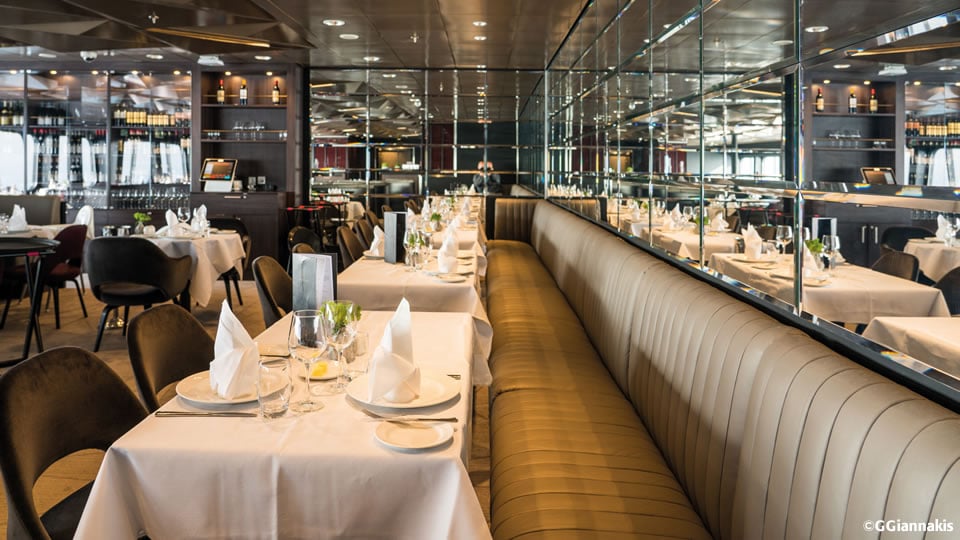
W.B. Yeats adds comfort to longer crossings
W.B. Yeats: the comfort-led choice
For a longer Ireland-France crossing, W.B. Yeats is the ship I would investigate first. Its page lists cabins, panoramic salons, Boylan’s Brasserie, Café Lafayette, the Lady Gregory restaurant, family spaces, cinema areas and the Innisfree Club Class Lounge. The 4 Bed Window Cabin includes air conditioning, an ensuite shower, a 32-inch TV and a mix of lower and pull-down beds, which sounds genuinely useful for a family rather than just decorative. Compare the W.B. Yeats facilities with the cabin choices before adding extras.
Club Class is the more interesting upgrade: the site describes sea views, complimentary soft drinks, tea, coffee, snacks, newspapers and priority Wi-Fi. It offers an upgrade on Dublin-Cherbourg, subject to availability, so check the current price before booking. See the W.B. Yeats page when the crossing length makes a cabin or lounge materially valuable.
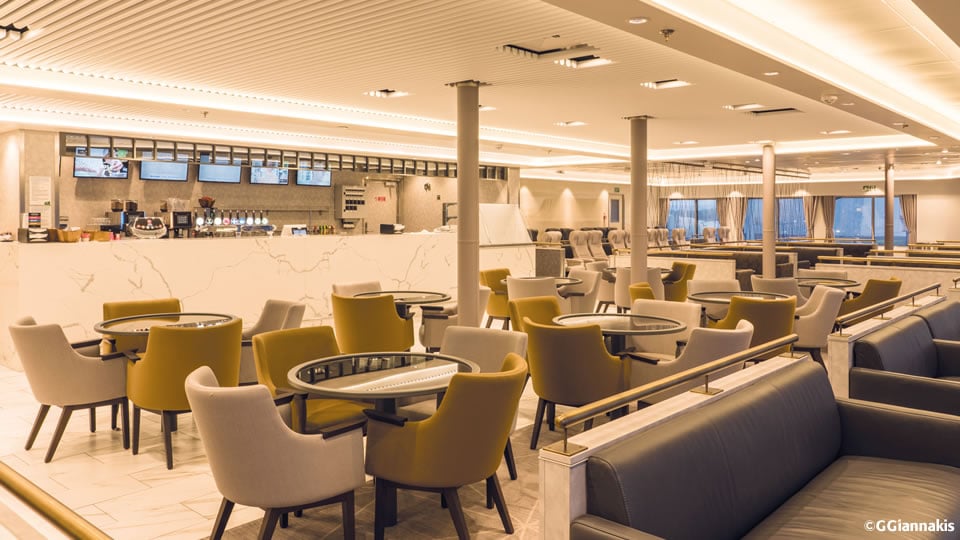
Oscar Wilde: a broad onboard package
Oscar Wilde is pitched around capacity and variety, with comfortable lounges, panoramic views, restaurants, a large shopping area, a Pet Den and a children’s play area. That combination makes it a sensible family shortlist, particularly when the journey is long enough for the ship itself to matter. I would compare the exact sailing, cabin availability and pet rules through the Oscar Wilde page before assuming every facility operates on every date.
- Choose the route first, then confirm the named vessel.
- Compare Economy, Flexi and Flexi+ terms before comparing only the fare total.
- Add a cabin when sleep, privacy or travelling with children changes the value equation.
- Check sailing updates and arrival times before leaving for the port.
The downside is that the experience can become expensive in layers. A low base fare may look appealing until a cabin, lounge, meal and change flexibility are added. That is not a criticism unique to Irish Ferries, but it is why I would build the complete trip in the full booking flow instead of stopping at the first advertised number. Check vehicle pricing and passenger pricing together.
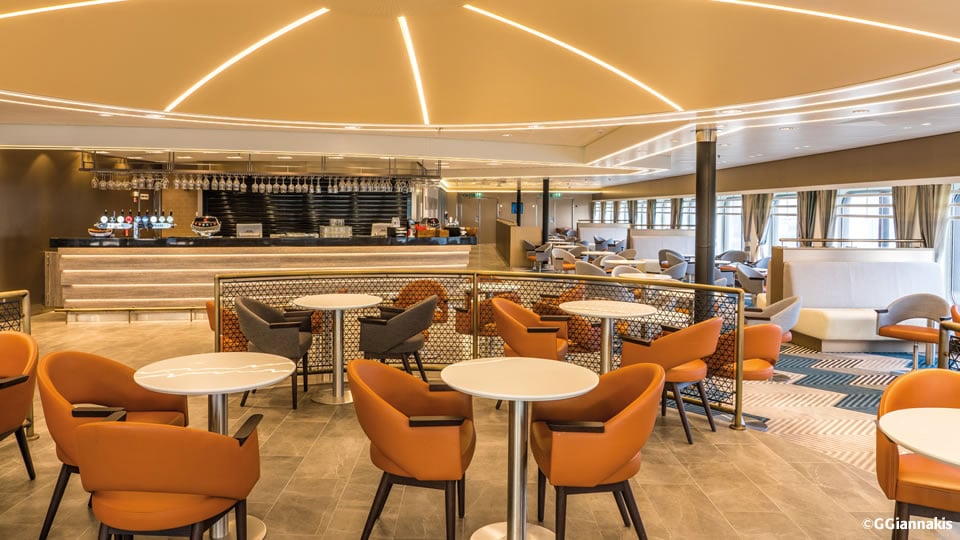
Isle of Inisheer keeps France crossings practical
The Isle of Inisheer feels more functional than indulgent, which is not necessarily a problem. Its information lists Café Lafayette, Boylan’s Brasserie, a Sea View Bar, duty-free shopping, extra seating and outdoor seating. The ship also lists 2-bed and 4-bed cabins, including a 4 Bed Pet Cabin with an ensuite shower, television, EU sockets and space for up to two pets under the stated booking conditions. Review the ship facilities and current cabin price side by side.
That pet-cabin detail is one of the clearest reasons to compare the ship page rather than book on brand familiarity alone. Travelling with a dog changes the practical checklist: pet type, cabin selection, onboarding information and the sailing’s availability all matter. The ship page is helpful evidence, but it is not a substitute for confirming the current booking terms.
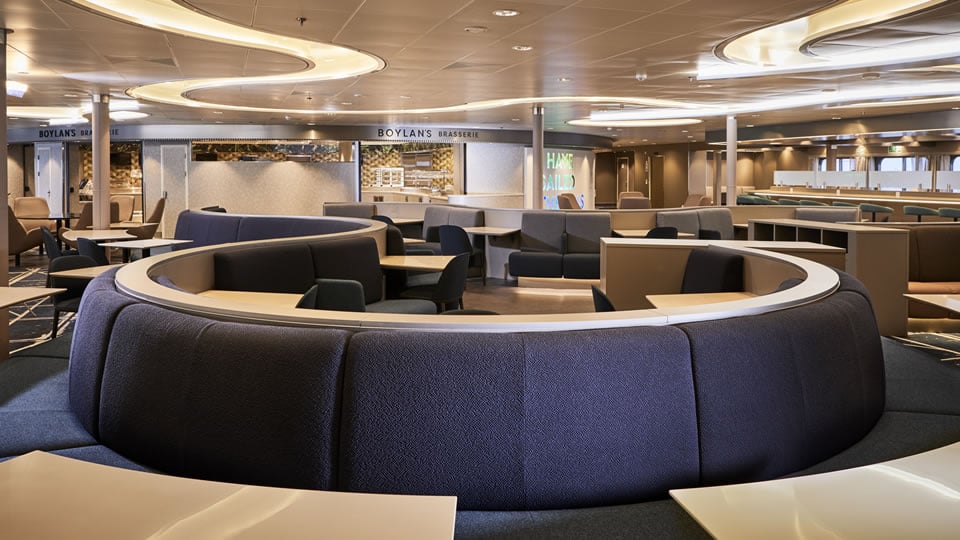
Is Irish Ferries worth it for your route and travel party?
- Pros: excellent fit for car travel, useful cabin range, family-friendly facilities, pet-aware options and a broad route network.
- Pros: larger ships such as W.B. Yeats make the crossing feel like a real part of the itinerary.
- Cons: final value depends heavily on date, route, cabin and fare type.
- Cons: some restaurants and facilities can be seasonal or subject to availability.
My verdict is recommend with a complete-price check. Irish Ferries makes more sense than flying when you value your car, need extra luggage, want a slower start to the trip, or are travelling with family or a pet. The ships are not identical, and the strongest comfort features sit behind the right sailing and fare choice. I would shortlist W.B. Yeats for a longer, comfort-led crossing, Oscar Wilde for broad family facilities, and Isle of Inisheer when a practical Ireland-France service and pet-cabin possibility are the priority.
For travellers without a car, the Ferry & Rail option deserves a separate look because it can connect the ferry with stations in Ireland and Britain. For repeat travellers, the Irish Ferries Club and current special offers may change the calculation, while Flexi terms are worth reading if your dates are uncertain. Those are the details that turn a pleasant review into a useful booking decision.
The booking details Irish Ferries travellers should confirm
- Confirm the route, port, sailing date and named ship.
- Price the full party, vehicle, cabin, pet arrangements and selected fare type.
- Check passport, identification, check-in and sailing-update guidance.
- Save the booking terms, especially amendment and Flexi conditions.
Irish Ferries is at its best when you use the network deliberately. Pick the crossing that suits the trip, choose the ship that supports the people travelling, and regard the cabin and flexibility options as tools rather than automatic extras. Once those decisions are made, the brand offers a convincing, comfortable alternative to the airport routine.