

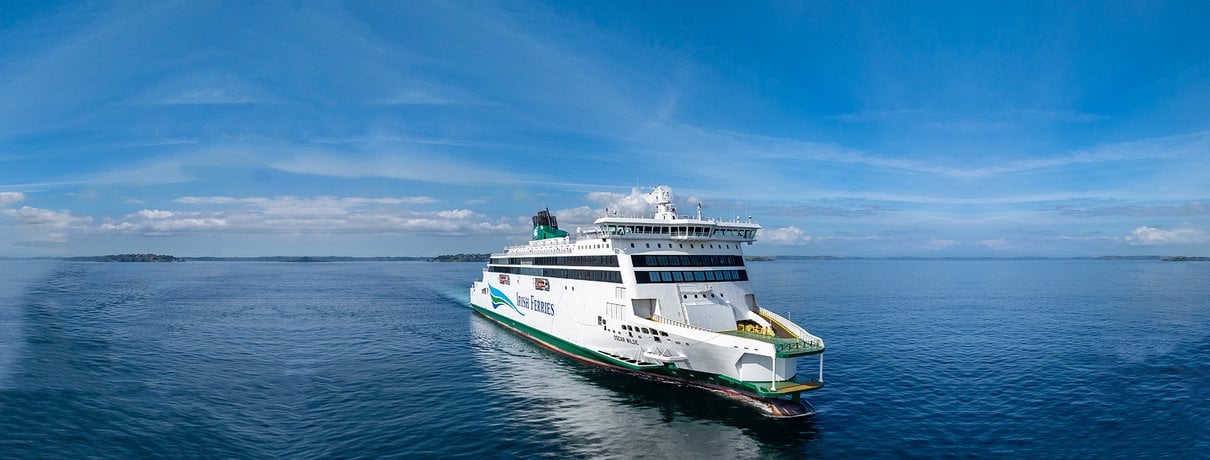
I approached Irish Ferries as a traveller choosing a day, not simply buying a crossing. The fleet covers quick hops, longer sea days and overnight journeys, so the useful question is not whether the brand has facilities. It is whether the ship, route and level of comfort fit the trip you are actually making. I reviewed the public ship pages, compared the onboard photography and looked for the details that would change my own booking.
The evidence is encouraging. Route choice, cabins, Club Class seating, pet travel, dining and generous luggage all give the service more range than a basic point-to-point transfer. The drawback is equally clear: public pages do not show a simple product price, because the fare moves with route, date, vehicle and passengers. I would use the booking flow to check today’s figure rather than assume a headline fare is the final cost. See the current Irish Ferries fare options before committing.
The four ships I would put on a shortlist
My first filter is travel mood. W.B. Yeats looks made for a longer, more considered crossing, while Dublin Swift is the obvious fast-trip proposition. Oscar Wilde brings a broad facilities mix, and Ulysses makes the strongest case when a cabin or extra breathing room matters. The exact sailing still decides the winner, but these are the concrete pages I would open first: W.B. Yeats, Oscar Wilde, Ulysses and Dublin Swift.
- W.B. Yeats: the best fit for an overnight or leisurely Ireland to France crossing.
- Oscar Wilde: the balanced choice when you want shipboard variety.
- Ulysses: the practical comfort pick for longer travel and cabin interest.
- Dublin Swift: the speed-led option for a shorter crossing.
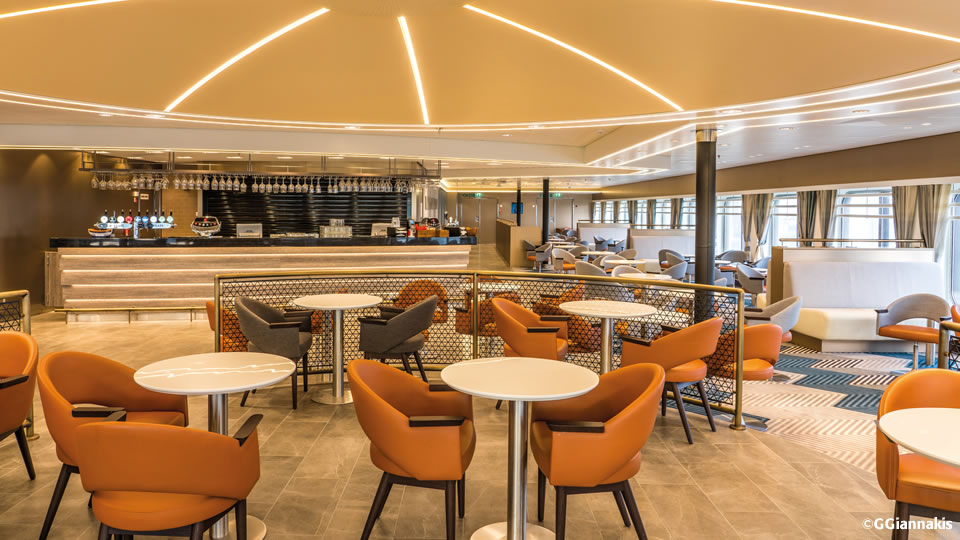
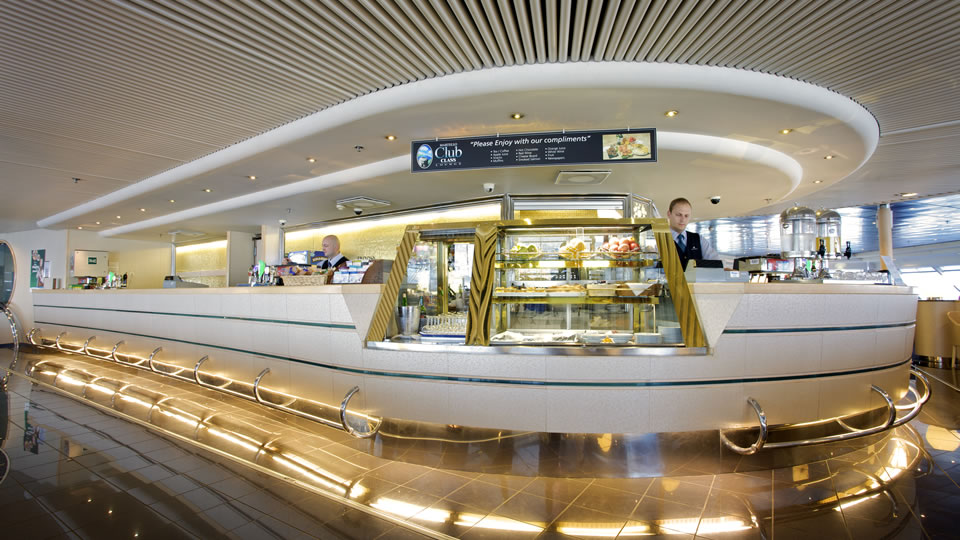
The W.B. Yeats made the most persuasive first impression in my review because the visual evidence feels like a real ship experience rather than a transport brochure. The Maud Gonne bar, Club Class areas, cafés, a brasserie, cabins and family spaces create separate ways to spend the time. That matters on a long sailing. You can move between a meal, a quiet seat and a more private room instead of treating the whole journey as dead time. Inspect the W.B. Yeats facilities if your itinerary includes France or an overnight departure.
My reservation is price sensitivity. A ship with more choice is not automatically better value if you only need a quick daytime transfer. I would pay for a cabin when sleep, children or a late arrival changes the trip, but I would not add every upgrade by default. The brand’s cabin and sailing choices deserve a side-by-side check.
What the onboard details reveal in practice
Oscar Wilde is the most versatile-looking middle ground. Its public page points to a full passenger environment, with spaces for food, rest and families rather than one headline attraction. The facility photography suggests a ship designed to absorb different kinds of traveller. That is useful if one person wants to sit quietly while another wants a café, shop or activity. See the Oscar Wilde ship details and check whether it serves your chosen departure.
- For a couple, I would prioritise a calm lounge and a meal option.
- For families, I would confirm children’s areas and arrival times.
- For drivers, I would value a clear route, luggage flexibility and an easy exit.
- For pet owners, I would read the current pet-travel rules before paying.
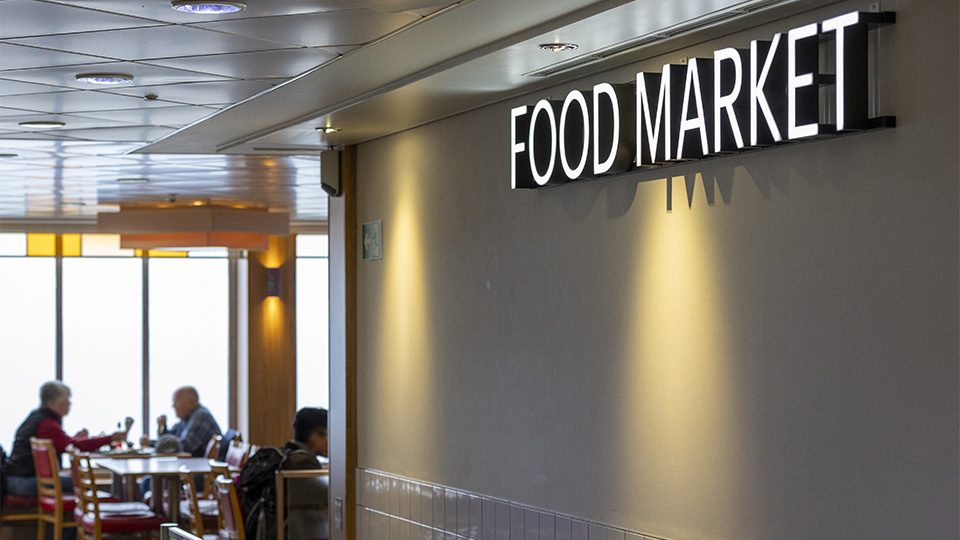
Ulysses is where the practical argument gets stronger. The ship page gives cabin and Club Class details enough weight that I would consider it for a trip where arriving rested is part of the value. The key point is not luxury language. It is control over the crossing: a quieter base, a proper break from the vehicle and fewer compromises on a long day. Review Ulysses before choosing your sailing if the crossing duration makes comfort meaningful.
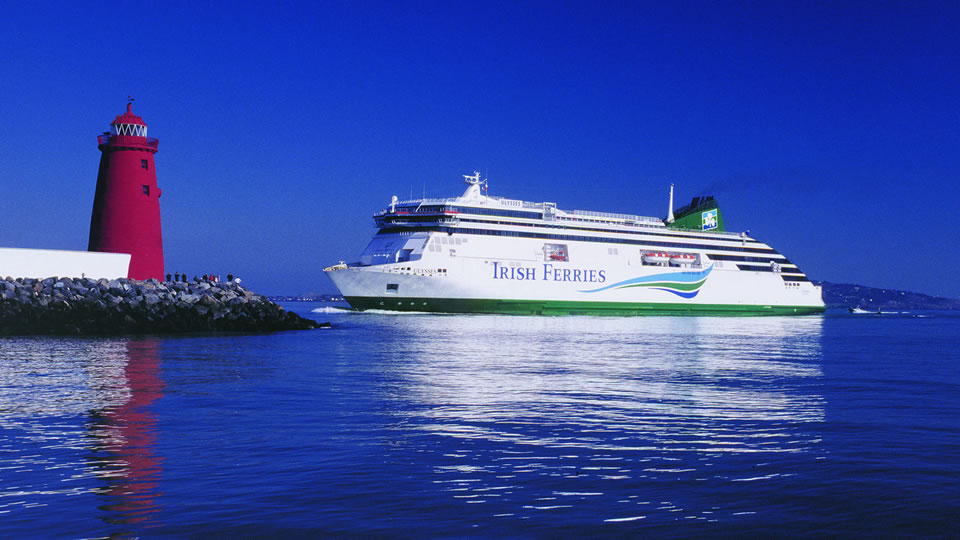
The downside is that comfort has to earn its place. If you are travelling in daylight, have a short route and are happy with a standard seat, a cabin may be unnecessary spend. I would compare the price of the room with the value of arriving fresh, then decide without romanticising the sea view. Open the live booking options to test that calculation with your dates.
The speed versus atmosphere decision
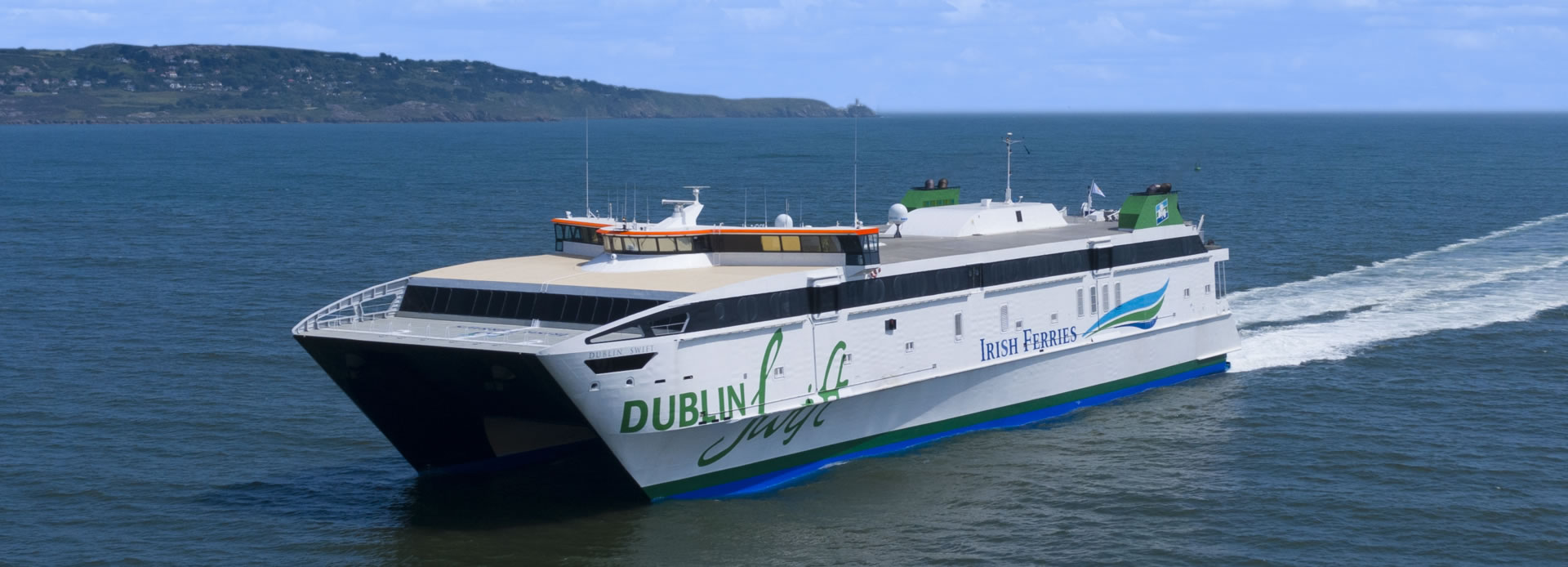
Dublin Swift changes the brief. Its appeal is not a hotel-at-sea experience; it is the chance to get moving with less ceremony. The dedicated page shows a lighter onboard offer, including lounge seating, light bites and a shop. For a short crossing, that can be exactly right. Compare Dublin Swift if your priority is time rather than a full day on board.
That speed-led choice is also the easiest one to misread. A shorter crossing can feel efficient, but it may not suit travellers who need a cabin, more space or a slower family rhythm. I would check the actual route duration, vehicle requirements and departure time together. The brand’s route planner and fare search are more useful than judging a ship from its name alone.
There is a similar distinction with James Joyce. I would investigate it when the route and sailing time line up, especially if Club Class seating is more useful than a private cabin. The public ship material makes it feel like a sensible comfort compromise. Browse available Irish Ferries sailings and look for the vessel attached to your preferred departure rather than selecting by ship alone.
- Choose speed when arrival time is the main constraint.
- Choose facilities when meals, family space or a longer sea day improve the trip.
- Choose a cabin when sleep, privacy or a late arrival changes your plans.
Pros, cons and my evidence-led verdict
The strongest case for Irish Ferries is range. The brand gives travellers several ways to shape the crossing, from the streamlined Dublin Swift to the more layered W.B. Yeats. Add pet travel, route planning, food, shopping, cabins and Club Class, and the service feels designed around different real-world trips. I also like that the ship pages let you inspect facilities before you hand over money. Check the current options with your passenger and vehicle details.
- Pros: broad route network, distinct ships, useful comfort choices and strong onboard variety.
- Pros: the fleet makes it possible to match speed or atmosphere to the itinerary.
- Cons: a public headline price is not enough to judge value.
- Cons: facilities and the best ship depend on the route and sailing schedule.
My verdict is positive, with one condition: book the journey you need, not the most impressive ship page. I would start with the route, compare the live fare, then decide whether a cabin, Club Class or a richer onboard experience will make a visible difference. For a longer France crossing, I would begin with W.B. Yeats or Ulysses. For a speed-led plan, Dublin Swift earns the first look. That is a more honest recommendation than calling every sailing equally good.
Before paying, I would make this final checklist: confirm the route and vehicle dimensions, read the current pet rules if relevant, compare standard seating with an upgrade, and check the arrival time against the next part of the trip. Those four checks protect the budget while leaving room for the one comfort choice that will actually improve the day. See today’s Irish Ferries availability when your dates are ready.