

We examine Irish Ferries’ France routes, ships and Sail & Rail option to show which strengths matter, where the booking needs care, and who should choose each one.
For a trip from Ireland to France, the first decision is not simply whether to take a ferry. It is whether the crossing should be a practical transfer, a more comfortable part of the holiday, or the start of a train journey beyond the port. Irish Ferries gives readers several ways to make that choice on its Ireland-France store.
We reviewed the route information, ship pages, onboard facilities, cabins, fare guidance and Sail & Rail details. The result is a useful but qualified picture: the brand has a broad set of travel tools, while the best value depends on the sailing, the space you need and how carefully you match the option to your itinerary.
Heads-up: we earn a commission from some links in this article. It never changes the price you pay.
What you need to know
- Irish Ferries combines Ireland-France route booking with ship, cabin, dining and travel-planning information.
- W. B. Yeats is the most compelling option for readers who want a fuller onboard experience, with cabins, lounges, restaurants and family spaces.
- Isle of Inisheer and Dublin Swift are useful alternatives to investigate, but the sailing displayed during booking should decide the final choice.
- Sail & Rail suits foot passengers continuing by train, provided they leave enough time for the transfer and allow for separate service delays.
- Cost is shaped by route, date, passenger or vehicle setup, flexibility, cabin choice and extras, so readers should check the current fare before committing.
Irish Ferries makes the Ireland-France choice broader than a single crossing
The regional store is strongest when treated as a planning hub. It brings together the Dublin-Cherbourg route, booking entry point, sailing updates, fare terms, pet information, accessibility guidance and destination ideas. That matters because the practical details can change the shape of a trip more than a headline fare.
The brand also gives travellers several comfort decisions. A standard crossing can stay straightforward, while a cabin, lounge access or a more flexible fare can make more sense for an overnight sailing, a family group or anyone arriving with a full day ahead. The booking options show the practical trade-off. The limitation is that the site contains a lot of choice, and readers need to compare the inclusions rather than assume the most expensive-looking option is automatically right.
- Start with the route and sailing time that fit the actual itinerary.
- Decide whether a cabin is for sleep, privacy, family organisation or simply a quieter crossing.
- Check the fare terms, vehicle details, passenger requirements and any extras before payment.
W. B. Yeats gives comfort-focused travellers the fullest onboard case
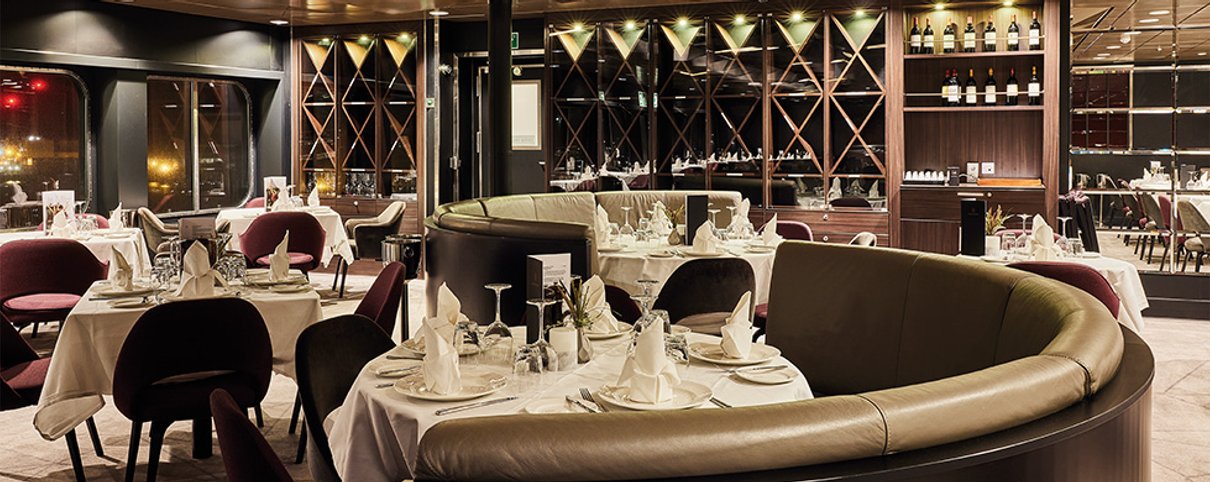
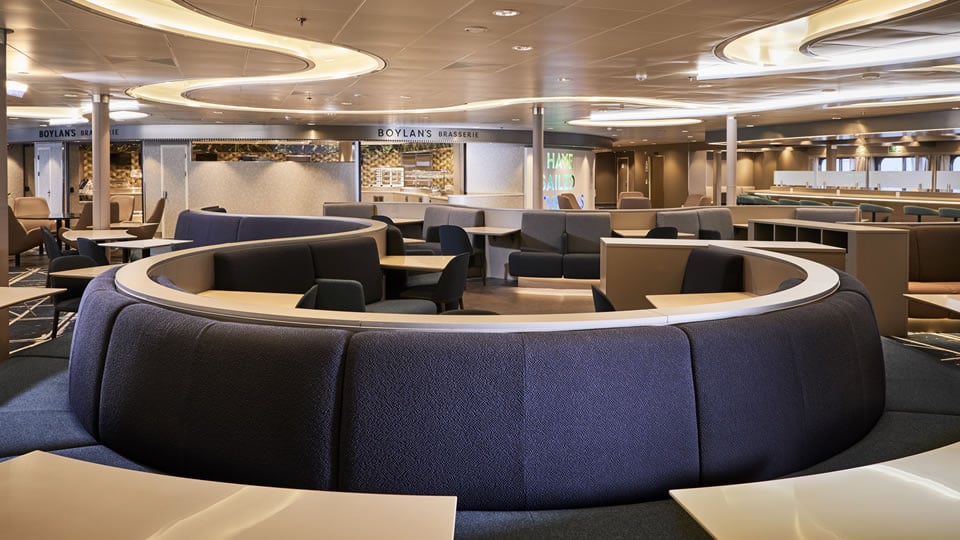
The clearest flagship offering is W. B. Yeats. Its ship page describes a broad onboard mix: the Maud Gonne Bar & Lounge, the Innisfree Club Class Lounge, a quiet reading area, a cinema and family entertainment. There are also several dining styles, from casual food and coffee to the Lady Gregory restaurant when operating.
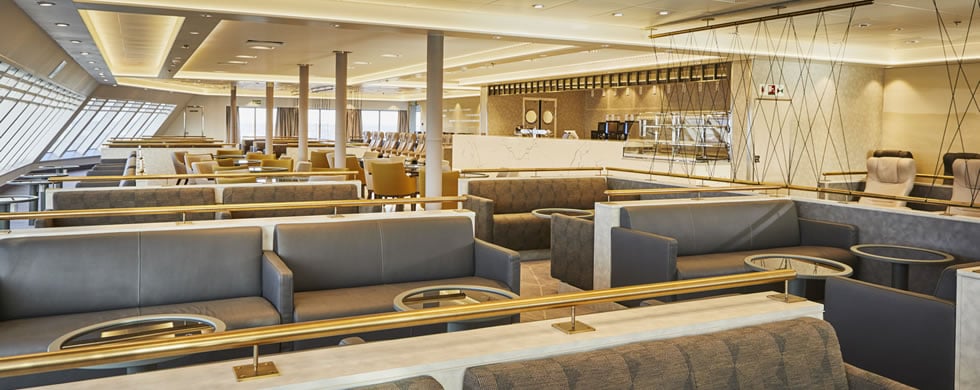
For families, the evidence is practical rather than purely promotional. The ship lists a children’s play area, cinema and promenade deck, while its cabin information includes family layouts and ensuite facilities. For adults, the lounge, bar and restaurant range provide more ways to break up the crossing than a single seating area. That breadth is the ship’s real strength.
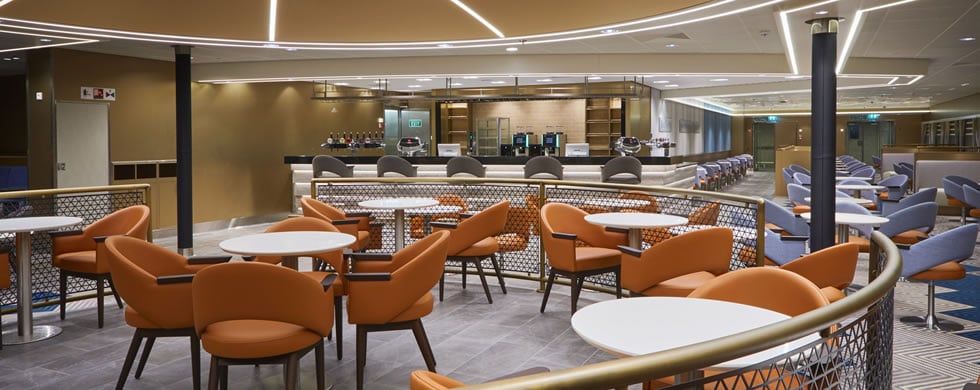
The limits are equally important. Some restaurants and facilities can operate seasonally, and lounge access may be part of a higher cabin or an additional booking choice. A cabin also makes most sense when it solves a real problem, such as overnight rest, privacy or managing children. Readers who only need a daytime transfer may not use enough of the extra space to justify it.
Isle of Inisheer and Dublin Swift keep the shortlist open
The Isle of Inisheer deserves a place on the shortlist for readers who want to compare a different ship option rather than default to the most detailed onboard page. The Dublin Swift is another distinct offering in the fleet. Both pages are useful because they let readers inspect the ship tied to the sailing they are considering.
We would be careful about treating ship names as interchangeable product tiers. The live booking result, route, departure time and facilities available on that sailing matter more than a general fleet impression. A reader travelling with a car may prioritise loading and arrival timing; a foot passenger may care more about seating and onward transport; a family may put cabin layouts and children’s spaces first.
- Choose W. B. Yeats when onboard variety, cabins and a more layered crossing are central to the trip.
- Investigate Isle of Inisheer when the selected sailing places that ship at the heart of the itinerary.
- Investigate Dublin Swift when its route and departure pattern solve the schedule better than a larger ship would.
Sail & Rail extends the journey, but adds a connection to manage
The Ireland-France Sail & Rail option is the most useful alternative for foot passengers who do not want the car to define the whole trip. Irish Ferries explains the process as two linked steps: book the ferry crossing, then arrange the onward train from Cherbourg with its partner. The appeal is obvious for travellers heading deeper into France, especially when the destination does not suit a port-to-port road plan.
The caution is connection management. The store recommends allowing sufficient transfer time after the ferry arrives, and its Sail & Rail guidance notes that the ferry and train are not treated as connecting services by train operators. In plain terms, delays can affect the second leg, and local transfers may not be included in the same booking. This is convenient planning, not a fully risk-free through-ticket.
Cabins, fare terms and extras decide whether the booking feels well judged
The booking deserves a closer look once the route is chosen. Irish Ferries lists economy, flexi and flexi-plus fare terms, alongside cabin and lounge choices. The right comparison is not simply the fare label. It is the full setup: how fixed the dates are, whether the trip includes a vehicle, whether a family needs sleeping space, and whether a disruption would make flexibility valuable.
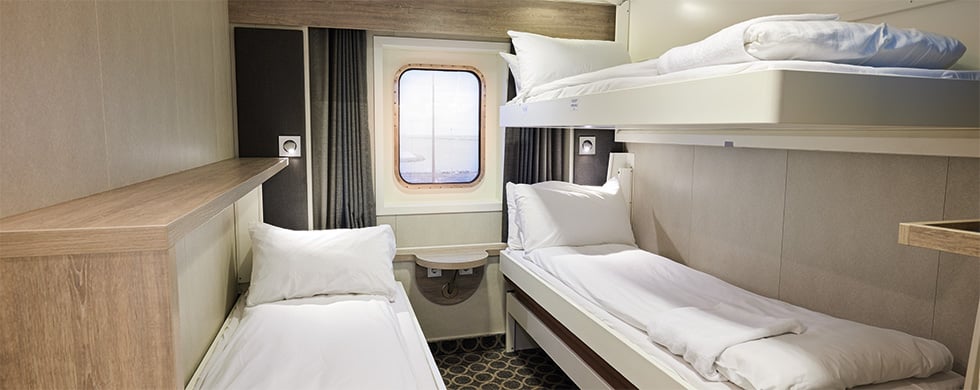
The cabin range is unusually concrete. W. B. Yeats cabin pages describe inside and window cabins, family layouts, accessible cabins, suites and reserved seating. The brand says selected cabins include air conditioning, ensuite facilities and bedding based on the chosen occupancy, while higher categories can add lounge access, refreshments or other extras. Readers should verify the current inclusions because seasonal restaurant availability and cabin allocation conditions can affect the experience.
There is also useful planning information for pets, reduced mobility, luggage and check-in. Those details are not glamorous, but they are where a ferry booking can succeed or fail. Irish Ferries earns trust when the reader uses those pages before payment.
Our recommendation is to price the complete journey rather than a bare crossing. Include the cabin or seating choice you would genuinely use, the fare flexibility you need, and any vehicle or passenger details that change the result. The live booking flow is the right place to confirm the arrangement. That approach produces a more honest comparison than chasing a headline number that may not match the final arrangement.
Is Irish Ferries the right choice for your France trip?
Irish Ferries is a sensible shortlist choice for travellers who want a direct Ireland-France planning path with meaningful control over ship, cabin, dining, family and flexibility decisions. W. B. Yeats is the most convincing fit when the crossing itself should feel comfortable and useful, while Sail & Rail gives foot passengers a credible route into a wider French itinerary.
The honest limitation is choice complexity. Readers who want the simplest possible transfer still need to check the live sailing, fare conditions, facilities and connection assumptions carefully. We recommend Irish Ferries when those details match the real trip, not because every option suits every passenger.