

Ferry travel can be either a brilliant shortcut or a long day spent negotiating queues, tired children and a seat that feels designed for nobody. I looked closely at Irish Ferries to see where it lands in real life: the routes, the ships, the cabin proposition, the small comforts and the costs that are only clear once you start a booking. The result is a service with genuine strengths, but also a few decisions you need to make before the glossy pictures win you over.
My short verdict: Irish Ferries is strongest for travellers taking a car, wanting a direct Ireland connection, or treating the crossing as part of the trip. Fares change with route, date, vehicle and accommodation, so use the Irish Ferries booking search to check your actual combination before judging value.
Heads-up: we earn a commission from some links in this article. It never changes the price you pay.
Irish Ferries routes, cars and cabins
The first practical advantage is flexibility of journey. You can connect Ireland with Britain or France, take your own car, and add a cabin when an overnight crossing makes more sense than a dash through an airport. The site also brings together route information, sailing updates, ferry-and-rail options and travel guidance, which is useful when a trip has more than one moving part.
- Door-to-door potential: taking a car can simplify luggage, equipment and rural destinations.
- Choice of pace: fast services and larger cruise ferries suit different itineraries.
- Onboard variety: restaurants, cafes, shops, decks and family spaces break up the crossing.
- Accommodation: cabins and selected pet-friendly facilities make longer journeys more manageable.
That sounds obvious, but it changes the emotional maths. A direct sailing can feel less frantic than airport travel, especially when you are carrying sports kit or planning a driving holiday. I would still check route and timetable details and current travel guidance carefully: the most attractive ship is not always running on the departure you need.
The ships and crossings to compare
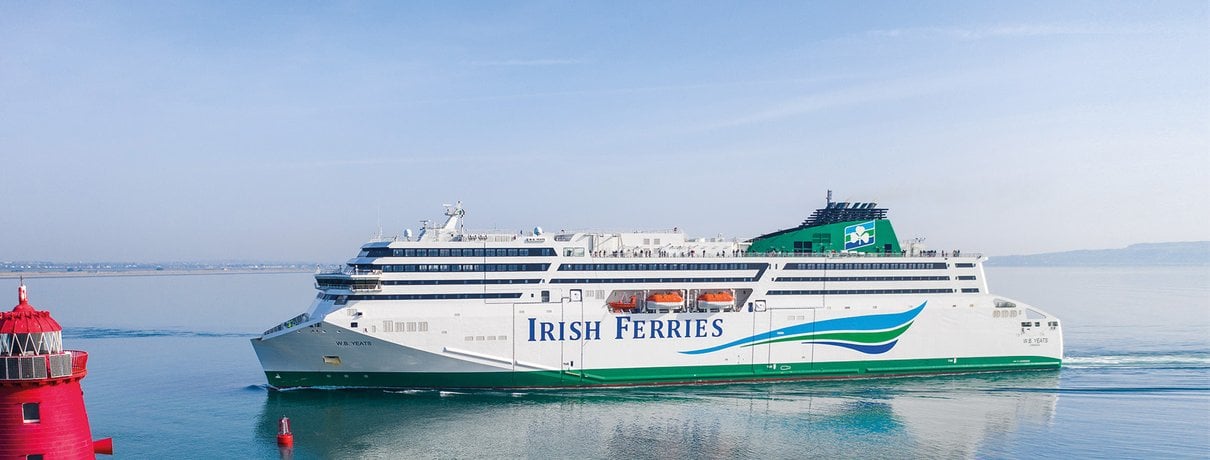
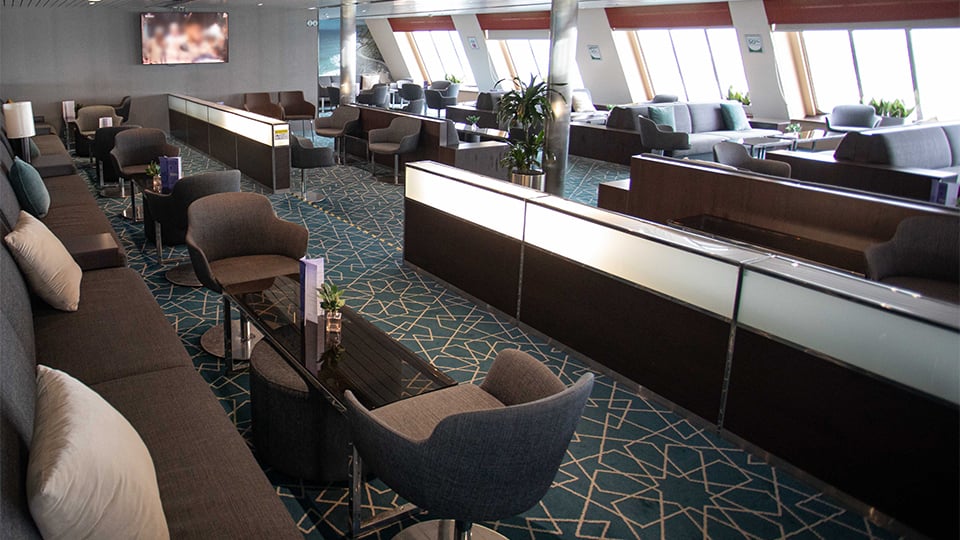
The most useful way to shop Irish Ferries is by the kind of day you want, rather than by ship size alone. The W.B. Yeats is the standout for a longer, more leisurely crossing. Irish Ferries lists space for 1,885 passengers and crew, up to 1,200 cars and 440 cabins, with restaurants, a bar, cinema, outdoor deck and the Innisfree Club Class Lounge. Price varies by sailing, so I see it as a comfort choice rather than a fixed-price product.
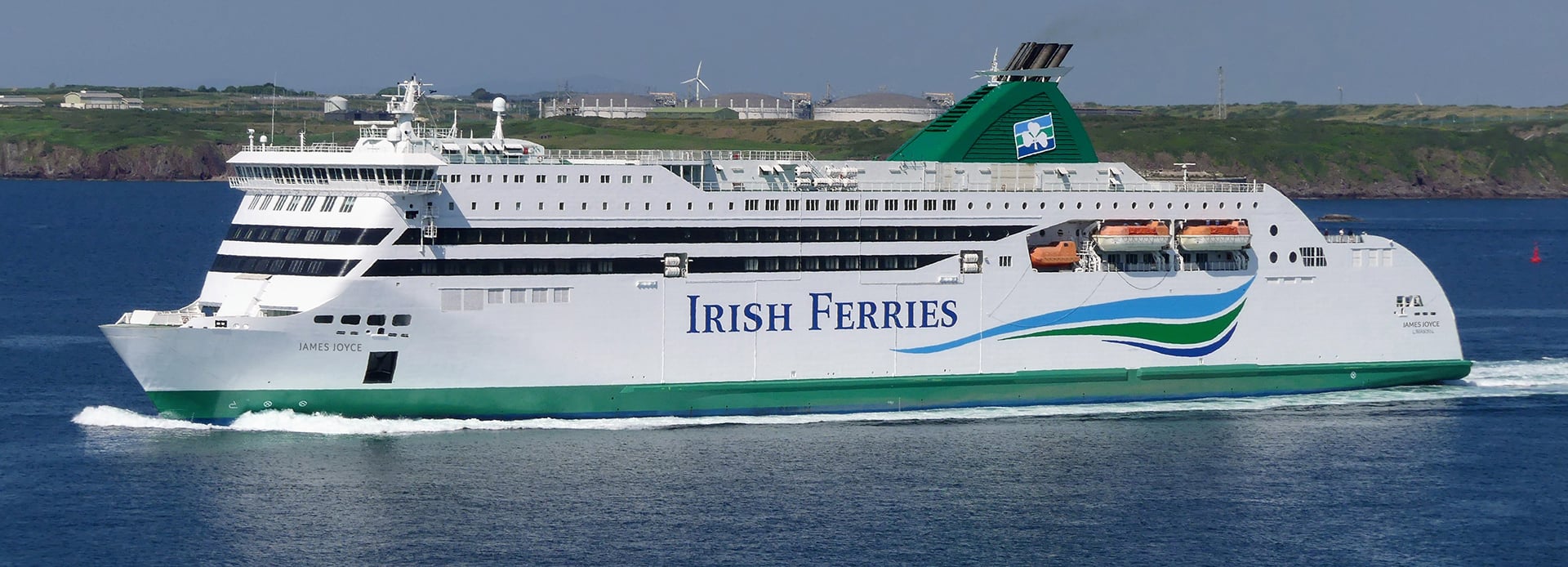
For the Irish Sea, the Ulysses makes a persuasive family and vehicle option. Its appeal is not a boutique aesthetic; it is scale, with several food and drink choices, outdoor space, shopping, Club Class and even two cinemas listed among its facilities. That is useful on a day when weather turns and everyone needs a different way to pass the time.
- Choose the W.B. Yeats when the crossing itself is part of the experience.
- Choose Ulysses when capacity, facilities and a car-friendly itinerary matter most.
- Choose Isle of Inishmore when you want a simpler service and a practical crossing.
The Isle of Inishmore is described as a more basic service, with a restaurant, cafe, shop, deck seating and cabins including selected pet cabins. That is not a criticism. For a shorter or price-led trip, fewer bells and whistles can be exactly the point. I would just avoid assuming that every ship offers the same facilities, and I would read the ship details before booking.

One extra worth considering is Club Class. Irish Ferries positions it as an upgrade with additional comforts, and the ship pages reference dedicated lounges. I would treat it as a time-saving or quiet-space purchase, not an automatic bargain. If the crossing is short and you are travelling light, the standard fare may be the smarter use of money.
Food, deck space and the onboard day
My favourite part of the proposition is the range of ways to make the crossing your own. A cafe stop, a walk on deck or a proper meal can make a long sailing feel deliberate. The Cafe Lafayette image on the W.B. Yeats page suggests a relaxed middle ground between a full restaurant meal and bringing snacks for everyone, while the larger ships give families room to spread out.
- For families: check play areas, cabin layout and the likely sailing length.
- For couples: compare a cabin or Club Class with the standard seat price.
- For drivers: check vehicle dimensions, arrival instructions and port location.
- For pet owners: confirm the exact sailing and pet accommodation rules.
The trade-off is that the experience is highly dependent on the route and ship assigned. A polished W.B. Yeats crossing is a different proposition from a basic sailing, and neither is automatically better. I also would not book on the assumption that a promotional headline is your final cost. Enter dates, passengers, vehicle details, cabin preferences and any flexibility option before comparing the total, then review the cabin choices.

Would Irish Ferries suit the way you want to cross?
The pros
I like the genuine route choice, the ability to keep a car with you and the fact that cabins, food, shopping and outdoor space make the crossing more than a transfer. The fleet also gives shoppers a meaningful choice of atmosphere, from the practical Isle of Inishmore to the more feature-rich W.B. Yeats. The booking flow is most useful when you approach it as a comparison tool rather than a simple checkout.
The cons
Prices are not transparent until you enter a detailed itinerary, ships do not all offer the same facilities, and upgrades can dilute the value of a supposedly cheap fare. Weather and sailing times will always affect ferry travel too. If you only care about getting from A to B as quickly as possible, a flight may still win. If you want certainty about every onboard detail, read the ship information and booking conditions for your booked departure.
My evidence-led verdict is positive with a condition: Irish Ferries is worth the shortlist when the route, ship and total fare line up with how you actually travel. I would book the W.B. Yeats for a longer crossing where comfort matters, Ulysses for a full-service family journey, and Isle of Inishmore when the essentials are enough. Add Club Class only after checking what you get for the exact sailing.
- Confirm the route and exact departure time.
- Check which ship is scheduled.
- Add the real vehicle, passenger and cabin details.
- Compare the total with and without upgrades.
- Read current sailing and travel guidance before paying.
That five-minute check is the difference between a ferry that feels like a calm start to the holiday and one that feels like an expensive compromise. For my money, the best Irish Ferries booking is the one that matches the journey, not simply the lowest headline fare.