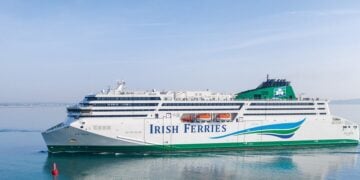

A food-led Normandy itinerary can pair the Dublin-Cherbourg crossing with cider country, harbour stops and a stay that fits your pace.
Autumn gives a Normandy break a natural focus: market towns, orchard country and the region’s food traditions can shape the route as much as its landmarks. For travellers starting in Ireland, the practical question is how to reach the area without making the journey swallow the trip.
Irish Ferries connects Ireland with France by sea and lists onward rail and holiday options on its Ireland store. We reviewed the brand’s route and destination information for this guide; it is a planning overview, not a report from a trip we took.
Heads-up: we earn a commission from some links in this article. It never changes the price you pay.
What you need to know
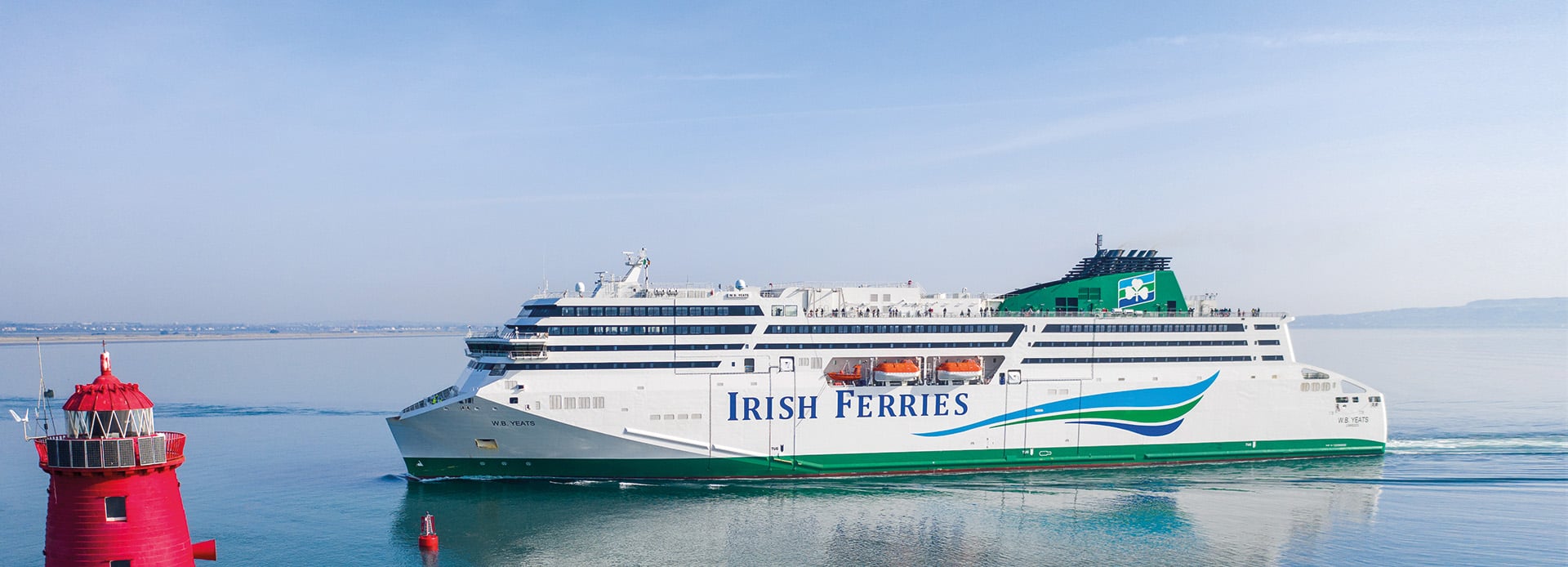
- Dublin-Cherbourg aboard W. B. Yeats is the direct sea route to Normandy for travellers taking a car.
- The Irish Ferries France food guide points to oysters near St-Vaast-la-Hougue, cider and calvados in Pays d’Auge, and harbour cafés in Honfleur.
- Ireland-France Sail & Rail suits a car-free plan, with onward train connections to coordinate.
- Eurocamp Holiday Parks can provide a base for a longer road itinerary; check each park’s facilities and seasonal opening details.
- Route schedules, availability and local opening times depend on travel dates, so confirm those before fixing the itinerary.
For the route itself, the most important fork is whether you want a car once you arrive. A car gives more freedom between villages and inland food stops; rail can work for a town-focused visit but needs more connection planning. The Dublin-Cherbourg route page sets out the ferry option, while Irish Ferries’ Ireland-France Sail & Rail details explain its rail-based alternative.
Normandy’s food stops give an autumn trip a clear theme
The brand’s France food guide sketches a useful arc from Cherbourg into the Pays d’Auge, with orchards, cider, calvados and local cheeses as regional markers. That gives the season a sense of place without requiring a tightly packed checklist. Read the Irish Ferries Normandy food guide alongside the Cherbourg arrival information when deciding how far inland to go.
Closer to the coast, St-Vaast-la-Hougue is highlighted for oysters and its harbour setting. Honfleur offers another kind of pause: the guide describes a historic port, cafés and shops, with moules-frites and crêpes among its food suggestions. These are starting points, not guarantees that a particular restaurant or market will be open on your dates, so check local listings before setting out.
A simple food-led sequence can stay flexible:
- Check your scheduled arrival against the first stop’s opening hours and drive time; choose a nearby first stop if the timing is tight.
- Choose a coastal meal around St-Vaast-la-Hougue, then allow time for the harbour and nearby sights.
- Continue inland towards Pays d’Auge for orchard landscapes and regional drinks, or finish with a night in Honfleur.
The route is more appealing when meal stops do not become a race. Check drive times and opening days in advance, especially where a meal depends on one specific venue. For broader trip context, the brand’s France travel pages sit alongside the Normandy food suggestions.
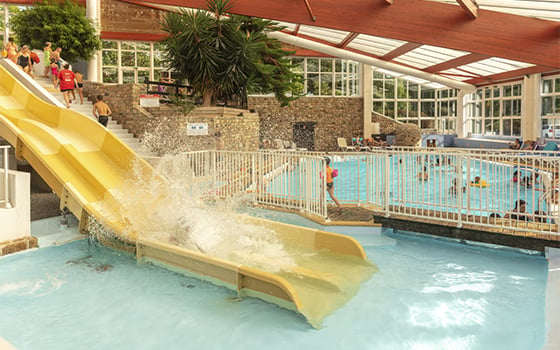
The image above shows a family facility at a featured park, but it should not set expectations for every location or autumn date. Check the individual Eurocamp Holiday Parks listing for the facilities at the park you are considering and confirm what operates during your stay.
W. B. Yeats turns the crossing into part of the itinerary
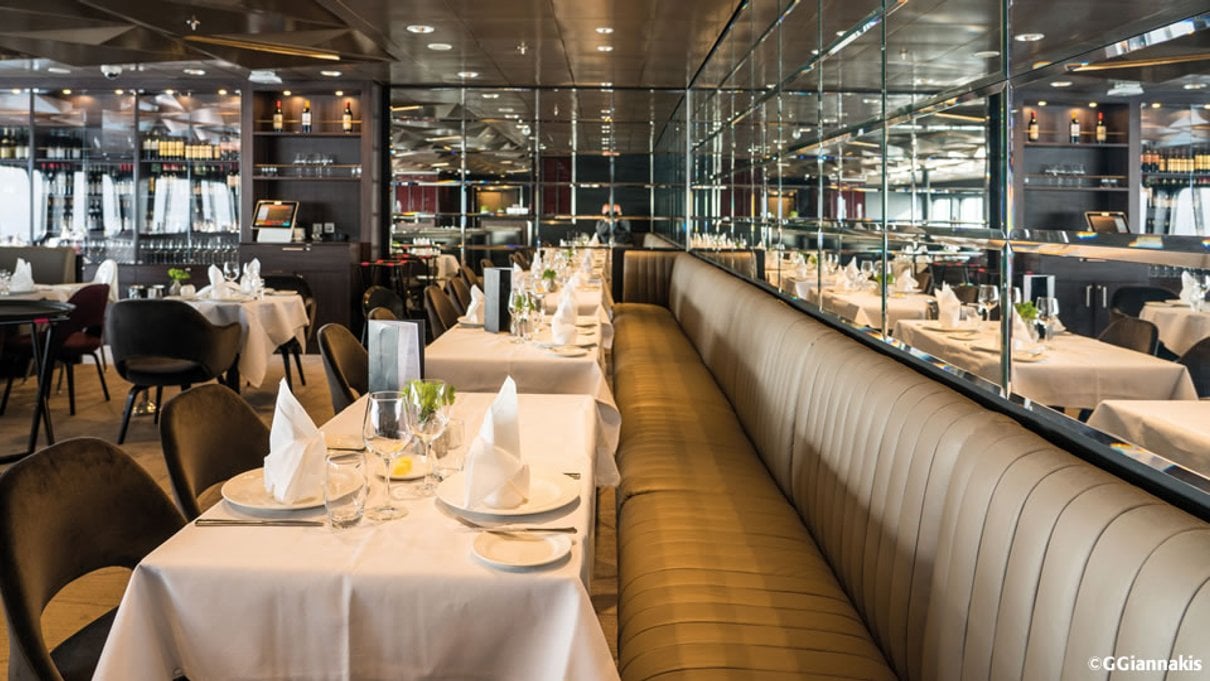
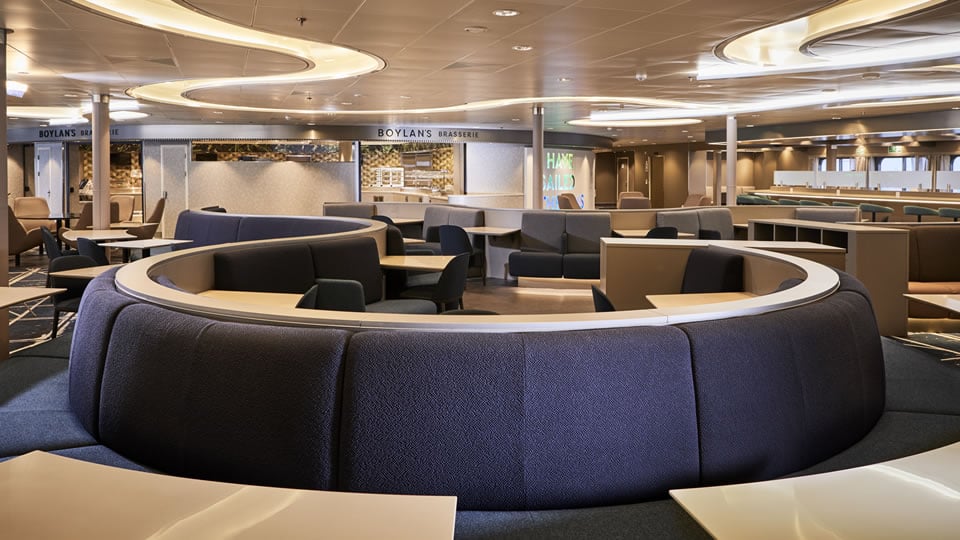
For drivers, Dublin-Cherbourg aboard W. B. Yeats avoids routing through Britain before reaching France. The ship also gives the crossing its own choices: the Irish Ferries information and gallery show lounge seating, dining spaces and cabin options. That matters on an overnight or longer sailing, when a quiet place to rest may be more useful than trying to schedule every hour onboard.
Start with the W. B. Yeats route details, then check the sailing timetable and booking conditions for your dates. The ship’s onboard facilities information can help you decide whether to add a cabin or choose a seating option. Dining venues and facilities can vary by sailing, so verify what is available when booking rather than assuming every option operates on every crossing. Availability is date-specific.
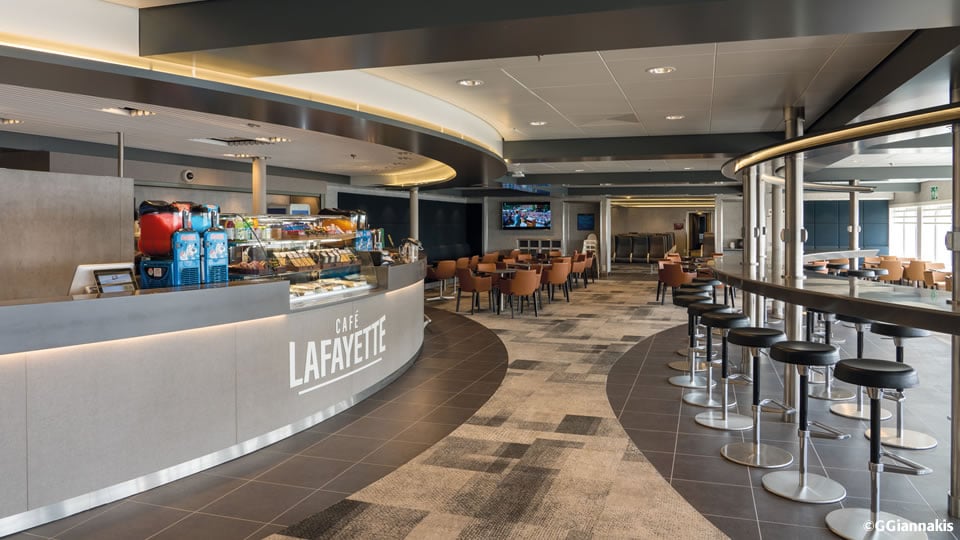
Onboard dining can make the travel day feel more settled, but it is not a substitute for checking the actual sailing schedule. Compare Dublin-Cherbourg availability with the timing of your first Normandy stop and leave a buffer before any booked meal or accommodation.
Sail & Rail works for a town-led plan without a car
Not every autumn break needs a vehicle. Ireland-France Sail & Rail is the brand’s option for combining ferry travel with onward train travel. It can suit readers planning around larger towns or a short list of destinations, especially if they prefer not to drive after arrival. Its trade-off is logistics: ferry arrival, station transfers and train times need to line up.
Read the Sail & Rail page for how the arrangement works, then map the journey to each stop. Check the relevant onward train information and allow time between connections. A village-to-village food itinerary may be less convenient by rail than a city break, so choose fewer bases if you go car-free.
A car-free route also changes where an overnight stay makes sense. A central hotel may keep meals and stations walkable, while a rural park can add a transfer that eats into a short visit. Check Sail & Rail journey details against the locations in your itinerary before choosing accommodation.
Eurocamp gives a longer road trip a practical base
For travellers bringing a car and staying several nights, Eurocamp Holiday Parks can work as a base rather than moving accommodation every day. Irish Ferries’ France pages list parks and provide descriptions of accommodation and facilities. That makes the option relevant to families or groups who want space between food-focused day trips, though the right park depends on location and seasonal opening.
Compare the Eurocamp parks listed by Irish Ferries with your intended stops. Check accommodation type, travel distance to Cherbourg and the facilities actually available during your dates. The ferry route information and park details answer different parts of the plan, so confirm both before you commit.
One practical checklist can keep the seasonal details from becoming an afterthought:
- Confirm sailing times and the port arrival window.
- Check whether restaurants, markets and attractions operate on your chosen days.
- For a park stay, verify accommodation and facility availability for the exact dates.
- Leave space in the schedule for weather and slower rural roads.
Irish Ferries lists more than one way to build a France break, but this food-led itinerary makes most sense when you can reach the smaller Normandy stops at your own pace. If that flexibility matters, begin with the park options and the Dublin-Cherbourg crossing; if it does not, compare the Sail & Rail alternative before settling the plan.
Is an Irish Ferries autumn Normandy food trip right for your plans?
We would recommend this approach to travellers who want a slower Normandy break built around regional food, coastal towns and a few well-chosen stops. Dublin-Cherbourg aboard W. B. Yeats is the clearest fit for a road itinerary, while Ireland-France Sail & Rail suits a simpler, town-based visit with more connection planning.
The limitation is seasonal availability: opening times, park facilities and sailing schedules need checking for the dates you choose, and a car makes the smaller food stops easier to reach. Review the route and stay details together, then confirm each local stop before travelling.