

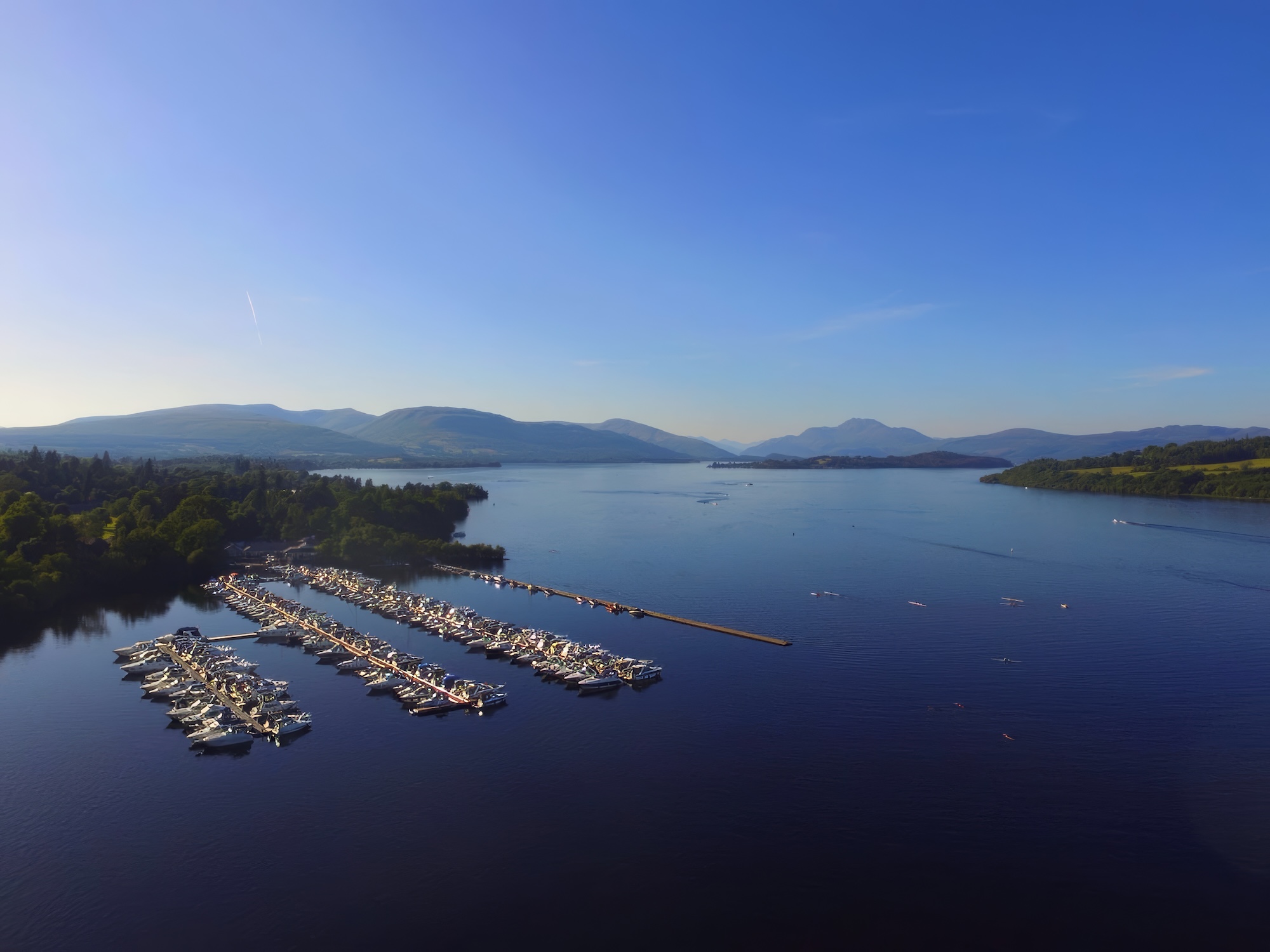
Luxury resorts often describe dining as a highlight, but only a small number build it like a system. Cameron House on Loch Lomond is one of those properties. Instead of relying on a single signature restaurant to carry the entire food and beverage operation, Cameron House distributes the experience across multiple venues with clearly defined roles. The result is a dining portfolio that supports different guest profiles, different times of day, and different emotional states, all without leaving the estate.
This professional, analytical guide examines three cornerstone venues: The Tavern, The Clubhouse, and Great Scots Bar. The emphasis here is not on romantic adjectives or unverified menu specifics. It is on positioning, guest experience design, and the operational logic that makes a multi venue resort dining strategy work. Where the source drafts do not provide hard data such as pricing, cover counts, or opening hours, the article avoids inventing details and focuses on what can be assessed responsibly.
HIGHLIGHTED BOX: HOW TO READ THIS ARTICLE
Think of Cameron House dining as a three layer model. Great Scots Bar is the social ignition point. The Tavern is the reliable full service anchor. The Clubhouse is the scenic, activity adjacent venue that performs best when daylight and views are part of the value. Choosing correctly is less about taste preferences and more about matching the venue to the moment.
Why Cameron House Dining Works: The System Behind the Venues
At many rural luxury hotels, the biggest risk is repetition. Guests stay two or three nights and quickly feel they are eating in the same mood, even if the menu changes. Cameron House reduces that risk by building distinct environments that encourage different behaviors. The venues are not clones with different names. They are designed for different use cases.
From a technical perspective, this approach improves:
- Flow – guests have intuitive options for pre dinner, dinner, and post dinner phases.
- Capacity distribution – demand can be spread across venues rather than bottlenecking one room.
- Satisfaction stability – if one venue is fully booked, another still feels like a deliberate choice, not a compromise.
The Tavern: Scottish Comfort Dining with Technical Precision
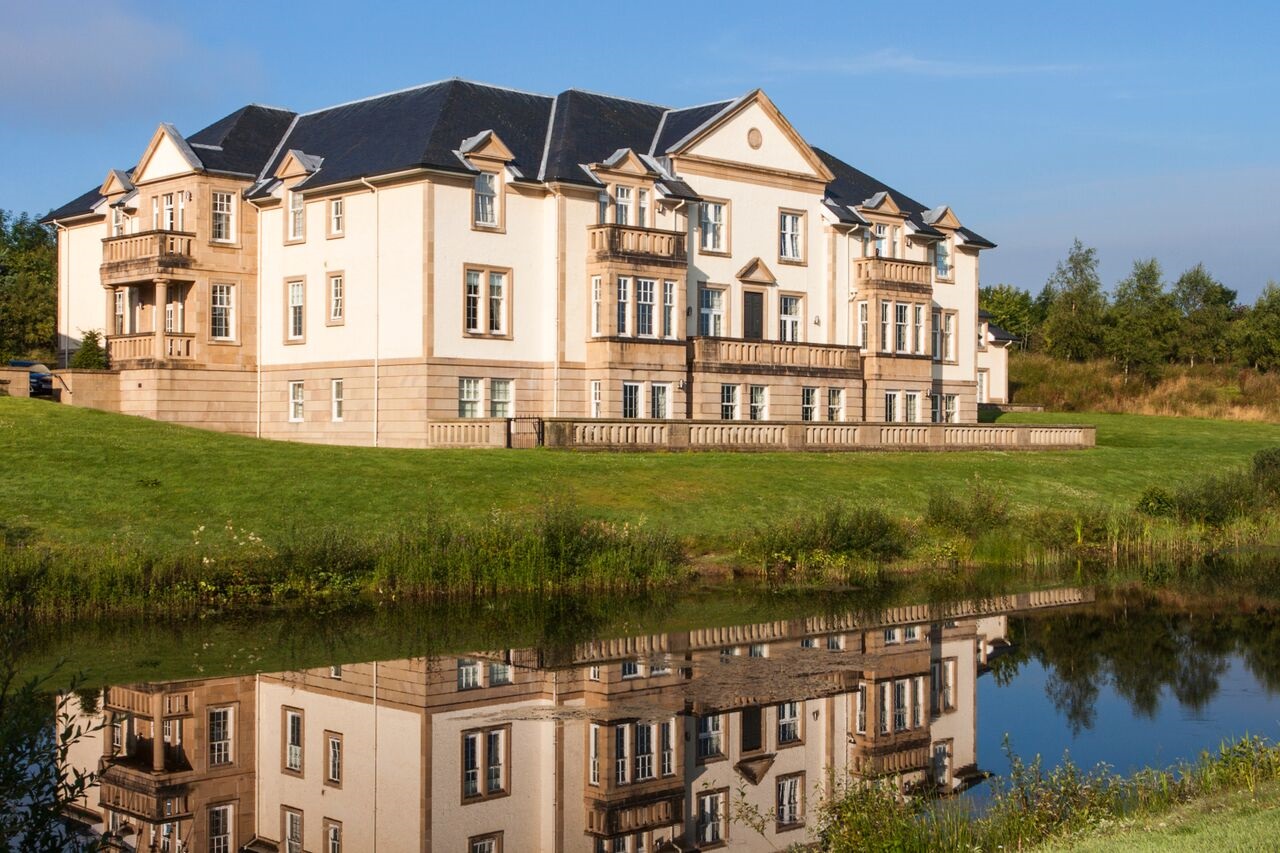
The Tavern is the venue most guests can confidently book without overthinking. It is positioned as an accessible, full service restaurant with a gastro pub sensibility. That does not mean casual in standards. It means casual in signals: warmth, comfort, and a setting that encourages conversation rather than ceremony.
Concept and Culinary Direction
In the drafts, The Tavern is described as modern Scottish gastro pub dining built around locally sourced Scottish ingredients and seasonal menu rotations. Those two elements matter because they indicate a kitchen structured for repeatability and freshness. Seasonal rotation is not just a marketing line. Operationally, it suggests a supply chain that is responsive to availability and a culinary team that refreshes the offering to avoid stagnation for returning guests.
What The Tavern Is Optimized For
- Low friction decision making – a safe default for first night dining.
- Broad appeal – families, couples, and groups can share the same space without mismatch.
- Comfort forward pacing – the kind of meal that fits after travel, outdoor activity, or a long day.
Expert lens: A resort’s casual anchor succeeds when it can handle volume without becoming noisy, rushed, or generic. The Tavern’s positioning implies it aims to keep pub warmth while meeting the service discipline expected at a five star property.
In practical terms, The Tavern is the venue to choose when the goal is dependable quality and a distinctly Scottish sense of hospitality, without the pressure of a formal dining room.
The Clubhouse: Where Landscape Meets the Plate
The Clubhouse sits adjacent to The Carrick, Cameron House’s championship golf course. Its role within the resort is distinct: it is the activity adjacent venue that leverages daylight, views, and a sense of open space. If The Tavern is designed to feel like a refuge, The Clubhouse is designed to feel like a vantage point.
Strategic Positioning
The drafts frame The Clubhouse as the option calibrated for the active leisure guest. That includes golfers, but it also includes guests coming from the spa, lochside activities, or a day exploring the surrounding landscape. The Clubhouse is described as delivering a menu with contemporary Scottish foundations and broader European and modern British influences. Analytically, this is an important differentiator: it reduces culinary overlap with The Tavern, which is positioned as more comfort driven and traditionally Scottish in feel.
Why Views Are a Core Feature, Not a Bonus
In guest experience design, views do measurable work. They reduce perceived waiting time, increase the perceived value of the meal, and create a natural reason to linger. That matters in a resort environment where the property wants guests to stay on site and feel they are continuously in the right place.
Great Scots Bar: The Social Engine and Whisky Hub
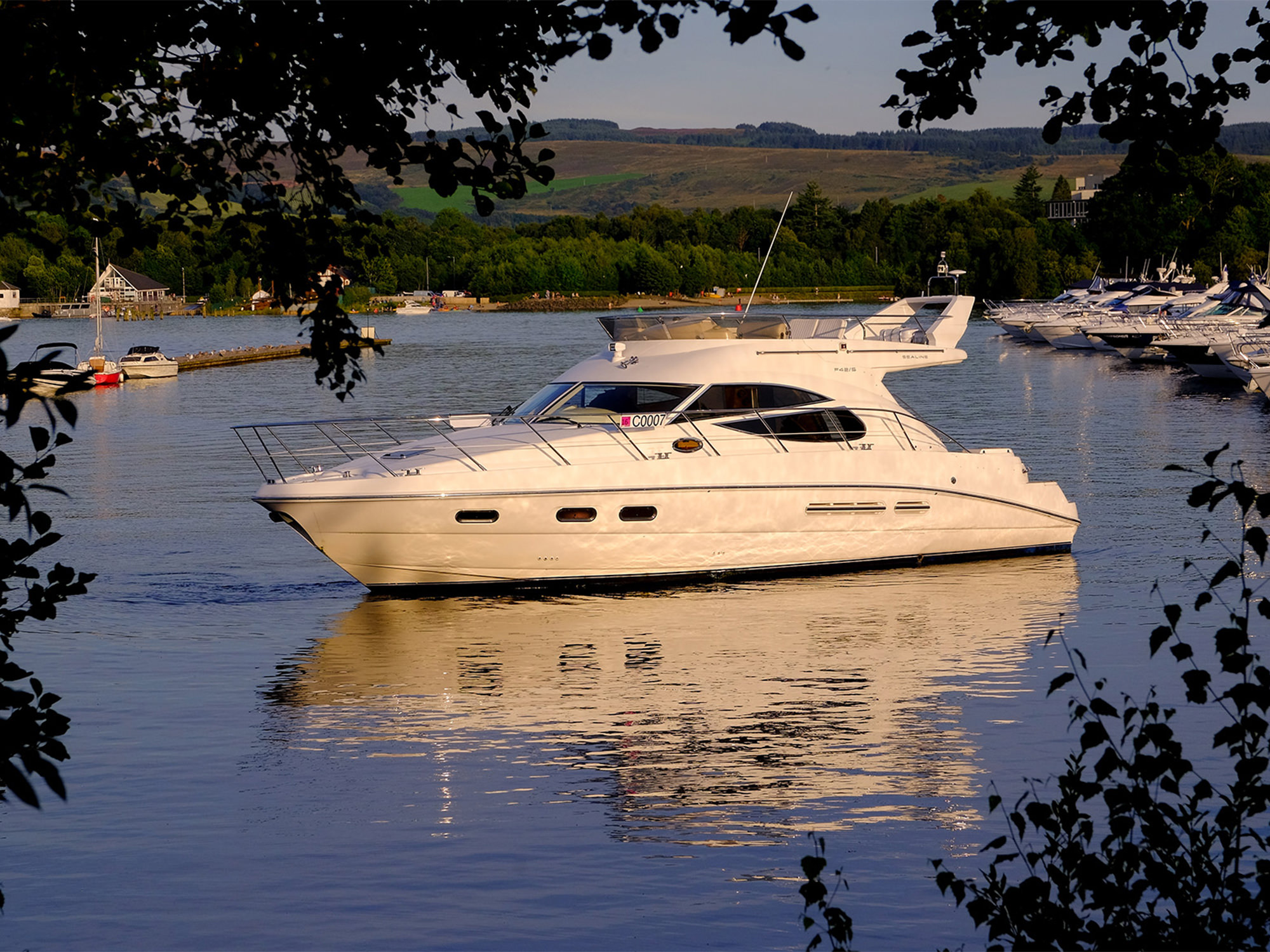
Every luxury Scottish property needs a bar that respects the nation’s spirits culture. Great Scots Bar is positioned as the resort’s evening social centre, with a strong emphasis on whisky. The drafts highlight a curated single malt selection across Scotland’s key regions, as well as staff able to guide guests through tasting flights and recommendations.
What Great Scots Bar Is Optimized For
- Pre dinner staging – an elegant transition from day activities to evening pace.
- Post dinner decompression – nightcaps, conversation, and a calmer atmosphere.
- Guided spirits exploration – especially for guests who want context around regional whisky profiles.
Food Role: Supportive, Not Competitive
Great Scots Bar is described as offering refined small plates and sharing boards designed to complement drinks rather than compete with full service restaurants. This is a deliberate operational choice. It keeps the bar identity intact, protects kitchen throughput, and prevents the venue from becoming an overflow dining room that dilutes its purpose.
Side by Side Comparison: Choosing the Right Venue by Use Case
The most useful comparison is not which venue is best. It is which venue is best for a specific scenario. The table below translates the three venues into a decision framework.
| Criteria | The Tavern | The Clubhouse | Great Scots Bar |
|---|---|---|---|
| Primary function | Full service restaurant | Full service restaurant | Bar with small plates |
| Best time to visit | Dinner | Lunch and early evening | Pre dinner and late evening |
| Experience driver | Warmth and comfort | Panoramic loch and course views | Whisky expertise and atmosphere |
| Who it suits best | Families, mixed groups, relaxed couples | Golfers, daytime explorers, social lunches | Spirits focused guests, couples, small groups |
Pros and Cons: Cameron House Dining Portfolio
- Pros
- Three distinct venues reduce repetition across multi night stays.
- Seasonal menu changes support freshness and repeat guest interest.
- A whisky led bar program adds depth and a strong evening identity.
- The Clubhouse leverages the Loch Lomond setting as a primary asset.
- Cons
- Five star pricing may not align with every budget.
- Peak season demand can require advance planning for reservations.
- Late night food is typically limited to bar style offerings.
Planning a Two Night Dining Itinerary That Uses the System Properly
A simple, high satisfaction structure is to let each venue do what it is designed to do:
- Night 1: Great Scots Bar for a whisky or cocktail, then The Tavern for dinner.
- Day 2 lunch: The Clubhouse for views and a lighter, contemporary meal after activities.
- Night 2: Return to Great Scots Bar for a nightcap, or repeat the venue that best matched the trip’s mood.
The Broader Context: Dining as a Primary Experience Driver
Cameron House benefits from a setting that is inherently cinematic, but the more important point is how the resort appears to operationalize that setting. The venues are designed to capture different faces of Loch Lomond: the heritage and warmth of the estate, the openness of the course and loch views, and the intimate evening culture that Scottish hospitality does so well.
Conclusion: A Cohesive Three Venue Model Built for Real Guests
Cameron House’s dining strength is not about a single headline meal. It is about cohesion. The Tavern provides approachable, comfort driven Scottish dining. The Clubhouse turns landscape into an essential part of the meal. Great Scots Bar anchors the evening with whisky culture and social design. Together, they create a portfolio that feels intentional, navigable, and aligned with the resort’s setting on Loch Lomond.
For visitors planning their first stay, the most reliable strategy is simple: book The Tavern early, reserve a daytime slot at The Clubhouse to maximize views, and treat Great Scots Bar as the connective tissue that makes the evenings feel complete.
Discover Cameron House on Loch Lomond
Category: Travel and Luxury Hospitality