

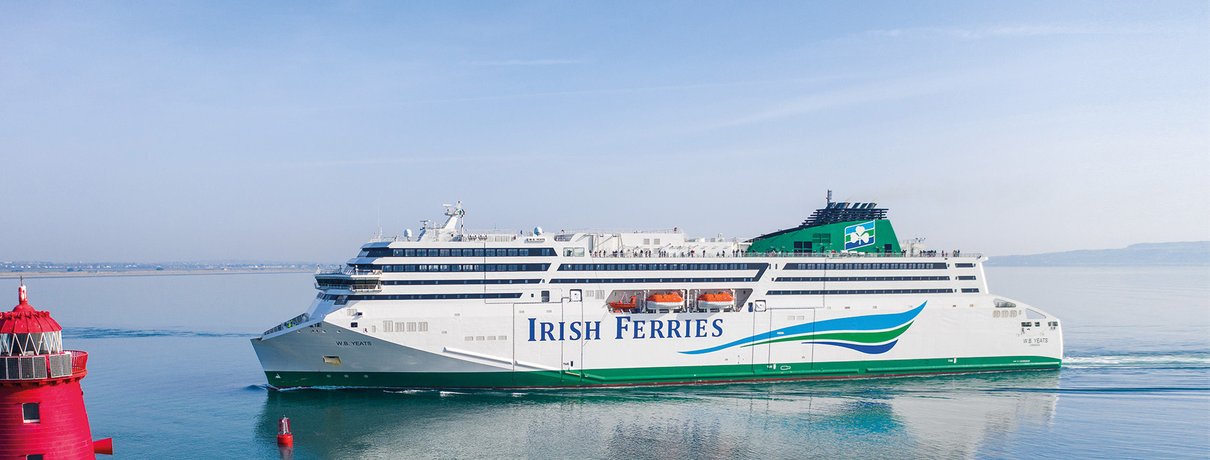
A ferry booking becomes much easier when you decide what the journey needs to do before you compare a single fare. Are you driving with family, crossing overnight, travelling with a pet, or trying to reach France with the least friction? Irish Ferries gives you useful choices across Ireland, Britain and France, so the best result comes from matching the route and ship to the trip rather than choosing on price alone.
This is the process I would use. Start with the live route search, note the dates and vehicle details, then compare the ship, cabin and practical extras that will shape the day. You can check the Dublin to Cherbourg route information while keeping the final fare decision in the booking flow.
1. Choose the crossing around your real itinerary
Put the road journey on paper first. A direct sailing can save a hotel night or a long drive through another country, while a daytime departure may feel calmer with children. Irish Ferries covers routes from Ireland to Britain and France, as well as Dover to Calais, and the right choice depends on what happens at both ends. Use the official route overview to compare departure ports, arrival times and the sort of crossing each option creates.
- Start point: calculate the drive to the port, including a realistic check-in buffer.
- Arrival plan: leave space for disembarkation, fuel, food and the first stop.
- Travel party: count adults, children, pets and any accessibility requirements.
- Vehicle: enter the correct height and length, including a roof load.
For France, I would open the Dublin to Cherbourg details early if the trip starts in Ireland. It is also worth checking current sailing updates before paying, especially around school holidays. The homepage has displayed fares such as from £56 for a car plus five, but treat that as a starting example: dates, vehicle type, route and availability move the final total.
2. Pick the ship for the kind of day you want
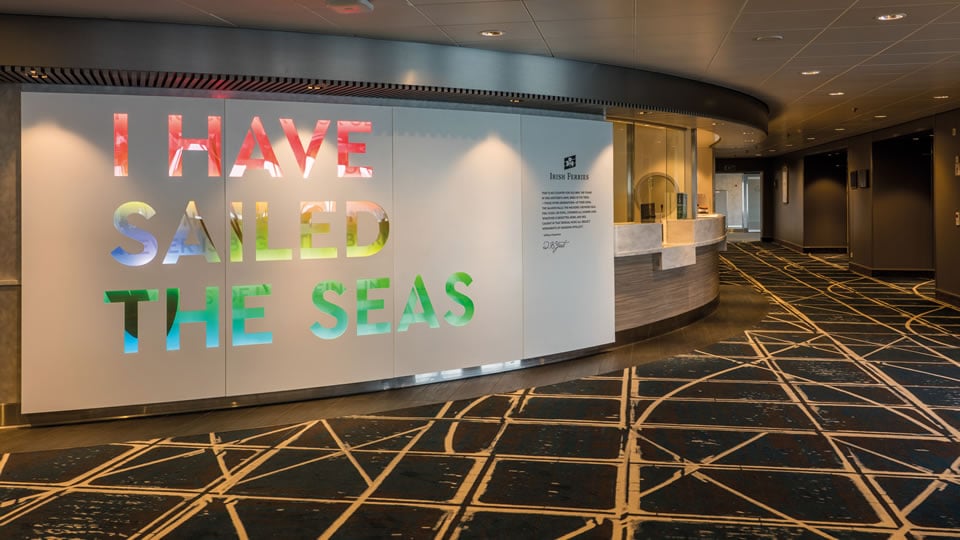
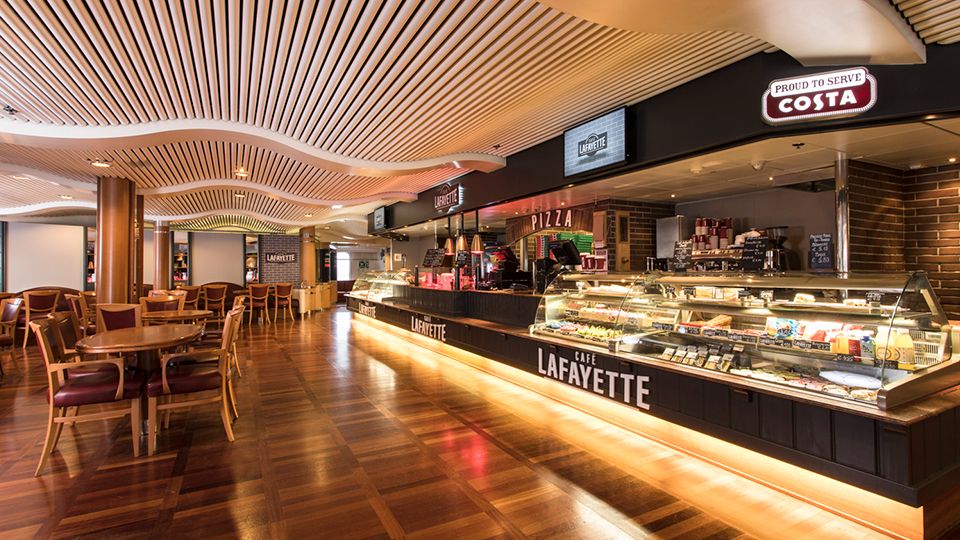
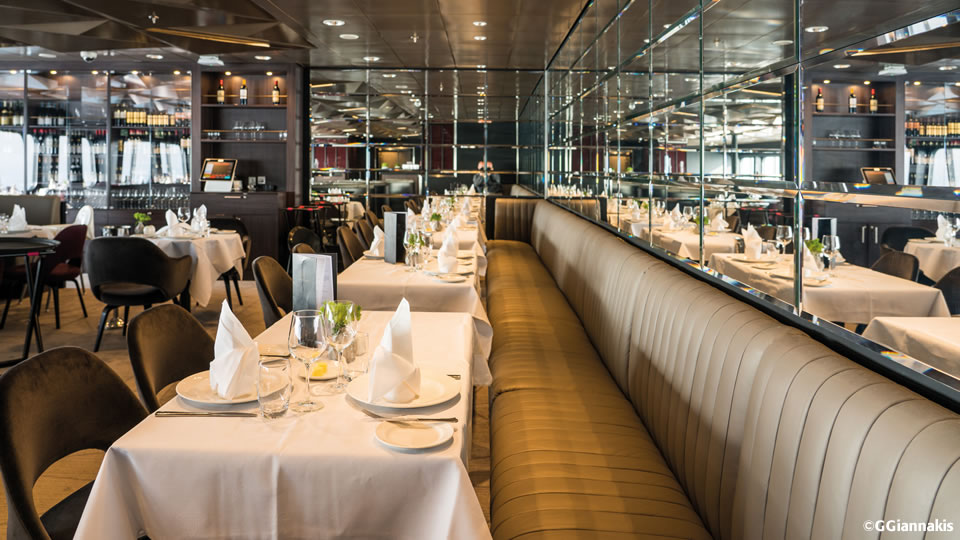
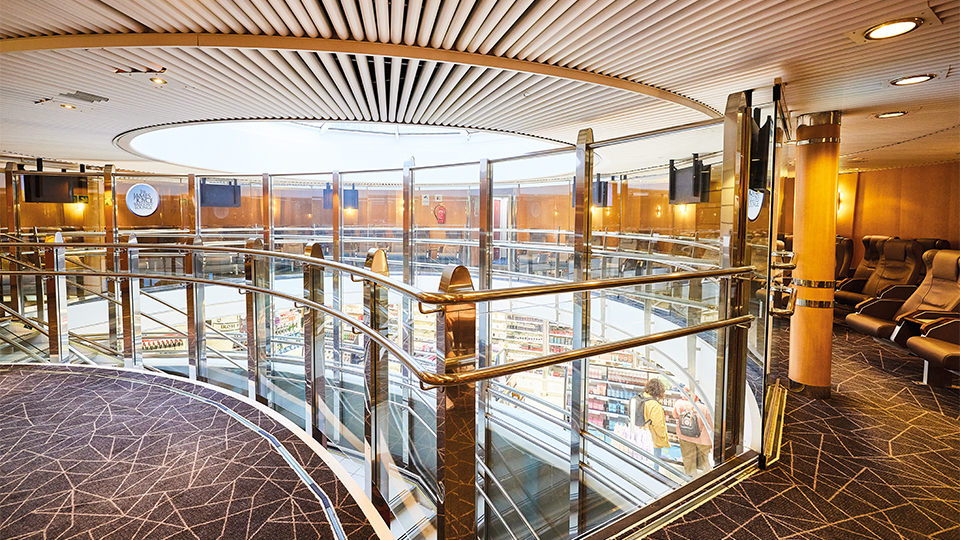
Once the route is clear, compare the named ships rather than treating every ferry as interchangeable. The W.B. Yeats is the strongest choice when the crossing is part of the holiday. Its ship page highlights cabins, restaurants, bars, shopping, cinema, Club Class and free Wi-Fi, giving an overnight or long daytime sailing more structure. Read the W.B. Yeats ship details before deciding whether the extra comfort is useful for your party.
The Ulysses is a practical comparison for Irish Sea travel, particularly when you want a larger ship with space to move around. Its onboard offer includes dining, lounges, shopping and family-friendly facilities. Compare Ulysses onboard facilities with your departure time, then ask one simple question: will you use the cabin and public areas enough to justify selecting that sailing?
For a shorter Dublin to Holyhead trip, Dublin Swift changes the calculation. The crossing is built around speed, with seating, food, shopping and Club Class available for those who want a little more space. See the Dublin Swift facilities and check the matching sailing times before assuming the fastest option is automatically the best value.
- Holiday-feel priority: shortlist W.B. Yeats.
- Flexible Irish Sea crossing: compare Ulysses with the departure that suits.
- Time-saving priority: check Dublin Swift first for eligible sailings.
- Value priority: compare the full fare, not only the headline ticket.
3. Add comfort where it will genuinely help
A cabin is not an automatic upgrade. It is most useful when you are travelling overnight, have young children, need a quiet base, or want to arrive ready for a full day. On W.B. Yeats, the range moves from standard ensuite rooms to Club, Deluxe and Premium options. Some higher categories include Club lounge access, complimentary refreshments, Wi-Fi and recharging points, while premium cabins can add panoramic sea views or a private balcony.
Use the W.B. Yeats cabin information to match the room to the people travelling. A family may value berth capacity and an ensuite more than a suite, while a couple on a special trip may prefer a window cabin. Check the current cabin availability before building the itinerary around a particular category, because the most desirable rooms can sell first.
Then look at the details that prevent small annoyances. Irish Ferries promotes choice of cabins, generous luggage convenience, pet travel options and onboard entertainment. Review the pet travel guidance if an animal is joining you, and check the luggage allowance if you are carrying sports equipment, baby gear or a roof box.
- Reserve a cabin when sleep, privacy or family downtime matters.
- Choose Club Class when lounge space and quieter seating solve a real problem.
- Check dining hours if the sailing crosses a normal meal window.
- Save the Wi-Fi and entertainment details for the final packing note.
4. Check the price like a careful traveller
Now compare the total, not the first number you see. A fare may change with date, route, passenger count, vehicle measurements, cabin type and flexibility. Add the extras you would otherwise pay for on the road, such as a hotel, meals or a last-minute change. Open the live fare search in a second tab and record the total for two or three suitable sailings before you choose.

I would also compare a flexible fare with the cheapest restricted option. Flexibility has a value when weather, school plans or a connecting hotel could move. Read the fare conditions and the booking terms before assuming a low starting price is refundable. A small difference can be sensible if it protects a much larger holiday plan.
For a final sense check, write down the three options that survive your criteria: one comfortable, one straightforward and one lowest-cost. The W.B. Yeats option may win for a restorative overnight crossing, Ulysses may suit a broader Irish Sea schedule, and Dublin Swift may win when minutes matter. The point is to make the tradeoff visible.
5. Finish with a departure-day checklist
After booking, save the confirmation and route details offline. Recheck the departure port, check-in time, vehicle dimensions and any documents required for the journey. If you are driving, pack the items that make a port wait easier rather than burying them in the boot. Review the sailing updates shortly before leaving and allow enough time for traffic around the port.
- Keep booking references and travel documents available on your phone.
- Measure the vehicle with roof boxes or bicycles attached.
- Pack medication, chargers, snacks and pet essentials in the day bag.
- Check whether your chosen restaurant, lounge or cabin feature is seasonal.
- Leave room for the first road stop after arrival.
My practical verdict is that Irish Ferries works best when you use its range deliberately. The brand combines route choice with cabins, dining, entertainment, shopping, Wi-Fi and pet-friendly planning, so it can support both a quick crossing and a more considered holiday start. Begin with the route, pick the ship, buy only the comfort you will use, and confirm the live terms before payment.
That sequence keeps the decision grounded in your actual journey. If the crossing is already becoming one of the memorable parts of the itinerary, open the ship details again and compare the available sailing before dates or cabins change.