

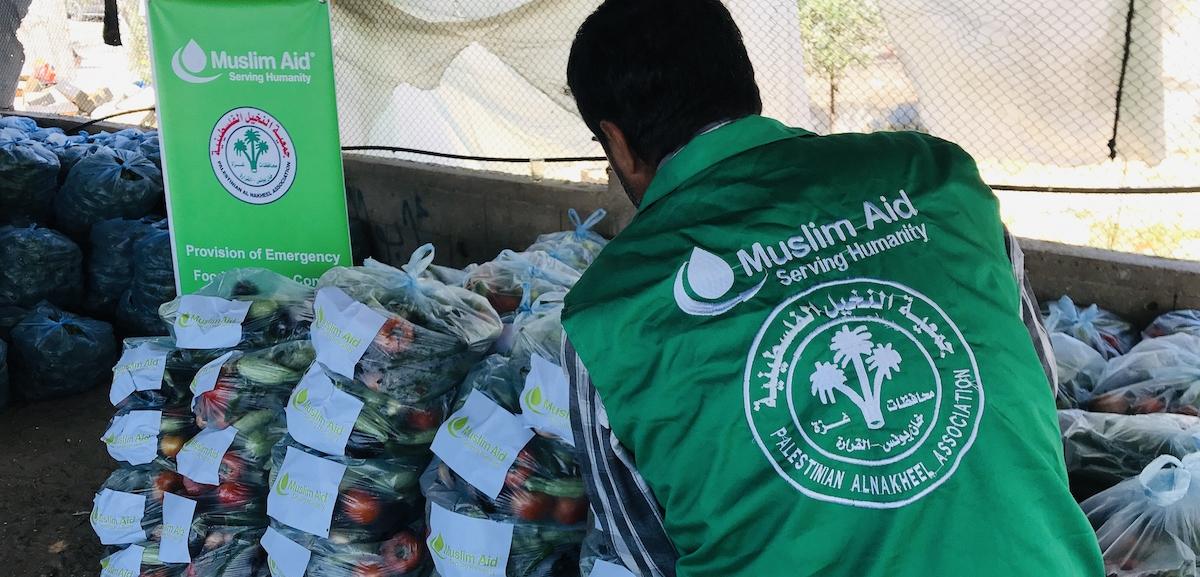
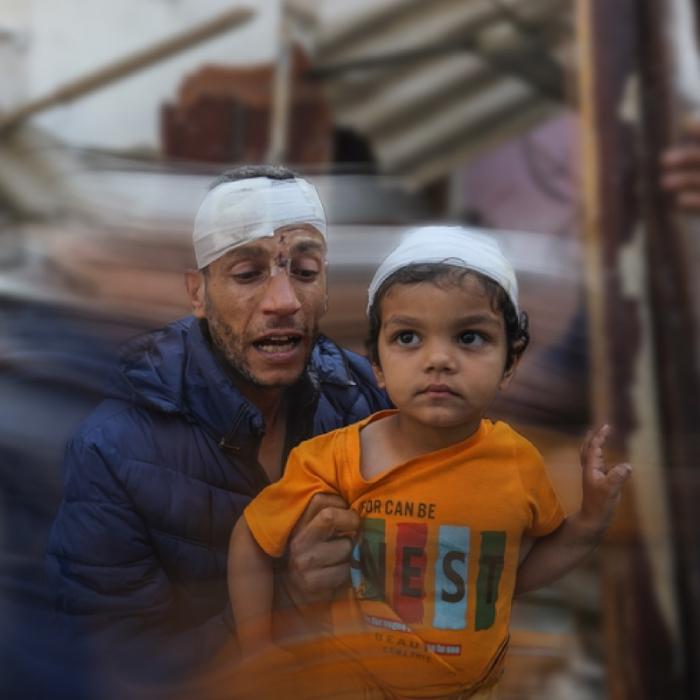
Two years after persistent fighting, the destruction of many families has become a cycle that does not appear to have an end. One cannot even start to understand that human suffering which does not stop, and fundamental needs are not fulfilled?
Can the world observe such a high level of deprivation and do something to rescue lives in time? The scale of death, injury and trauma in Gaza provokes pressing inquiries regarding the role of international communities. Families are left with impossible decisions on how to make ends meet and on whether to buy water, food, and safety yet the demolition of homes and infrastructure worsens the crisis.
The Humanitarian Crisis in Gaza
The humanitarian crisis in Gaza has changed the nature of war into an emergency of a different level. More than 65,000 Palestinians have been killed since October 2023, and thousands more injured or missing. The women and children have been disproportionately impacted and whole communities have been divided. The lack of access to basic needs including food, water and medical assistance is vastly restricted, and thus, the survival is a tentative phenomenon. It has a tremendous psychological impact on survivors and the trauma does not only impact individuals, but whole generations.
- Critical food shortages endanger thousands daily
- Access to clean water remains severely limited
- Medical facilities overwhelmed by casualties
- Mental health crises affecting children significantly
Which measures can be effectively used to relieve millions of people caught in this humanitarian disaster? It is necessary to intervene with life-saving resources in time. Organizations that specialize in the delivery of food, water, and medical supplies have an important role in alleviating the immediate misery. Moreover, awareness campaigns assist to facilitate the support of international communities, and as a result, the aid can reach the most vulnerable people in the shortest time possible and in the most efficient manner.
How Is MUSLIM AID Responding?
Is it possible that relief organizations can change the crisis of the affected people in Gaza? MUSLUM AID has intervened through specific efforts to offer emergency aid. The organization takes care of the short-term survival and the long-term recovery by targeting the provision of the clean water, food, and medical services to those who need them the most. These are the attempts to rebuild hope and stability on the lives of families that are ruined by the ongoing conflict.
The programs that MUSLIM AID has been undertaking are one of a kind since they are quick response programs with long term solutions. Not only emergency aid meets the urgent needs but also empowers infrastructure so that communities can overcome crisis in the future. This two-fold strategy will be guaranteed to ensure that relief activity has a positive enduring effect, and not just a temporary soothing effect.
- Provides clean water in conflict zones
- Supplies essential food packages consistently
- Supports medical care for injured civilians
By integrating emergency response with long-term planning, MUSLIM AID ensures that affected populations receive the most effective support. This approach not only saves lives today but empowers communities to recover more resiliently, engaging supporters with visible and measurable results.
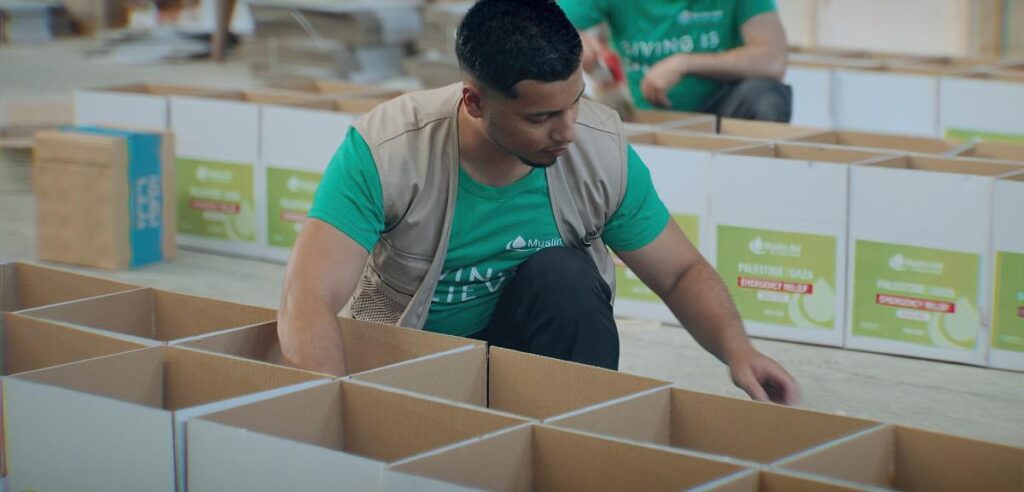
GAZA EMERGENCY RELIEF PACK
Gaza Emergency Relief Pack is a pack created to address short-term survival requirements in war zones. In every pack, there is basic medical equipment, water purification devices, and essential food. The products are also well chosen with the aim of ensuring nutrition, hydration, and safety to people and families that are exposed to life threatening conditions. It is the most efficient in delivering aid since it helps to deal with several urgent needs at the same time.
GAZA EMERGENCY RELIEF PACK will help people in Gaza receive the essentials as soon as possible. The supplies are carefully measured, and they consist of food high in calories, water filtration systems, and first aid supplies which can keep the families going through days of continuous violence. This broad based support counteracts the short-term threat of starvation and sickness.
Act Now to Support Life-Saving Aid!
STARVATION RELIEF FOOD KIT
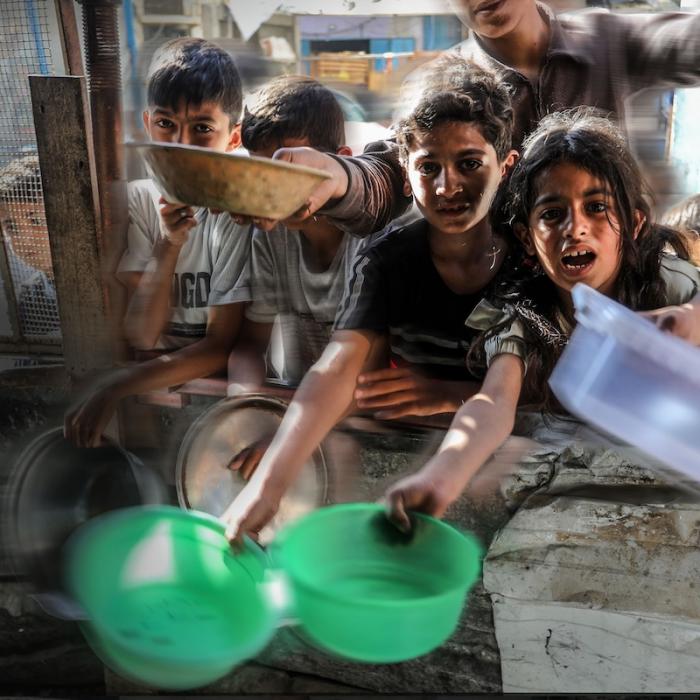
The STARVATION RELIEF FOOD KIT is aimed at avoiding hunger and malnutrition. All the kits include healthy nutritious food, which fits the needs of all age groups, including the dieting needs of children. These kits would supply food that would sustain one during times of extreme weather in areas where food is scarce or non-existent.
STARVATION RELIEF FOOD KIT is also designed to provide healthy, balanced nutrition, comprising of proteins, carbohydrates, and vitamins required in crisis situations. It is tailored to be distributed fast and prepared easy so that even in difficult situations, families in Gaza can obtain the essential food resources.
Deliver Essential Nutrition Today!
CLEAN WATER EMERGENCY PACK
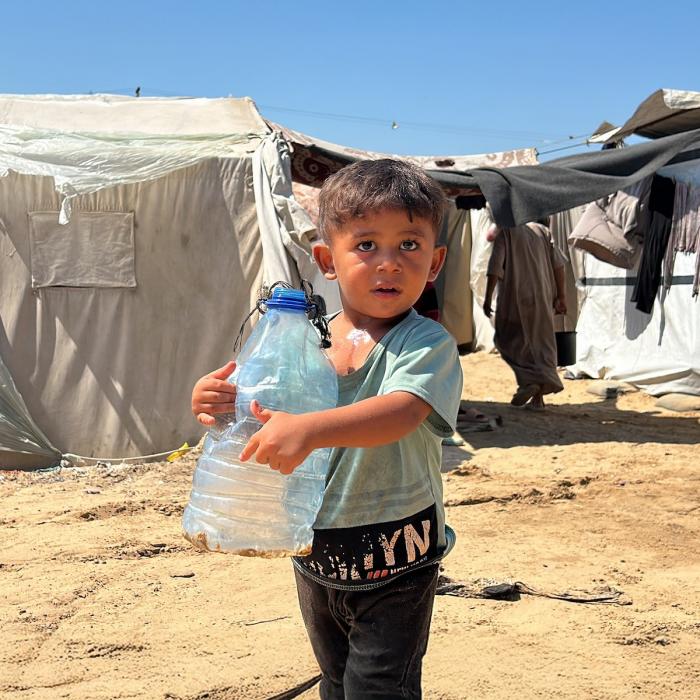
Clean water accessibility in Gaza is very low and polluted water has emerged an issue of serious health hazard. The CLEAN WATER EMERGENY PACK will equip families with purification pills, safe storage devices, and information on how to keep water safe. The packs are critical towards the prevention of waterborne diseases especially in conflict prone regions where sanitation facilities are destroyed.
CLEAN WATER EMERGENCY PACK provides the quick access to the safe water and assists to decrease the cases of diseases expansion and enhance the health condition in general. These packs enable communities to stay hygienic and prevent water-borne diseases by providing the families with sure ways of purifying their water.
Emergency Support for the Most Vulnerable
In addition to ensuring survival in the short-term, the current support in Gaza aims at the vulnerable groups of the population, including children, the elderly, and pregnant mothers. The priority in aid distribution is given to these groups to minimize mortality and aid in recovery. The right to healthcare, food, and clean water are basic rights that guarantee the right to life and dignity.
Moreover, they are making trauma counseling and educational support a part of the aid programs. This holistic view has identified that survival is not merely limited to physical needs, but also mental and social well being. Restoration programs are used to bring a sense of normalcy in communities, which cannot withstand long periods of conflict.
Long-Term Recovery Efforts
While emergency relief addresses urgent needs, long-term recovery strategies are equally important. Rebuilding infrastructure, restoring water systems, and providing sustainable food sources help communities in Gaza regain stability. Training and capacity-building for local populations empower residents to manage resources independently, reducing reliance on intermittent aid and creating a foundation for future resilience.
These initiatives also include advocacy for international support and policy changes, ensuring that the region receives ongoing attention from humanitarian organizations and governments. By combining immediate and long-term solutions, recovery efforts aim to break the cycle of vulnerability.
Hope Amid Destruction
Even in the midst of unrelenting conflict, efforts to provide relief demonstrate the power of human compassion. Organizations delivering food, water, and medical care show that support can reach even the most vulnerable communities. Highlighting stories of resilience and recovery reinforces the importance of sustained aid and global awareness.
The work of relief organizations encourages communities to maintain hope, even when infrastructure and basic services are destroyed. By combining emergency assistance with education and advocacy, these initiatives create pathways for both survival and eventual stability in Gaza.
Standing for Humanity
The ongoing crisis in Gaza underscores the urgency of humanitarian intervention. Thousands of lives hang in the balance, with families facing unimaginable choices to survive. Immediate aid, including food, water, and medical support, is critical to preventing further suffering and mortality.
Long-term solutions are equally essential. Rebuilding essential infrastructure, empowering communities, and providing sustainable access to basic needs will create resilience and hope for generations to come. Advocacy and global engagement remain key to ensuring that relief efforts reach those most in need.
The work of organizations such as MUSLIM AID demonstrates that effective intervention is possible. Combining emergency support with sustainable solutions can save lives and help restore dignity, providing a lifeline for countless families caught in conflict.