

A research-led look at Frameless’s projection-led galleries, its changing programme and the visitors most likely to enjoy the format.
Frameless makes a clear promise: art should fill the room, move around you and meet you through sound as well as image. Its London venue builds that proposition across four galleries, with projections drawing on a selection of well-known works. The question is whether spectacle adds enough to the art, or pushes close looking into the background.
We reviewed the venue’s published experience and ticket information. That points to a distinctive option for visitors who value scale, movement and an easy-to-navigate outing, with some limits for anyone seeking the quiet pace or original objects of a traditional gallery.
Heads-up: we earn a commission from some links in this article. It never changes the price you pay.
What you need to know
- The core visit spans four projection-led galleries and 42 masterpieces, according to Frameless.
- Standard admission is the direct route into the main experience; check the linked ticket page for current availability and access information.
- FRAMELESS Lates adds an 18+ evening setting, a café bar and a curated Soho Radio soundtrack.
- A changing residency such as the Comedy Wildlife Awards adds topical variety, while the format itself favours atmosphere over sustained study of original works.
Four galleries make atmosphere the main draw
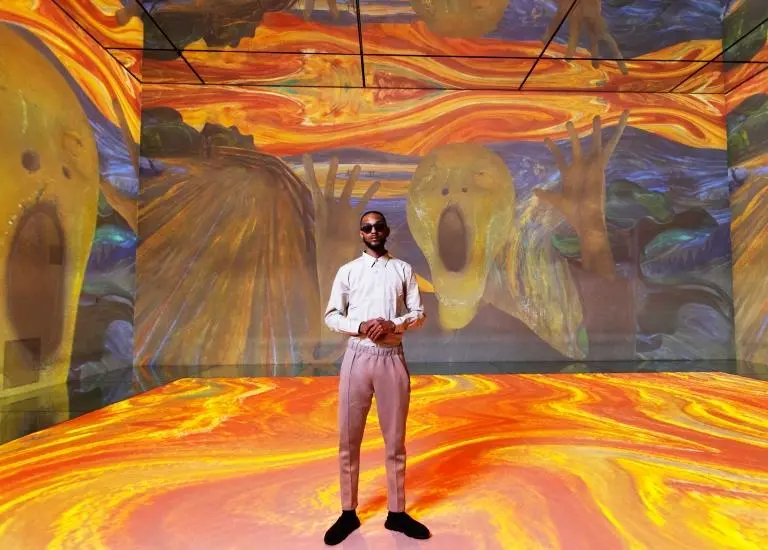
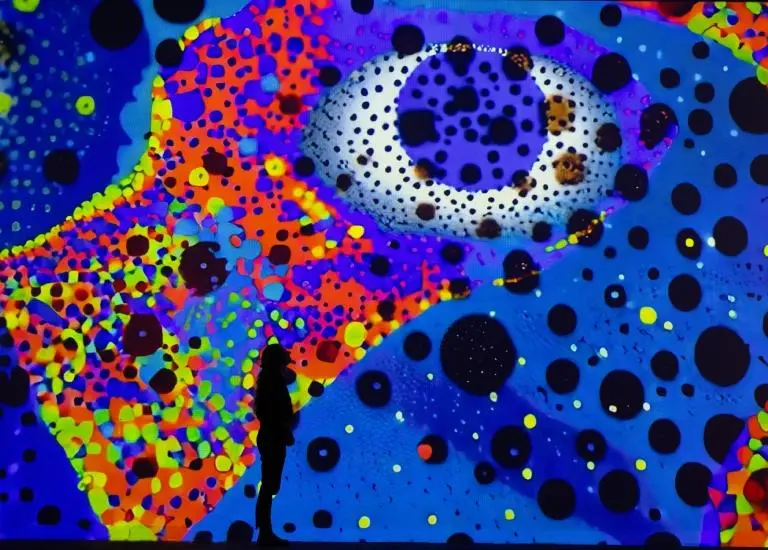
The strongest idea behind Frameless is not simply large screens. The venue groups artworks into four themed galleries and surrounds visitors with moving projections and sound. The site says the programme brings 42 masterpieces to life, giving a first visit a clear shape without asking guests to plan a route through a sprawling collection. For a London day built around a shared visual experience, that structure is accessible.
It is also a particular way of encountering art. Projection can bring details forward and make scale feel immediate, but it is not the same as standing before an original canvas. The presentation puts the room, soundtrack and changing image in the foreground. Visitors who want labels, conservation context or an unhurried view of an object may find the format comparatively light on those things. The standard admission page is the best place to confirm the current visit details before deciding.
Visitors who want to understand the venue’s emphasis can start with Standard admission. It covers the main experience, while its value depends on how much a visitor enjoys immersive staging. A quick scan of the ticket information helps set expectations around timings and access before travel.

The programme adds variety but can change
Frameless’s temporary strands help the venue feel more like an active programme than a fixed set of rooms. The site has promoted Bodies Unbound and In Bloom, while its Lates page features the Comedy Wildlife Awards residency. These are concrete reasons to check what is currently showing: a returning visitor may find a new theme, and a first-timer can choose an angle that suits their interest.
There is a trade-off in that variety. Temporary content can be time-sensitive, so older coverage may not describe what is on during a future visit. Treat the linked residency page as programme information, not a promise that every listed feature will remain indefinitely. For the enduring proposition, the four galleries matter more than any one seasonal layer; the standard ticket details set out that core visit.
- Look for the current gallery and residency listings before choosing a date.
- Decide whether the main draw is the full gallery sequence or a specific programme strand.
- Check the ticket page for access details and available visit options.
Lates suits an evening out more than a quieter gallery visit
FRAMELESS Lates adjusts the atmosphere rather than replacing the core format. Frameless describes it as an adults-only after-hours visit, with a café bar serving drinks, a curated soundtrack from Soho Radio and a rotating Blank Canvas residency included with admission. Together these features make it easier to frame the visit as an evening occasion with friends or a date. In practical terms, standard admission is the simpler choice for a daytime first visit; Lates is the better fit when the after-hours soundtrack and bar are part of the appeal. Both keep the galleries at the centre, so the extra is about setting rather than a different art collection.
The addition is relevant for visitors who want a social setting around the galleries. Compare the Lates information with standard admission if timing will shape the outing. It may be less compelling for people whose priority is silence, concentration or a conventional museum rhythm: the evening format expressly adds music and a bar. Details can vary with the programme, so check the FRAMELESS Lates before making plans. Its page sets out the current experience, while the main Lates information is more useful than assuming each event is identical.

The format rewards shared viewing more than close study
That distinction is the deciding factor. The images and room-scale movement give groups a common point of focus, and visitors can respond to the work at their own pace. But a moving projection environment naturally directs attention across a room; it offers less of the object-by-object comparison and interpretation that many art museums provide. This is not a flaw so much as a clear editorial boundary around what Frameless does.
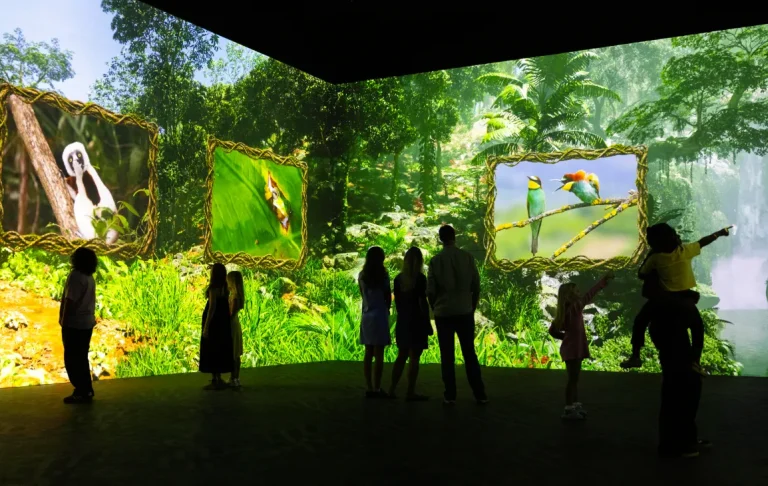
For a concrete example of its more playful side, the Comedy Wildlife Awards residency pairs an accessible subject with the venue’s immersive setting. The linked programme listing helps visitors decide whether that current strand is relevant. Readers comparing occasions can also review the FRAMELESS Lates option and the standard visit information side by side. It should be treated as an extra rather than the whole reason to book, because the core ticket is built around the four galleries.
- Good fit: visitors who enjoy vivid, shared, sensory presentations of familiar art.
- Consider carefully: visitors who need extensive written context, stillness or original works.
- Check first: the current programme, ticket options and accessibility information.
Is Frameless the right art visit for your plans?
We recommend Frameless for visitors who want a visually immersive London outing, particularly in a group, and who are comfortable with art presented through projection and sound. The four-gallery structure is easy to understand, and the changing strands plus FRAMELESS Lates give the venue more than one possible mood.
Our reservation is straightforward: this format cannot replace the detail of seeing original works or the context of a collection-led museum. If that is your priority, choose a conventional gallery; if atmosphere and scale matter more, check the current standard ticket options and programme before booking. The venue’s own standard admission information and Lates listing are the best sources for the latest details.