
Hair extensions are easy to compare badly. One brand highlights length, another talks about volume, and a third wins the price headline while leaving you to work out the fitting and maintenance costs. I looked at Cliphair through the questions buyers actually ask: what method suits a normal week, how convincing is the colour range, what does the starting price look like, and how much care does the hair need?
The short answer is encouraging. Cliphair offers a broad selection of Remy human hair methods, from tape and flat weft to flat tip and nano ring, with visible prices and shade-specific pages. It is not automatically the cheapest route, and permanent methods need more commitment than a clip-in alternative. But for shoppers who want choice and a clear path from matching to maintenance, the range is unusually easy to compare.
What you are really comparing
The first decision is not colour. It is how often you want to wear the hair and how much fitting time you can accept. Typical clip-in extensions are the quickest occasional solution: put them in for an event, remove them at night, and store them away. Tape, flat tip and nano ring options are designed for a more continuous result, but they ask for better sectioning, professional fitting or a more careful maintenance routine.
- Occasional volume: clip-ins are usually the simplest choice for weekends and events.
- Low-profile daily wear: tape can sit close to the head when fitted correctly.
- Flexible movement: flat tip and nano ring methods avoid a visible tape edge, but need skilled application.
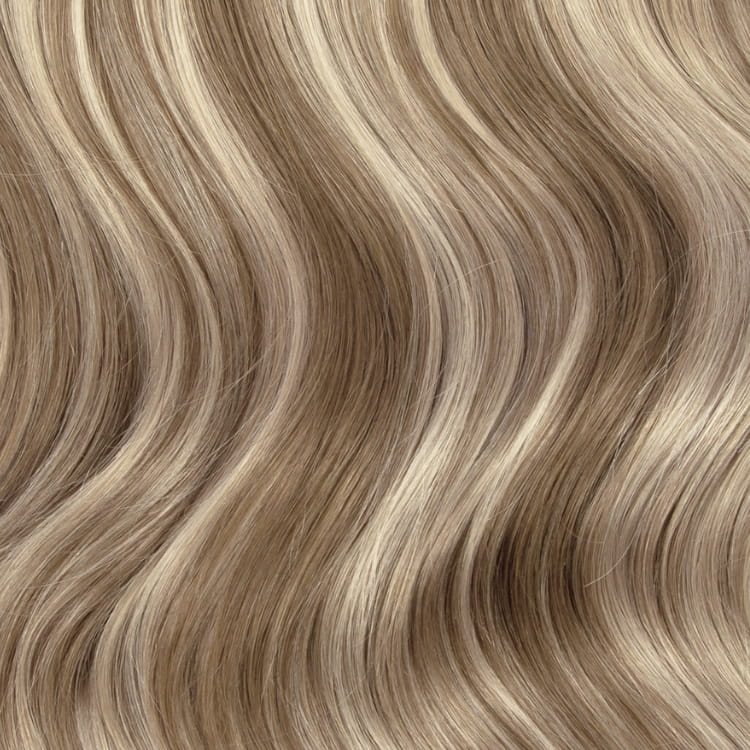
- Colour-led blending: balayage and multi-tone shades can save you from forcing one flat colour to match.
That makes Cliphair a stronger rival to specialist extension retailers than to a basic high-street clip-in pack. The comparison is about a complete system: hair quality, method, shade, fitting and aftercare. A lower headline price elsewhere may still become less attractive if you need to replace dry lengths quickly or buy separate care products.
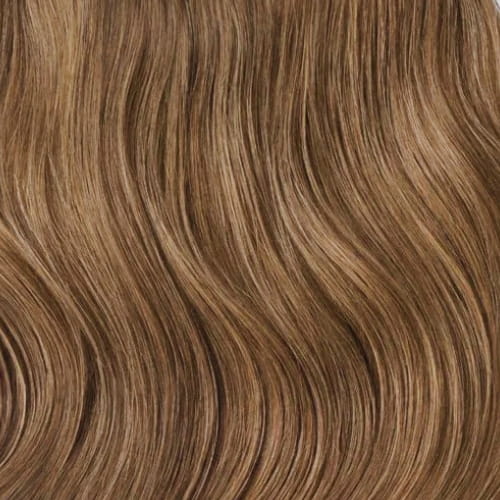
For a direct price check, the Medium Ash Brown Remy Royale Tape Hair Extensions are listed at £106. That is more than a disposable synthetic set, but it sits within the expected territory for human hair that is intended to be blended, styled and reused. The practical advantage is that the page gives you a named shade and method to compare, rather than a vague “brown extensions” listing.
Three Cliphair products that clarify the value
The most useful part of the range is its variety. These three examples cover different buyers and show why the brand cannot be judged by one average price. You can compare extension methods alongside colour-led options before choosing.
- Oak Brondie Flat Tip: listed at £105, this Remy Royale flat tip option is a sensible match for someone who wants a permanent-looking blend without choosing tape.
- Espresso Melt Balayage Flat Weft: listed at £181, this is a premium colour-led choice for shoppers who need dimension rather than one uniform shade.
- Arctic Blonde Nano Ring: listed at £101, this offers a nano ring route for very light hair and buyers who prefer a small attachment format.
The Oak Brondie Remy Royale Flat Tip Hair Extensions make the clearest case for value. At £105, they cost more than a quick synthetic fix, yet the named Remy Royale construction and warm blended shade give you a more considered starting point. Flat tip is also a useful middle ground if tape maintenance does not suit your routine.
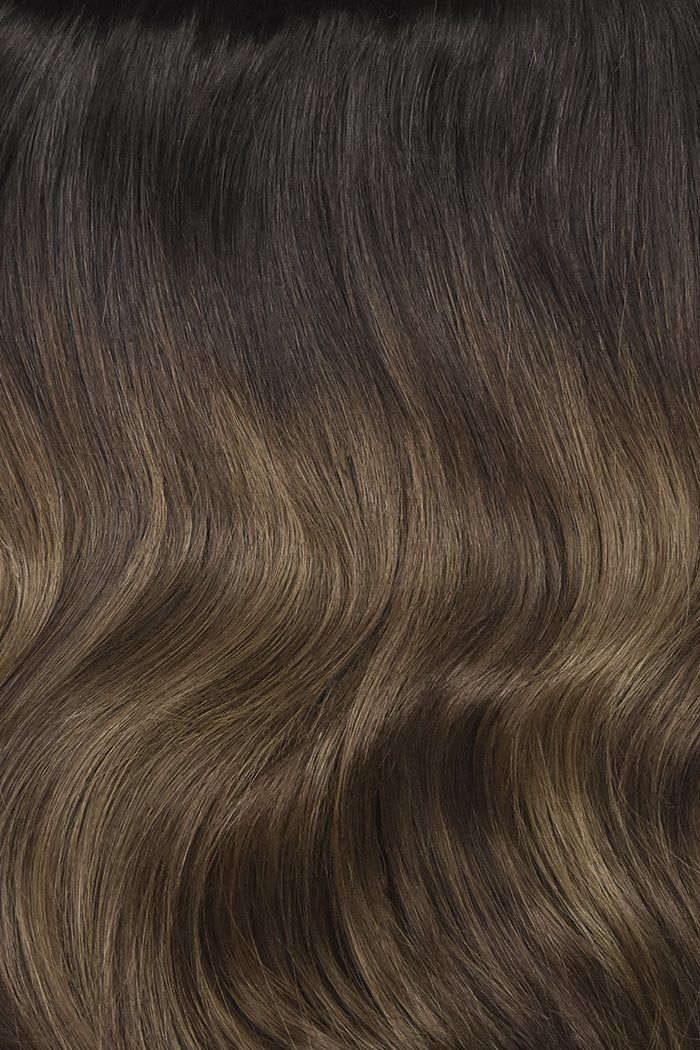
At the other end, Espresso Melt Balayage Remy Royale Flat Weft Hair Extensions are listed at £181. That is the kind of price that deserves scrutiny. You are paying for a more involved colour story and a flat weft format, so it makes sense for a shopper who already knows they need a weft and wants tonal movement. It is less convincing if you simply want a little extra fullness.
The Arctic Blonde Nano Ring Hair Extensions come in at £101. Nano rings can appeal when a small attachment matters, although the final result depends heavily on section placement, hair density and the skill of the fitter. In other words, the installation is part of the product, not an afterthought.
Where Cliphair beats the usual alternatives
Choice is the main win. A typical general retailer may offer a small group of clip-ins and a handful of colours. Cliphair gives buyers more routes to the same goal, which matters when your hair is fine, layered, highlighted or difficult to match. The range also includes extension-specific care, rather than leaving you to guess whether an ordinary shampoo is suitable.
- Method variety: tape, weft, flat tip and nano ring options support different wearing habits.
- Named colour stories: blended shades can look more natural than a single-block colour.
- Human hair focus: Remy options are more useful for styling than many low-cost synthetic alternatives.
- Care ecosystem: removal, heat protection, toning and detangling products make the aftercare conversation clearer.
The trade-off is decision fatigue. More methods mean more ways to choose incorrectly. A salon consultation may be worth the extra cost if you are unsure about density or attachment type, and no online page can guarantee a perfect colour match on every screen. Do not treat the lowest listed price as the full cost: include fitting, removal, maintenance and the time needed to care for the lengths.
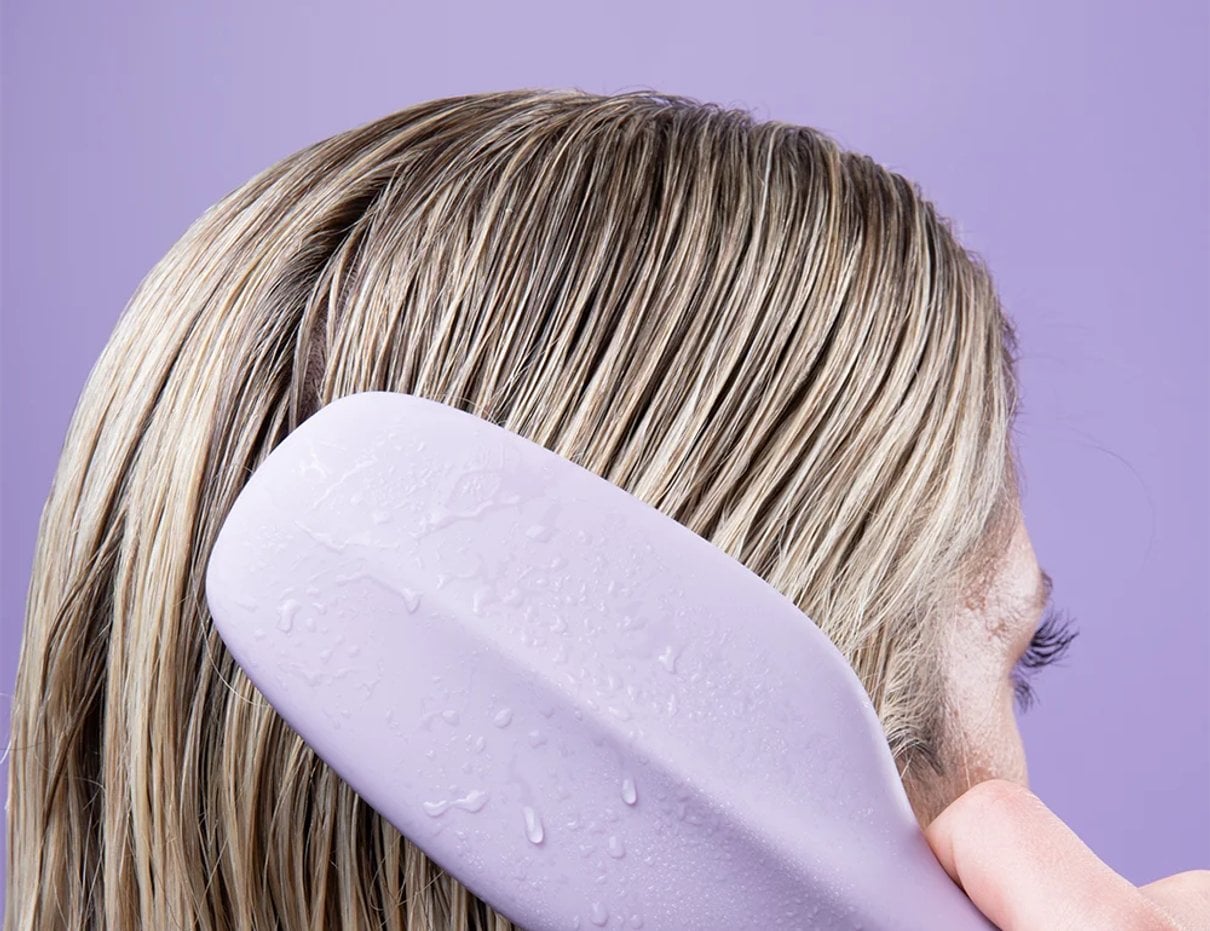
Care is also where bargain alternatives often lose their shine. Cliphair extension care includes a gentle remover, heat protection and toning care. The point is not that you need every bottle. It is that the brand makes the maintenance stage visible, which is helpful for first-time buyers who might otherwise use products that dry or tangle the hair. Start by checking the care essentials that match your method.
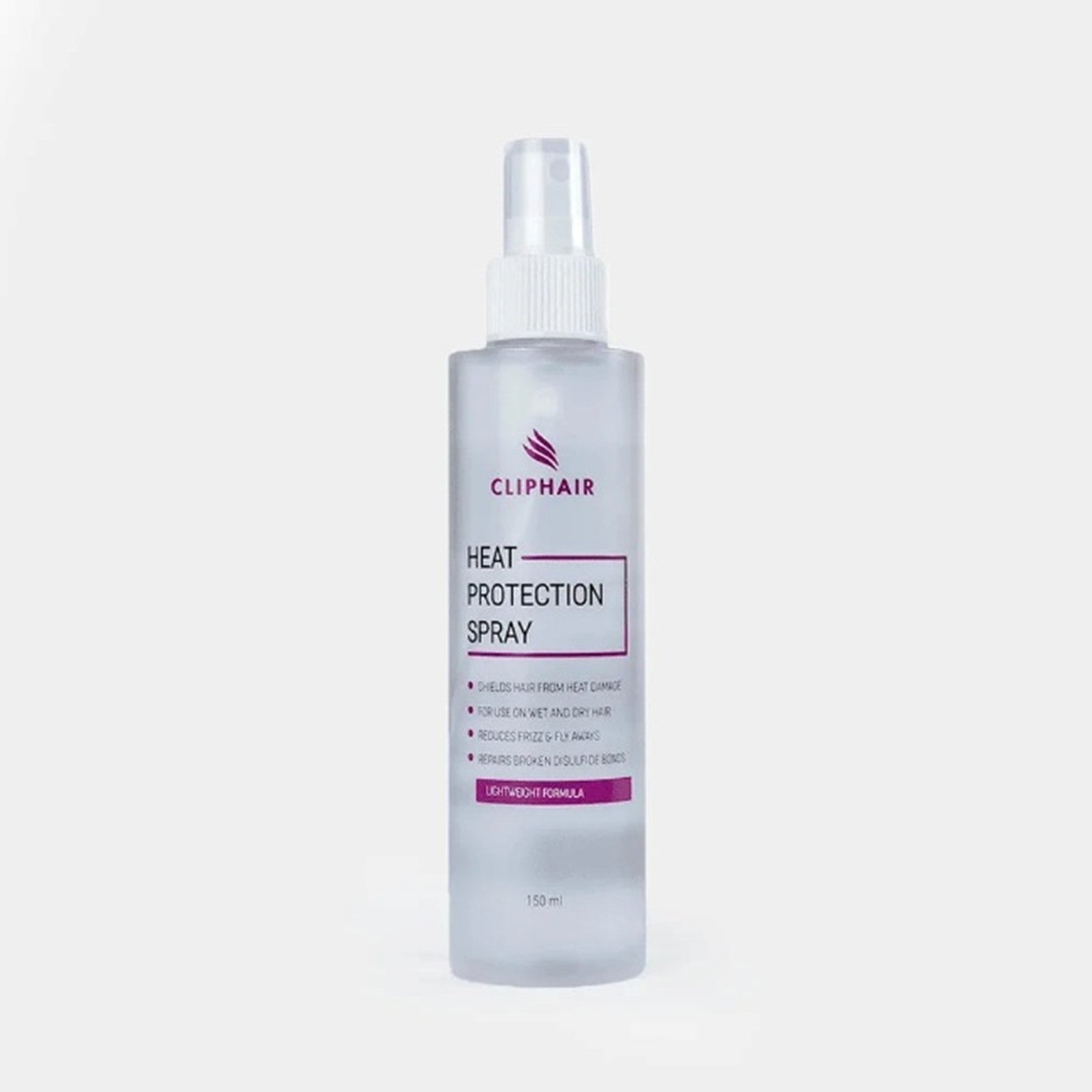
The Hair Extension Heat Protection Spray is a particularly practical companion for anyone who blow-dries or uses hot tools. Compare heat protection with a cheaper set that looks good out of the packet but has no clear care guidance. The better buy is not always the smaller basket total; it is the option that stays wearable for longer.
The honest drawbacks
Cliphair is not the effortless choice for everyone. Permanent methods require planning, and some shoppers will prefer the simplicity of clip-ins. Product prices also move from around £101 to £181 in these examples, so a full head can become a meaningful spend before fitting is added. The product photos are useful for understanding shades, but they cannot replace seeing a swatch beside your own hair.
There is also a learning curve around care. You need to brush gently, avoid pulling attachments, dry the hair properly and follow method-specific instructions. If you want a five-minute change with no ongoing commitment, a basic clip-in set remains the better alternative. That is not a failure of Cliphair; it is simply a different use case.
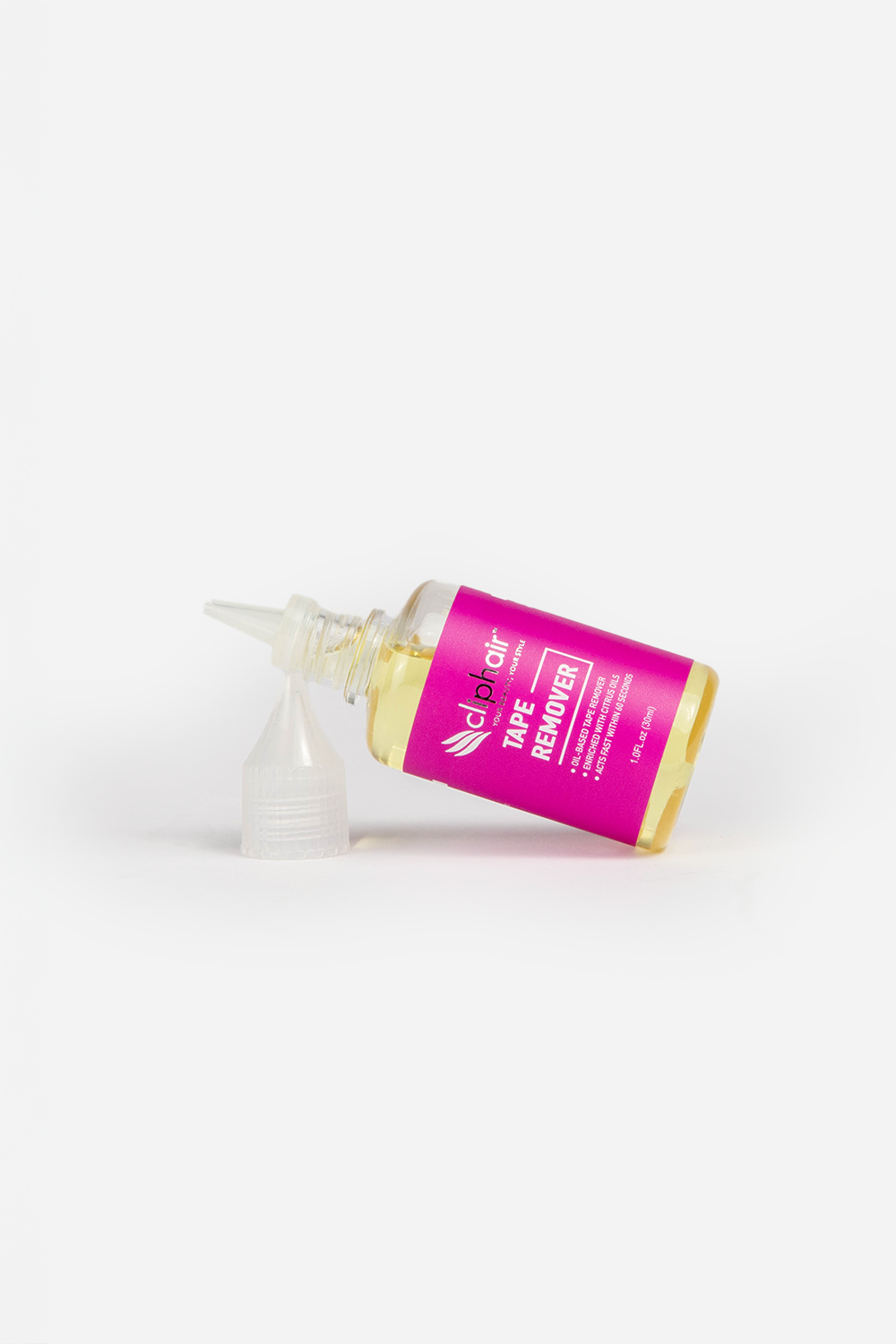
A dedicated tape remover is another reminder that method choice affects the whole ownership cycle. Buyers comparing tape with clip-ins should count this extra step honestly. Buyers who want longer wear and a salon-finished blend may find the trade-off worthwhile.
My recommendation after comparing the range
I recommend Cliphair for shoppers who want genuine method choice, human hair options and enough supporting care information to build a realistic routine. The strongest starting points are the £105 Oak Brondie Flat Tip for a warm blended look, the £106 Medium Ash Brown Tape for a close-to-the-head daily option, and the £101 Arctic Blonde Nano Ring for a light shade with a discreet attachment style.
I would choose a typical alternative instead if your priority is occasional wear, the lowest possible upfront cost or no fitting commitment. For everyone else, Cliphair earns the recommendation because it lets you compare the method and the shade together, then supports the less glamorous but essential care stage. Check the current product page, confirm the match and include fitting in your budget before ordering.
Prices and availability can change, so use the linked product pages as the final check before you make a decision. The best extension purchase is the one that fits your wearing habits, your colour and your willingness to maintain it.