

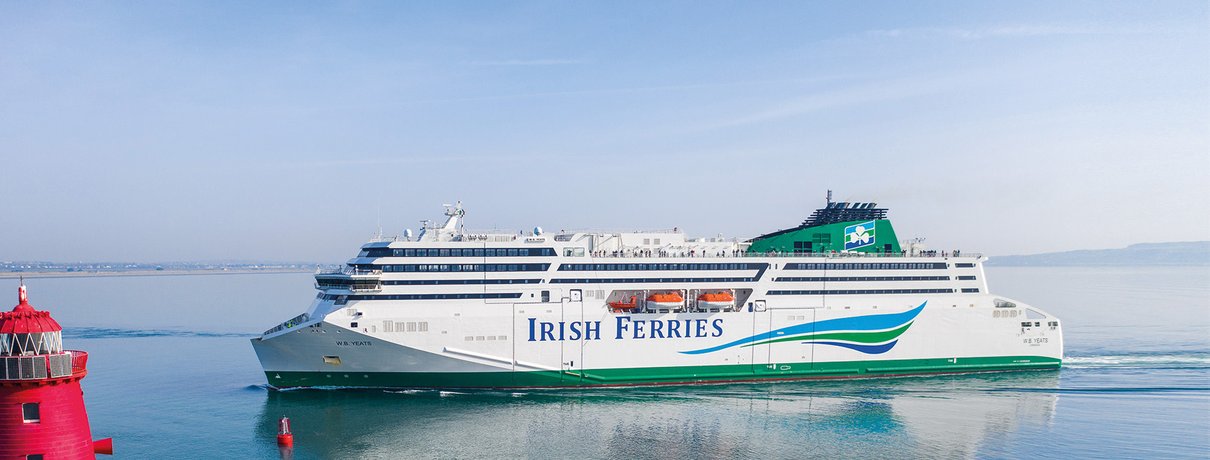
Use this step-by-step guide to match your crossing, onboard space and onward plan to the kind of France trip you want.
Planning a ferry trip to France is a chain of decisions: where to cross, whether you need a cabin, and how you will continue after arrival. Irish Ferries lists the Dublin-Cherbourg route, onboard information and selected holiday options on its UK-facing travel pages. Treat each as a separate planning decision and check whether a crossing, rail leg or stay is booked independently.
The useful question is not simply which sailing looks convenient. It is whether the crossing fits the passengers, vehicle and first hours of your itinerary. We reviewed the brand’s route and service information to map out a practical order for making those choices.
Heads-up: we earn a commission from some links in this article. It never changes the price you pay.
What you need to know
- Dublin-Cherbourg is the direct ferry option to compare when taking a vehicle.
- W.B. Yeats lists cabins, lounges and dining spaces for the crossing.
- Ireland-France Sail & Rail is a separate option for car-free travel with rail connections.
- Eurocamp holiday parks can pair ferry travel with a selected French stay.
Start with your arrival plan, then compare onboard arrangements and the full trip cost drivers before you choose. The pages linked here describe options; availability and booking details can change, so check the current route and travel conditions with Irish Ferries UK new before making a decision. Check the current crossing information alongside your dates.
Choose the crossing around your first day in France
For a vehicle journey, begin with the Dublin-Cherbourg route. Its appeal is the direct sea connection between Ireland and Normandy, with your own car available for the onward drive. That can suit a trip where the first stay, sightseeing stops or luggage make a car useful. Check the departure and arrival details against your accommodation location, planned driving distance and the time you want to reach your first stop.
The route page is the place to confirm current sailing patterns and booking details. A map helps set the broad geography, but it does not replace checking arrival times or road travel for the actual date. Recheck Dublin-Cherbourg sailing details before fixing transfers. If your plans depend on a same-day onward connection, leave room for the port arrival process and the drive rather than treating the crossing as the whole journey.
Use this quick sequence before selecting a sailing:
- Mark your first overnight stop and the distance from Cherbourg.
- Decide whether bringing a car solves a real need during the stay.
- Check the route timetable against check-in guidance and arrival plans.
- Keep an alternative for the first day if traffic or port timing changes.
When comparing options, focus on the trip shape: driving flexibility, departure timing and how much of the holiday sits beyond the port. The Dublin-Cherbourg route details can help you assess those trade-offs before you move on to onboard choices. The route information keeps the port and drive in view.
Match W.B. Yeats space to the crossing
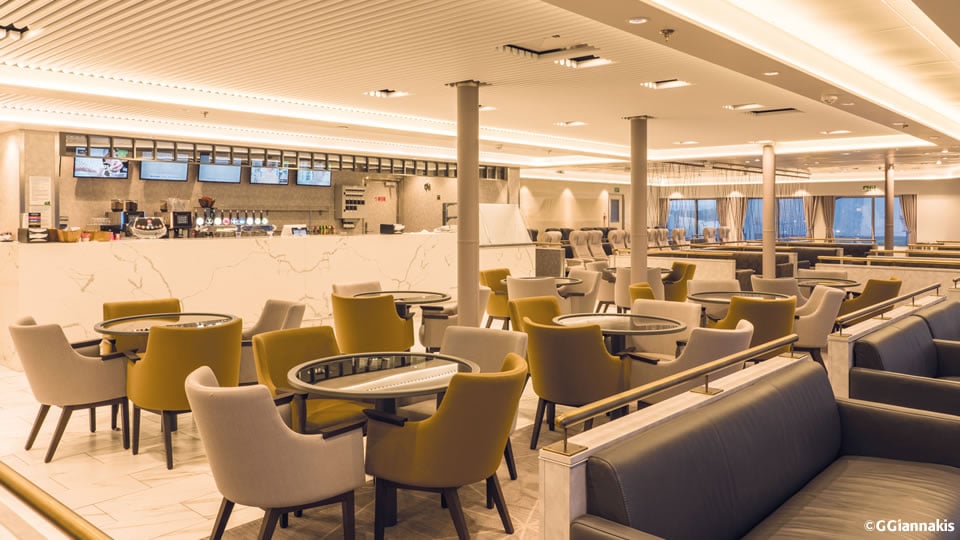
Next, decide how you want to spend the time onboard. The W.B. Yeats page describes cabins and public spaces, including dining and lounge options. A cabin is worth considering when privacy, rest or a family base matters; travellers who are comfortable using shared spaces may prefer to compare seating and lounge choices instead. The right answer depends on passenger needs and sailing time, not on a generic idea of luxury.
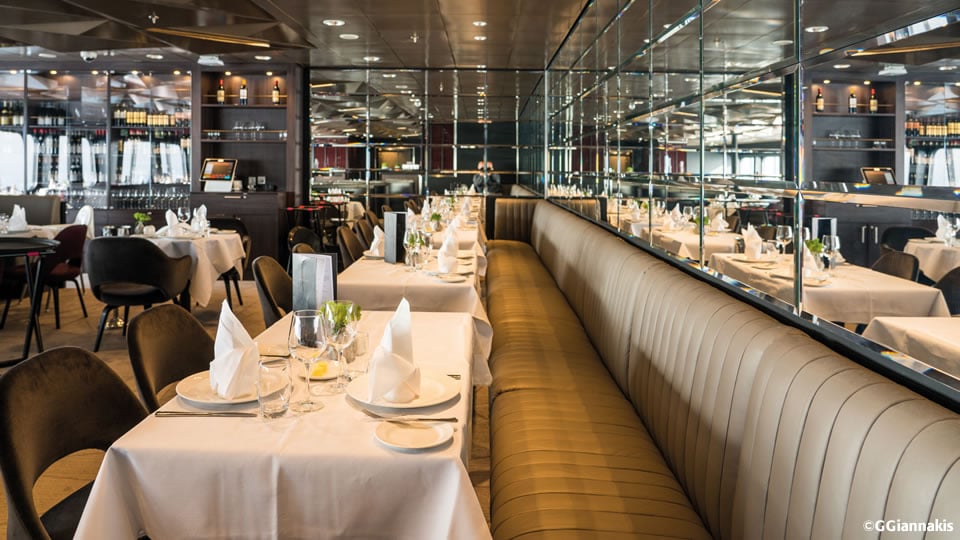
Look at the practical details together:
- Sleeping arrangements: compare cabin configurations with the people travelling and the rest you want.
- Shared time: check the listed lounges and public areas for a comfortable place between meals.
- Food plans: review the dining choices and decide whether you want flexibility or a planned meal.
- Access needs: use the ship’s own information to check suitability and contact the operator if a detail is unclear.
For example, W.B. Yeats cabin information lets you compare room styles before booking, while the ship page outlines onboard facilities. The ship information page lists venues such as Cafe Lafayette and Maud Gonne Bar & Lounge, giving travellers several ways to shape the crossing. Confirm which facilities are available on your specific sailing because onboard services can vary.
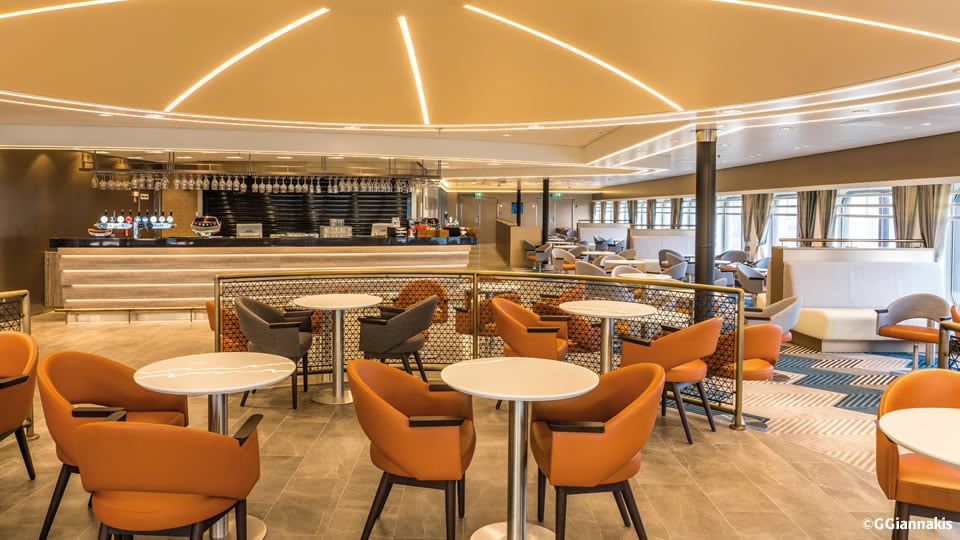
Cost is shaped by the sailing selected, passenger and vehicle details, cabin or seating choices, and any extras added to the booking. Rather than relying on an old quoted figure, enter your itinerary on the current booking pages and review the total for the exact trip. That comparison is more useful than looking at one component in isolation.
Plan the onward journey before you book
If you are not taking a car, look at Ireland-France Sail & Rail as a different planning path. The programme information describes ferry and rail travel as connected elements, so check how each component is booked, what is included and which transfer details you must arrange. Confirm whether separate booking references apply and whether the train connections suit your route. This can support a car-free trip, provided the crossing and onward rail legs line up. Revisit Sail & Rail terms before relying on the connection.
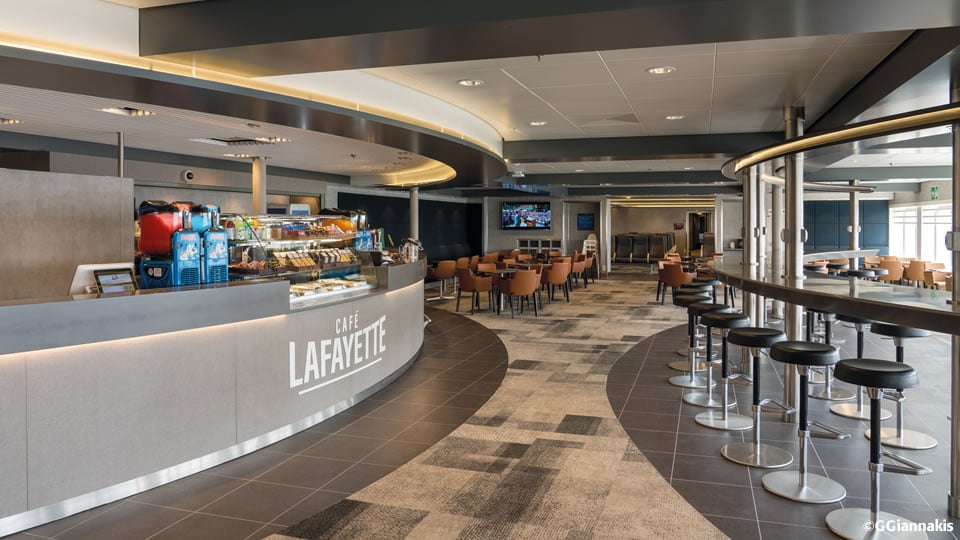
For a stay-led holiday, Eurocamp holiday parks are another option on the France pages. The brand presents selected parks alongside ferry travel, with the destination and accommodation choice shaping the rest of the itinerary. Compare location, accommodation type, facilities that matter to your group and the distance from the port. Use the park listings to compare locations. A park with activities on site may work for a longer family stay; a touring holiday may call for a more central base.
Names such as Le Grand Metairie and Riva Bella help make the choice concrete, but their setting and facilities are not interchangeable. Check the individual park information, what accommodation is available and how your arrival date fits. A ferry-and-stay package can simplify planning, while booking elements separately may give a traveller more control over route and dates.
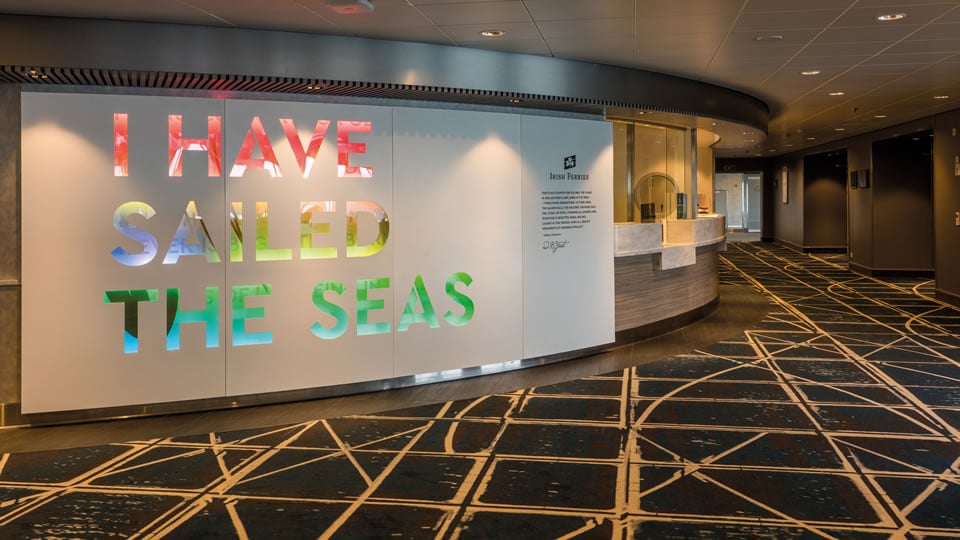
Before committing, compare the total trip around the details that drive cost and effort:
- Passenger count, vehicle type and the sailing selected.
- Cabin, seating or onboard extras you actually plan to use.
- Rail transfers or accommodation nights added to the crossing.
- Flexibility needed if your arrival or return plans change.
Revisit the relevant details: Sail & Rail planning for rail connections, French holiday parks for a stay, and the W.B. Yeats facilities page for onboard arrangements. Keeping the pieces visible helps avoid choosing a crossing before checking whether the rest of the journey fits.
Is Irish Ferries a good fit for your France itinerary?
Irish Ferries UK new is a practical place to start when Dublin-Cherbourg fits your geography and you want to compare ship information, rail-linked travel or selected stays in one planning flow. Drivers gain the most direct use from the route; foot passengers should investigate the connections beyond the port with care.
Our recommendation is to choose the arrival plan first, then match your cabin or shared-space preference and add any stay or rail element only after checking its terms. One limitation is that a ferry booking does not remove the work of coordinating transfers, accommodation and exact timings. Check current sailing details and availability on the operator’s UK France pages before you commit.