
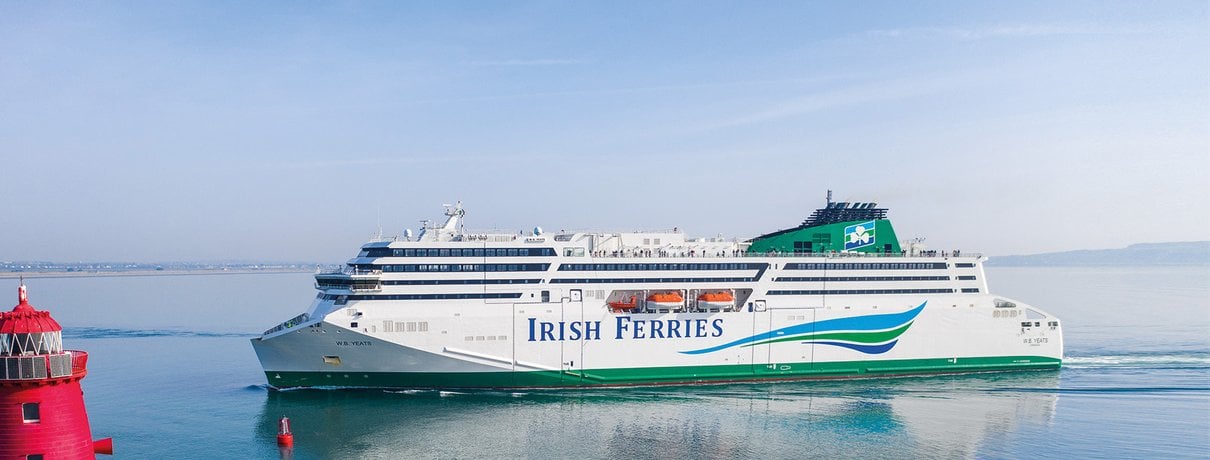
Compare a direct car ferry, extra onboard space and a rail-linked itinerary to see which Irish Ferries option best matches your plans for France.
Planning a France trip from Ireland can mean choosing more than a sailing. The useful comparison is whether to bring a vehicle and keep control of the route, pay attention to onboard accommodation, or travel without a car and connect with rail.
We reviewed the Ireland-region pages for Irish Ferries. They describe Dublin-Cherbourg sailings, ship facilities and a Sail & Rail option, but the right choice depends on the onward journey as much as the crossing.
Heads-up: we earn a commission from some links in this article. It never changes the price you pay.
What you need to know
- Dublin-Cherbourg is the straightforward choice when you want to bring a vehicle and plan your own route.
- W.B. Yeats offers cabins and public spaces; choose it when rest and onboard time matter to your group.
- Sail & Rail connects ferry travel with a train itinerary for foot passengers, with transfers to coordinate.
- Oscar Wilde is another ship listing to check, but confirm the exact sailing and facilities before booking.
Dublin-Cherbourg keeps the road trip flexible
The direct ferry is the clearest fit for drivers. You bring your own car, then decide how much of Normandy or the wider French itinerary to cover. That flexibility is valuable for family luggage, rural stays and multi-stop plans where local transport may add friction.
The trade-off is that a vehicle makes the trip more self-directed. Drivers need to account for the drive from Cherbourg, fuel, parking and the time required to reach each stop. A car is less compelling for a short city visit with a station-to-hotel itinerary. The route page is the place to compare sailing dates and current crossing options; the page describes a direct connection rather than a door-to-door transfer.
Choose the crossing around your destination, not the map alone. Read the Dublin-Cherbourg details alongside your accommodation location. A western Normandy stay may make the arrival port practical, while a Paris-first plan could need more ground travel. Dublin-Cherbourg is the option to compare first if taking a car is central to the trip.
W.B. Yeats makes onboard space part of the choice
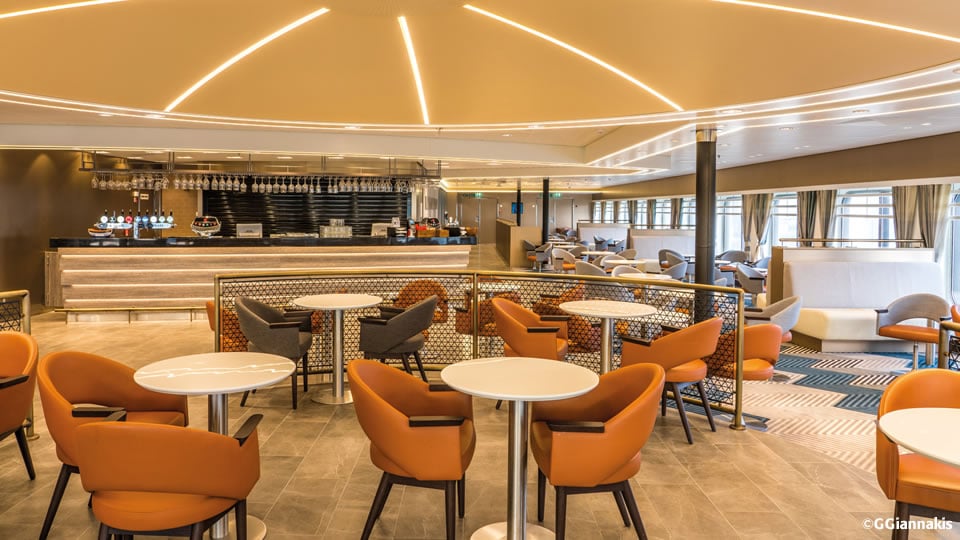
When the sailing itself is a meaningful portion of the journey, ship facilities matter. The W.B. Yeats page shows cabins alongside dining and lounge areas. A cabin gives a group a private place to rest; shared spaces can be enough for travellers who prefer to keep the crossing simple.
The honest limitation is that extra space adds a booking choice and cost, and not every traveller needs it. Compare the crossing length, departure time and who is travelling before treating a cabin as essential. The ship information describes categories such as family cabins and accessible cabins, but availability varies by sailing and should be confirmed during booking.
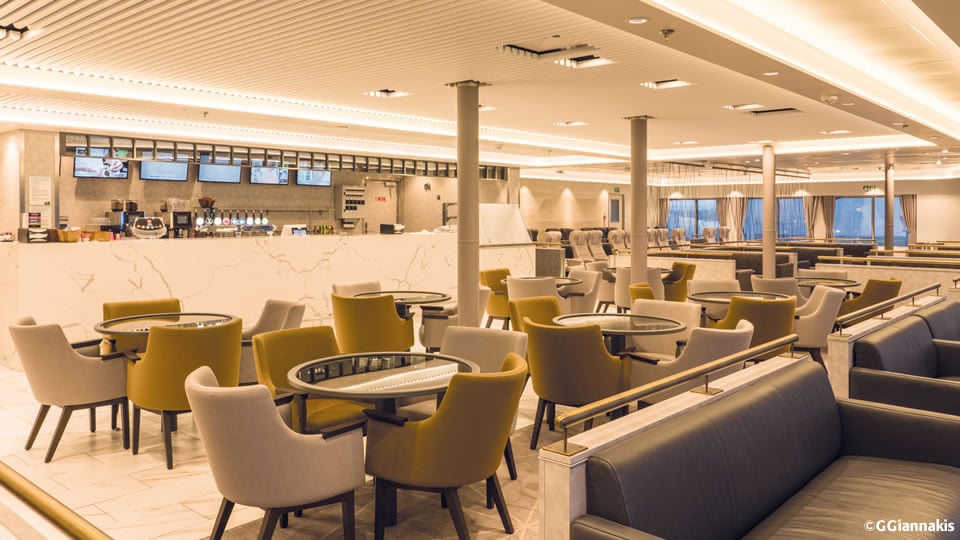
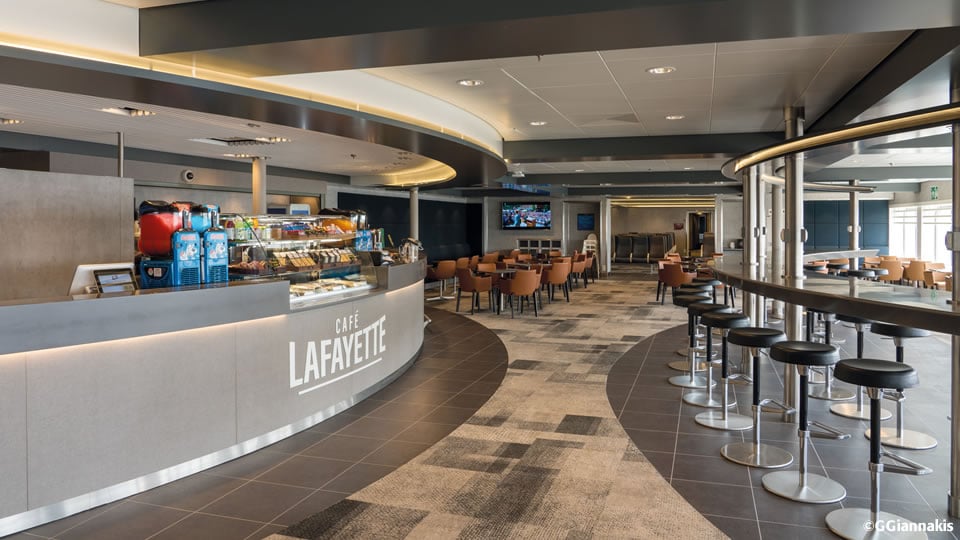
W.B. Yeats is the better comparison for travellers prioritising choice onboard. Dining areas such as Cafe Lafayette and Boylan’s Brasserie, plus lounges, make the vessel more than a seat between ports. Still, amenities do not replace a well-timed onward plan.
Oscar Wilde adds a ship choice, not a separate itinerary
Oscar Wilde appears in Irish Ferries’ ship information for France travel. It can be worth comparing when it is offered for the dates you want, but a ship name alone does not establish that it is a substitute sailing for every itinerary. Check the route, sailing schedule and onboard facilities shown for your selected date.
This distinction matters: the route, ship and fare conditions need to line up. Compare what is included, whether you need a cabin and how arrival timing fits your accommodation. A vessel page is useful for understanding the ship, while the booking flow determines whether that sailing works for your dates.
Sail & Rail suits a car-free plan with connections
For foot passengers, Sail & Rail can bring ferry and train into one planned journey. It avoids taking a car across, which can suit travellers heading between connected towns or those who do not need a vehicle at their destination.
The comparison is convenience against coordination. Rail departure times, the port transfer and the onward station all matter, and a ferry delay can affect a tight connection. Review the itinerary details and any terms on the Ireland-region page before relying on it. Independent transport bookings may give more flexibility but can require more separate planning; a linked option can simplify the purchase while still leaving transfer timing to check.
- Pick the ferry-first route if you need a car or have a rural stay.
- Compare a cabin when sleep, privacy or travelling with children changes the crossing.
- Consider Sail & Rail when travelling light and reaching a rail-connected destination.
The best option depends on what you need to control
Against a typical flight-plus-car-hire alternative, the ferry gives a driver the option to bring their own vehicle, but means allowing time for the sea crossing and the drive onward. Against a foot-passenger ferry without rail planning, Sail & Rail can join parts of the trip, but introduces connection details. Neither comparison has one universal winner.
For a family road trip or a multi-stop countryside holiday, Dublin-Cherbourg with a vehicle wins. For an overnight or longer sailing where privacy matters, compare a W.B. Yeats cabin. For a car-free journey between connected places, Sail & Rail is the most relevant option. If ship choice is your deciding factor, check Oscar Wilde against the exact sailing rather than assuming the onboard offer is identical.
Which Irish Ferries option fits your France trip?
Start with the way you will travel after arrival. Drivers should compare Dublin-Cherbourg first; passengers without a car should examine Sail & Rail and its transfer timings. Choose cabin space only when it solves a real comfort need, and verify ship and facility details for the sailing you select.
The limitation is that availability, schedules and fare terms can change, so this comparison cannot settle a specific date or final cost. Our use-case winner is the vehicle ferry for flexible road trips; the rail-linked choice is stronger for car-free plans.