

A clear guide to the separate ferry and train bookings, the refund claim and the transfer planning that makes this Ireland-France offer workable.
Planning an Ireland-to-France journey without taking a car means fitting a sea crossing and onward rail travel into one itinerary. Irish Ferries Sail & Rail sets out a way to combine those parts, with an offer to claim a refund against the ferry fare after booking.
The key detail is that this is not one through-ticket. The ferry and train bookings are separate, and the traveller has to manage the connection at Cherbourg and follow the claim instructions. We reviewed the offer and route information on the Irish Ferries site; the steps below explain what to check before deciding whether it suits your plans.
Heads-up: we earn a commission from some links in this article. It never changes the price you pay.
What you need to know
- Ireland-France Sail & Rail pairs a foot passenger Dublin-Cherbourg crossing with a separate onward train booking through Trainline.
- After both bookings, the offer page instructs travellers to email both reference numbers to request a refund on the ferry fare; fees are excluded.
- Irish Ferries recommends a transfer buffer of at least two hours at Cherbourg, while warning that ferry and train are not treated as connecting services.
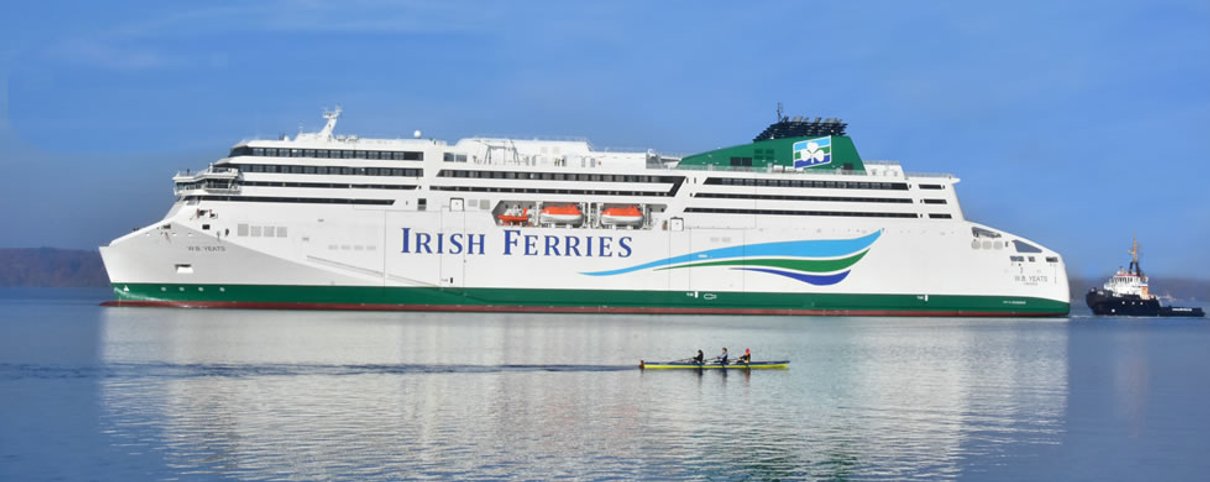
- W.B. Yeats is one concrete route-related option to review for onboard cabins, lounges, dining and family facilities.
That makes the offer most relevant to foot passengers with a flexible schedule and a willingness to coordinate two reservations. Check the live Sail & Rail offer details alongside the Dublin-Cherbourg route information before choosing dates.
Sail & Rail uses separate ferry and train bookings
The process described by Irish Ferries has three parts: reserve a foot passenger crossing from Dublin to Cherbourg, book the onward train separately with Trainline, then send both booking references to the email address shown on the offer page. The refund request depends on those records matching, so keep the confirmation emails accessible until the claim is complete.
Because the train reservation is independent, selecting the ferry does not automatically secure the onward seat or protect the connection. The operator recommends leaving at least two hours between ferry arrival and train departure. That is a planning recommendation, not a guarantee that disruption cannot affect the journey. Allow extra time if your plan includes a tight onward connection, assistance needs or a complicated transfer.
The terms also state that fees are outside the refund calculation. Other elements of the itinerary, including getting between a port and a station, may need separate arrangements. Before committing, read the full Sail & Rail instructions, check the ferry timetable, and look at the claim guidance for current eligibility and submission details.
- Book the Dublin-Cherbourg ferry as a foot passenger.
- Make a separate onward train booking from Cherbourg.
- Retain both reference numbers and email them as directed by Irish Ferries.
- Leave a comfortable transfer window and recheck schedules before departure.
This sequence is simple on paper, but relies on careful record keeping and realistic connection planning. Travellers who prefer one protected booking covering the whole journey should compare other rail itineraries before paying for either part.
Dublin-Cherbourg is the ferry leg to plan around
The crossing is the fixed sea leg in this arrangement, so the sailing time and arrival details shape what onward rail departure is practical. The Dublin-Cherbourg route page is the place to check current schedules, check-in guidance and route updates. It also helps to review the offer page’s Cherbourg transfer note before matching a train.
For people travelling as foot passengers, the journey begins before boarding: decide how you will reach the Dublin terminal and how you will travel onward from Cherbourg. The Sail & Rail information mentions local transfer options, but those services can have their own timetables and conditions. Confirm them directly as part of the itinerary rather than assuming they are included in the ferry-and-train arrangement.
W.B. Yeats gives the route a recognisable onboard choice. Its ship page describes cabin types as well as passenger spaces, dining and family facilities. A cabin may suit an overnight crossing or anyone who values a private place to rest; lounges and food venues offer shared alternatives. The vessel and facilities available can depend on the sailing, so check the booking details rather than assuming a particular onboard setup.

Use the W.B. Yeats facilities page to compare the spaces with your needs. For example, cabin information is useful if rest and privacy matter, while the dining and lounge details help set expectations for time onboard. These are route-planning considerations, not extra benefits guaranteed by the rail offer.
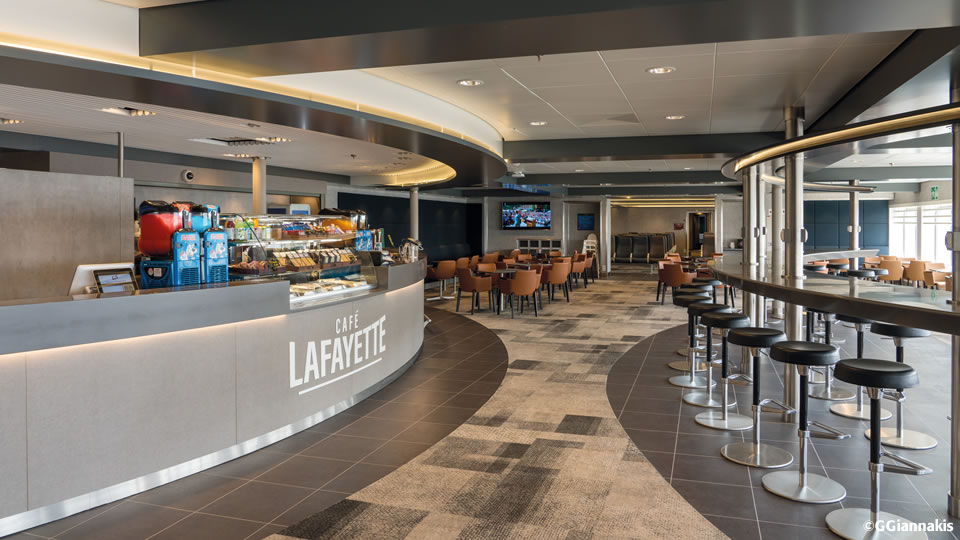
Passengers can also review dining on the ship page: Cafe Lafayette details sit alongside other onboard facilities, though what is available can vary by sailing.
The offer suits flexible foot passengers
The strongest fit is a traveller arranging their own train after the ferry booking, can leave room for delays and will remember to submit the claim correctly. It can also suit someone travelling with a clear itinerary who has already checked station transfers at both ends.
- Consider it if you want a car-free route and can coordinate separate reservations.
- Plan carefully if your train departure follows soon after the ferry arrival.
- Check another option if you need a single protected ticket or cannot absorb schedule changes.
Keep the claim email and booking references together, and read the live offer page before booking because eligibility wording and operational details can change. Do not assume the claim is automatic: the instructions ask the customer to send the details. The Irish Ferries claim steps should be your final reference for how and when to submit.
Other France choices on the Irish Ferries site, such as a Parc Astérix holiday, are separate travel products rather than part of Sail & Rail. They may suit a different kind of break, but do not replace the ferry-and-train booking sequence described here.
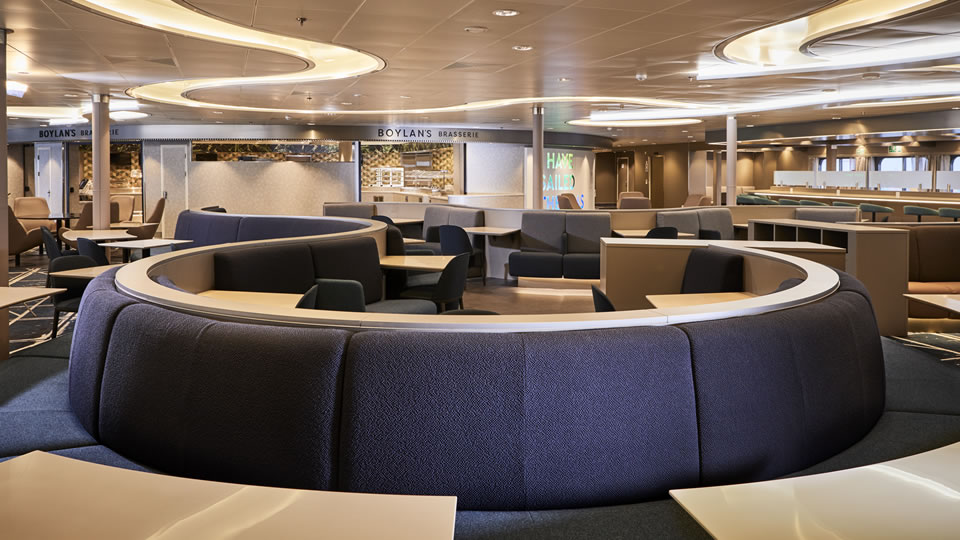
If the ferry itself is an important part of your trip, browse the W.B. Yeats ship details and confirm what applies to the sailing you select. The route page is more useful for practical timing, while the offer listing covers the refund request. Keeping those purposes separate makes it easier to compare the offer with your own travel priorities.
A short checklist can prevent claim and connection problems
Before committing, take a few minutes to confirm the pieces fit together. This is especially useful when the trip involves a return journey, onward connections or other passengers whose booking details need to be kept in sync.
- Check that your ferry reservation is for foot passenger travel and the correct Dublin-Cherbourg sailing.
- Compare the train departure with the ferry arrival and build in more than the minimum recommended buffer if your itinerary needs it.
- Read the live terms for excluded fees, claim eligibility and the method for submitting the references.
- Verify any terminal-to-station transfer separately, including service times and whether a reservation is needed.
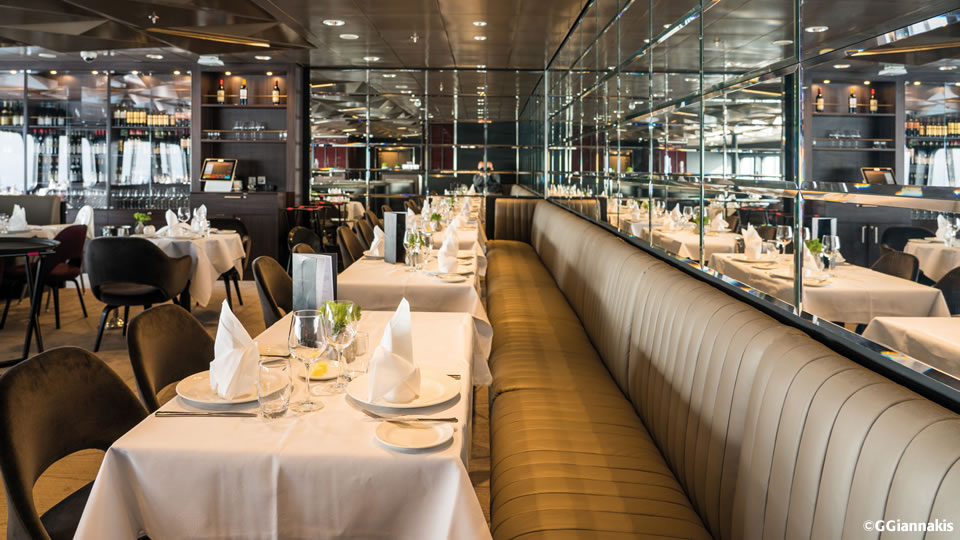
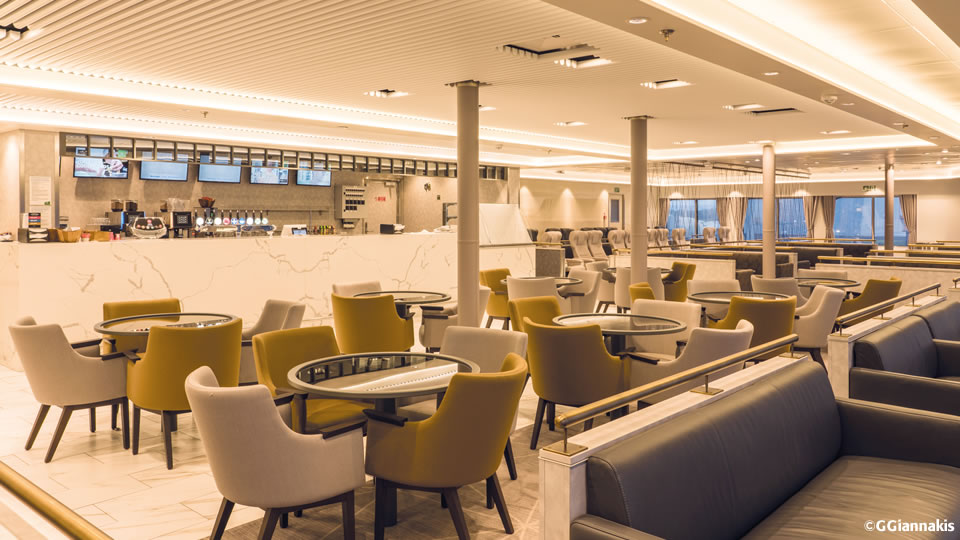
For onboard context, Irish Ferries presents W.B. Yeats with a choice of cabin and public areas. Images of Boylan’s Brasserie and the ship’s lounges show the kinds of spaces available, but the exact sailing and facilities should be checked when booking. The offer’s value is in the fare refund; comfort and scheduling are separate decisions.
Is Irish Ferries Sail & Rail right for your France journey?
We would shortlist it for flexible foot passengers who are comfortable making a separate train reservation, tracking two booking references and allowing a generous buffer at Cherbourg. The refund makes the offer worth checking, but only if the claim process and the connection arrangements suit your itinerary.
The main limitation is the lack of a protected ferry-to-train connection: a delay can affect a separately booked train, and the customer has to manage the claim steps. Confirm current terms and schedules on the offer page and route details before booking. If you want a single coordinated ticket or have a tight onward schedule, compare alternatives first.