

A research-led review of the RSC musical’s creative appeal, official access formats and the practical checks that matter before choosing a Cambridge Theatre performance.
Matilda The Musical brings Roald Dahl’s story to the West End in a production from the Royal Shakespeare Company. For a prospective audience, the useful question is not simply whether the show is popular: it is whether its musical style, staging and available performance formats suit the people going.
We reviewed the official show and assisted-performance information. It presents a distinctive creative package and clearly described access options, alongside sensory effects and venue logistics worth considering before booking.
Heads-up: we earn a commission from some links in this article. It never changes the price you pay.
What you need to know
- The RSC production adapts Dahl’s story with a book by Dennis Kelly and original songs by Tim Minchin.
- The London staging is at the Cambridge Theatre in Seven Dials.
- Relaxed, chilled, captioned, audio-described and BSL-interpreted formats serve different needs; they are not interchangeable.
- The official advisory mentions flashing lights, lasers, loud sound effects, popped balloons and stage haze.
A clear creative identity gives the story a stage-musical shape
The strongest point in the official presentation is its creative lineage. Matilda is described as an RSC musical inspired by Dahl, with Dennis Kelly writing the book and Tim Minchin creating the songs. That combination gives readers a concrete reason to expect a theatrical adaptation with its own musical voice, rather than a straightforward retelling of the novel.
The story follows a child challenging unfair authority, which gives the production a rebellious comic premise. Readers who enjoy energetic theatrical storytelling are more likely to respond to that tone. Longevity or familiarity with the source material cannot tell a family whether its humour, pace or staging will appeal to them.
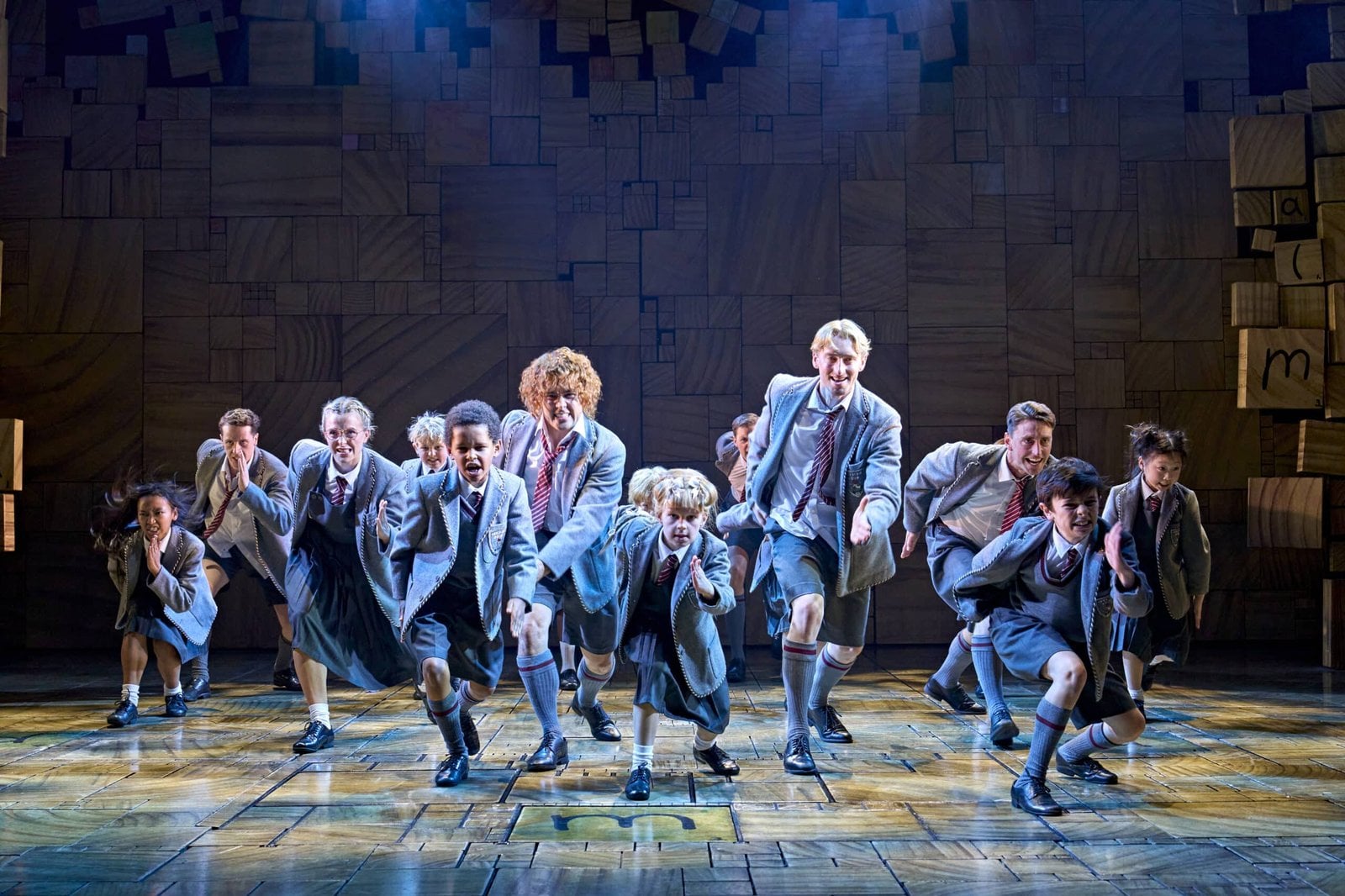
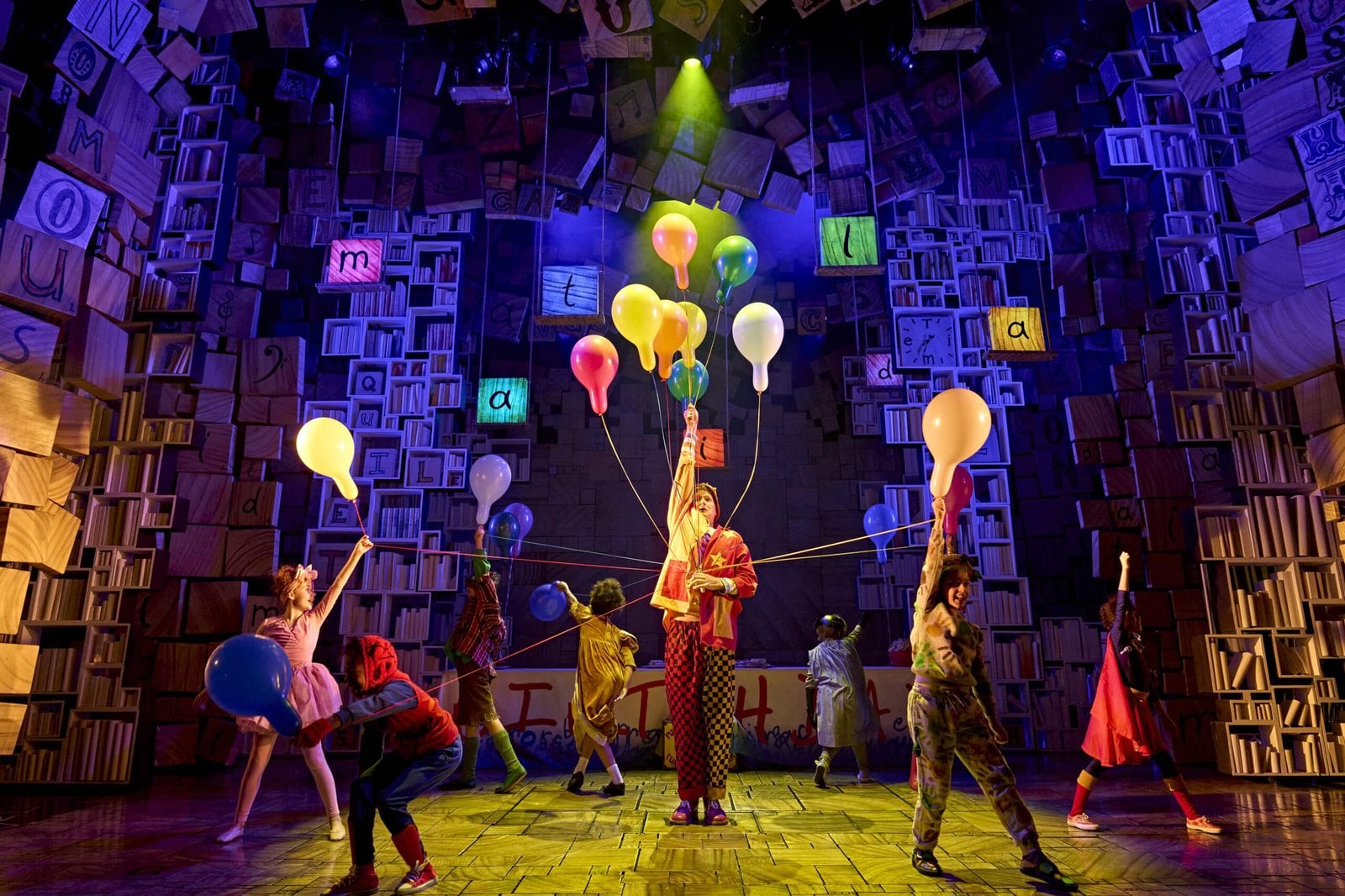
The available production photographs show performers and a deliberately heightened stage world. They help communicate the show’s visual character, but images cannot establish how any seat feels or how loud an individual moment may be. For that reason, the content advisory should be treated as part of the review, not small print.
Readers can use the official ticket information to orient their choice, then check the current performance listing. Our assessment: the creative proposition is specific and well supported by named RSC, book and music credits; individual enjoyment will still depend on taste and sensory comfort.
The production suits audiences who welcome its theatrical energy
Based on the official creative information and advisory, the fit is strongest for:
- Readers who enjoy Roald Dahl’s irreverent storytelling and musical adaptations.
- Families and theatre visitors willing to review the effects advisory together before choosing a date.
- Audiences who can identify an assisted format that matches their needs and is scheduled for a workable performance.
The principal strength is the combination of a recognisable story, named RSC creative contributors and multiple access formats. The key trade-offs are sensory effects that may not suit every visitor, date-specific availability for assisted formats and the need to check seating or routes at the Cambridge Theatre.
Strengths and trade-offs
- Strengths: named RSC creative credits, a distinctive musical adaptation and several clearly differentiated access formats.
- Trade-offs: prominent sensory effects, selected dates for assisted formats and venue details that need individual confirmation.
Access formats solve different problems, with date availability to check
The official assisted-performance page is a notable strength because it describes what each format changes. A Relaxed Performance can ease auditorium conventions and may adjust parts of the production, with touch tours also offered. This is the most relevant starting point for people who benefit from a more flexible environment, though the exact adjustments should be confirmed for the chosen date.
A Chilled Performance allows a more casual approach to noise and movement, including leaving and re-entering; the show itself remains unchanged. The distinction matters: chilled is not a promise of a quieter production, so it may not be right for someone sensitive to the performance’s sound or effects.
For other access needs, Captioned Performances display spoken lines and sound effects on screens, while Audio Described Performances add spoken description through a headset and may include a pre-show touch tour. BSL interpretation is also listed, with the venue asking patrons to contact the box office for seating where the interpreter is clearly visible.
- Choose relaxed when a softer auditorium atmosphere or possible adjustments are the priority.
- Choose chilled when freedom to move matters and an unchanged performance is suitable.
- Choose captioning, audio description or BSL according to the format that supports the audience member.

These options are genuinely useful, but they are tied to specific dates and may not be available for every performance. Review the official format descriptions and the captioned performance information together; then check the listing for the exact date before making plans.
Sensory effects and theatre access are the main practical limits
The official content advisory is specific: it flags flashing lights, lasers, loud sound effects, balloons popped on stage and haze. The official content and assisted-performance information also notes that actors interact in audience spaces. This does not make the production unsuitable across the board, but people with sensory sensitivities or a strong preference for conventional audience boundaries should weigh those details carefully. The same official resource links to a Sonic Story and visual story materials that can help prospective visitors understand what to expect.
The venue is the Cambridge Theatre in Seven Dials. The official access information notes steps between some levels and different routes into the auditorium, so seating and entry needs deserve a direct check with the venue. The theatre’s published guidance is more useful than assuming that a central London location automatically means an easy arrival for every visitor.
Before booking, readers should make three checks:
- Read the content advisory and decide whether the effects suit the audience.
- Match the access requirement to the named performance format and date.
- Contact the theatre about seating, step-free routes or assistance needed on arrival.
For general booking, begin with the official ticket page, and consult the assisted-performance page for format details. Ticket availability and event arrangements can change, so confirm them with the official listing rather than relying on an old schedule.
Is Matilda a good fit for your London theatre visit?
We recommend Matilda for audiences drawn to Dahl’s mischievous story, a full-scale musical treatment and a production with clearly described access options. The RSC creative credits make the artistic proposition easy to assess, and the official site gives practical information that can help different visitors plan with more confidence.
The limitation is equally clear: sensory effects are part of the production, access formats run on selected dates, and the theatre’s layout calls for individual checks. If those points suit your group, review the official performance listing and select the format that fits your needs. If the effects or venue access raise concerns, contact the theatre before committing.