

A practical guide to the Irish Ferries Sail & Rail offer, including the separate ferry and train bookings, the refund request and the transfer planning that foot passengers need.
Travelling from Ireland to France without a car can mean arranging a sea crossing and onward rail journey as two separate pieces. The Irish Ferries Sail & Rail offer connects those parts through a ferry refund request after you have booked both legs, rather than through one combined ticket.
We reviewed the current UK-region offer instructions and route information. The key point is simple: travellers book the foot-passenger ferry and onward train separately, then submit both references to Irish Ferries. That creates a useful saving opportunity for some itineraries, but it does not make the train a protected connection if the ferry is delayed.
Heads-up: we earn a commission from some links in this article. It never changes the price you pay.
What you need to know
- Two bookings: book a foot-passenger Dublin-Cherbourg crossing, then arrange the onward train separately.
- Manual request: email Irish Ferries with the ferry and Trainline reference numbers to request the offer refund.
- Transfer buffer: Irish Ferries recommends allowing at least two hours from ferry arrival to train departure at Cherbourg.
- Separate tickets: train operators do not treat these services as connecting journeys, so missed-train protection is not implied.
- Check terms: eligibility, fare exclusions and instructions should be confirmed on the offer page before booking.

Sail & Rail combines a crossing with a separate train booking
The offer instructions describe a three-part process: first book a foot-passenger Dublin-Cherbourg crossing, then book the onward train from Cherbourg through Trainline, and finally contact Irish Ferries with both booking references. It is a refund arrangement applied to the ferry booking, not a single itinerary checkout.
That distinction affects planning. Irish Ferries notes that Rail/Sail services are not considered connecting services by train operating companies. We would therefore plan for a generous gap, check the port-to-station transfer in advance and avoid assuming that a delayed ferry automatically changes the rail ticket.
Read the Irish Ferries Sail & Rail offer page before committing, and review the Dublin-Cherbourg route details for the chosen sailing. The route page helps establish the crossing itself; Trainline handles the separate onward rail booking.

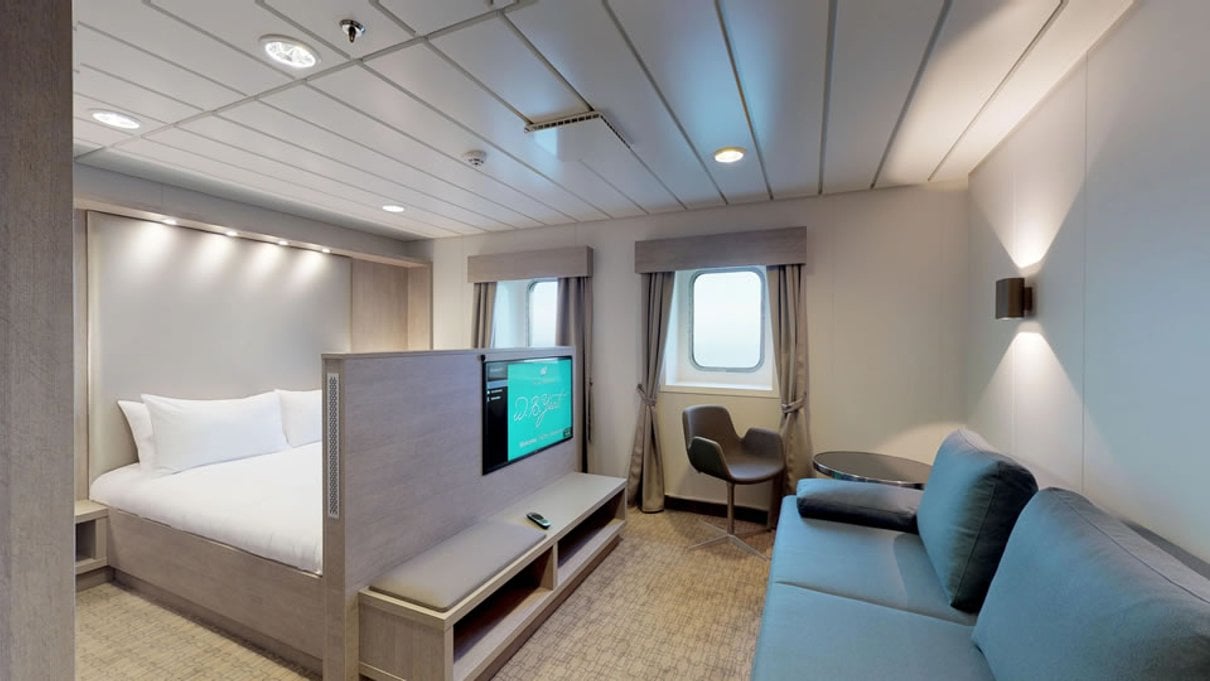
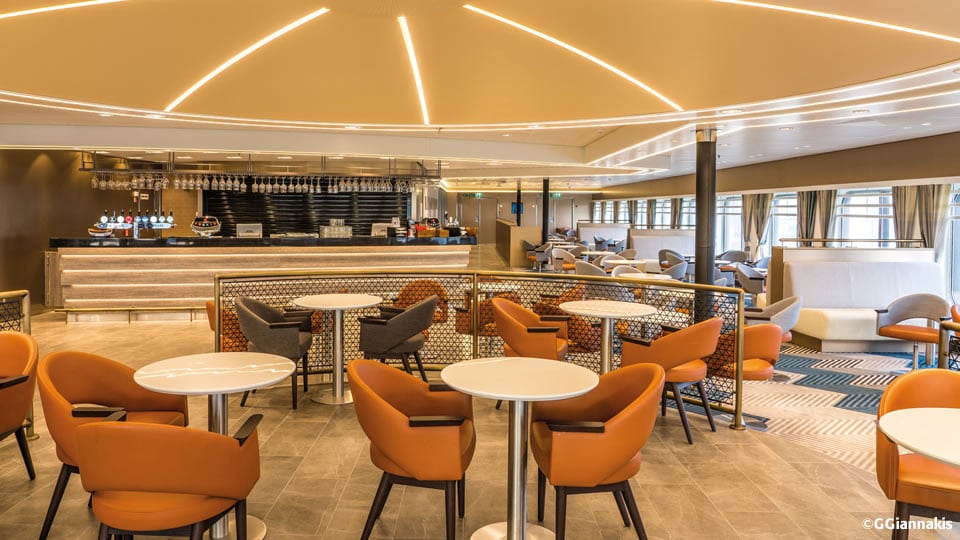
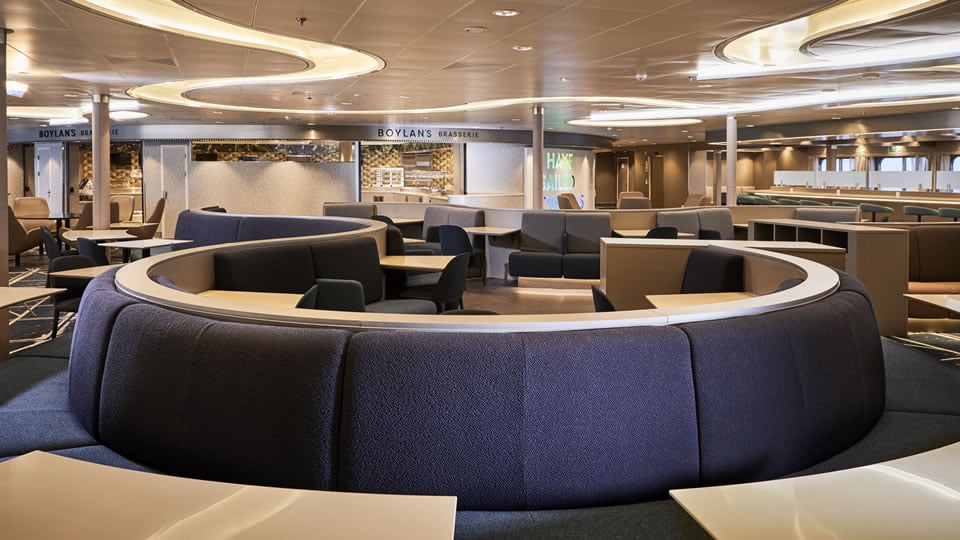
For ship information, see W.B. Yeats facilities. The ferry side is the W.B. Yeats sailing on this route. Irish Ferries lists onboard places such as Cafe Lafayette and Boylans Brasserie, but facilities do not change the offer rules: this is a foot-passenger arrangement, and vehicle bookings are not the journey described in the Sail & Rail steps.
The refund request depends on both booking references
Keep the confirmation details for the ferry and rail reservations together. The offer instructs travellers to email sailrail@irishferries.com and quote the Irish Ferries and Trainline reference numbers. Because the request is made after booking, save confirmations somewhere accessible during the trip and check the current page for any changes to the claim process.
- Open the UK-region Sail & Rail offer page and read the current conditions.
- Book the Dublin-Cherbourg crossing as a foot passenger.
- Arrange the onward train from Cherbourg separately through Trainline.
- Email both references to the address stated by Irish Ferries and retain the reply.
The offer page says the refund applies to the ferry fare excluding fees. We are not repeating the percentage or any monetary amounts here, as these details can change; confirm the live wording and your eligibility directly with Irish Ferries’ offer instructions before relying on a particular saving.
Cherbourg needs a realistic transfer plan
The Sail & Rail guidance gives a recommended minimum connection window. It is guidance, not a promise that every onward train will be reachable. Allow for disembarking, finding the port transfer and continuing to the station, while considering possible sailing or train delays. Irish Ferries specifically warns that the services are not protected as connections by train operators.
Foot passengers should also plan the Ireland-side journey to Dublin Port. The offer page notes that a public bus runs to and from the ferry terminal, so check its operating details against the selected sailing and your arrival time. A late arrival at the port can undermine the rest of the plan just as easily as a tight transfer in France.
For the crossing, inspect the Dublin-Cherbourg sailing information and the W.B. Yeats ship page together. The ship page explains onboard facilities, while the route page is where the sailing schedule and route-specific details belong. Neither replaces checking the live booking terms.
The offer suits rail travellers who can manage separate tickets
Sail & Rail may suit a traveller who wants to continue from Cherbourg by train, is comfortable making separate bookings and can build slack into the itinerary. It is less suitable for anyone who needs a single protected connection or cannot absorb the disruption risk of separate tickets.
- Good fit: flexible foot passengers who can plan a substantial transfer buffer.
- Less suitable: travellers who need guaranteed onward protection or have a fixed arrival deadline.
- Before booking: compare train options, station transfer time and ferry arrival details, then check the offer terms.
Holidaymakers combining the ferry with a stay can review Irish Ferries accommodation options, but should treat accommodation as another independent decision. Irish Ferries also lists Eurocamp holiday parks, but a stay is not part of the Sail & Rail refund steps. Check the holiday page separately if a park break is relevant; do not assume a package booking qualifies for this rail offer.
Check eligibility before building the itinerary
The current Sail & Rail terms should be checked because the decisive restriction is the separate-ticket structure. A traveller needs the specified foot-passenger ferry booking, a qualifying onward train booking and both references for the request. The published instructions also exclude fees from the refund calculation. Other conditions may apply, so the official terms are the authority for eligibility and any claim deadline.
Use the official offer page as a checklist rather than assuming that buying any ferry and train combination is enough. Match travel dates carefully, verify the selected ferry arrival against the rail schedule, and keep copies of the reference numbers. If the terms are unclear, ask Irish Ferries before buying the train ticket.
Is Irish Ferries Sail & Rail right for your France journey?
We see it as a potentially useful refund offer for self-organised foot-passenger itineraries, provided you understand that ferry and train remain separate bookings. The practical benefit depends on following the claim instructions and being comfortable planning a buffer without guaranteed rail connection protection.
Its main limitation is also its defining feature: it does not remove the complexity of coordinating two providers. If that trade-off works for your plans, read the current UK offer details and route information before booking.