
A research-led look at Irish Ferries’ France crossing, onboard choices and the trade-offs that matter before you plan around it.
Choosing a ferry to France is partly a route decision and partly a question of how you want the travel day to work. Irish Ferries’ Dublin-Cherbourg service gives Ireland-based travellers a direct sea link, while its ship pages show the facilities that may shape a longer crossing.
We reviewed the company’s Ireland-region route and ship information. The published pages describe a useful option for travellers who want to bring a vehicle or prefer a sea journey, but the sailing still needs to fit your dates, onward plans and tolerance for time in transit.
Heads-up: we earn a commission from some links in this article. It never changes the price you pay.
What you need to know
- Dublin-Cherbourg is the direct Ireland-France route to assess for this trip.
- W.B. Yeats is described with cabins, dining, lounge and family spaces.
- Oscar Wilde has its own ship information, but confirm it is relevant to your chosen sailing.
- The ferry works best when the crossing and onward journey suit your itinerary; it is not a door-to-door solution.
Dublin-Cherbourg gives drivers a direct sea crossing
The route’s clearest strength is its straightforward geography: Dublin links with Cherbourg, avoiding an additional drive to another departure port. Irish Ferries presents the route as a connection between Ireland and France, with booking choices shaped by passenger and vehicle arrangements. Review the Dublin-Cherbourg route alongside the sailing information before building the rest of the trip.
That arrangement can make sense for a road trip: your car can continue with you, and luggage does not have to be managed around a flight’s baggage rules. On the other hand, the crossing is a substantial block of travel time, then you still need a realistic drive or onward transport plan from Cherbourg. Check port arrival guidance, the sailing calendar and onward distances together rather than choosing the boat in isolation.
For anyone travelling without a car, foot passenger arrangements may be available, but the practical value depends on local connections at each end. The route page is the starting point for confirming available sailings, while the booking details should settle what transport options apply to your date.
W.B. Yeats offers useful onboard variety
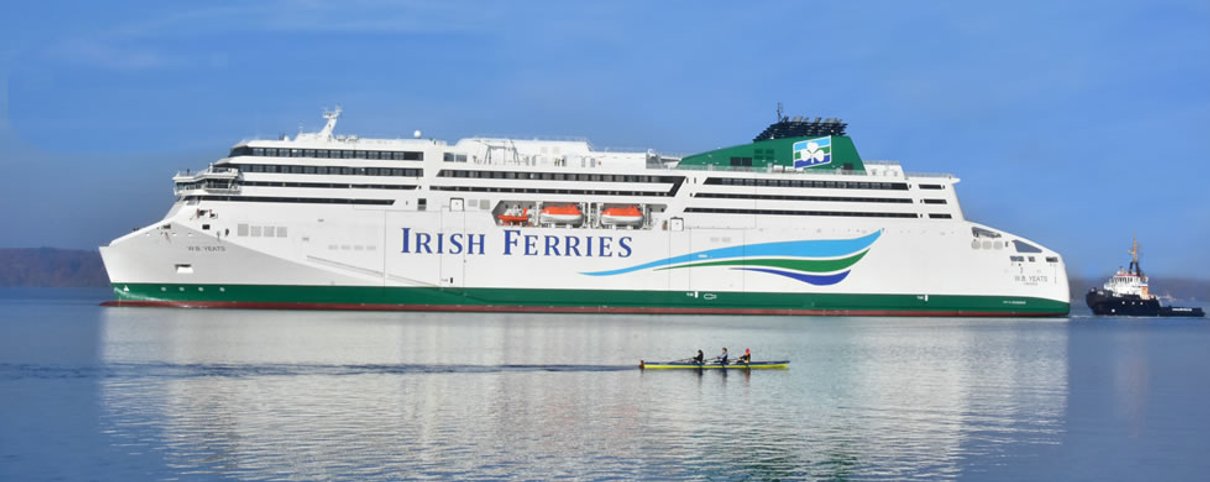
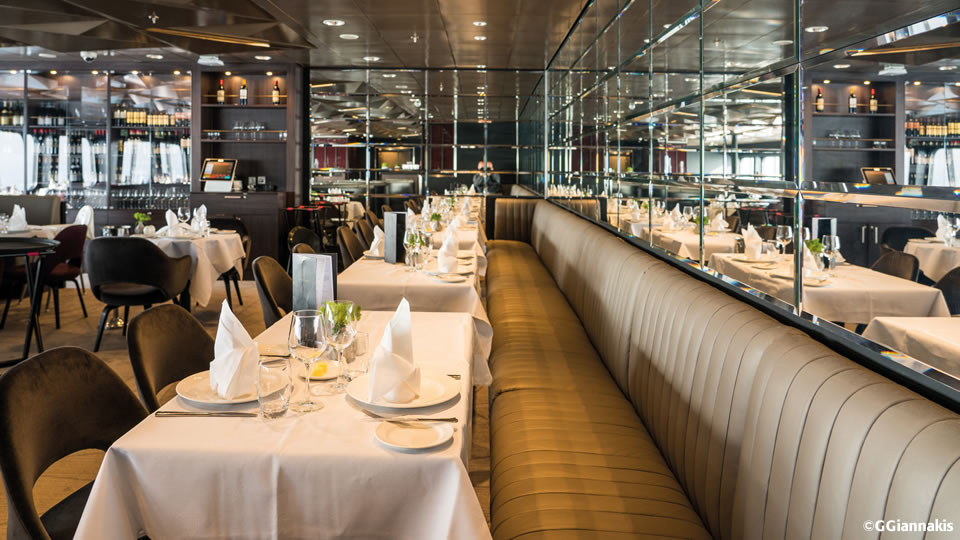
The W.B. Yeats is the most concrete way to judge the onboard proposition. Irish Ferries lists cabins, places to eat, a lounge and family areas. Those choices matter when a crossing is long enough that passengers need a comfortable place to rest, get food or occupy children. The ship overview gives the broad picture; its cabins and facilities pages help narrow what is actually relevant.
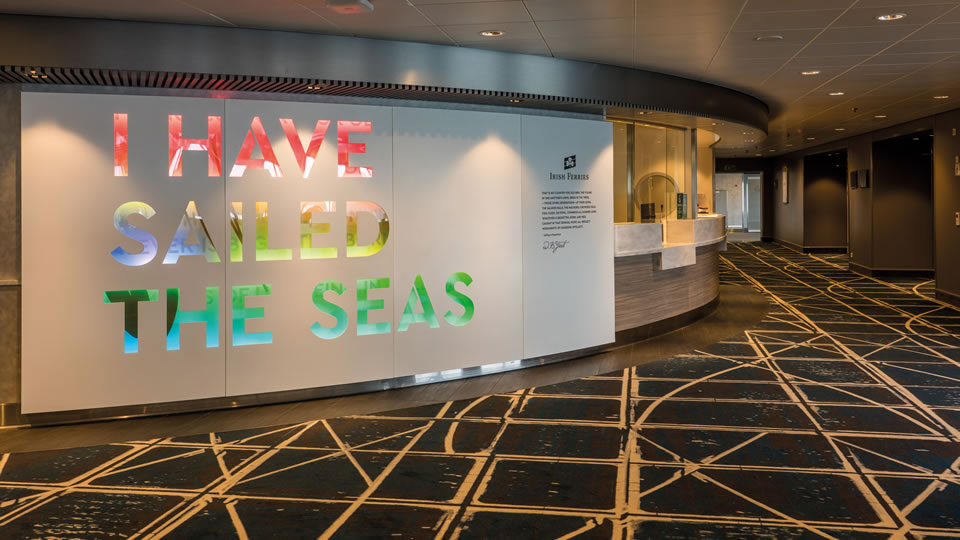
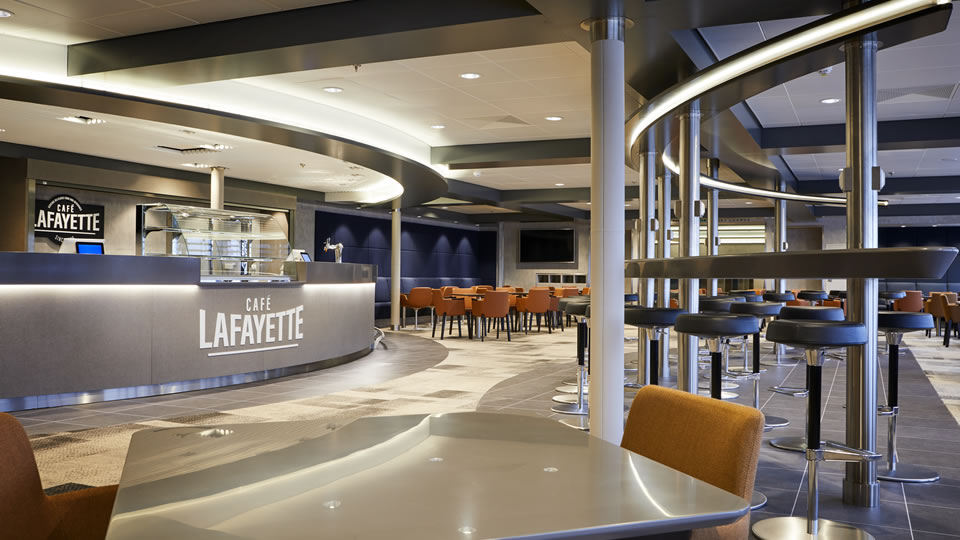
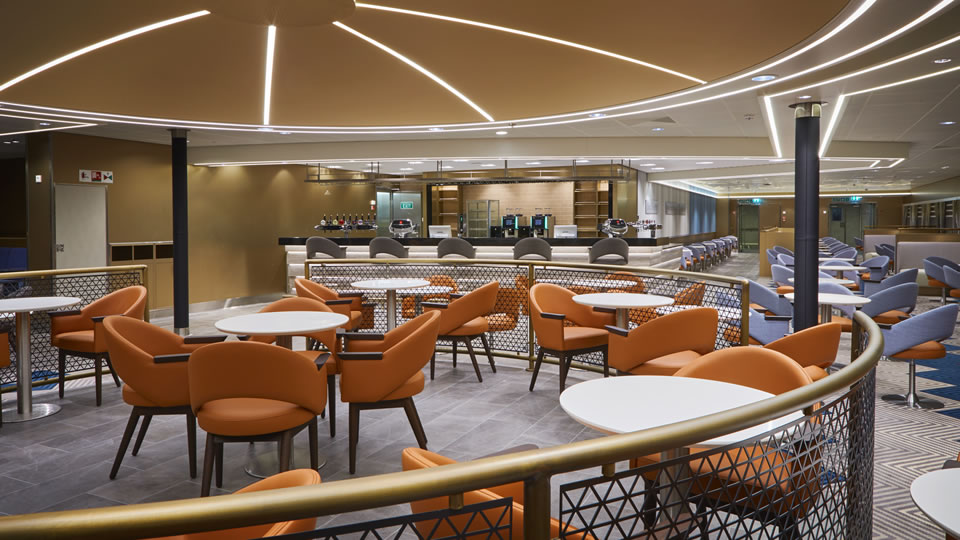
The brand also lists specific spaces such as Cafe Lafayette, the Maud Gonne bar lounge, the Sallygarden children’s play area and Innisfree Club Class. Each serves a different need: casual food, time in a lounge, a dedicated family space or a quieter seating choice. These are concrete strengths in the ship’s published offer, rather than a promise that every traveller will use every facility.
The trade-off is that more choice can mean another decision during booking. A cabin may be valuable for rest and privacy, while travellers on a tighter itinerary may prioritise the basic crossing and spend less time onboard. Check what is included in the fare and which spaces require a separate selection on the W.B. Yeats page. It is sensible to compare the cabin options with your crossing length and group needs, rather than assuming an upgrade is necessary.
Oscar Wilde adds context, not a substitute route
Irish Ferries also maintains information for Oscar Wilde. A separate ship page can help explain the broader fleet, but a ship name alone does not establish which vessel will operate a particular France sailing. For a purchase decision, route and date matter more than the fleet catalogue. Use the Oscar Wilde page for its own facilities, then verify your actual itinerary through the Dublin-Cherbourg route listing.
This distinction is a small but important limit in reviewing the offer: the company publishes attractive ship information, yet the traveller still needs to confirm the specific sailing, schedule and available onboard selections. Don’t infer that every ship feature or ship listing maps directly to the route you want.
The route suits flexible road-trip planning
Irish Ferries is most compelling when bringing a vehicle is central, you value a direct departure from Dublin, or the sea crossing itself fits the shape of the holiday. It may be less convenient when you need the shortest possible journey, have tight train connections, or would rather avoid arranging transport beyond Cherbourg. Those are itinerary constraints, not flaws in the ship.
- Start with the route and dates, then compare the sailing with your arrival plans.
- Decide whether a vehicle, cabin or foot passenger booking best fits your group.
- Allow for the onward leg from Cherbourg before committing to fixed plans.
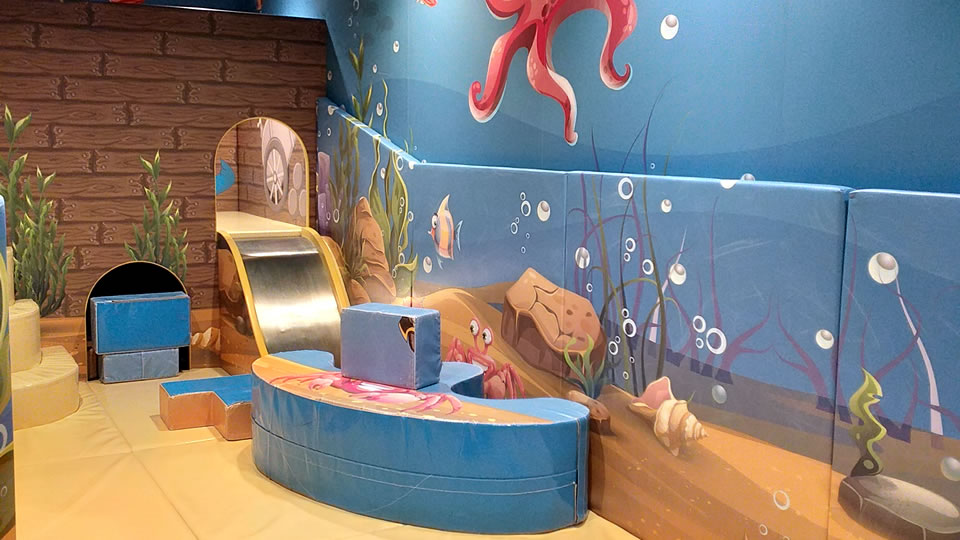
For families, the Sallygarden play area adds a practical way to break up time aboard; for adults, the lounge and dining options give alternatives to staying in one seat. However, facility availability can vary by ship and sailing, so treat the published pages as information to confirm during booking, not as a guarantee of a particular experience.
Is the Dublin-Cherbourg crossing a good fit for your trip?
Our recommendation is to shortlist Irish Ferries if you are planning a France road trip from Ireland and the direct Dublin-Cherbourg connection suits your dates. The strongest case is practical: a direct route, vehicle choices and a ship with several onboard spaces. Its main limitation is that a ferry crossing still takes planning at both ports and does not solve onward travel.
If speed and a tightly connected itinerary matter most, compare the whole journey before booking. If keeping your own vehicle and making the crossing part of the trip matter more, Irish Ferries is a credible option to check against your actual dates and needs.