

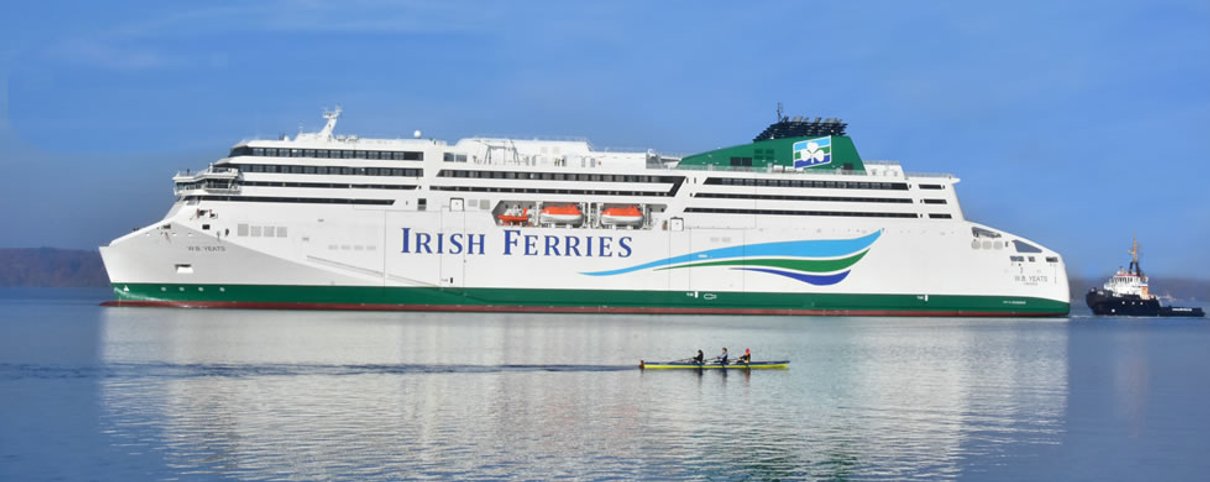
A clear introduction to Irish Ferries, from its Ireland-France crossing to the onboard and holiday options that can shape a wider trip.
For someone meeting Irish Ferries for the first time, the obvious question is whether the company is simply a way to cross the sea or a useful starting point for planning a broader France trip. Its Ireland-facing pages show a layered offer: a direct route, ship facilities that shape the journey, and selected partner stays and attractions.
We reviewed the brand’s Irish-store information to understand how those pieces fit. The editorial point is that the crossing is the anchor, while the other options help travellers decide how to spend the passage and what kind of break to build around it. They are separate choices, so it helps to know where the brand’s role ends and the traveller’s planning begins.
Heads-up: we earn a commission from some links in this article. It never changes the price you pay.
What you need to know
- Dublin-Cherbourg is the direct sea connection at the centre of the Ireland-to-France offer.
- W.B. Yeats adds cabins, dining and shared passenger spaces to the crossing experience.
- Eurocamp Holiday Parks and Parc Asterix extend the range into selected stays and attraction breaks.
- The options suit travellers who want a route-led trip, but schedules, inclusions and onward plans still need checking individually.
Irish Ferries makes Dublin-Cherbourg the starting point
The clearest way to understand Irish Ferries is to start with the route that carries its France proposition: Dublin-Cherbourg. It links Ireland with the French port of Cherbourg by sea, giving drivers a direct way to bring a vehicle and luggage across. For a touring holiday, that can make the crossing part of the route rather than a transfer before the trip begins. The route details help show the sailing as part of a larger road plan.
That distinction is useful for first-time readers. A ferry can provide freedom to continue by road after arrival, which matters when an itinerary includes several towns, countryside stops or accommodation outside a city centre. Foot passengers can also consider the route, but the overall practicality depends on port access and onward transport. The brand’s route page is the right place to confirm which sailings match the dates and destination.

There are trade-offs. A sea crossing fixes part of the journey around a sailing time, and the port-to-final-destination drive remains the traveller’s responsibility. The route is most compelling when a car is useful at the other end or when the party values bringing its own equipment. If the destination is better served by rail or air, the route may add time and planning rather than remove it. Check the Dublin-Cherbourg sailing information against the onward drive; we would treat the crossing as a strong option for a particular kind of itinerary, not as a universal shortcut.
W.B. Yeats makes onboard time part of the choice
Transport is only one part of a long sailing. The W.B. Yeats ship page describes a range of facilities, including cabin categories, dining venues and shared spaces. That matters because different travellers use the crossing differently: one group may want a private room to rest, while another may plan around meals and time spent moving through public areas. The ship overview gives a first look at those practical choices.
The product information gives concrete examples: Boylan’s Brasserie, Café Lafayette and the Lady Gregory restaurant, plus a children’s play area and cinema listing. The W.B. Yeats facilities list names these spaces for closer comparison. Check what is included in the fare and what needs a separate selection; listings do not guarantee every option is available on every sailing.
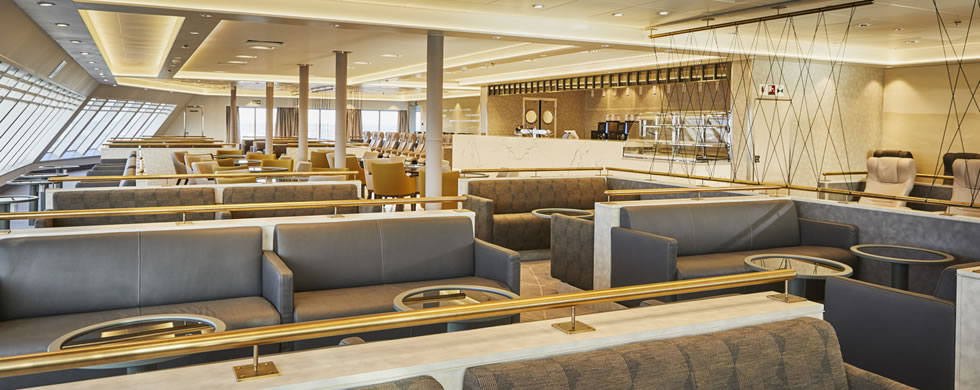
Families may prioritise dining, a cabin or the play area; other travellers may care more about lounge access or schedule. The right choice follows the trip’s needs, not the longest list of facilities. Review the W.B. Yeats ship details before deciding which extras matter.
- Rest: compare the listed cabin categories.
- Dining: review the named restaurants and casual options.
- Shared time: check which lounges and family spaces are relevant to your party.
For travellers who prefer a slower, self-directed start to a holiday, the onboard range can be part of the appeal. Choices may affect the overall spend, so compare the sailing length and comfort priorities before booking.
French stays and attractions give the brand a wider role
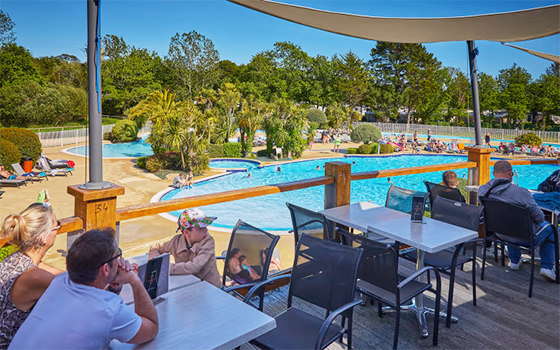
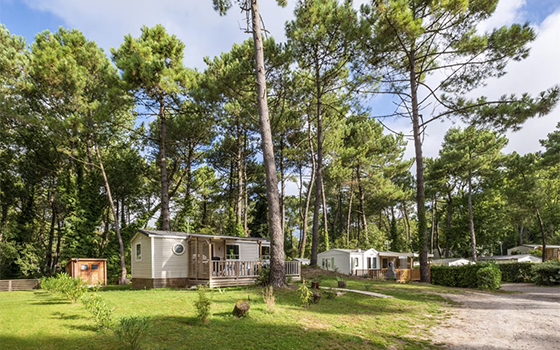
On the destination side, the Irish store presents Eurocamp Holiday Parks and Parc Asterix among its France options. These are distinct propositions. Eurocamp points toward a park-based stay with accommodation and facilities; Parc Asterix is an attraction-led break. The holiday park pages and attraction-break information help a reader move from “how do I get there?” to “what kind of trip do I want?”, while keeping the ferry as one decision within a larger plan.
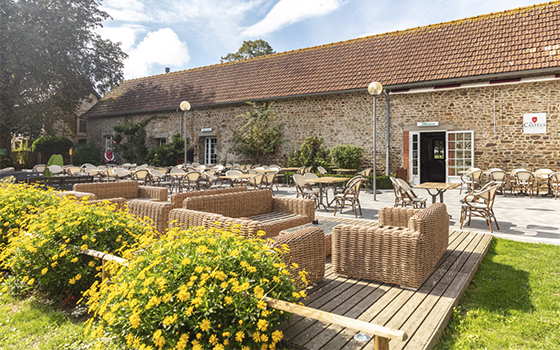
The park format is most naturally suited to travellers who want to settle in one location for several nights and use it as a base. The actual setting and facilities vary by park, so the Eurocamp Holiday Parks pages should be treated as a directory to compare rather than one standard product. A countryside base may suit a family break or regional touring; it may be less useful for a short city-focused visit or an itinerary that changes location each day.
Parc Asterix changes the emphasis from staying somewhere to planning around a visit. That can make sense for families or theme-park fans who want a defined highlight, with accommodation and transport considered around it. The Parc Asterix option needs its own checks for dates, package details and what the itinerary includes. The Irish Ferries attraction page is a starting point; the attraction name alone does not tell a reader whether the offer bundles the elements they need.
The range works best when each choice solves a real need
A first-time reader can make the range easier to assess by moving through it in order. First ask whether Dublin-Cherbourg fits the geography. Then consider the time spent aboard W.B. Yeats and the facilities that would genuinely improve that passage. Only after those decisions should a partner stay or attraction become part of the plan. That sequence keeps the brand’s breadth useful rather than turning a simple trip into a list of add-ons.
The offer is most relevant to self-directed travellers who value a vehicle, want to shape onboard time, or are planning a stay that fits the route. A short city break may call only for the crossing, or another travel mode may suit better. The total depends on sailing date, party, vehicle, cabin and accommodation choices, so check current details on the relevant pages.
- Match the sailing and port to the places you actually plan to visit.
- Decide whether a vehicle is central to the itinerary or simply an added cost and responsibility.
- Compare onboard facilities with the crossing length and your party’s comfort needs.
- Check the location and inclusions of a stay or attraction separately from the ferry.
Is Irish Ferries a useful starting point for a France trip?
For a traveller whose plans align with Dublin-Cherbourg, especially one bringing a vehicle, Irish Ferries is a useful place to start. The W.B. Yeats ship information and selected Eurocamp partner options make the brand more than a route listing, and they give first-time readers concrete ways to shape a longer journey.
Its main limitation is coordination: the route, onboard extras, accommodation and attraction details are not a substitute for a complete itinerary. We recommend comparing those elements against your dates and onward plans, then using the brand’s Irish-store pages to check current availability.