

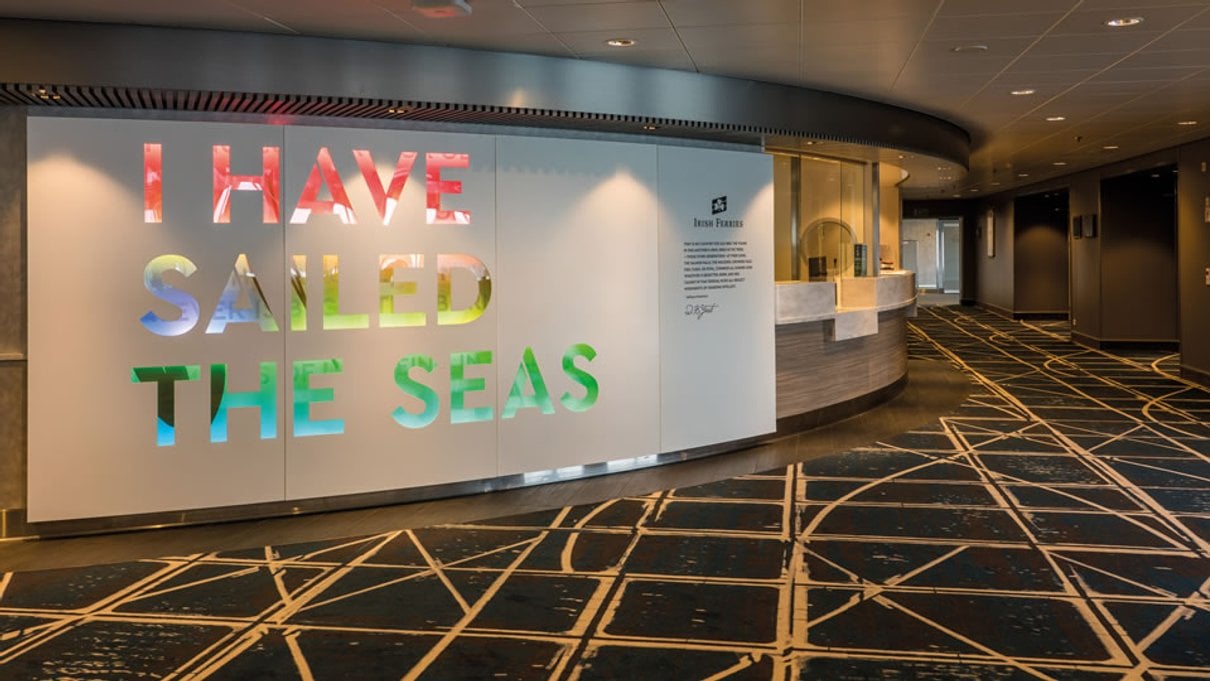
We compare the Dublin-Cherbourg crossing, W.B. Yeats onboard space and bundled French stays so you can match the booking to the trip you actually want.
Planning a France trip from Ireland means choosing more than a sailing. You may want to take your own car, travel as a foot passenger, or bundle the crossing with a place to stay. Irish Ferries offers a route, onboard facilities and holiday packages, but these options solve different problems.
We reviewed the Ireland-store information rather than relying on personal travel experience. The useful comparison is how much control, convenience and planning each choice gives you.
Heads-up: we earn a commission from some links in this article. It never changes the price you pay.
What you need to know
- Dublin-Cherbourg is the core choice for drivers taking their own vehicle to France.
- W.B. Yeats adds cabins, dining, bars and family spaces to the crossing; check the sailing details for your dates.
- Eurocamp Holiday Parks bundles ferry travel with selected French park stays, with less independence than booking each element separately.
- Foot passengers should compare the ferry with the extra train bookings and transfer planning needed for rail travel.
The three options trade control for convenience
| Option | Best for | Main benefit | Trade-off |
|---|---|---|---|
| Dublin-Cherbourg | Drivers | Take your own car | Plan the onward drive |
| W.B. Yeats | Overnight crossings | Cabins and onboard spaces | Facilities vary by sailing |
| Eurocamp Holiday Parks | Park-centred breaks | Ferry and stay together | Fixed location and dates |
Dublin-Cherbourg gives drivers the most control
The route is the most direct fit for travellers who want their car at the destination. Compare the route details on the official Dublin-Cherbourg page and sailing information. Having a vehicle makes it easier to carry luggage, travel with children or pets, and reach places beyond a rail station. The trade-off is responsibility: drivers plan the onward journey, fuel and stops themselves.
Dublin-Cherbourg is the route to compare when driving is central to the trip. Read the sailing schedule and check-in guidance on the official page, then compare the overall crossing against your road mileage and arrival plans. A conventional alternative such as flying and hiring a car may suit a shorter stay or a plan focused around one city, but it adds separate transport arrangements and vehicle collection.
The sailing itself also affects the decision. Review the Dublin-Cherbourg route and current route details when setting your itinerary. The Dublin-Cherbourg gives drivers a vehicle-led journey, whereas foot passengers can use the same crossing without the freedom of a car once ashore. If you are considering a rail-led trip, remember that the ferry and train have separate booking and timetable considerations.
W.B. Yeats makes onboard space part of the choice
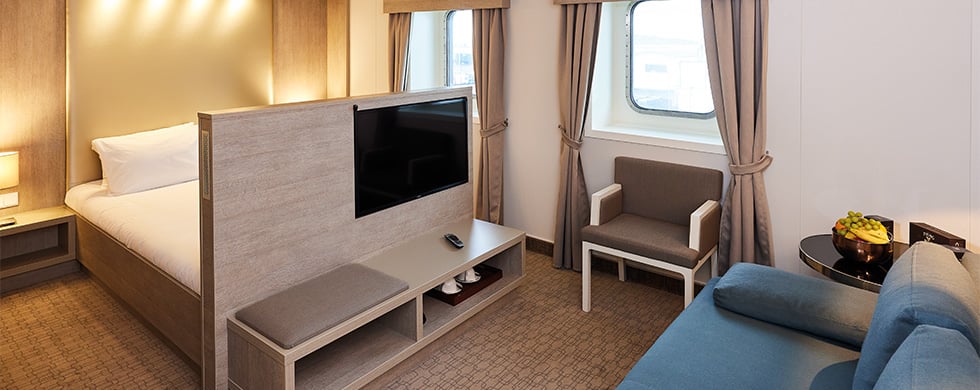
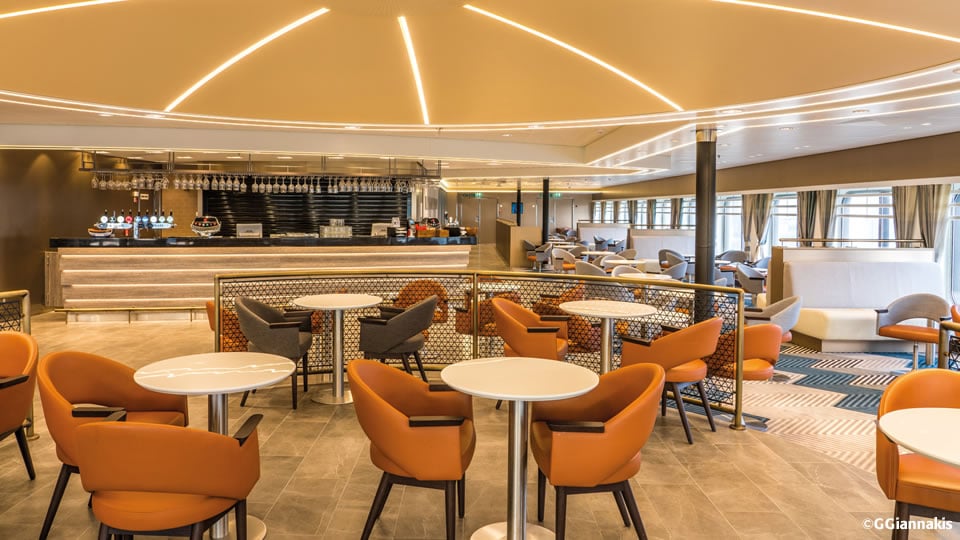
For an overnight crossing, the ship is part of the itinerary, not just the transfer. See the W.B. Yeats ship details and onboard information before choosing a cabin. W.B. Yeats lists cabins, dining, bars and family spaces. A cabin can make rest more practical, while seating and public areas provide alternatives for travellers who do not need a private room. Facilities can make a long crossing more manageable, but they do not remove the time spent travelling.
Compare the specific cabin or seating choice against your group’s needs and the length of the sailing. The W.B. Yeats page and ship facilities listing can help narrow the choice. Families may value a quiet place to rest; solo or short-trip travellers may prefer to keep the booking simpler. The ship page describes options such as cabins and onboard areas, so check what is available for your sailing rather than assuming every facility is offered in the same way each time.
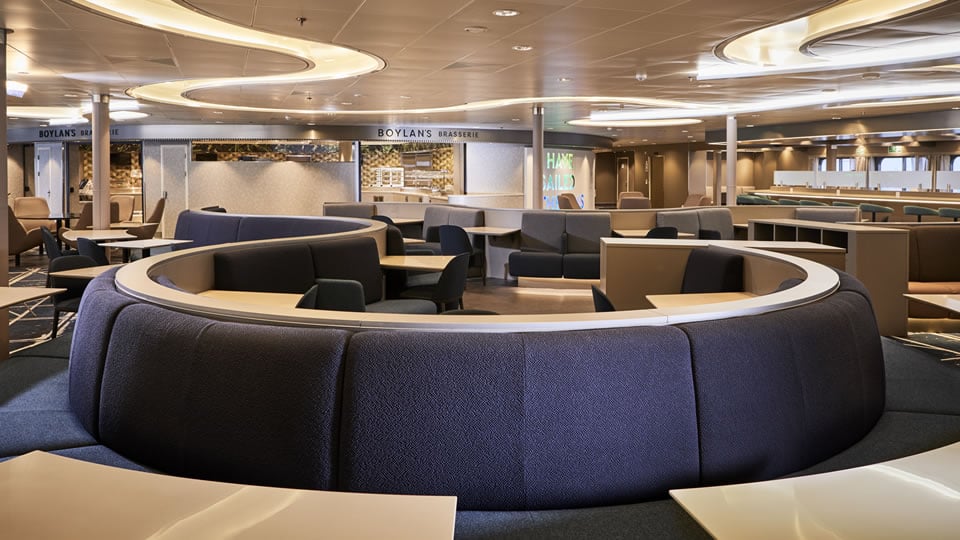
Dining is another practical point. Check W.B. Yeats dining options alongside the onboard facilities when weighing comfort. Boylan’s Brasserie and other onboard food options are useful when you prefer to eat during the crossing instead of planning food around the port. The W.B. Yeats is the place to compare the onboard offer; food choice and cabin comfort matter most when you expect to spend much of the sailing aboard.
- Choose a cabin when rest and privacy matter more than keeping the crossing booking lean.
- Choose a simpler seating plan when the crossing is one part of a tightly planned trip.
- Review accessibility and family needs against the ship details before confirming.
A direct alternative is a shorter crossing from Britain to France after travelling across the UK. That may suit some itineraries, but it adds another leg before reaching the continent. For an Ireland-based driver, compare total journey logistics instead of looking only at time aboard.
Eurocamp Holiday Parks joins the crossing to a stay
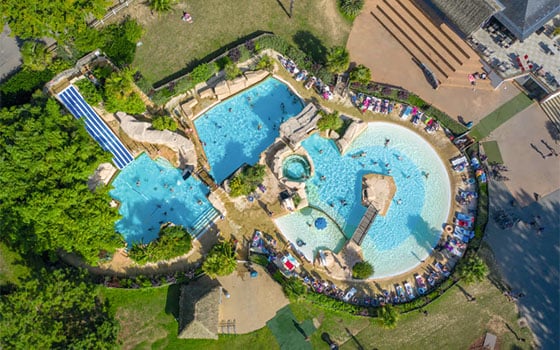
Eurocamp Holiday Parks suits travellers who want a campsite-based break and appreciate having ferry travel and a selected park in one package. The range includes family-oriented facilities at sites in France, giving the trip a fixed base rather than a sequence of hotel stops. That can be useful for longer stays where a pool, play space or on-site activities will be used repeatedly.
The cost drivers are the travel dates, accommodation type, length of stay and any booking extras. Compare the Eurocamp park options and holiday park details for your likely dates. No single package fits every destination or group, so check the location, accommodation details and what is included. A separately booked ferry plus hotel or rental gives more choice of towns and property styles, but leaves you to coordinate availability and timings across separate suppliers.

Eurocamp is therefore the convenience-led stay option, while an independent accommodation booking is the flexibility-led alternative. Consider how much time you expect to spend at the park. If the trip is mainly about touring, a fixed campsite may feel restrictive; if the accommodation is a destination in itself, the package may reduce planning effort.
- Compare the park’s location with the places you plan to visit.
- Check the accommodation type and facilities rather than judging by the park name alone.
- Confirm how the ferry element and stay dates align before booking.
Also compare rail-based travel if you do not want to drive. Ferry & Rail involves a ferry crossing and separate train arrangements, so the flexibility depends on train times and transfer buffers. This can work for a car-free itinerary, especially when the destination is well connected, but it asks for more coordination than a single driving route or a combined park booking.
The best option depends on what you want to control
These choices are not interchangeable. Dublin-Cherbourg wins for drivers who want their own vehicle in France. W.B. Yeats wins for an overnight crossing where cabin, dining and shared spaces influence comfort. Eurocamp wins for a park-centred family break where bundling the stay with the ferry is useful. For car-free travellers, compare Ferry & Rail with the exact train plan before deciding.
Our recommendation is to start with the trip’s biggest constraint: vehicle access, onboard rest or accommodation. Then check current sailings, availability and terms on the Ireland store. The limitation is that route schedules, ship facilities and package availability can vary by date, and the store’s pages cannot decide whether the onward itinerary suits your group.
Which Irish Ferries option fits your France trip?
Choose the crossing if your car and independent route planning matter most; choose W.B. Yeats when onboard comfort is a deciding factor; and choose Eurocamp Holiday Parks when the park stay itself is central to the break. The last trade-off is straightforward: packages simplify coordination, while separate bookings can offer more control over where and how you stay.
Check the official options against your dates, vehicle or passenger needs, and onward plans before you commit. That is the fairest way to compare them with flights, rail connections or independently arranged accommodation.