


The Ireland-France Sail & Rail offer links a separately booked ferry and train with a claim for a refund on the ferry fare, subject to clear booking and transfer conditions.
For a car-free journey from Ireland to France, the Irish Ferries offer pairs a foot-passenger ferry crossing from Dublin to Cherbourg with onward rail booked through Trainline. The pieces are arranged separately, so this is a refund offer attached to two bookings rather than a single through ticket.
The useful detail is in the booking order, the claim email and the transfer window. Review the published Sail & Rail steps before choosing either ticket. We reviewed the offer information on the Irish Ferries site; it does not make the ferry and train a protected connection, so a missed train remains a planning risk.
Heads-up: we earn a commission from some links in this article. It never changes the price you pay.
What you need to know
- Book a foot-passenger Dublin-Cherbourg crossing first, then book the onward French rail journey separately.
- Email both Irish Ferries and Trainline booking references to Irish Ferries to request the ferry-fare refund; the offer page excludes fees.
- Allow at least two hours between scheduled ferry arrival and train departure at Cherbourg, as the operator recommends.
- The ferry and rail legs are not treated as connecting services by rail operators, so build in extra time if a delay would disrupt the plan.
- The W.B. Yeats is featured on the Ireland-France route information; verify the ship and sailing details for your chosen date.
Sail & Rail starts with two separate bookings
The offer is intended for foot passengers travelling from Ireland to France. First reserve the ferry crossing from Dublin to Cherbourg with Irish Ferries. Then arrange the onward train journey from Cherbourg using Trainline. Irish Ferries identifies the ferry leg as the Dublin-Cherbourg service; the route details help you check the port and sailing information before selecting dates.
That order matters because the claim asks for both booking references. The Dublin-Cherbourg route page is the ferry reference point for comparing sailings. Keep the ferry confirmation and the Trainline confirmation together, and ensure the dates and passenger details line up. This also means comparing timetables before committing to either leg. The Sail & Rail instructions set out the two-part process, but do not bundle the services into one itinerary.
The offer page describes a refund on the ferry fare after the separate bookings are made. It specifies that fees are outside the refund calculation. It does not mean the train fare is refunded by Irish Ferries, and it is not a discount automatically applied at the ferry checkout. Treat the claim as a follow-up task, not as a deduction to expect while booking.
- Save both confirmation emails and their reference numbers.
- Check the ferry arrival time against the train departure station and time.
- Use the contact route named on the offer page to submit the references after booking.

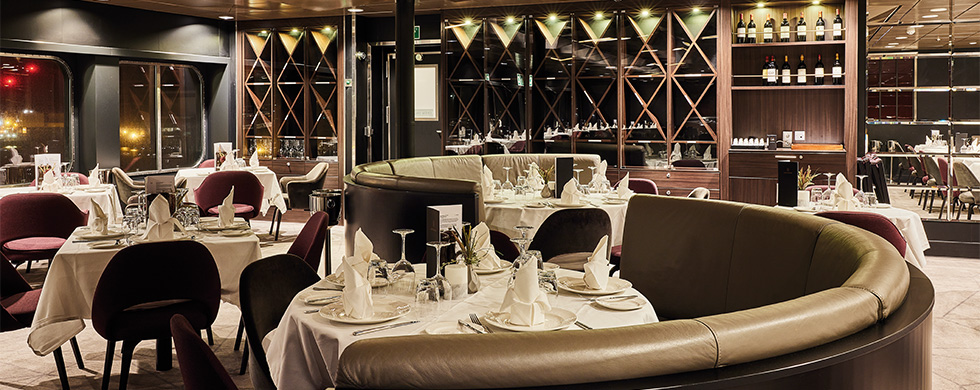
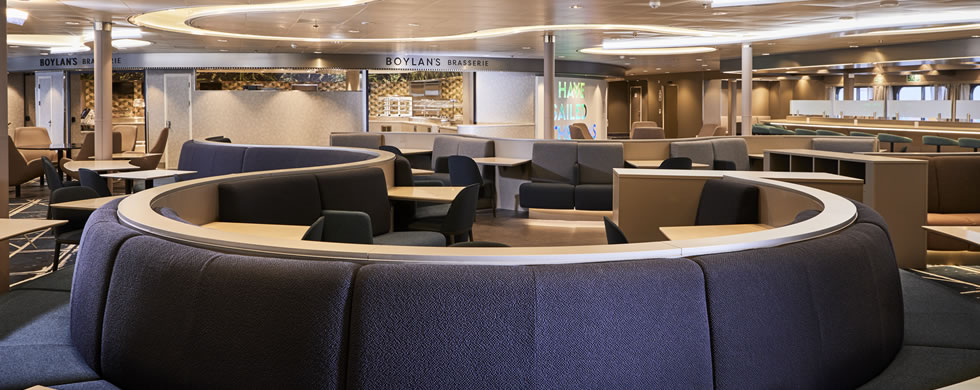
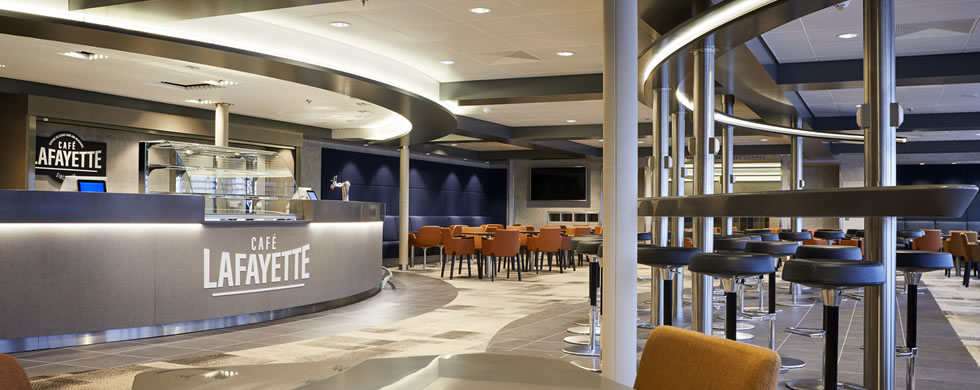
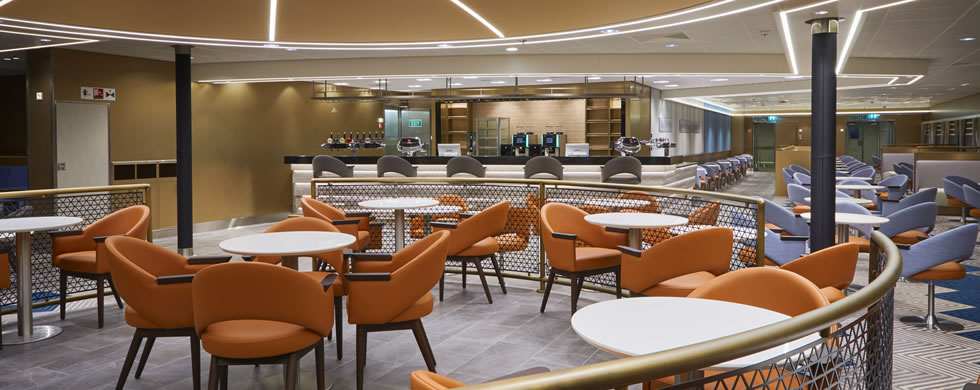
The W.B. Yeats page shows the ship and its facilities, including cabin and lounge choices. They are relevant to comfort on the sea leg, but they are separate from the rail refund. If you need a specific cabin, verify availability on the sailing you are considering rather than assuming the pictured accommodation is included.
The claim depends on matching booking records
Irish Ferries says to write to the Sail & Rail email address shown on its offer page and quote the Irish Ferries and Trainline reference numbers. The page presents this as the way to request the refund on the ferry fare. It also limits the calculation by excluding fees, so the returned amount may not match the full total paid for the ferry booking.
Before sending the request, check that you have the right references and that both bookings relate to the same journey. The live offer page is the place to confirm the email address and any current terms. We would retain the response and booking records until the claim has been dealt with. Do not rely on a code or an automatic checkout adjustment: neither is described in the steps published for this offer.
There is no stated countdown to rush against in the offer copy. Instead, check whether the offer is still available for your intended departure and whether the terms have changed. Ferry availability, rail timetables and the refund process are distinct details, and each can affect whether this arrangement works for your dates.
Cherbourg needs a realistic transfer buffer
Irish Ferries recommends allowing a minimum two-hour gap from the ferry’s arrival time to the train departure. That is a starting point, not a guarantee that every itinerary will be comfortable. Arrival procedures, walking or transport to the station, and any disruption can all use up the available transfer time. If the train is important to a longer connection, a larger buffer or a later departure may be the more practical choice.
The offer terms add a significant limitation: train operating companies do not regard the ferry and rail services as connecting services. In practice, that means you should not assume the train operator will provide missed-connection protection if a ferry delay makes you late. Check the train ticket conditions and decide whether the savings from the ferry refund justify the extra connection risk for your plans.
Transport from the port also needs its own check. The Irish Ferries page discusses local bus, taxi and walking options, and notes that bus arrangements can vary. Confirm current transport details close to travel. For route specifics, use the Dublin-Cherbourg information alongside the current Sail & Rail page, rather than relying on an old screenshot or timetable.
- Compare the scheduled arrival against the actual train station departure point.
- Allow for disembarkation and transfer time, with more than the stated minimum when plans are time-sensitive.
- Review the rail ticket’s change and missed-connection conditions before choosing a departure.
The offer suits flexible foot passengers
This arrangement is most useful for travellers who do not need to take a car and can select a train departure with a comfortable margin after the ferry. It keeps the booking logic clear: ferry first, rail separately, then a claim using both references. If you are travelling with family, mobility needs or substantial luggage, the transfer itself deserves careful consideration because the two tickets do not form a protected connection.
The offer is less straightforward for a tight, fixed onward itinerary. Someone connecting immediately to a reservation or another non-changeable train may prefer a longer wait in Cherbourg, even if that means spending time at the port or station. A group also needs to coordinate the separate confirmations and make sure every passenger is covered by the relevant booking details.
For the ferry leg, the W.B. Yeats pages help identify the ship and onboard features; the actual vessel can depend on the sailing. Check the ship details against the selected route information. Use the Irish Ferries Sail & Rail page to check the offer scope, and compare the train schedule independently before booking. The combination can make sense when your timetable is flexible and you are comfortable managing two records and the claim yourself.
Should you accept the separate-ticket risk for a ferry refund?
We recommend considering it if you are a foot passenger, can book a train with a generous transfer window and are happy to submit a claim after making separate reservations. The refund is a useful benefit on the ferry fare, but fees remain excluded and the onward rail leg is not protected as a connection.
If your arrival time leaves little room for delay, compare a later train or another itinerary before booking. Confirm the current eligibility and claim instructions directly on the Sail & Rail offer page, then keep both booking references ready.