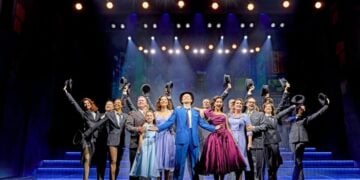


A closer look at how Cabaret’s Berlin setting, music and official theatre experiences shape the identity of the Kit Kat Club production.
For someone meeting Cabaret – London for the first time, the obvious question is what makes this production distinct from a familiar staging of the musical. The answer begins with a specific world: Berlin in 1930, a club on the edge of history, and a theatre reimagined to bring the audience close to that world.
The official site presents the show through its story, creative credits, venue and several ways to plan the visit. We have read those materials as a brand introduction, rather than as a report from a performance. Together they show a production that makes its setting part of its identity, while offering a choice between a show-first ticket and hospitality built around it.
Heads-up: we earn a commission from some links in this article. It never changes the price you pay.
What you need to know
- The official story places Sally Bowles, Cliff Bradshaw and the Emcee in Berlin in 1930.
- The Playhouse Theatre is transformed into the intimate Kit Kat Club setting.
- The musical has a book by Joe Masteroff, music by John Kander and lyrics by Fred Ebb.
- All Tickets, Stageside Dining and Cocktail Experience are distinct official ways to frame a visit.
The official Cabaret – London site is the source for the story, credits and visit options discussed here.
Berlin in 1930 gives the production a dramatic frame
The show’s own synopsis sets its action in Berlin, 1930, a city described as alive with music, desire and possibility while a shadow gathers at its edges. Sally Bowles sings to forget, Cliff Bradshaw writes to remember, and the Emcee presides over the club. That combination gives the musical an intimate social setting and a wider historical tension at the same time.
This context matters to a new reader because the club is more than a decorative backdrop. The official synopsis pairs its music and desire with a shadow growing at the edge of the story. The Playhouse Theatre becomes the Kit Kat Club, so the location is presented as part of the storytelling proposition. For practical expectations about seating and access, the official visit information is the more useful reference than a general venue description.
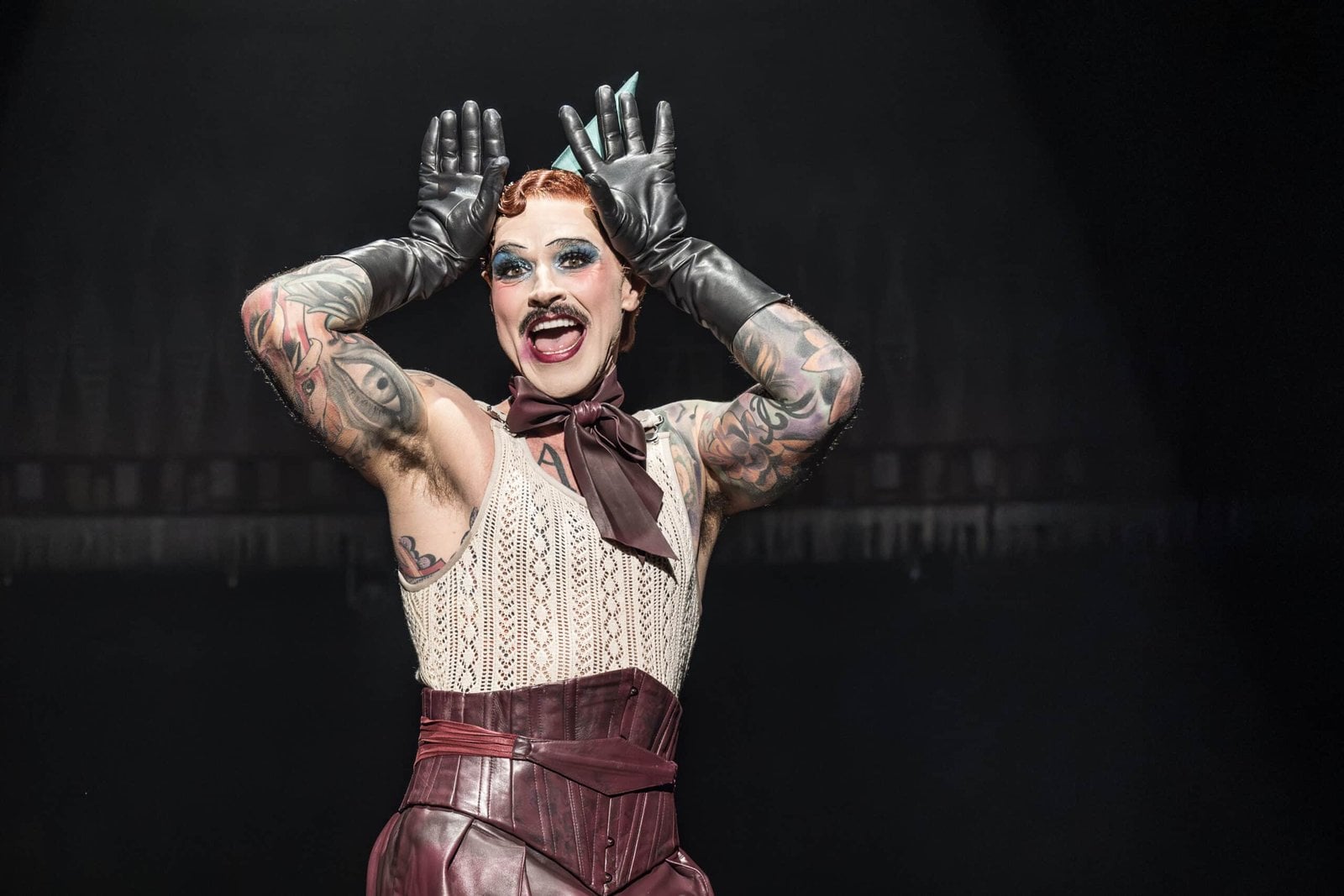
This visual approach reinforces the official description: the audience is invited into a theatrical club, with the surrounding setting supporting the musical’s sense of place.

For a first visit, it is useful to read the venue transformation as a creative choice, not a guarantee that every seat or moment feels identical. The official visit information can help with practical questions, while the main Cabaret – London overview introduces the production’s central premise.
Kander, Ebb and Masteroff shape the musical score
The production credits identify Joe Masteroff as book writer, John Kander as composer and Fred Ebb as lyricist. The work is based on a play by John Van Druten and stories by Christopher Isherwood. That chain of adaptation gives the musical a literary and theatrical lineage beyond its songs.
- Joe Masteroff wrote the book.
- John Kander composed the music.
- Fred Ebb wrote the lyrics.
The official site names numbers including Willkommen, Mein Herr, Maybe This Time, Money and Cabaret. For a first-time reader, that list offers a helpful entry point: the score supplies the club’s public-facing sparkle, while the plot keeps returning to the difference between performance and private feeling. The songs are part of the appeal, but the dramatic frame is what gives them context.
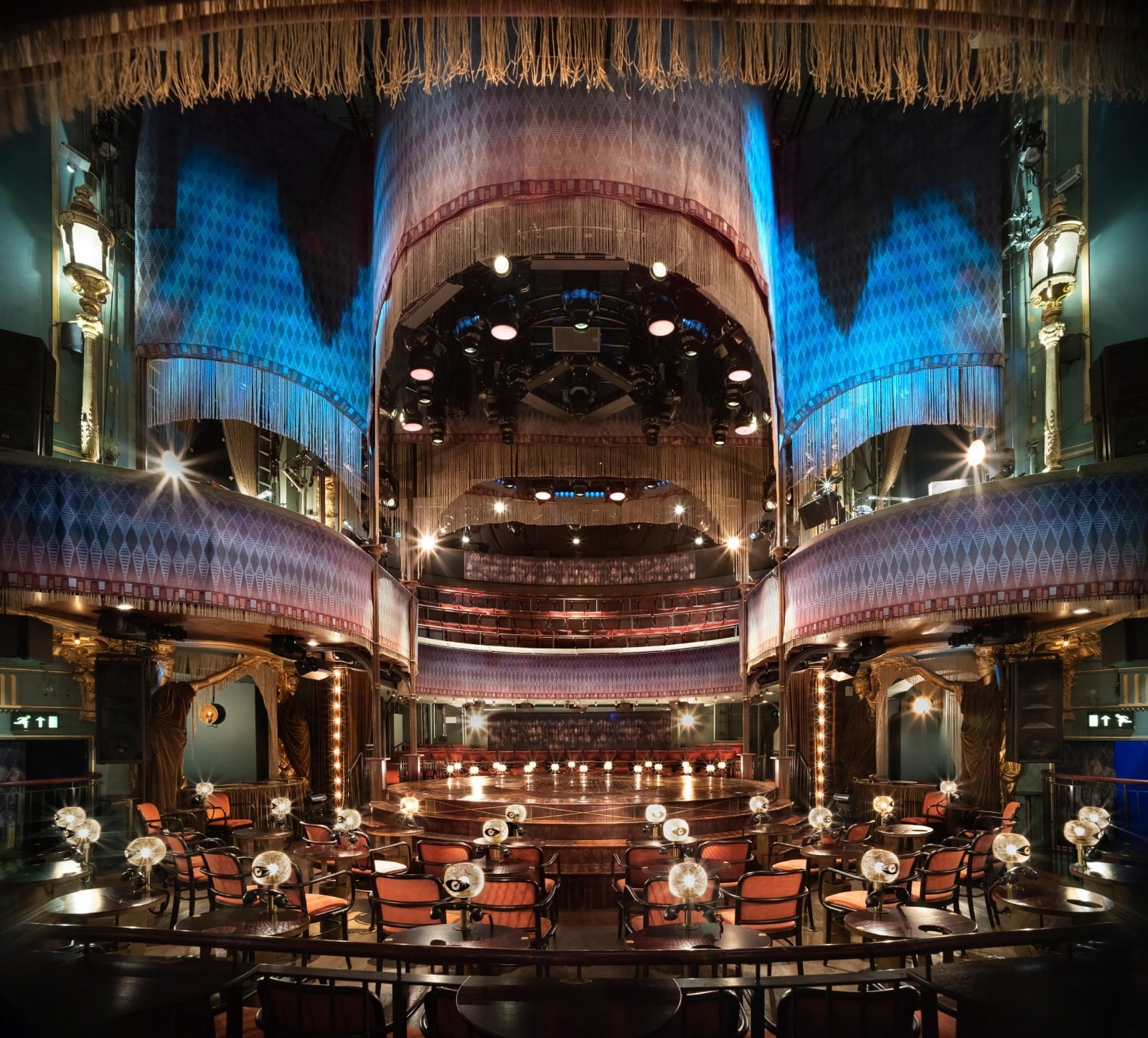
Readers who want the practical side can compare the official All Tickets information with hospitality details. These pages are useful after the story has made the production’s tone clear. The first decision is whether the performance is the whole plan; additional experiences make more sense when they fit the group’s timing and appetite for a longer evening.
The official range lets guests shape the evening
The official range is not a large catalogue of unrelated products. It is a small set of visit formats around one production. All Tickets keeps attention on the show. Stageside Dining connects a meal with the theatre visit; the official listing says it is available in pairs for table seats surrounding the stage in stalls rows A-B and AA-BB. Cocktail Experience adds a drinks-led social element. Availability and booking details can depend on the selected performance, so check the official listing before making plans.
- Choose All Tickets when the performance is the evening’s priority.
- Consider Stageside Dining when a meal integrated with the visit suits your schedule.
- Review Cocktail Experience when drinks and pre-show social time are part of the plan.
The All Tickets page is the clearest starting point for people prioritising the performance. Guests who want food as part of the occasion can look at Stageside Dining, then consider whether a dedicated meal arrangement fits their schedule. Those more interested in a pre-show drink can review the Cocktail Experience. Each option has a different role; the official pages explain what is included for a particular booking.
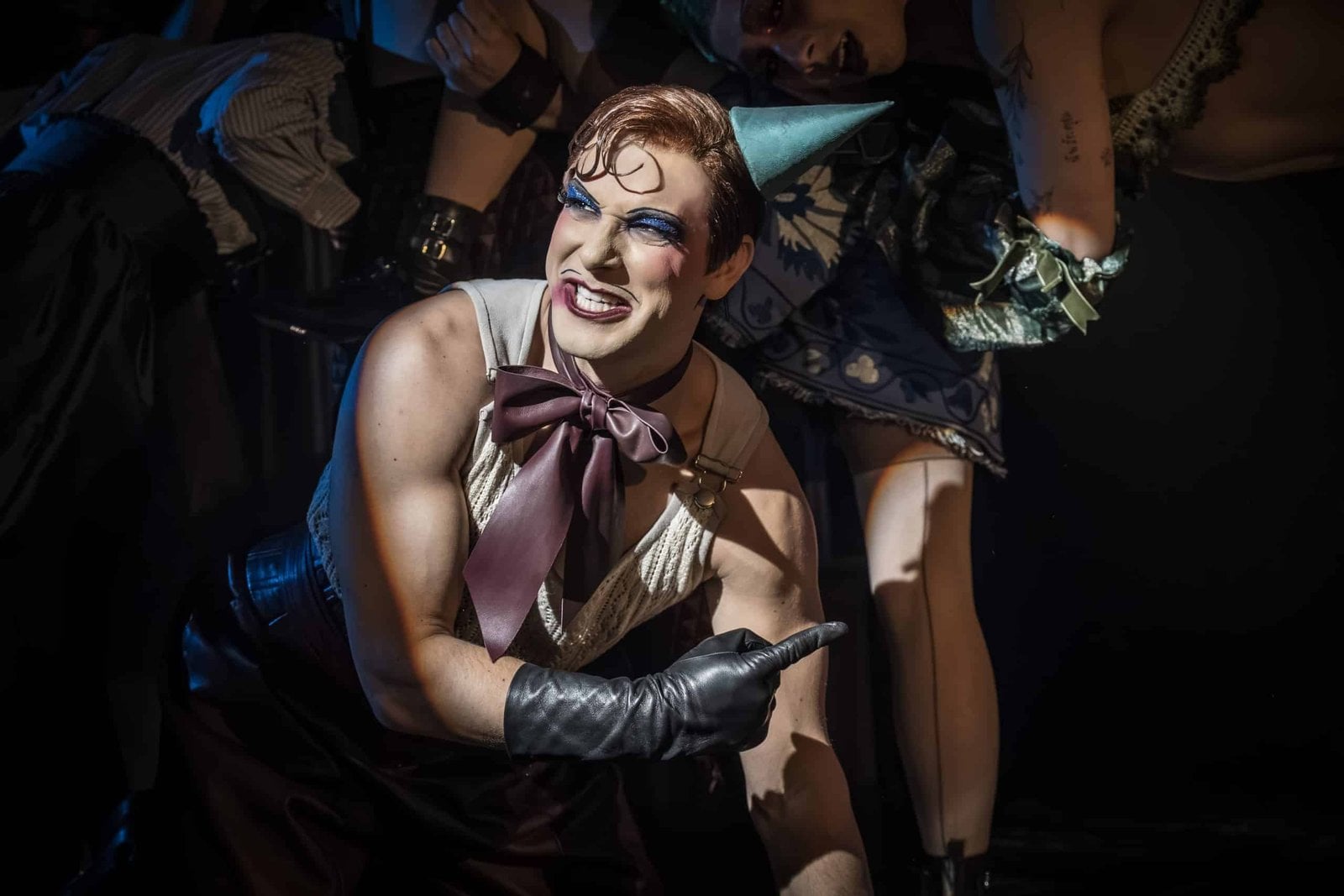
As a rule of thumb, choose the simplest ticket if the show is the main reason for going. Consider Stageside Dining when an integrated meal is a genuine convenience, and check the terms of the Cocktail Experience if drinks and social time are part of the plan. The visit guide provides another useful checkpoint for arrival and access questions.
Creative credits make the brand more than a venue
The Kit Kat Club gives the production a visual identity, and the official credits show why the story extends beyond one set. Masteroff’s book, Kander’s music and Ebb’s lyrics sit alongside source material from Van Druten and Isherwood. The result is a work with a defined creative lineage, rather than a theme night built only around a period look.
The official site also notes a record of seven Olivier Awards for the production and lists its cast and creative team separately. Awards provide context for the show’s place in London theatre, but they cannot predict an individual visitor’s response. For a thoughtful first-time reader, the more useful takeaway is that story, score, staging and venue are presented as connected parts of one experience.

Anyone deciding whether the production matches their interests can start with the official show overview, then use the ticket page to see the current ways in. The planning information is relevant for practical details, and the experience options help distinguish a performance-led booking from one with added hospitality.
Is Cabaret – London a good first introduction to the musical?
Cabaret – London is a strong first look for readers drawn to a story-led musical, its named songs and a venue integrated into the production’s identity. The official materials bring together its Berlin setting, source texts and principal creative credits in one account.
The limitation is that a production built around a club setting and hospitality choices may not suit every visitor, and official descriptions cannot substitute for personal taste or seat-specific expectations. We recommend beginning with the story and the show-first All Tickets option, then adding dining or cocktails only if they improve the shape of the evening. Check the official visit details before choosing.