
A first look at the stage prequel, its place in the Stranger Things story, and the official ATG choices surrounding a Phoenix Theatre performance.
For readers who know Hawkins from the television series, Stranger Things: The First Shadow – London offers a route back to the fictional town before the familiar story begins. It is a live theatre production at the Phoenix Theatre, with a narrative set in 1959 and built around younger versions of characters connected to the series.
That makes this a franchise story with a different format and starting point: a theatrical origin story rather than a screen recap. We reviewed the official ATG listing and its published information to explain what a first-time reader can expect from the brand and its ticket page.
Heads-up: we earn a commission from some links in this article. It never changes the price you pay.
What you need to know
- Hawkins, 1959 is the production’s stated starting point, before the events of the series.
- The show is presented live at London’s Phoenix Theatre, giving the story a fixed venue and stage format.
- ATG’s listing combines the performance calendar with audience guidance and optional hospitality choices.
- The VIP Lounge, The Private Bar, Junior Lounge Package and Fan Combo are add-ons to consider around a performance.
The 1959 setting gives the franchise a new entry point
The official description begins with Hawkins in 1959, well before the timeline most viewers associate with Stranger Things. It introduces a town that appears ordinary while its young residents have their own problems: Jim Hopper’s car will not start, Bob Newby is struggling to be taken seriously, and Joyce Maldonado is focused on graduating. Those details root the prequel in recognizable character names while allowing it to establish its own dramatic situation.
For a newcomer, that premise is useful context. The production is not positioned as a retelling of the television plot; its appeal lies in seeing the world and relationships at an earlier point. Existing fans can follow the names and connections, while a theatre-first audience can approach it as a story about a small town before its future becomes clear. The official page is careful to identify the period and characters, but readers wanting a full plot outline should use the show information rather than expect this article to spoil later developments.

Because the story is live, the experience also depends on how a stage production tells it. The audience shares one room and one performance, rather than moving between edited scenes on a screen. That distinction is central to the brand’s theatre version: the familiar fictional world is presented through performance in a historic West End venue. ATG publishes audience guidance on the event page, which is the sensible place to check suitability and any effects information before choosing a date.
The Phoenix Theatre makes the story a London stage event
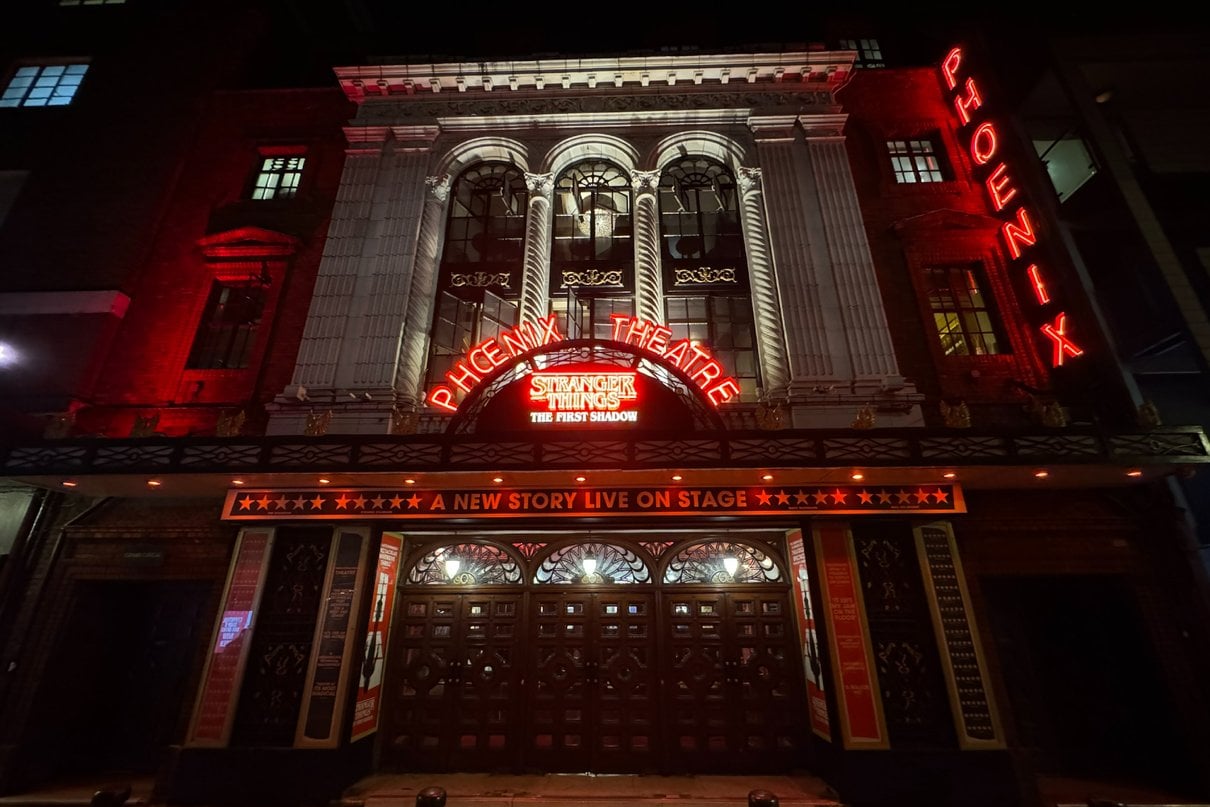
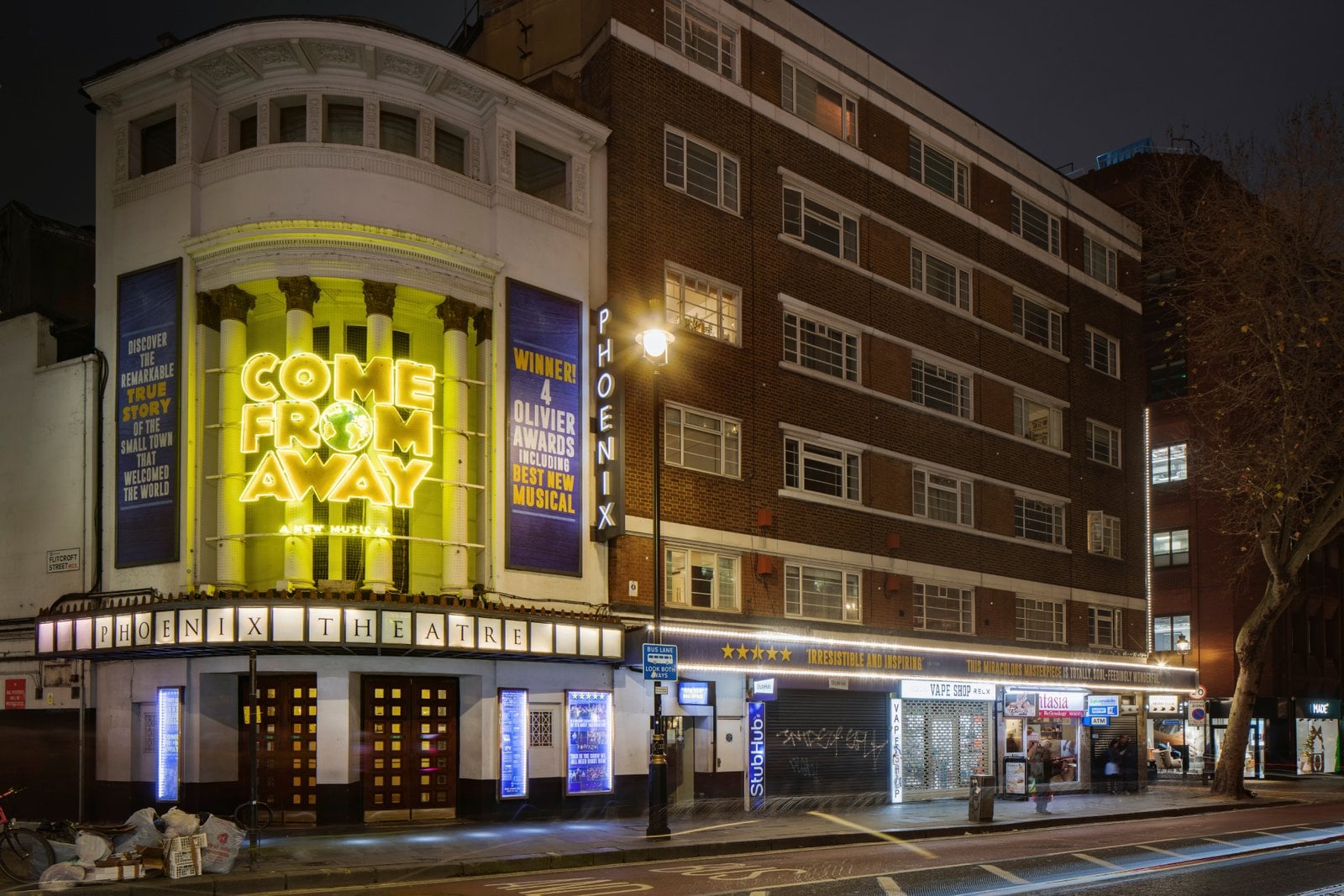
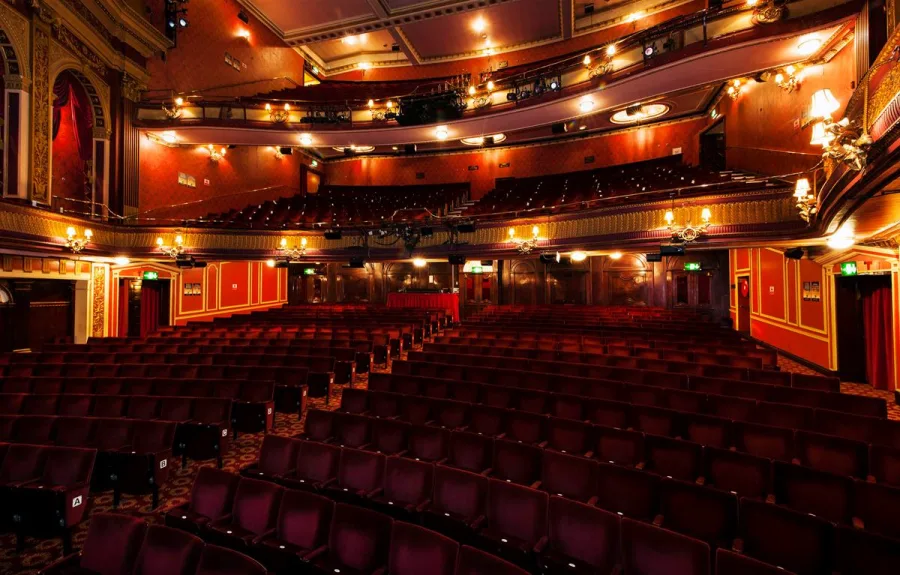
Phoenix Theatre is not just a booking address here; it is the setting for the production’s live presentation. A theatre visit asks a different question than streaming: which performance suits the group, how the venue works for each attendee, and whether the evening should include anything before or during the show. ATG places those decisions beside its performance calendar, so readers can review the performance options and venue notes in one route.
The official listing includes access information. That matters because access needs can affect seat selection and arrival planning, and the right details depend on the visitor rather than a general description of the building. Review the current venue and performance notes on the booking page if step-free access, seating arrangements or other practical considerations are important to your group.
Readers can also treat the calendar as the practical anchor. Performance availability and seating are date-specific, while supplementary packages may not be offered for every performance. Starting with the show listing keeps the comparison grounded in the chosen date instead of assuming every option appears in every booking flow.
ATG add-ons shape the evening around the performance
The ticket page’s range includes choices that change the surrounding visit, rather than the production itself. The VIP Lounge is presented as a hospitality option for guests who want a dedicated lounge element. The Private Bar offers a separate bar-focused option. The listing does not make either package essential to understanding the play; they are optional extras for people planning a more hosted theatre visit.

Two other named choices help show how the offer can vary by audience or interest. Junior Lounge Package is a family-oriented add-on, while Fan Combo is framed for fans looking for an additional tie-in. Exact inclusions and availability can change with the performance and booking flow, so read their current descriptions before deciding. The useful distinction is simple: first choose the show and date, then assess whether an add-on answers a real need for your group.
- Choose the performance first, based on the date and seats that work for the group.
- Check the show’s audience and access information against everyone attending.
- Compare hospitality or fan extras only if their listed inclusions suit the evening.

That sequence keeps the production at the centre. A lounge or bar package may make the visit feel more complete for some visitors, while others will prefer to keep the booking focused on the stage story. The ATG listing lets readers inspect the available combination for their selected performance.
The range is strongest when story and setting lead
As a brand introduction, Stranger Things: The First Shadow – London has a clear proposition: a prequel set in Hawkins, delivered as a live West End production. The bridge between the series and the stage is its earlier timeline and recognizable character names. The Phoenix Theatre location and ATG’s booking information then make the idea tangible for someone deciding whether to attend.
There is also a useful limit to keep in view. The listing can explain the premise, venue, guidance and available add-ons, but package details and seat availability are tied to the selected performance. We would not treat a hospitality choice as a measure of the show itself; it is a separate decision about how to arrange the evening. Check the current details directly before committing to a date.
For a first-time reader, begin with the show description and published audience notes, then browse dates and seats. If an add-on is relevant, inspect its current inclusions alongside the performance. This approach serves both a curious fan and a theatre-goer who has not followed every season: the story premise provides a starting point, and the official event page supplies the practical information that a short introduction cannot settle.
Is this the right first step into Stranger Things on stage?
We recommend Stranger Things: The First Shadow – London to readers interested in seeing the franchise explore Hawkins before the television story, especially those who want a live theatre format. Its clearest strength is that it has a specific prequel premise and a named West End home. One limitation is that add-on availability and practical details are performance-specific, so readers should verify them for their chosen date.
Use the official ATG calendar to review current performances, seating information, audience guidance and the available options for the evening.