
Use fit, route and visibility needs to narrow POC’s cycling helmets to the style that makes sense for your regular rides.
Choosing a cycling helmet starts with the riding you actually do. A short urban commute, a long road day and a technical trail put different demands on coverage, airflow and useful features. The right comparison is therefore about matching the helmet to your use, then checking that its shape and adjustment work for your head.
POC’s UK cycling range includes road, gravel, mountain bike and commuter options. Its product pages describe distinctions in ventilation, coverage and visibility, but a feature list cannot tell you whether a helmet fits you well. We have reviewed the published product information to build a practical shortlist.
Heads-up: we earn a commission from some links in this article. It never changes the price you pay.
What you need to know
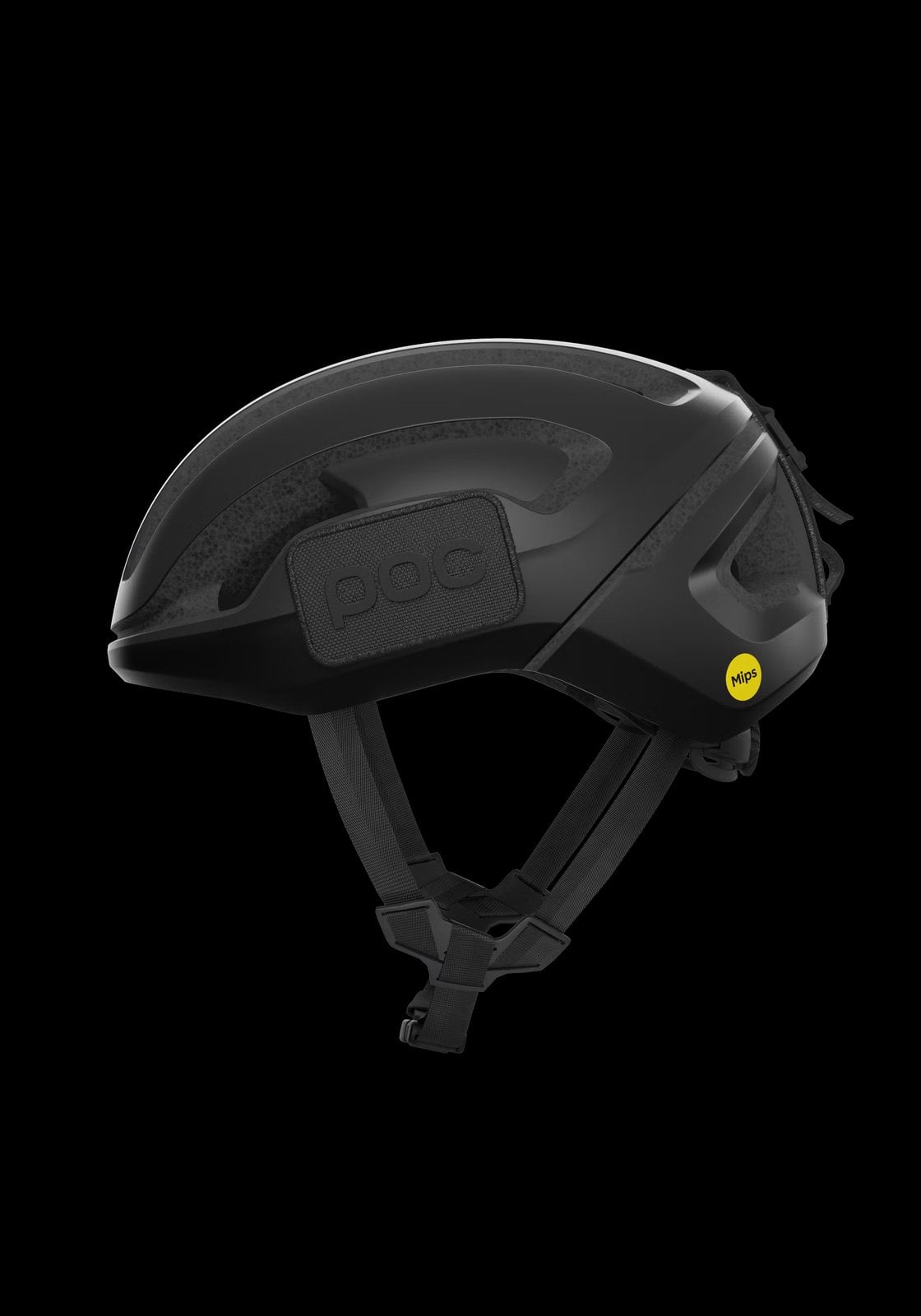
- Amidal Cycling Helmet: road and commute use, with a streamlined shape, reinforced rear zones and an optional separate Knog light.
- Omne Air MIPS Cycling Helmet: an all-round road, gravel and commute option with Mips Air Node and adjustable 360° fit.
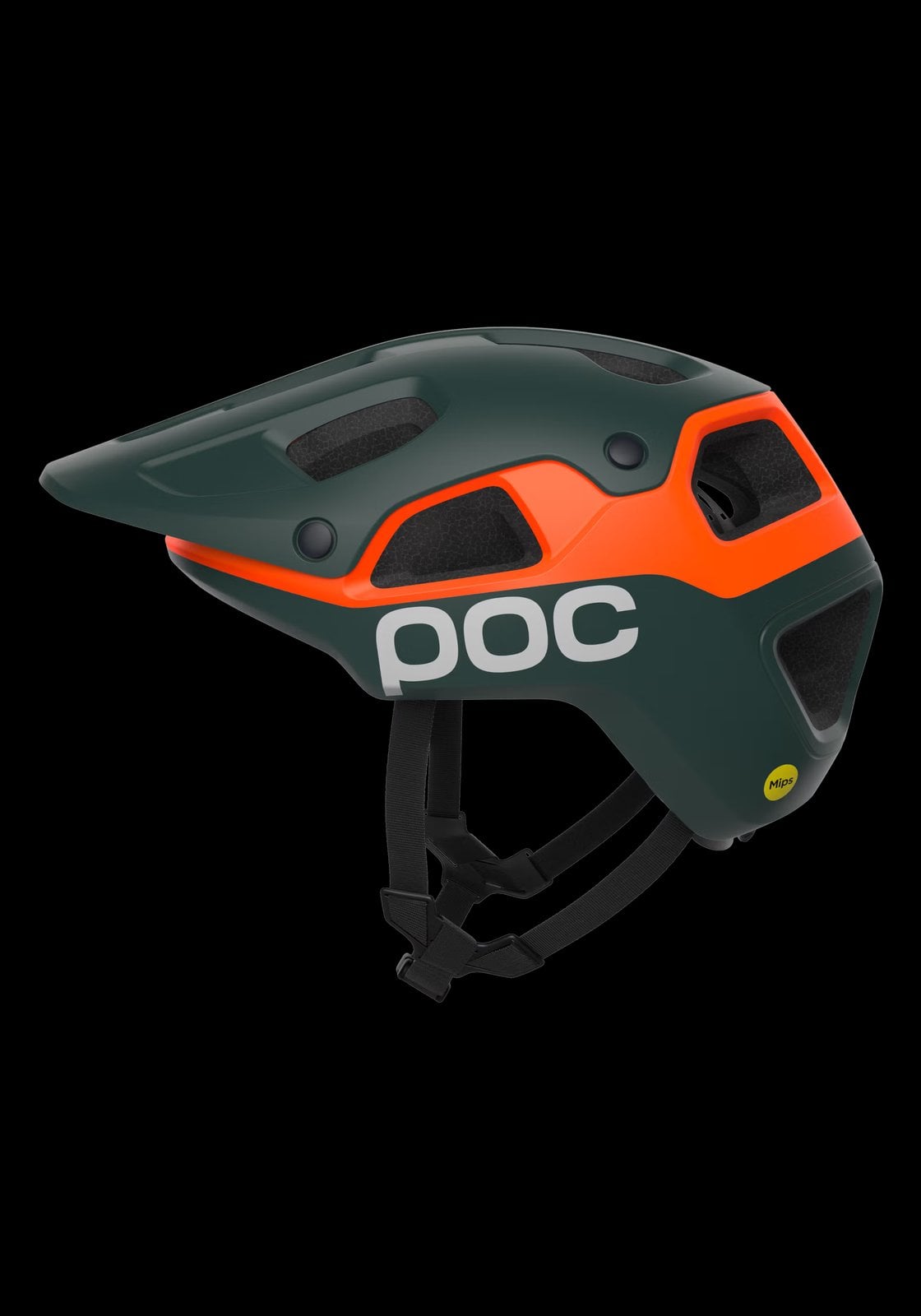
- Kortal MTB Helmet: trail and enduro focus, extended coverage, a breakaway peak and compatible POC Ora goggles.
- Start with the ride you do most, then check size, head shape, fit adjustment and current regional availability.
Fit and riding conditions should lead the shortlist
Before comparing models, measure your head using the store’s sizing guidance and note the size range available. A helmet should sit level, feel secure when adjusted and avoid pressure points. The fit system matters because it helps you fine tune stability; shell shape matters because not every model suits every head equally. If possible, compare fit in person before making a final decision.
Next, think through your regular conditions. For road riding and steady commutes, low weight and airflow can matter across long periods. Trail riders may want more coverage at the temples and back of the head, plus room to use goggles. Riders frequently travelling in low light may prefer a helmet with a visibility feature, while remembering that an integrated light does not replace appropriate lights elsewhere on the bike.
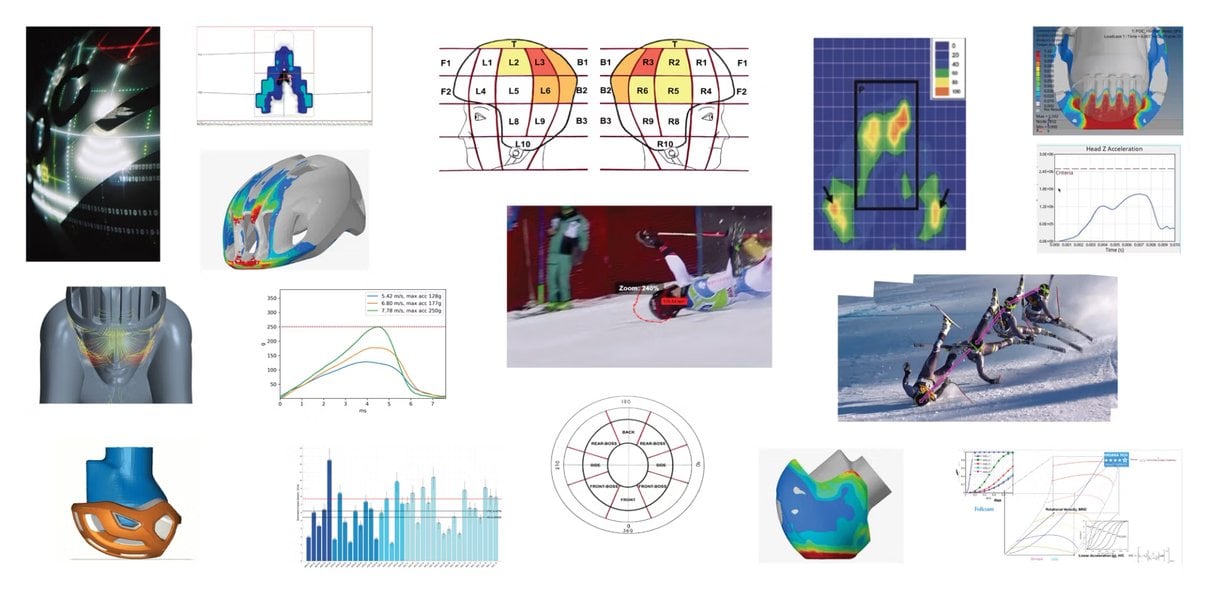
Also decide how much versatility you need. If one helmet will cover weekday travel and weekend rides, an all-round design may be a better match than a narrowly specialised model. For a dedicated discipline, features linked to that environment can carry more weight. POC says its range is developed using research and data, but each model still has a defined intended use.
- Write down your main riding type and the conditions you encounter most.
- Check the size chart, adjustment system and stated weight for your size.
- List any specific needs such as extended coverage, eyewear fit or low-light visibility.
Three POC helmets serve distinct rides
The Amidal is the road and commute choice for riders drawn to a slimmer silhouette. POC describes reinforced rear zones and internal air channelling, and says a dedicated Knog light can attach at the rear; that light is sold separately. Check the Amidal Cycling Helmet details if those features align with your usual route. Its page states use areas of commute and road, so riders seeking deeper trail coverage should shortlist another category.
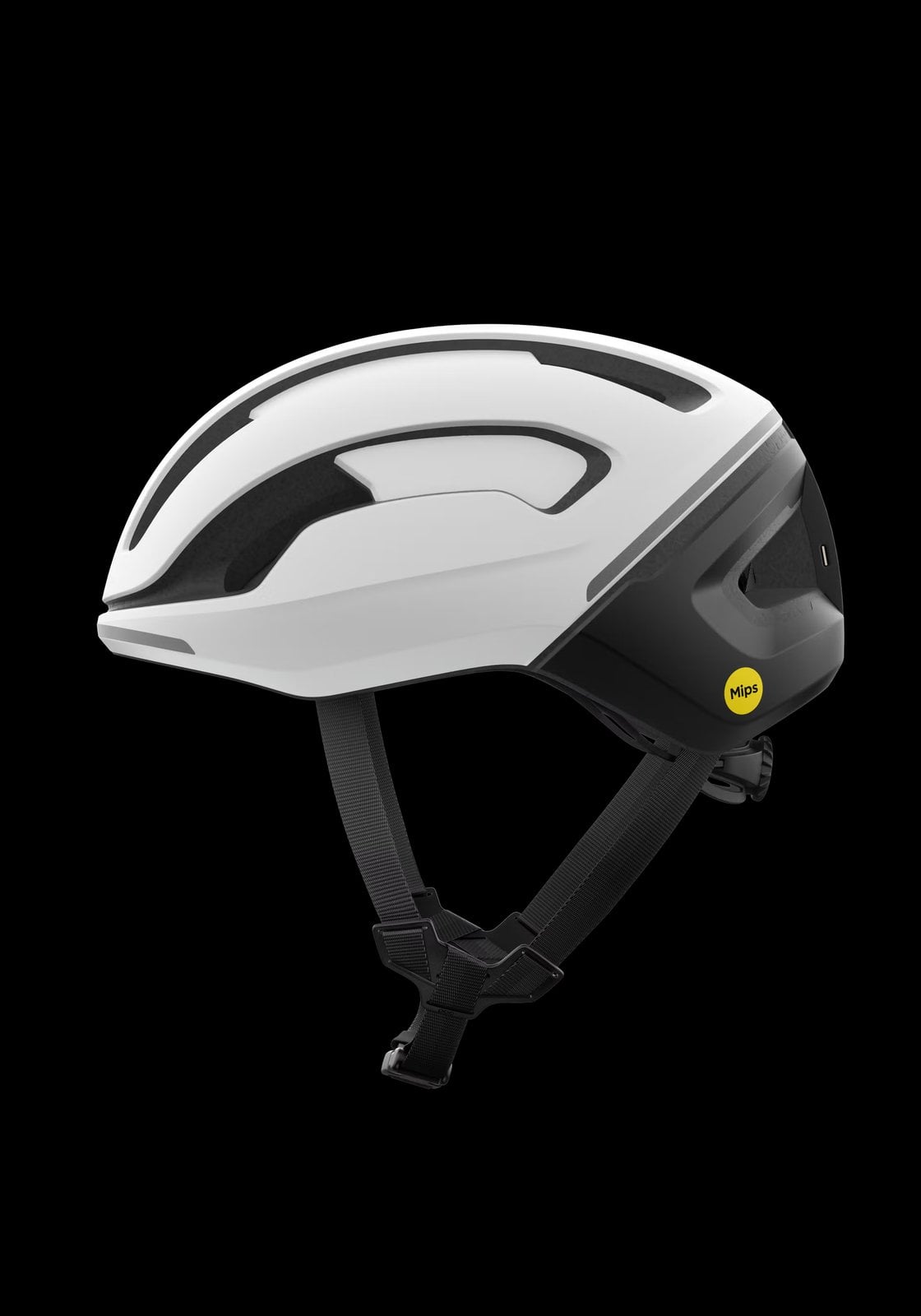
The Omne Air MIPS aims at riders who split time between commuting, gravel and road. Its page lists Mips Air Node, ventilation channels and a 360° fit system, alongside a slim profile. That makes the Omne Air MIPS Cycling Helmet the broadest-use option in this shortlist. Consider it if your rides vary, but compare the fit against your preferred head shape rather than assuming one all-round model suits everyone.
For trail and enduro use, the Kortal has extended coverage, uninterrupted ventilation and a patented breakaway peak. POC also describes a seamless fit with Ora goggles and certification to the Dutch NTA 8776 e-bike standard. Review the Kortal MTB Helmet if those trail-specific details matter. Its feature set is more focused than the Omne Air’s, which may be unnecessary for mostly urban or road riding.
For quick comparison, use the main use case as the deciding factor. The exact fit and current colour or size availability can change what is practical, so check the official UK product pages before settling on a model.
| Model | Best matched to | Published feature to weigh |
|---|---|---|
| Amidal Cycling Helmet | Road and commute | Streamlined shape; rear light sold separately |
| Omne Air MIPS | Mixed road, gravel and commute | Mips Air Node; 360° fit adjustment |
| Kortal MTB Helmet | Trail and enduro | Extended coverage; breakaway peak |
Check the details that affect everyday use
A shortlist is useful only if the practical details line up. Check whether the helmet’s shape works with your eyewear, whether the adjustment system can hold a stable position, and whether the product page offers your required size. For off-road use, consider whether your goggles sit comfortably with the peak. For commuting, think about visibility features and how they fit into your broader lighting setup.
It is also sensible to compare the care and replacement guidance on the store pages. Helmets are protective equipment, and the correct action after an impact depends on the product guidance. A listing may outline construction and certifications, but it cannot assess an individual helmet’s condition or replace the manufacturer’s instructions. The official POC cycling range is the right place to review the currently listed specifications.
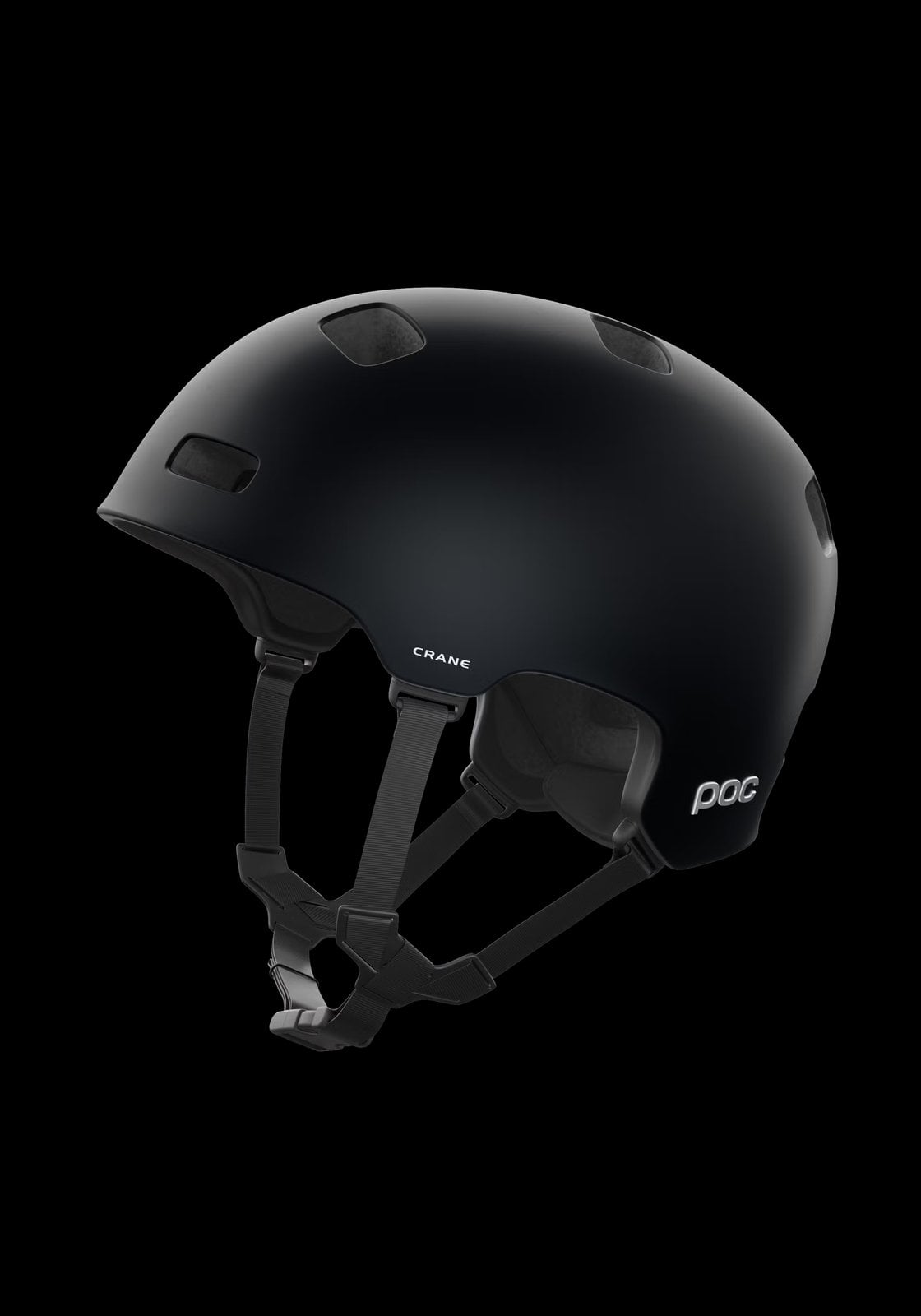
Two useful alternatives broaden the comparison. The Omne Beacon MIPS adds an integrated rear light aimed at commuters, while the Ventral Air MIPS prioritises airflow for road riders and climbing. Their stated features help clarify whether you value added visibility or cooling more. You can browse the commuter helmet options, examine the road helmet selection, or compare the mountain bike range on POC’s regional store.
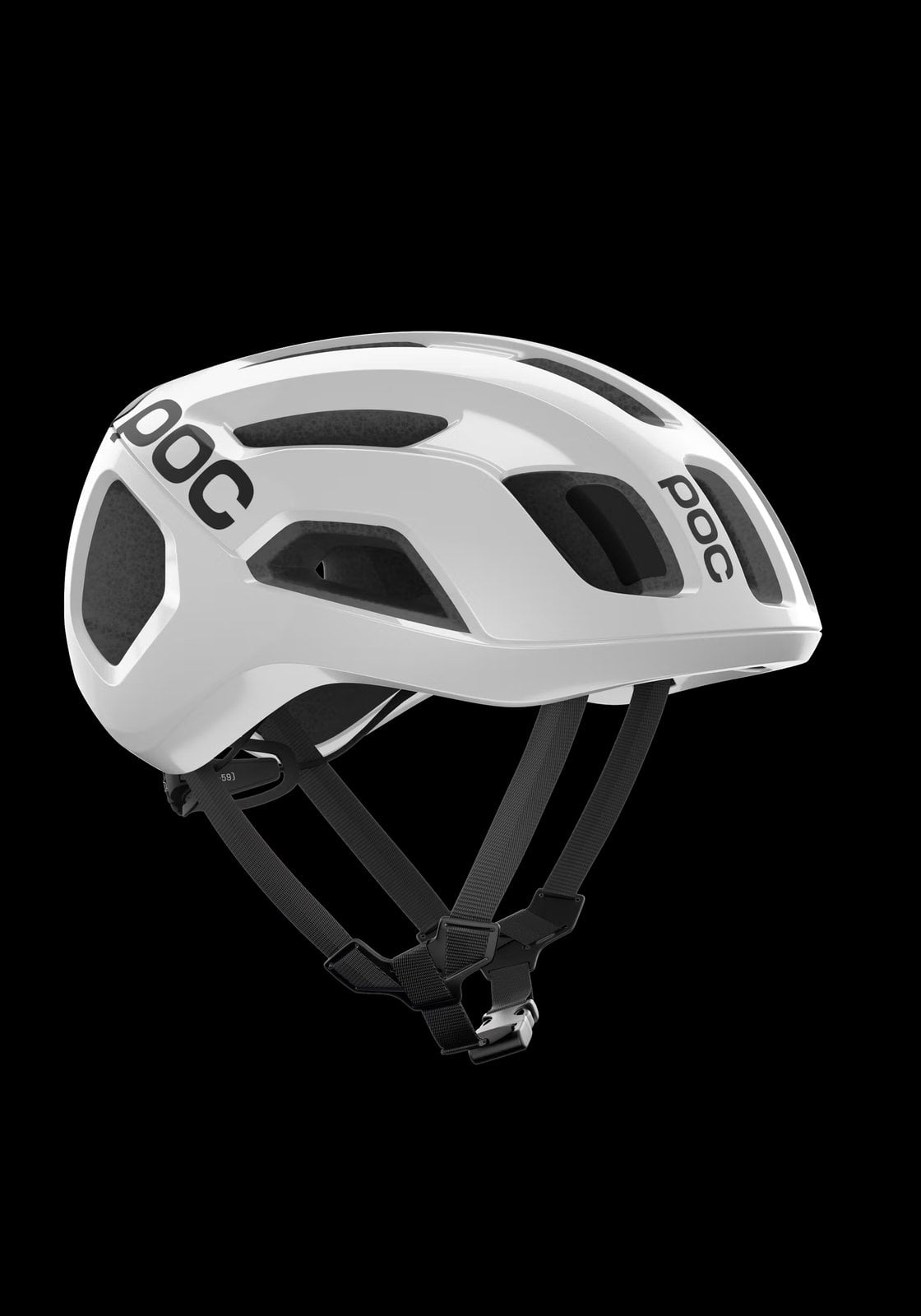
Before you decide, confirm the current product details rather than relying on old listings. Model specifications, colourways and stock can change. The store’s page is also where to check the live price; we avoid quoting amounts because they are not maintained here. Use the product information as a shortlist, and let fit determine the final choice.
Which POC cycling helmet should you choose for your rides?
We would start with the Omne Air MIPS for a rider who splits time between commuting, road and gravel, the Amidal for a streamlined road and commute option, and the Kortal for trail-focused coverage and goggle compatibility. These recommendations follow POC’s published use areas and features, not hands-on testing.
The main limitation is that product descriptions cannot settle personal fit. Check the size guidance, verify current regional availability and try the shape where practical. Once fit is right, choose the model whose features match the rides you actually do most often.