

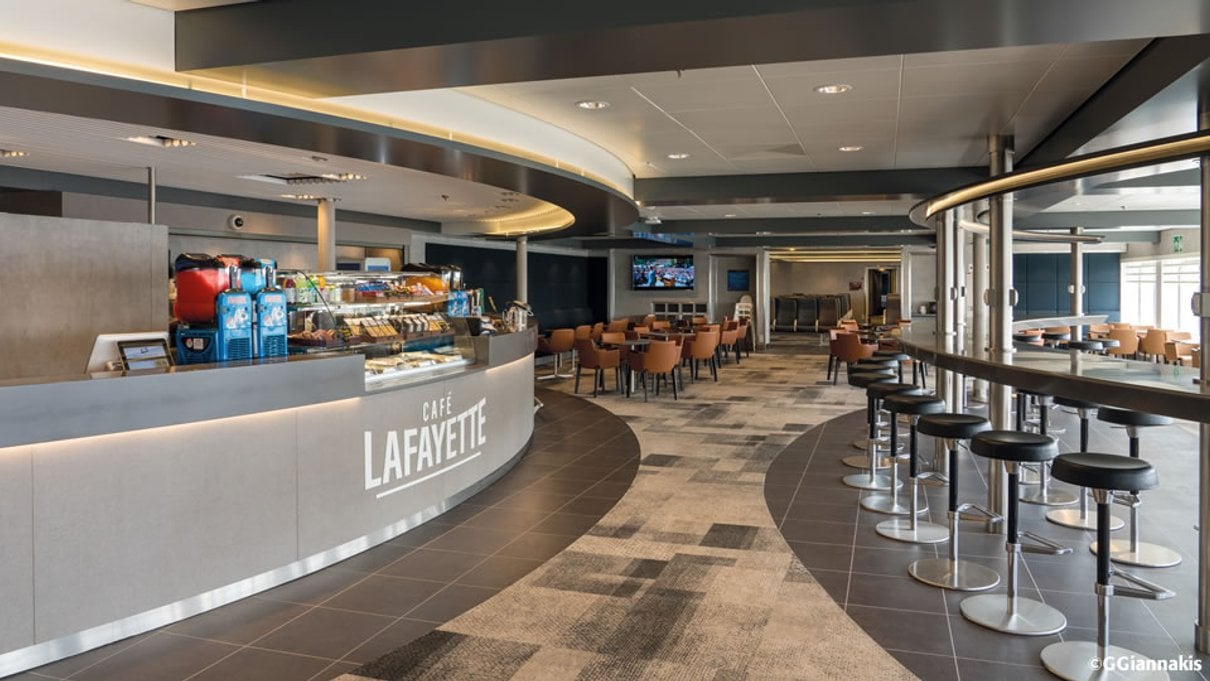
A clear guide to the ferry, separate train booking and transfer planning behind Irish Ferries Sail & Rail to France.
A car-free trip from Ireland to France can look simple on a route map and fiddly once ferry and train timetables meet. Irish Ferries Sail & Rail is a specific arrangement for that journey: take the foot-passenger sailing from Dublin to Cherbourg, book onward French rail separately, then follow the operator’s process for a ferry-fare refund.
We reviewed the published service information and booking steps. The useful question is not whether this is one through-ticket; it is whether the separate pieces, transfer buffer and follow-up suit the way you travel.
Heads-up: we earn a commission from some links in this article. It never changes the price you pay.
What you need to know
- Sail & Rail begins with a foot-passenger Dublin-Cherbourg crossing.
- The French train is booked separately with Trainline, rather than issued as one connecting ticket.
- Irish Ferries recommends a minimum two-hour transfer allowance after ferry arrival.
- To request the stated refund, email Irish Ferries with both booking reference numbers; the published terms exclude fees from the qualifying fare.
- Travellers who need a vehicle or want more time onboard should compare other Ireland-France ferry arrangements before choosing.

Sail & Rail joins two separate bookings
The structure is refreshingly legible once its boundary is clear. First, book the Dublin-Cherbourg sailing as a foot passenger through Irish Ferries. Then arrange the onward train from Cherbourg through its named rail partner, Trainline. The company’s Sail & Rail information and its booking instructions ask travellers to email both booking references to claim the published refund on the ferry fare, with fees excluded.
This is best understood as a linked offer, not a protected connection. The terms say rail and sail services are not treated by train operators as connecting services. So, if the ferry arrives late and the train is missed, the itinerary does not promise that one provider will automatically rebook the other leg. That matters most when choosing the first rail departure from Cherbourg. Compare the Sail & Rail terms with the actual connection you plan to take.
The extra email is a small administrative step, but it is part of the value proposition. Keep the ferry and Trainline confirmations accessible, use the address listed on the Irish Ferries service page, and make sure the references are entered accurately. Readers who prefer a single booking flow may find this less convenient than the name suggests.
The Cherbourg transfer shapes the itinerary
Irish Ferries recommends at least two hours between scheduled ferry arrival and train departure. That is a planning floor from the operator, not a guarantee that every connection will feel comfortable. Add time if you have mobility needs, children, luggage, or a later train is important to your plans. The right buffer depends on the onward service and your tolerance for uncertainty. Extra time buys flexibility.
The service page describes several ways to bridge the port and Cherbourg railway station. A seasonal public bus operates between them in July and August, while the company says taxis are usually available and the station is roughly a short drive away. Walking is also possible but takes considerably longer. These are practical options, but their schedules and availability are outside the ferry booking itself, so check current local information before fixing your train. Recheck the Sail & Rail transfer notes before travel.
- Choose a train that leaves after the recommended arrival buffer.
- Check the port-to-station transfer method for your travel date.
- Save both booking references and send the refund request after booking.
- Keep a later rail option in mind if the itinerary cannot absorb a delay.
At Dublin, onward station transfers also need thought. The page lists public bus and coach connections, but some onward local transport is separate. A station-to-port journey at either end can affect whether an early departure or late arrival works for your group. Check both ends. In short, the train timetable and transfer plan belong in the same decision as the ferry sailing.
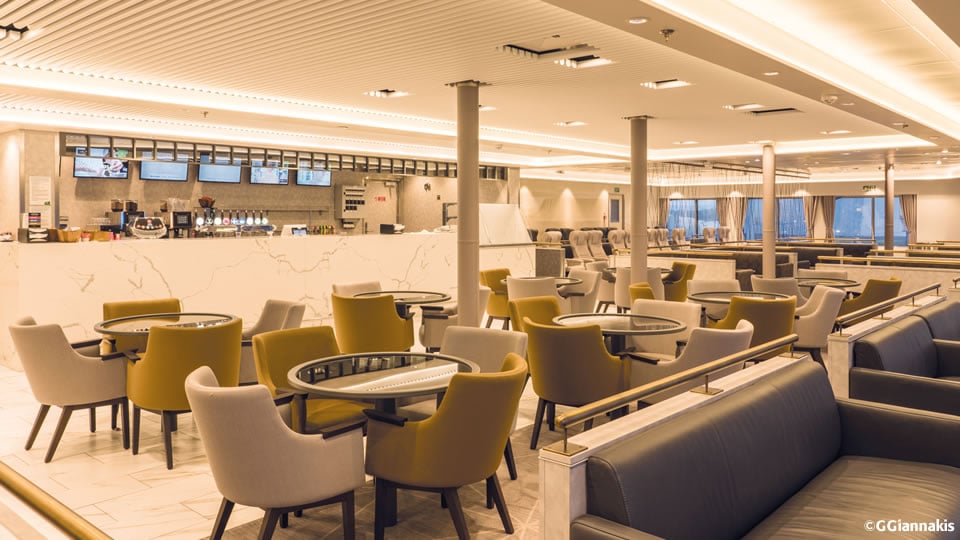
For broader context, W. B. Yeats is one of the operator’s ships with cabin and lounge options described on its ship page. That may appeal if the crossing itself is a meaningful part of a longer trip, though it does not change the foot-passenger and separate-rail structure of Sail & Rail. Look at the W. B. Yeats information for onboard details before comparing the route. Check cabin information separately if you want a private space.
The service suits flexible car-free travellers
- Good fit: a car-free itinerary with a flexible onward schedule.
- Consider carefully: family travel with luggage or mobility needs.
- Look elsewhere: a vehicle-dependent journey or a protected connection requirement.
The strongest fit is a traveller heading from Ireland toward a French rail destination who is comfortable coordinating bookings. Solo passengers and couples with light luggage may find the foot-passenger format natural. Light luggage helps. Families can also use it, but transfers, bags and waiting time make the recommended buffer especially relevant. A rail-first trip becomes less appealing when the destination is far from a practical station or when the schedule is tight.
It is a weaker fit for anyone who wants to take a car, avoid follow-up administration, or rely on a guaranteed ferry-to-train connection. In those cases, compare the main Dover-Calais route details if beginning in Britain, or other Irish Ferries routes if travelling from Ireland with a vehicle. The Dover-Calais sailing details show how the Britain route differs. Dover-Calais is a distinct crossing plan and should not be treated as a substitute for the France rail offer.
Travel style onboard is supporting context rather than the product itself. The W. B. Yeats ship page lists cabins such as a two-bed window cabin, alongside public spaces. For a daytime or overnight sailing, space to rest changes the crossing experience, but cabin choice, sailing schedule and availability are separate decisions. Check the ship details and route information for your dates.
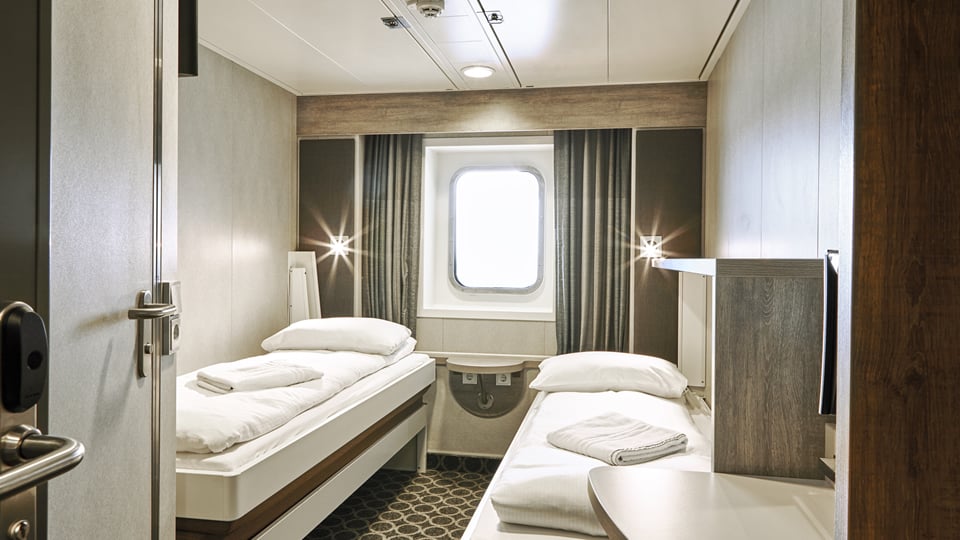
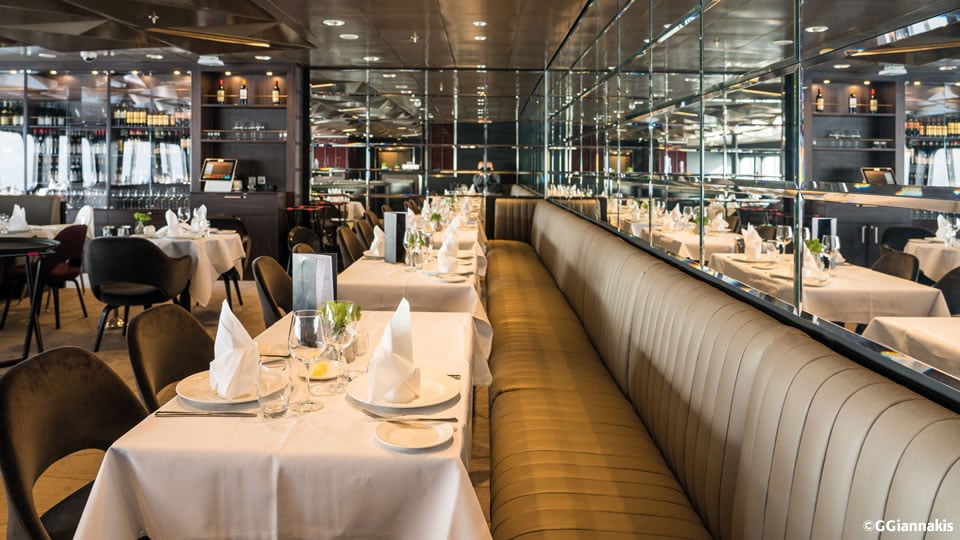
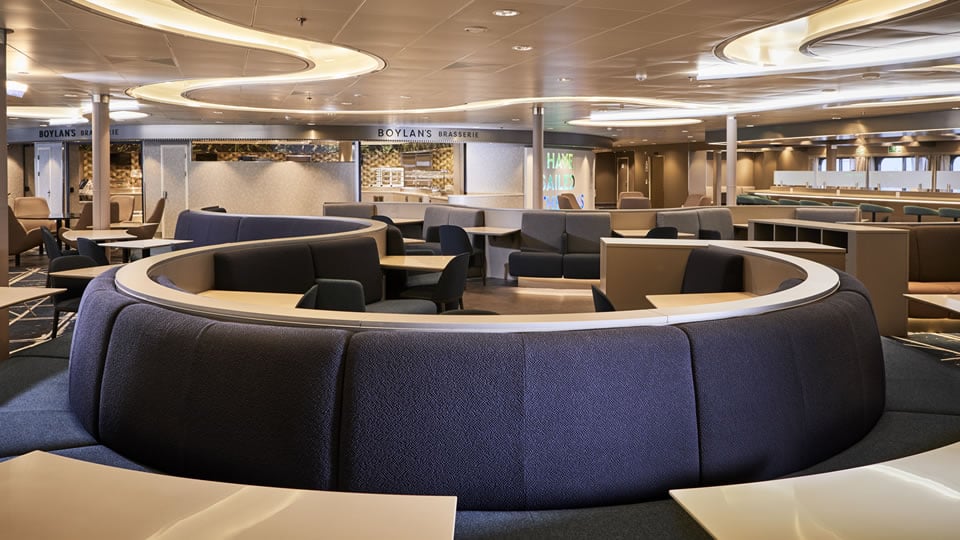
The ship page also presents lounge and dining areas, including Club Class and Boylan’s Brasserie. They illustrate the wider onboard offer; they are not included as part of the distinct Sail & Rail booking promise. Readers should separate the ferry fare and chosen onboard extras from the rail ticket, then check which options are available on their actual sailing through W. B. Yeats.
Booking order and fare terms deserve a final check
Before committing, confirm the ferry sailing and the train you intend to take, then review the service page’s terms. The offer’s refund is conditional on following its instructions and providing both reference numbers; it is not an automatic discount at checkout. The listed qualifying fare excludes fees. We would treat the published terms as the authority for eligibility and verify the email address and current process there, since the refund is the part that makes the combined arrangement financially distinct.
Costs are affected by travel dates, ferry fare type, rail route and any onboard selections. This article omits exact amounts because they can change; use Irish Ferries and Trainline to check the live journey costs side by side. You should also confirm identification requirements, check-in timing, baggage arrangements and current sailing updates before departure. These details can affect the practical ease of the plan even when the route itself fits.
For a different style of ferry trip, Dover-Calais is worth reviewing if your journey starts in Britain and you have a vehicle. The service page sets out that route separately from the Ireland-France passenger-and-train offer. Compare the route page with the Sail & Rail page for your point of departure. Comparing the right origin and onward transport matters more than comparing ship names alone.
Our recommendation: Irish Ferries Sail & Rail is a useful structure for a flexible, car-free Ireland-to-France itinerary, provided you are willing to book rail separately and manage the transfer carefully. Its limitation is central to the decision: ferry and train are not protected connecting services, and the refund requires a follow-up email.
Does Irish Ferries Sail & Rail fit your France journey?
Choose it if the Dublin-Cherbourg crossing and a onward rail itinerary line up, and you can add a generous connection buffer. If you need a vehicle, a through-ticket, or a tight transfer, another route arrangement may suit better. Review the live terms and schedules before booking.