
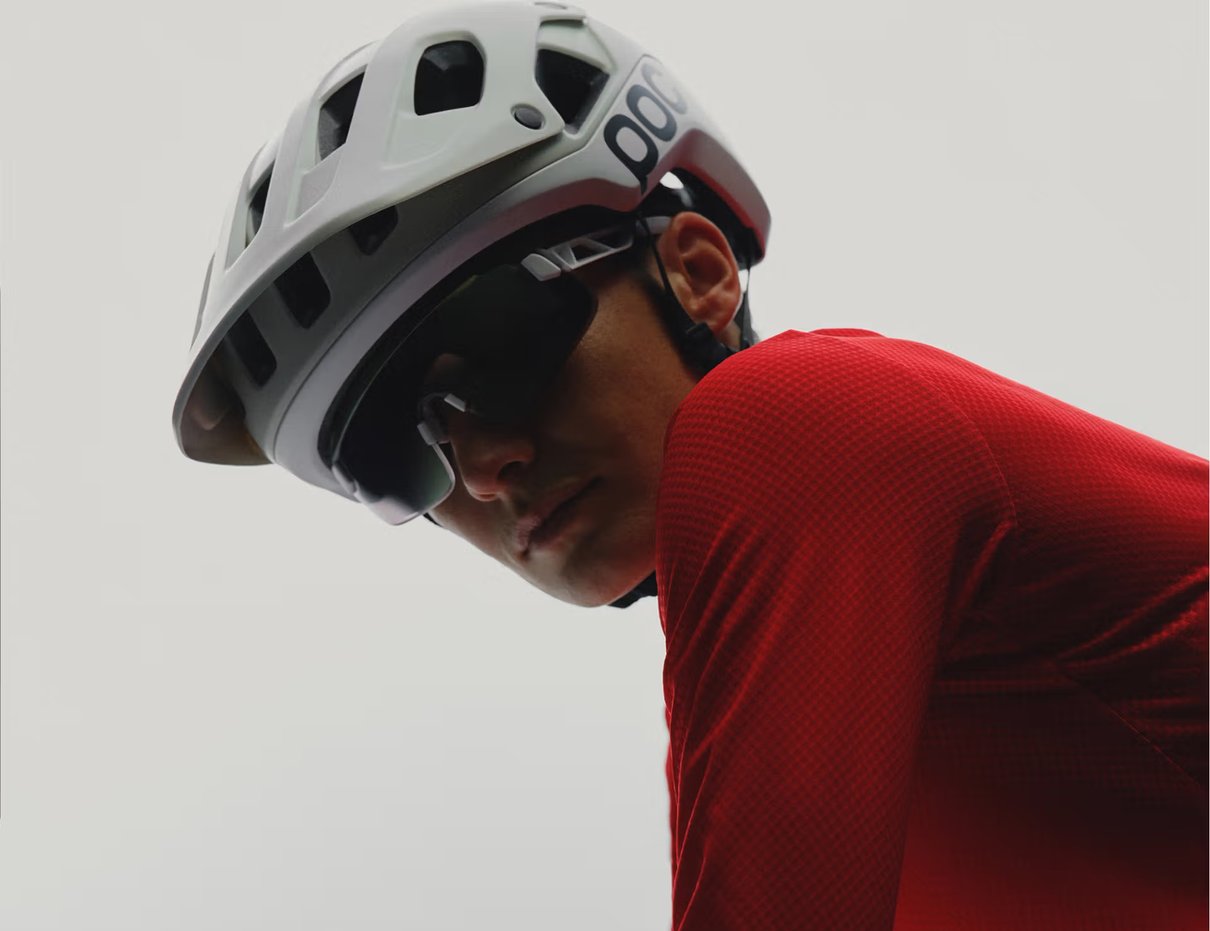
A close look at the Omne Ultra MIPS shows how its adjustable fit and external attachment points suit gravel riders who want a helmet that can adapt off the bike too.
A gravel helmet needs to cover more than a smooth, predictable loop. Riders can move between exposed roads, rough tracks and stops where a helmet may stay on or get stowed with other gear. POC’s Omne Ultra MIPS is designed around that versatility: it takes the familiar base of the Omne Air Mips and adds places to attach useful extras.
This is a product-information review based on POC’s UK product listing. The details make the Omne Ultra MIPS a more distinctive proposition than a standard road lid, although fit, ventilation preference and how much you will use the external points should decide whether the design is worth considering.
Heads-up: we earn a commission from some links in this article. It never changes the price you pay.
What you need to know
- The Omne Ultra MIPS combines an EPS liner and PC shell with Mips Air Node rotational impact protection.
- External attachment points, straps and Velcro support add-ons such as a rain cover or ID patch.
- POC lists sizes S, M and L, with weights from 300g in S to 360g in L.
- It best suits gravel riders who value adaptable gear; road commuters may prefer the streamlined Amidal, while enduro riders should look at the Kortal Race MIPS.
The Omne Ultra MIPS makes a practical case for adaptability
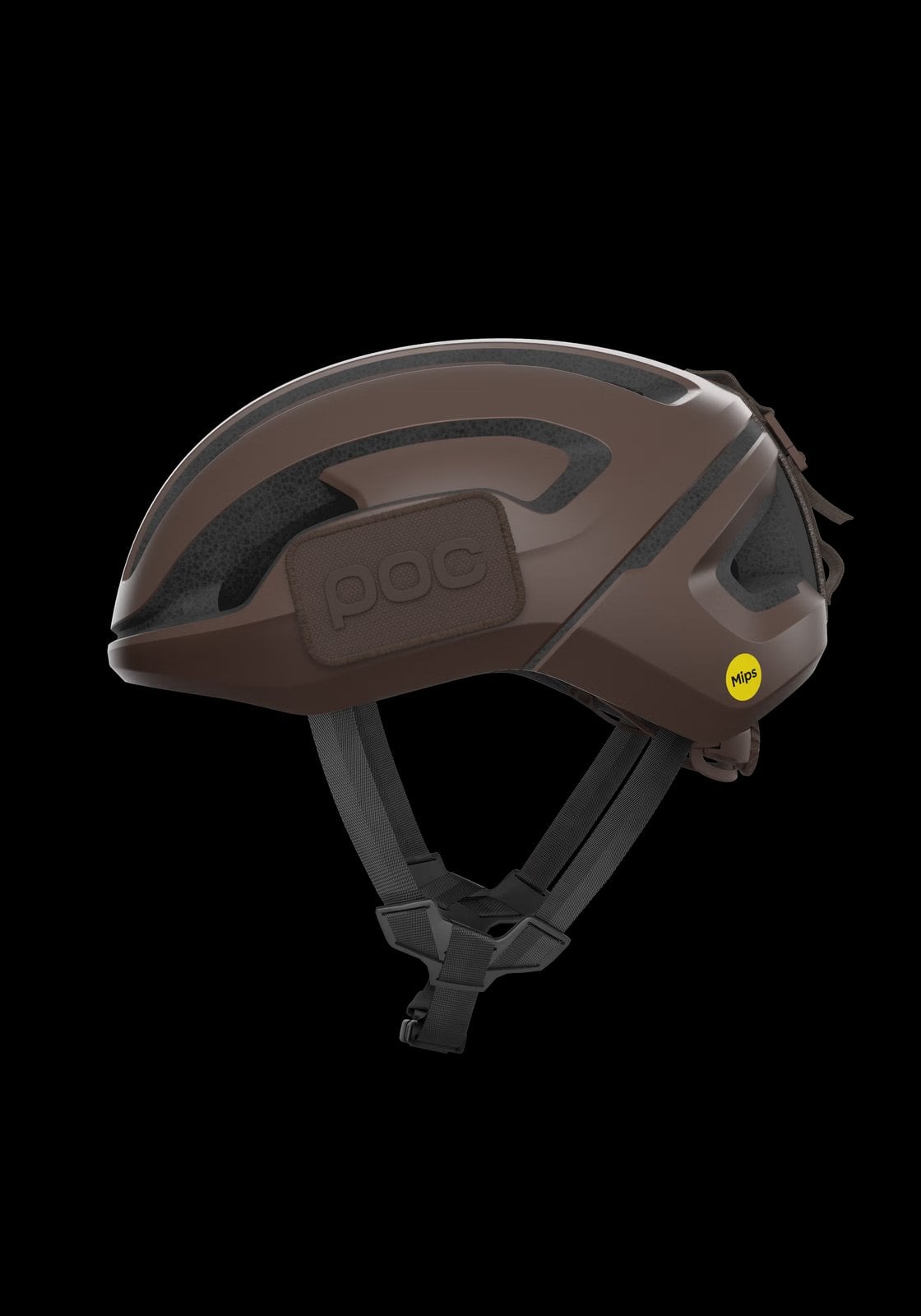
The central idea is simple: the outer shell has attachment points, straps and Velcro, giving riders ways to carry or secure small items. POC mentions a rain cover and ID patch as examples, and notes that small items can be stored on the helmet before or after a ride. That detail is unusually useful for mixed-surface days, when kit needs can change between riding and a stop.
The concept works best for riders who already have a clear use for those attachment points. If a rider wants a clean helmet with no add-ons, the feature may not justify choosing this model over a simpler option. But for a gravel setup that includes an ID patch or occasional cover, the Omne Ultra MIPS builds flexibility into the helmet instead of asking riders to improvise with unrelated straps.
The protective construction combines an EPS liner with a PC shell. POC says the liner is lightweight and optimized for protection, while the shell adds structural integrity. Its Mips Air Node is a low-friction layer laminated to the base of the comfort padding, which POC says works to improve rotational impact protection. These are component descriptions, not a substitute for choosing the right size or following helmet replacement guidance.
- Mips Air Node is integrated with the comfort padding.
- EPS liner is specified as the lightweight impact-absorbing layer.
- PC shell adds structural stability.
Fit and weight suit longer days more than every rider
The listing gives an adjustable 360-degree fit system intended to help riders find a secure, comfortable fit. It is offered in S, M and L, with listed weights of 300g, 320g and 360g respectively. That spread matters when comparing sizes, but the page does not replace a proper fit check: head shape, retention adjustment and compatibility with eyewear are individual.
Ventilation is another stated strength. POC describes the helmet as well ventilated, which aligns with gravel riding that can involve sustained climbing and changing pace. Still, ventilation preferences are personal, and the page does not quantify airflow or compare it with other models. A rider prioritizing a highly specific fit should check the store’s size guidance and consider how the Omne Ultra MIPS sits with their glasses before settling on a size.
The attachment points add utility, with one clear trade-off
- Strength: the outer attachment points, straps and Velcro give gravel riders options for carrying small extras.
- Strength: Mips Air Node, an EPS liner, a PC shell and an adjustable fit system are all specified on the product listing.
- Limit: the attachment system matters most to riders who plan to use it; otherwise it adds little to the buying case.
- Limit: POC lists weights by size, but individual comfort and ventilation cannot be judged from product information alone.
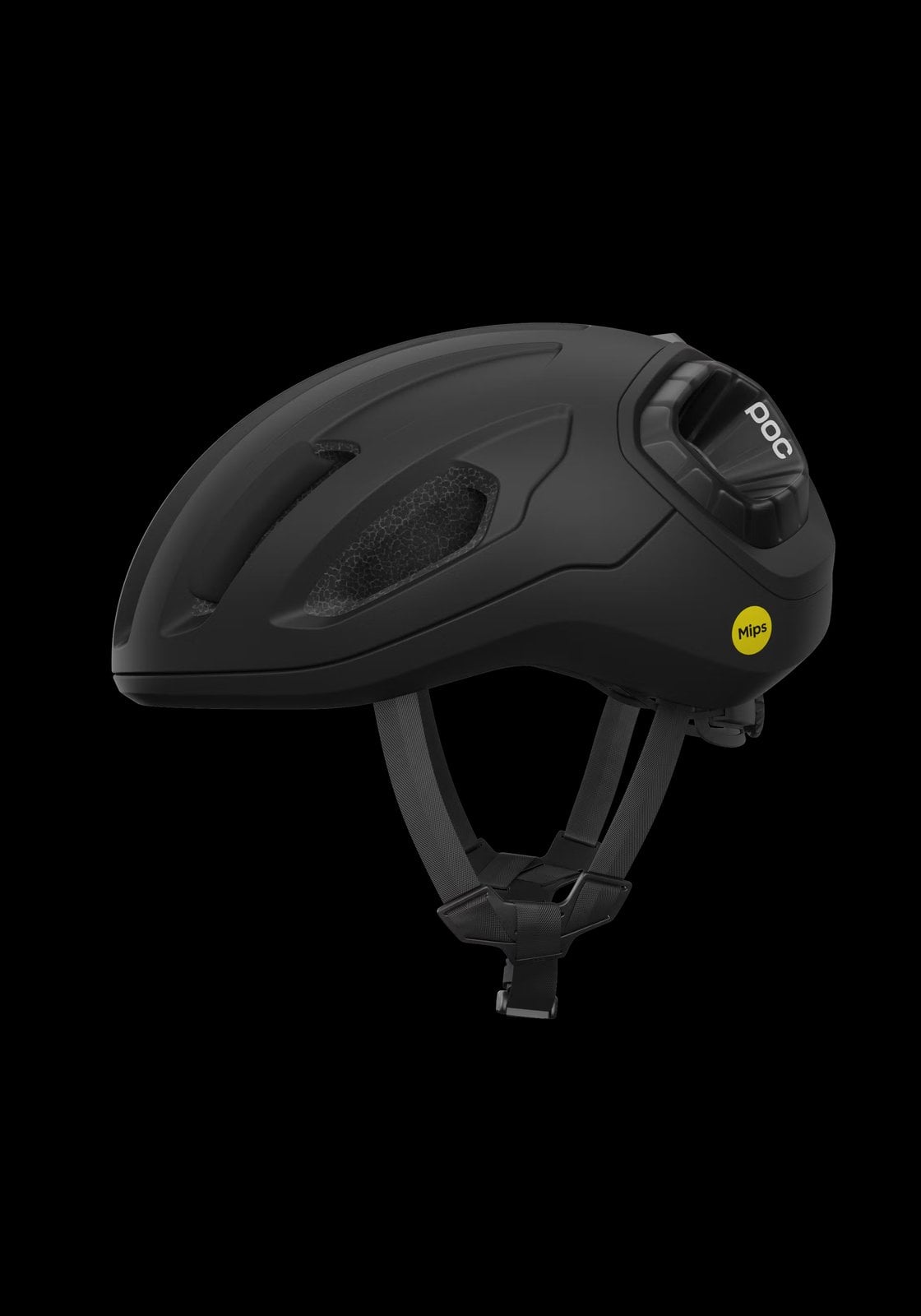
The Amidal helps clarify where the Omne Ultra MIPS sits. POC describes the Amidal as a road and commute helmet, with a slim silhouette and reinforced rear zones. Its focus is a streamlined shape and everyday use, rather than the Ultra’s visible attachment system. Riders mostly on tarmac who do not need to carry small extras on the helmet may find the Amidal Cycling Helmet a more direct match.
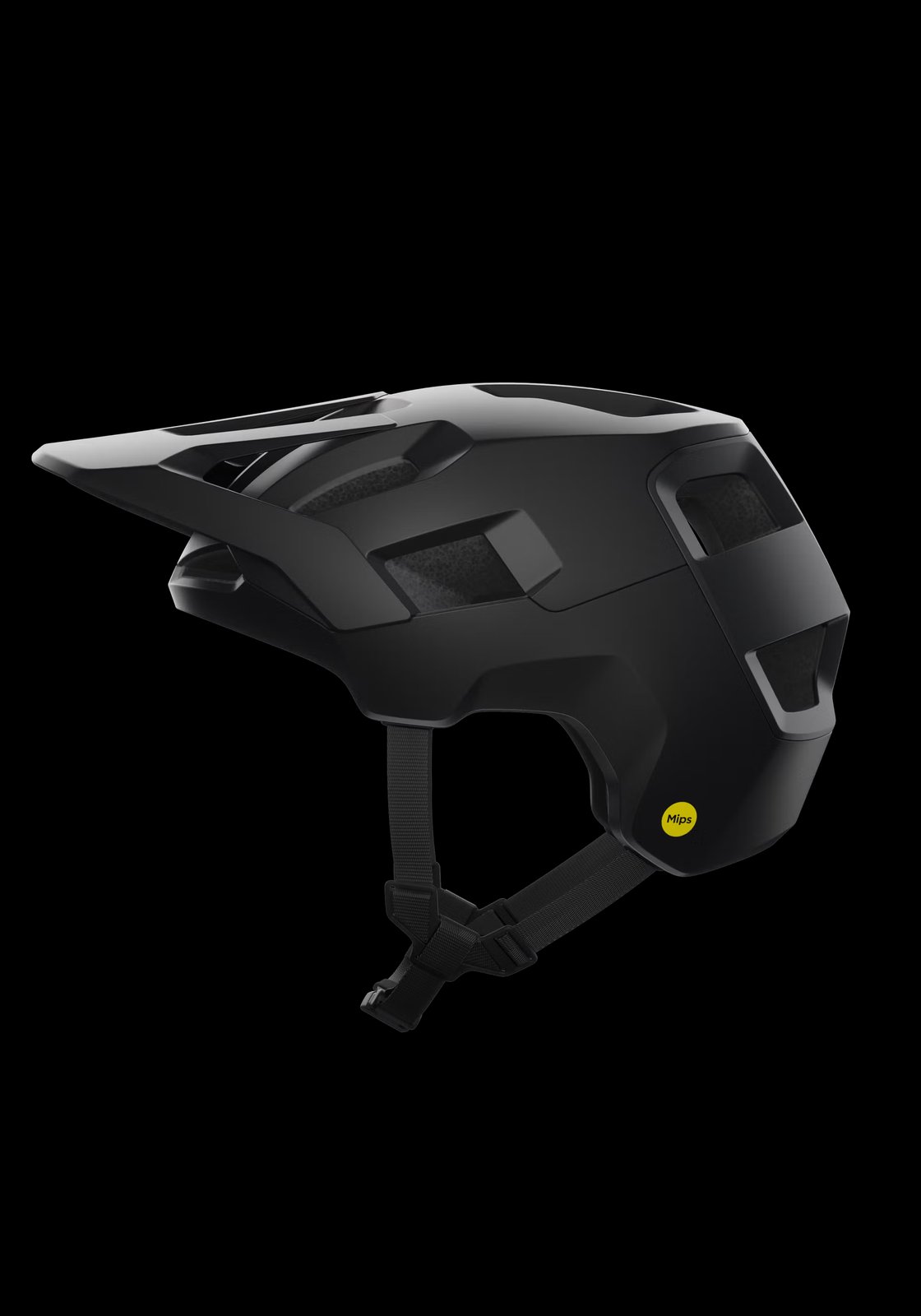
At the trail-oriented end, POC lists the Kortal Race MIPS for downcountry and enduro. It adds extended protection zones, an adjustable detachable peak, eye-garage vents and Twiceme NFC Medical ID, alongside Mips Integra and a RECCO reflector. Those features answer a different riding brief. They make the Kortal a contextual alternative, not a direct substitute for a gravel helmet built to accommodate small add-ons.
The buying experience keeps the decision focused on fit
On the UK store listing, shoppers choose a colour and one of the S, M or L sizes, then add the selected version to the basket. The Omne Ultra MIPS page also shows delivery and return information, including return information. Because availability can change by colour and size, check the chosen variant on the page before deciding. POC’s UK store is the right place to confirm the current listing, size chart and terms.
- Measure and compare your head measurement with POC’s current size guidance.
- Check whether the selected colour and size are available on the UK page.
- Think through whether you will use an ID patch, rain cover or other item with the external attachment points.
- Review the current delivery and return details before placing an order.
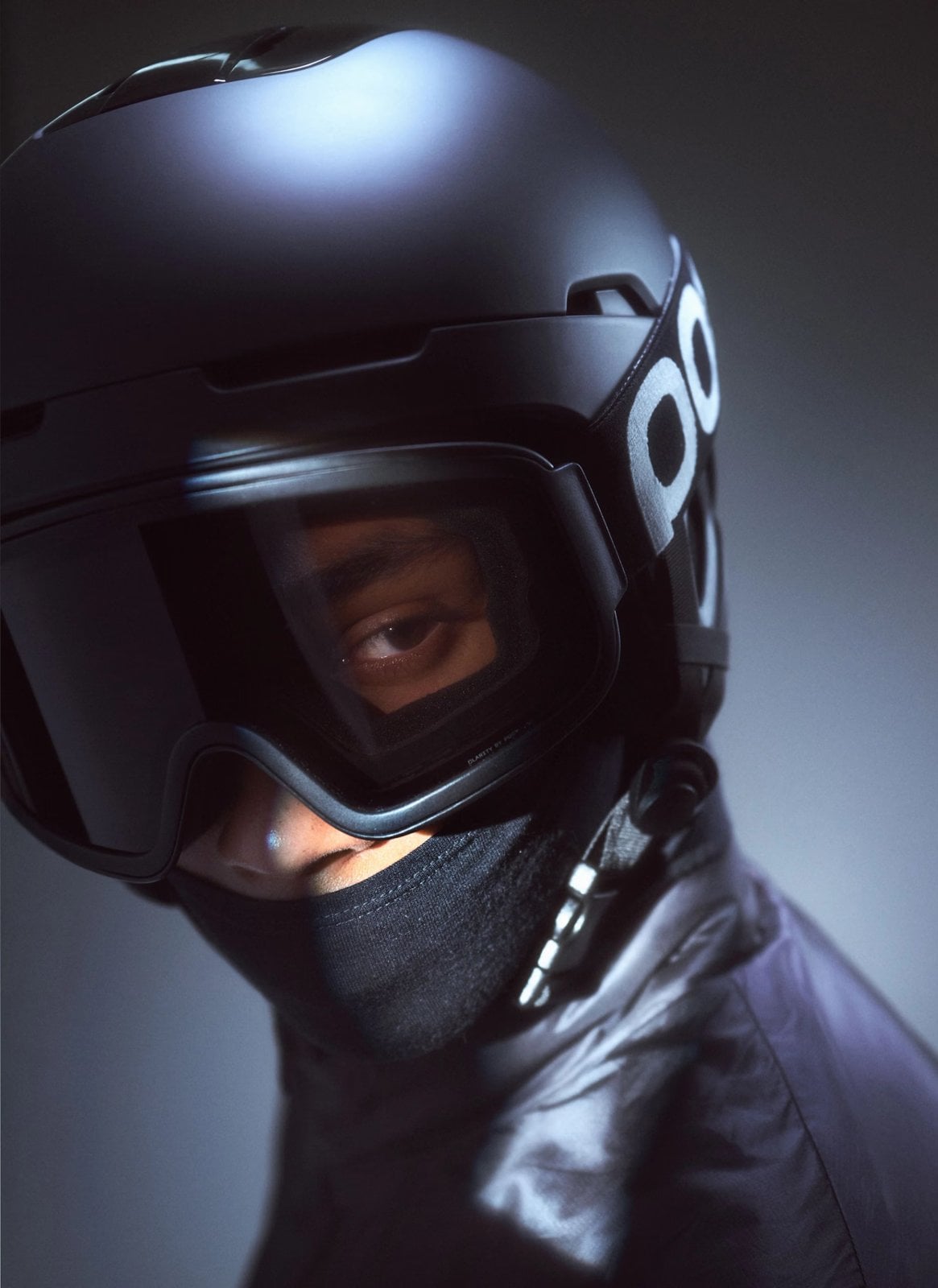
The breadth of POC helmets across cycling and snow sports is useful brand context, but it does not make models interchangeable. Choose the product for its named activity and intended fit. Within cycling, the Omne Ultra MIPS is the option here for gravel riders who appreciate a configurable outer shell, while the Amidal and Kortal Race MIPS demonstrate how strongly the fit and feature set changes by discipline.
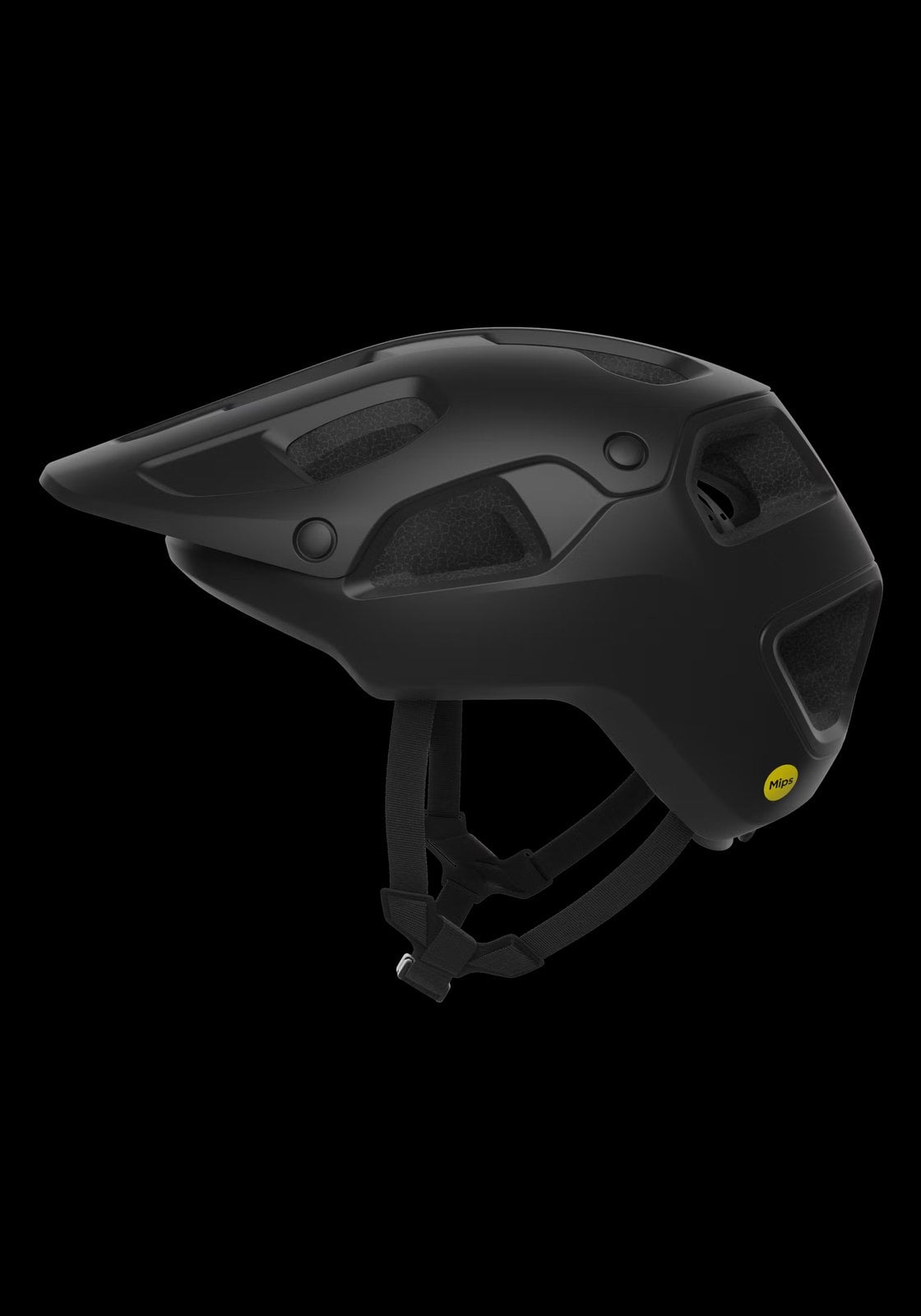
The Omne Ultra MIPS is best assessed as an adaptable gravel option, not an all-purpose answer to every cycling need. Riders wanting trail or enduro coverage can compare features on the Kortal Race MIPS page, while a road and commute focus points toward the Amidal. Those differences reinforce why choosing by riding style is more useful than treating every POC helmet as interchangeable. Review the Omne Ultra MIPS colour and size options alongside the feature list before you settle on a version.
Is the Omne Ultra MIPS right for your gravel setup?
We would shortlist the Omne Ultra MIPS for gravel cyclists who want a well-ventilated helmet with Mips Air Node, a 360-degree fit system and attachment points they expect to use. POC gives enough detail to understand its purpose, construction and listed size weights, and the product page keeps the buying process straightforward.
The limitation is that its most unusual feature has value only if you need it, and no page description can confirm personal fit. Riders seeking a plain road helmet or dedicated enduro coverage have clearer matches elsewhere in POC’s range. For gravel riders drawn to adaptable storage and a conventional helmet fit system, check the selected size and current product details before deciding.