

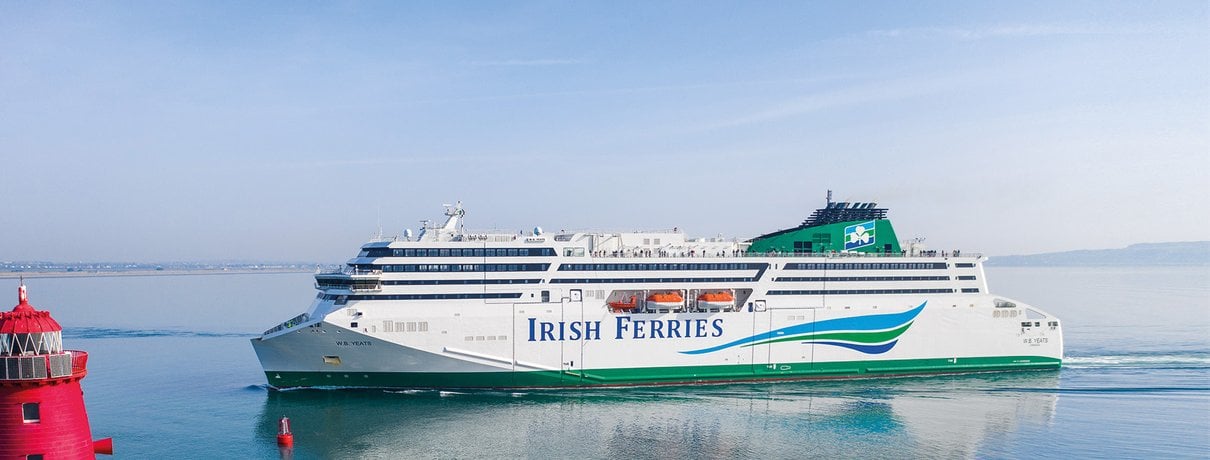
Use your departure point, need for a car and preferred kind of stay to shape an Irish Ferries journey to France that fits the trip you actually want.
Planning France from Ireland starts with a practical question: what does the journey need to do for the holiday? A direct crossing, a car-free itinerary and a preselected holiday park each solve a different planning problem. Looking at the available Irish Ferries Ireland-France options, we would match the travel arrangement to the stay before comparing sailing details.
This guide focuses on the route, onboard and accommodation information published by Irish Ferries. We have not travelled these options; details can change, so check the current route and booking information before committing.
Heads-up: we earn a commission from some links in this article. It never changes the price you pay.
What you need to know
- Dublin-Cherbourg aboard W. B. Yeats is the direct ferry option to consider when taking a vehicle and driving onward.
- Ireland-France Sail & Rail brings ferry and rail into a car-free travel plan; review the journey connections.
- Eurocamp Holiday Parks suit travellers who want to compare a park stay as part of their itinerary.
- Cabins and suites on W. B. Yeats are worth checking if an overnight sailing shapes rest and arrival plans.
Dublin-Cherbourg gives a self-drive plan a direct starting point
For a holiday built around regional stops, luggage, or flexibility at the destination, begin with the Dublin-Cherbourg route aboard W. B. Yeats. Irish Ferries lists this Ireland-France route for passengers and vehicles, giving a self-drive itinerary a straightforward crossing from Dublin to Cherbourg. Check sailing dates, vehicle details, and arrival timing against the first night of your trip.

The route makes most sense if the car will be useful after arrival. Work backwards from the destinations you want to visit: if they are spread across a region, independent transport may matter; if the holiday centres on one base with onward rail connections, carrying a car may add little. The Dublin-Cherbourg sailing information is the place to confirm the operating details for your dates.
The vessel is part of the trip too. W. B. Yeats lists cabins, suites, lounges, dining, cinema and shopping. These are options to assess against the length and timing of your crossing, rather than reasons to assume every facility will suit every traveller. See the W. B. Yeats cabin and onboard information and compare it with your group’s needs.
Sail & Rail suits itineraries that do not need a car
If you want to travel without driving in France, look at Ireland-France Sail & Rail. The offer page describes a combined ferry and rail approach. Its appeal is practical: you can plan around public transport rather than arrange a vehicle for the crossing. The trade-off is that the onward connections matter more, so map the complete journey from your starting point to your accommodation.
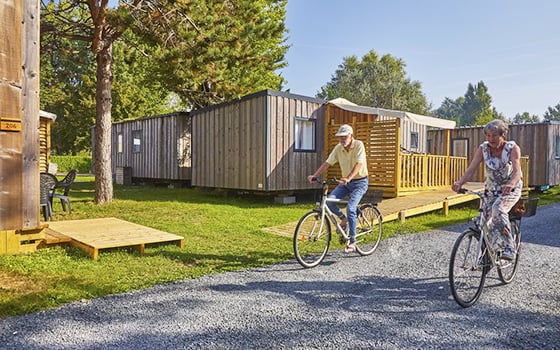
Before choosing it, check how the components fit together, including station changes, transfer time, luggage handling and the final leg to where you are staying. A car-free plan may be especially tidy for a city-led trip, while a remote base or several rural stops can make the last-mile connections harder. Review the current Ireland-France Sail & Rail details alongside the rail journey itself.
Compare the Sail & Rail journey against your planned start and end points before you settle on connections.
Eurocamp puts the holiday park into the route decision
A transport plan gets easier to judge when you know where you will sleep. Eurocamp Holiday Parks are listed by Irish Ferries as France holiday options. This can suit families or groups who prefer a defined base with facilities on site, although the best choice depends on location, accommodation availability and the style of stay you want.
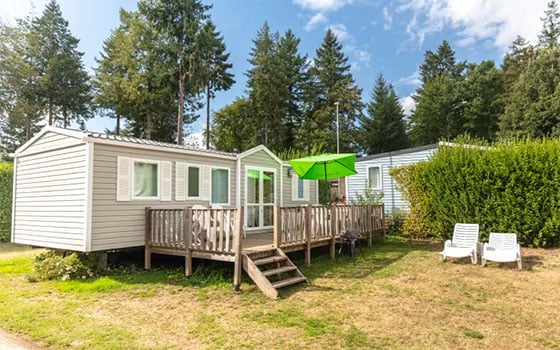
Compare parks by geography first, then by the facilities that matter to your party. A pool, activities or beach access can make time at the accommodation part of the holiday; a location closer to your planned visits can reduce daily travel. The Eurocamp page introduces available park options, but availability and included features should be checked for the specific stay.
- Choose the France region and list the places you hope to visit.
- Decide whether the itinerary needs a car throughout the stay.
- Shortlist accommodation and check its location against the route.
- Compare sailing times, onboard options and onward connections together.
When a park stay is central, treat the accommodation date and location as anchors, then check which crossing works around them. Eurocamp can narrow the accommodation search to a holiday-park format; it does not by itself settle how you will travel around France. Pair the park options with either the vehicle-friendly Dublin-Cherbourg route or a car-free connection plan.
Onboard choices matter most when the sailing sets your schedule
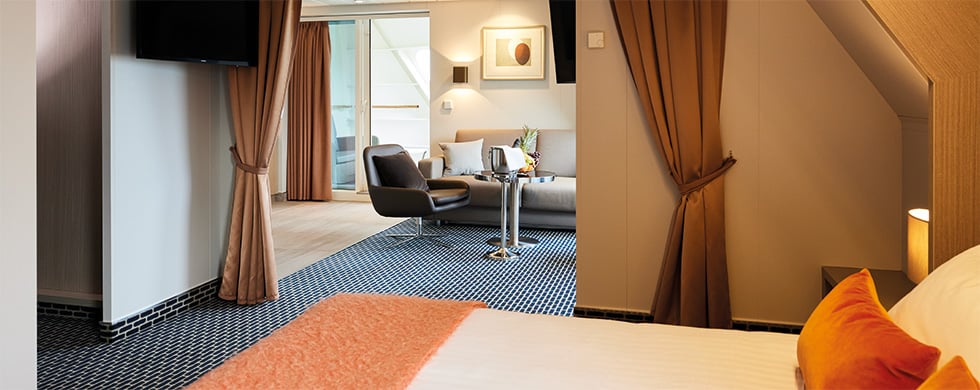
An overnight crossing changes how you may want to arrive. Look at W. B. Yeats cabins if private space and rest are priorities, and compare the listed cabin types with your party size and accessibility requirements. The ship page also gives context on lounges and dining, so you can decide which onboard details matter instead of treating every extra as essential.
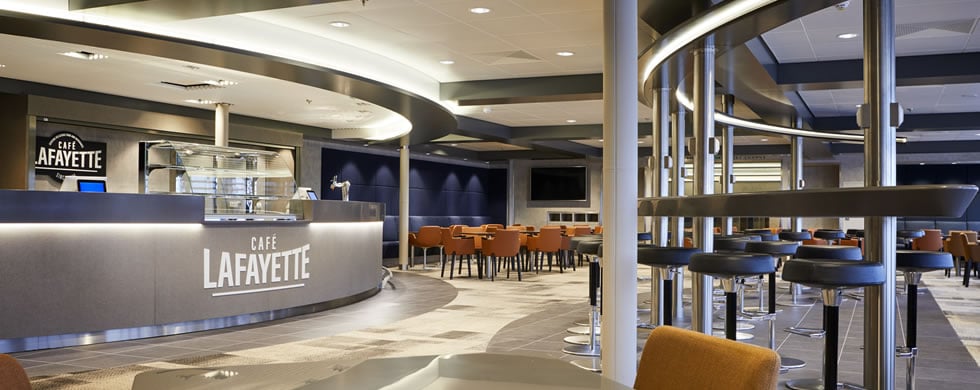
No option is universally best. A cabin is an additional choice to price and book, and public transport can involve more connections than driving. Check the precise sailing, facilities, fare conditions and any transfer arrangements for your dates. A quick review of the ship information can help clarify whether onboard space is useful for your crossing.
Which Irish Ferries plan fits the France trip you have in mind?
We would start with Dublin-Cherbourg if a car is central to a flexible, multi-stop holiday; consider Sail & Rail if the itinerary works without one; and compare Eurocamp when a holiday park is the right kind of base. The practical limitation is that route fit depends on dates, connections and specific accommodation availability, all of which need checking for the trip.
Once the destination and travel style are clear, review the current Irish Ferries route and stay options together. That gives you a more useful basis for deciding than choosing a crossing before you know what the rest of the holiday requires.