

A closer look at the UK retailer’s product mix, its practical approach to at-home whitening and the details worth checking before choosing a format.
Teeth whitening can mean a scheduled strip course, gel applied in trays or a kit that gathers several steps in one box. Direct Teeth Whitening makes that distinction the useful starting point: its UK store groups products by format and manufacturer, while also carrying routine oral-care items that sit beyond a whitening treatment.
We reviewed the store’s product pages and its public instructions to explain how the catalogue is arranged. The range is broad, but it is a multi-brand retailer of products from several manufacturers, so formulation claims and directions belong to each individual listing rather than to one house formula.
Heads-up: we earn a commission from some links in this article. It never changes the price you pay.
What you need to know
- The UK catalogue brings together strips, gels, tray systems, kits and daily oral-care products.
- Crest 3D Whitestrips Professional White with LED Light is a course-based format with a light included.
- iSmile Teeth Whitening Kit combines a tray-style LED device with gel pens and other kit pieces.
- Philips Sonicare Teeth Whitening Kit Caring uses reusable, mouldable trays with gel, according to its listing.
- Read the product directions and current availability carefully; the store carries distinct formulas and formats.
Direct Teeth Whitening organises choice around format
The store’s navigation gives a quick map of its core proposition. Shoppers can browse teeth whitening strips, gels, kits, pens and toothpaste, then narrow by manufacturers including Crest, Philips, Pola, Opalescence and Colgate. That format-led breadth is useful for someone who already knows whether they want a strip, gel or tray routine. It can feel less simple for a new shopper who expects one standard treatment.
This is where the retailer’s curation role matters. It brings different brands together, rather than presenting one uniform method. A product page may describe ingredients, included accessories and directions, while another uses a different application system. The store also links to instructions and frequently asked questions, giving newcomers a place to resolve practical questions before selecting a listing.
For a first visit, it helps to browse by the routine you can realistically follow. Strips are pre-shaped and course-oriented. Syringe gels require a compatible tray and careful application. Kits bundle equipment but add more components to understand. Those are differences in use, not a ranking of outcomes.
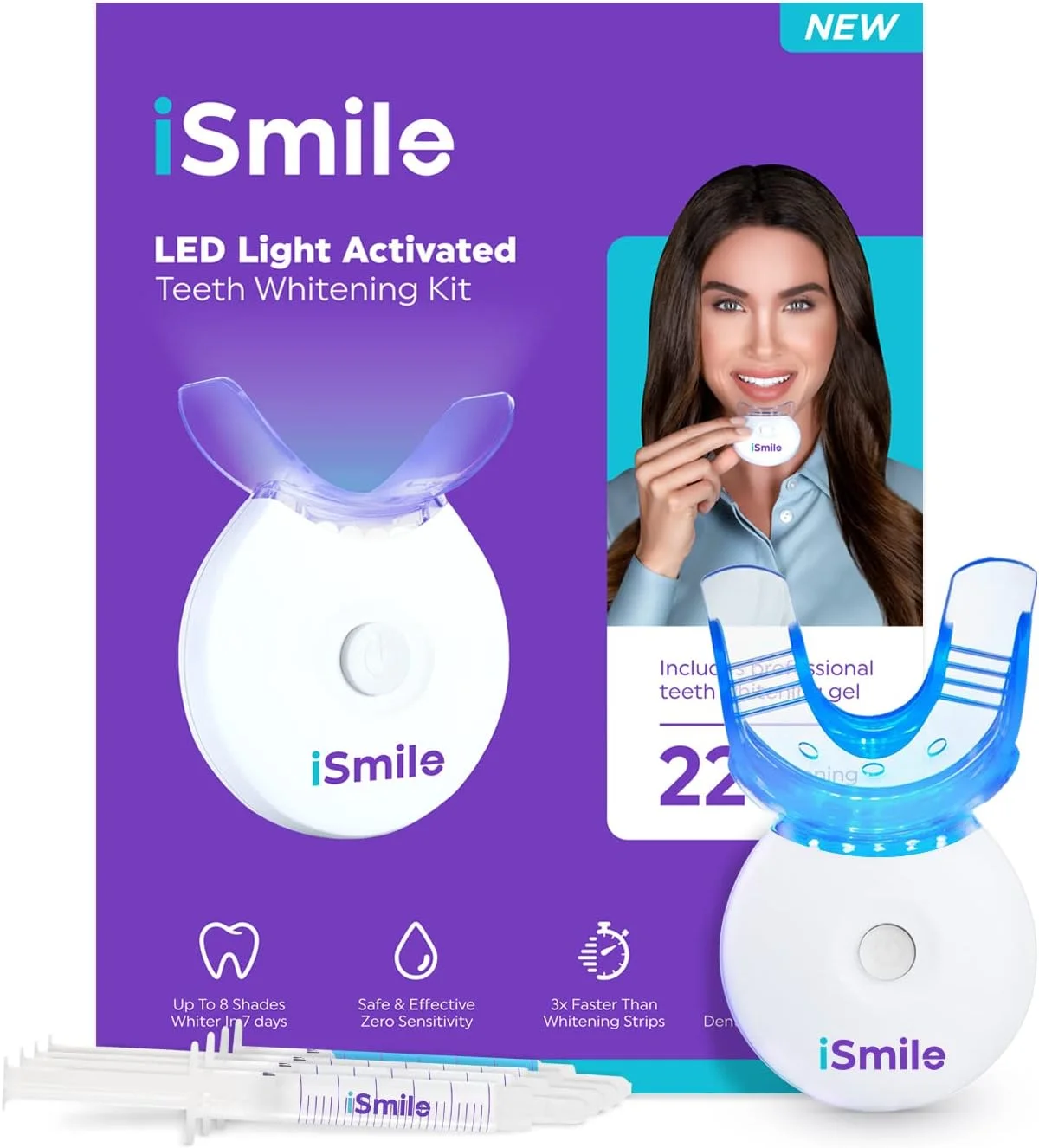
The iSmile Teeth Whitening Kit makes the bundled approach visible: the UK listing shows an LED mouth tray and gel pens, and positions it as a set rather than a refill. Check the product page for the precise contents and usage directions before treating every accessory shown as included. Its main advantage for browsing is clarity about the kind of setup involved; the trade-off is that more parts mean more instructions to follow.
Brand names signal different systems, not interchangeable products
Recognisable manufacturer names help shoppers orient themselves, but the products still differ. The store lists Crest 3D Whitestrips Professional White with LED Light as a strip system paired with a light. The brand’s page describes a treatment course and an adhesive strip format. That makes it a more structured choice than a toothpaste or a standalone strip course, though the reader should use the supplied directions and claims on the listing rather than assuming all Crest products follow the same schedule.
Meanwhile, the Philips Sonicare Caring whitening kit is described as a tray-based system with reusable, semi-custom trays and gel. The listing says the trays can be moulded before use. For shoppers comparing it with strips, the key distinction is the application step: trays require preparation and cleaning, while strips are placed directly over the teeth. Neither format is automatically suitable for everyone or every routine.
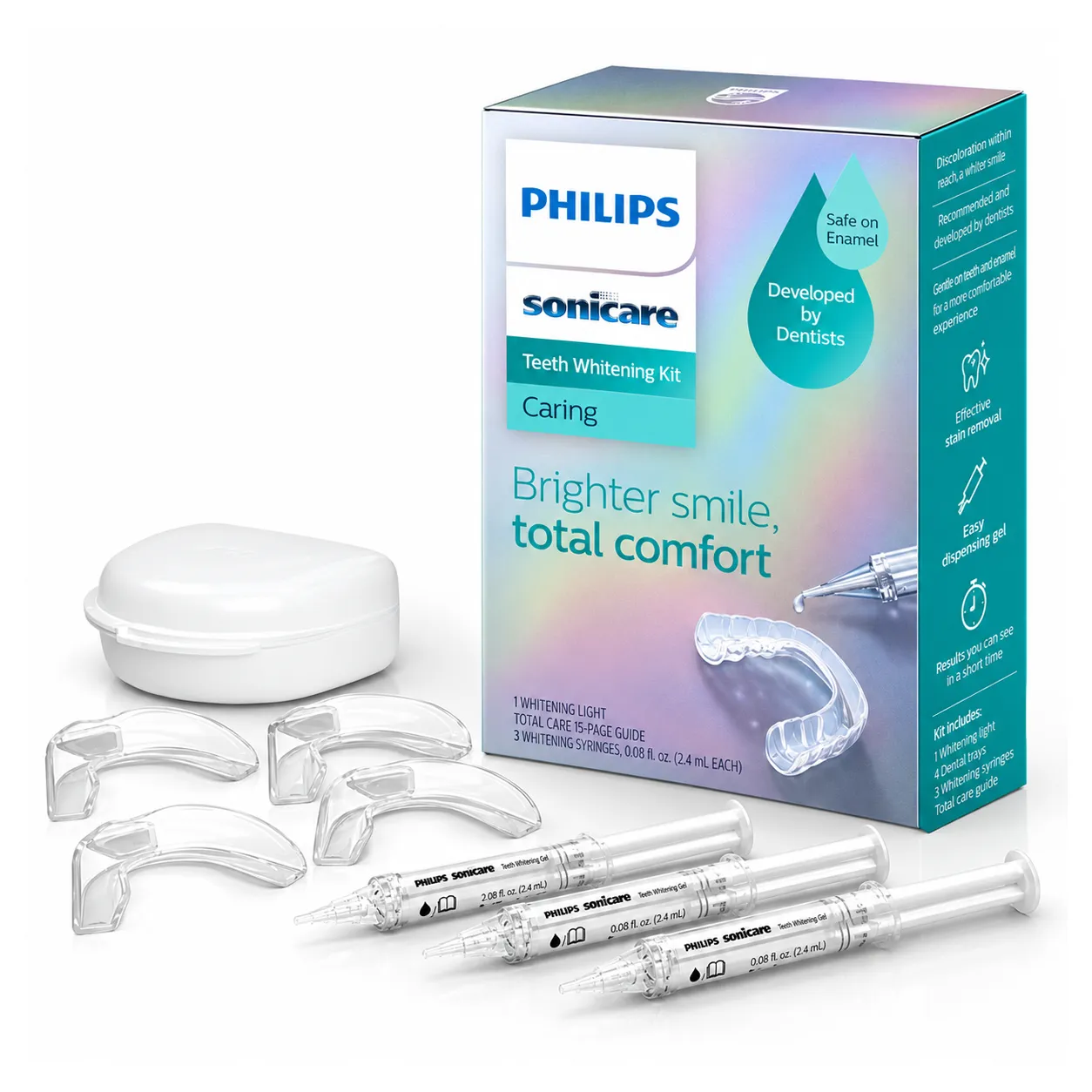
For gel shoppers, Philips Sonicare’s product information gives an example of how detailed instructions matter: it tells customers to use the recommended amount and follow the treatment time supplied with the particular kit. The Crest strip page likewise explains its own sequence. Product-specific instructions are more useful than a general assumption based on the retailer’s name.
- Choose strips if a pre-formed application appeals to you.
- Choose a tray kit if you are comfortable preparing and cleaning a reusable piece.
- Choose daily care when you are looking for a routine oral-care item rather than a treatment course.
Before opening a product page, a short checklist can keep the comparison grounded:
- Confirm the exact name and version of the product.
- Check what is supplied and whether a separate tray or accessory is needed.
- Read the full directions and the store’s current delivery and return terms.
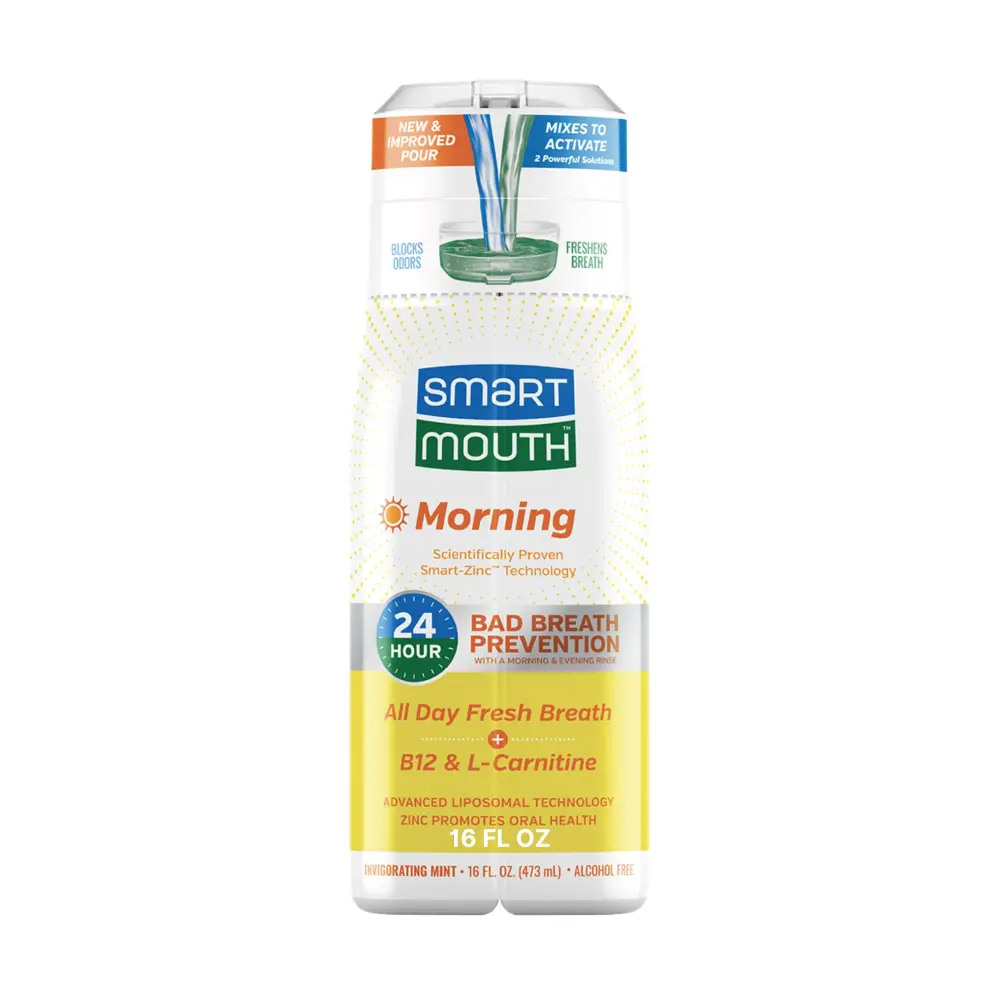
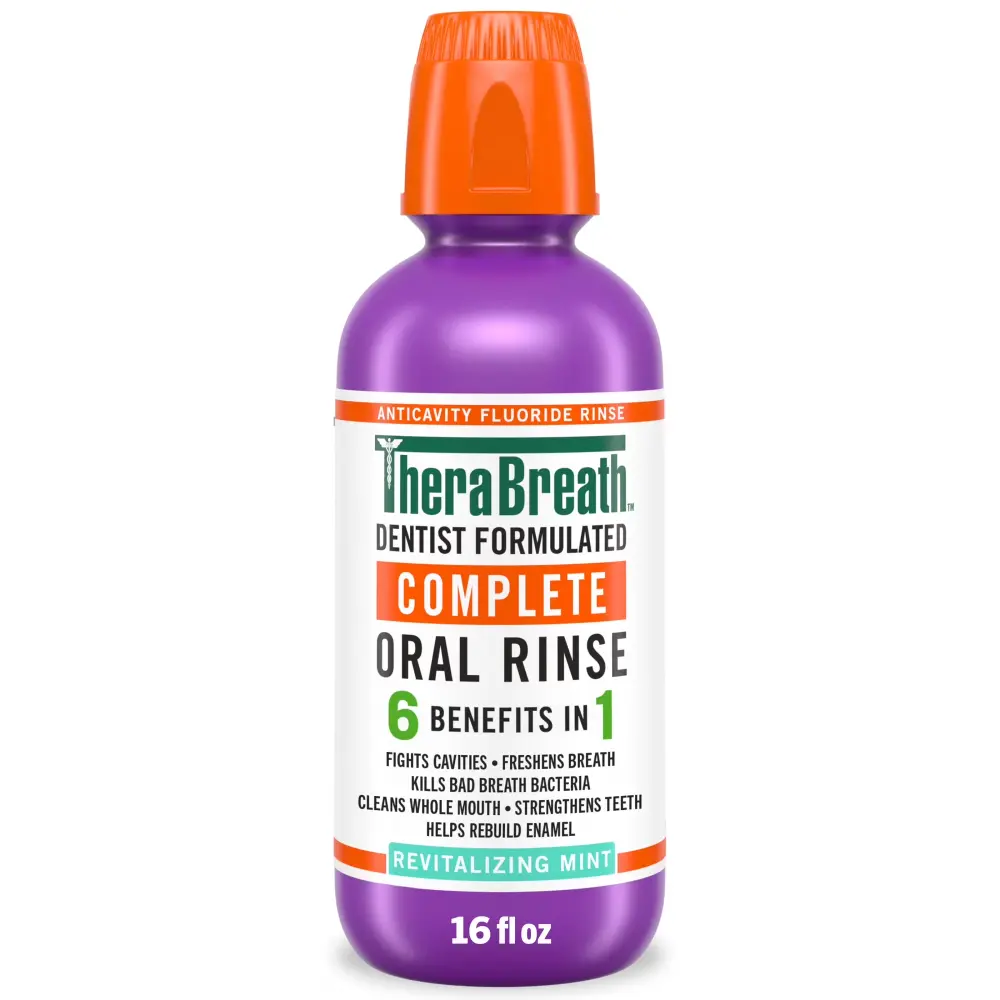
The catalogue extends into toothpaste and mouthwash, which can be helpful context for readers who want to browse oral care in one place. A store visit may show routine items from brands such as SmartMouth and TheraBreath alongside whitening products. These have a different job from a dedicated whitening course; they should not be treated as substitutes for the directions or expected results of a treatment product.
The product pages make the range useful, with checks still needed
The strongest feature of Direct Teeth Whitening as a shopping destination is its range structure: a reader can move from category pages to named products and compare application formats in one store. The retailer also publishes help material and instructions, useful for a catalogue containing gels, strips and trays. Its breadth creates real choice, especially for returning shoppers seeking a particular brand or refill.
The corresponding limitation is that choice places some responsibility on the reader. Listings can vary in detail, contents, strength and suitability. Check the exact product identity, included pieces, usage steps, delivery and return information on the current page. If you have sensitive teeth, existing dental work, oral health concerns or uncertainty about whitening, a dental professional is the right source for personal advice. A retailer page cannot determine personal suitability for an individual.
There is also a difference between product claims and independent evidence. For example, the Crest listing repeats manufacturer language about the light and course, and the iSmile listing describes its own kit. Treat those as claims and descriptions from the respective brands, not as a guarantee of a particular result. Check current availability and the complete instructions before making a selection.
Small accessories are another sign of the range’s practical orientation. The listing for Philips Sonicare Caring describes a system with trays and gel, while the store separately lists replacement mixing tips for some syringe products. For refills or accessories, confirm compatibility rather than relying on a brand name alone.

For a newcomer, that makes the retailer most useful as a way to survey the landscape. Start with the kind of application you prefer, compare a couple of exact product pages, and use the instructions to understand the steps. The iSmile kit page, Philips Sonicare kit page and Crest strip page each illustrate a different way products can be presented within the store’s wider offer.
Is Direct Teeth Whitening a useful first stop for at-home care?
Yes, for readers who want to understand the available formats before settling on a product. Its UK catalogue connects strips, gel systems, kits and daily care, and the supporting help pages give shoppers useful places to check next. We would use it as a range and product-information starting point, then make the choice from the exact manufacturer’s instructions and, where needed, professional guidance.
The honest limitation is that a wide catalogue does not remove the need to decide what is appropriate for your teeth or routine. Product contents, instructions and availability can change, so revisit the current listing before choosing. Readers seeking one universal recommendation may need to compare formats first.