
Use five practical planning decisions to match your departure point, transport, onboard needs and French stay to the Irish Ferries option that fits your trip.
A trip to France by ferry can be built around a direct sailing, a train connection or a holiday package. The useful first question is not simply which crossing looks shortest; it is how you want to travel once you arrive, and where your itinerary begins.
We reviewed the Ireland-France pages from Irish Ferries to map the choices a traveller should settle before booking. The route, accommodation and fare details all affect how smoothly the plan fits together.
Heads-up: we earn a commission from some links in this article. It never changes the price you pay.
What you need to know
- Dublin-Cherbourg is the direct Ireland-France route to assess if you are taking a vehicle.
- Ireland-France Sail & Rail is aimed at foot passengers arranging onward train travel.
- Eurocamp Holiday Parks joins ferry travel and a French park stay, so check the route and accommodation together.
- Dover-Calais can fit a trip that already includes Britain, but adds that leg to the itinerary.
- Before paying, review sailing dates, vehicle details, fare terms, cabin needs and any stay arrangements.
1. Choose the departure point that fits your whole journey
Start with the map, not the fare screen. If you are travelling from Ireland with a car, the Dublin-Cherbourg route puts the ferry crossing between Ireland and France. The route page is the place to check available sailings and port details; see the Dublin-Cherbourg route before settling overnight stops on either side.
There is also a Dover-Calais route on the France hub. It may suit a traveller already crossing Britain or building a wider road trip around that country. For someone starting in Ireland, however, it introduces a separate Britain leg, so compare the complete drive and sailing sequence rather than looking at the crossing in isolation.
Write down your first departure point, the port you can realistically reach, and your intended destination in France. Then check whether the Dublin-Cherbourg sailing or Dover-Calais crossing removes more ground travel from the rest of your plan.
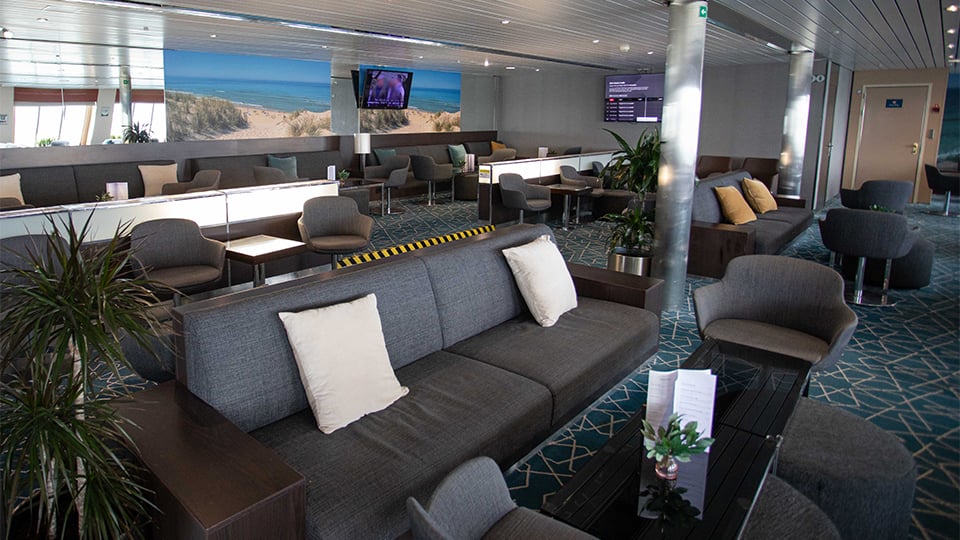
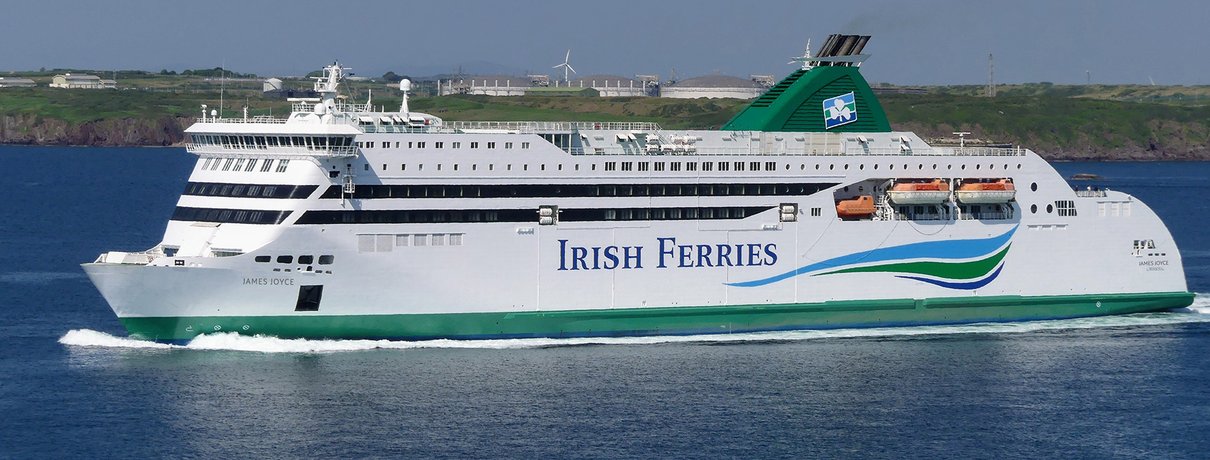
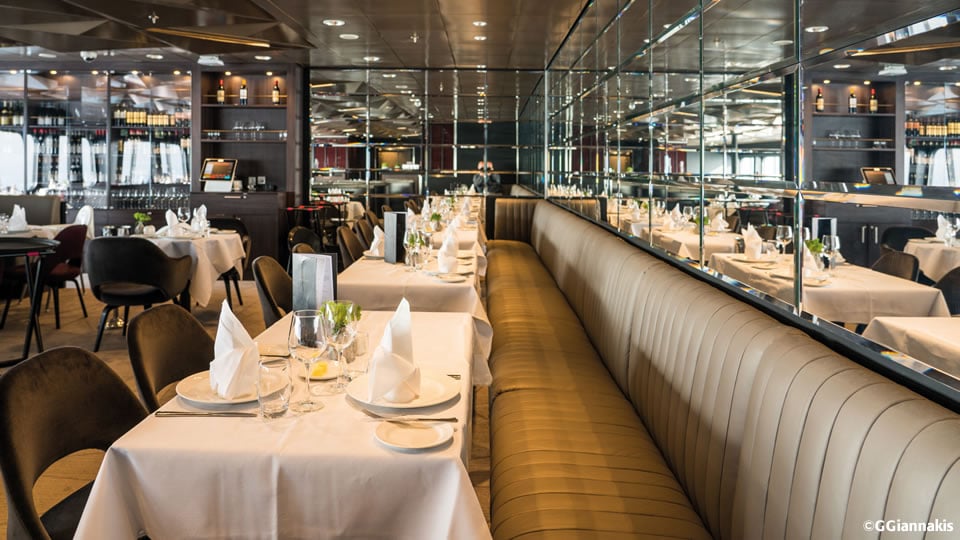
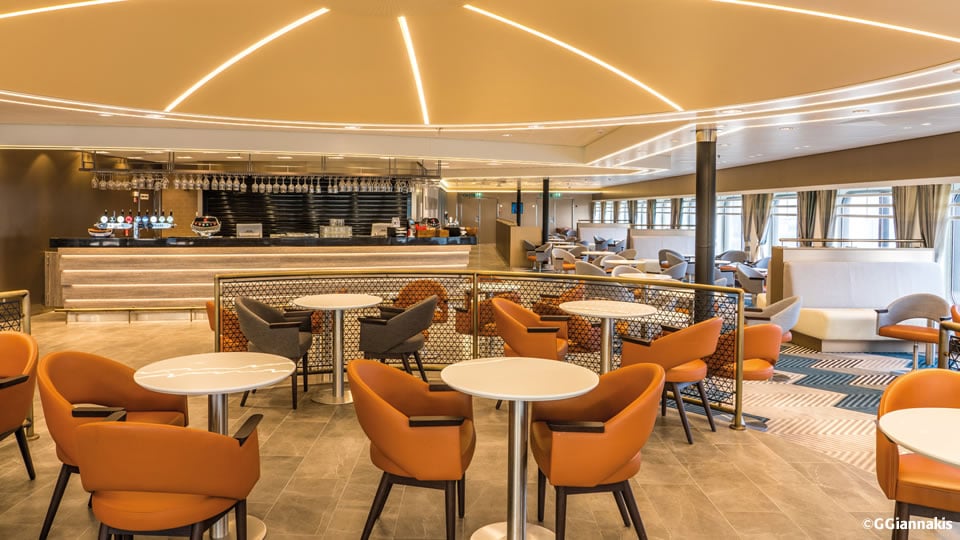
For a longer crossing, the ship can matter as well as the port. Irish Ferries lists the W.B. Yeats on Dublin-Cherbourg, with a Club Class lounge, restaurants, café and bar among its onboard facilities. The route information links to current sailing details, while the ship page helps you decide whether an onboard cabin or extra seating suits your group.
2. Decide whether you need to take a vehicle
A car gives more independence after arrival and may be practical if your accommodation is outside a town or you plan to move between regions. In that case, make the Dublin-Cherbourg route your starting comparison and enter accurate vehicle details when checking availability. Vehicle dimensions, passenger numbers and travel dates can affect the available booking choices. Confirm vehicle limits and any route-specific requirements on the live booking page before you proceed.
If you prefer not to drive in France, look at Ireland-France Sail & Rail. The arrangement combines a foot-passenger ferry booking with onward rail travel. Treat the ferry and train as connected parts of one day: check the station transfer, departure times and the consequences of a delayed connection before choosing a tight itinerary. Details may vary by route and travel date, so confirm them on the current page.
One simple decision list can keep the options clear:
- Choose a car if you need flexible access to rural accommodation or several stops.
- Consider Sail & Rail if your French plans work around stations and public transport.
- Check whether your group, luggage and mobility needs make the chosen connection manageable.
3. Match the sailing to the time you want onboard
Once the route is plausible, compare departure and arrival times with the first day of your holiday. A sailing that arrives at an awkward hour can add a hotel night or a long drive, while a suitable arrival window may let you continue toward your stay. Check the published timetable for your actual date; schedules and arrival times vary.
On Dublin-Cherbourg, the published ship options include W.B. Yeats and Isle of Inisheer. The operator describes W.B. Yeats as having a broader range of spaces, including dining, lounge and cabin options; it describes Isle of Inisheer as a more basic service with a restaurant, café, bar, seating and cabins. Check which vessel is scheduled for your date rather than assuming every facility is available on every departure.
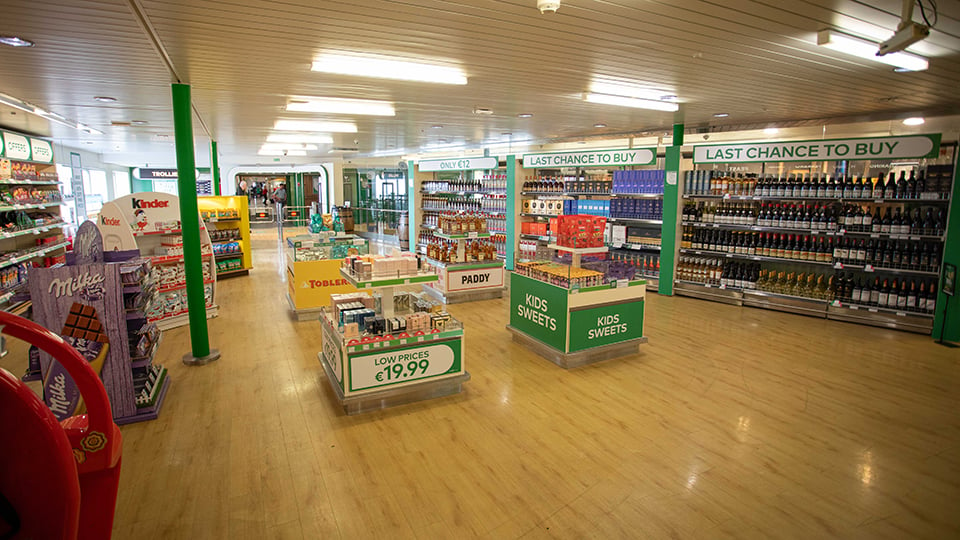
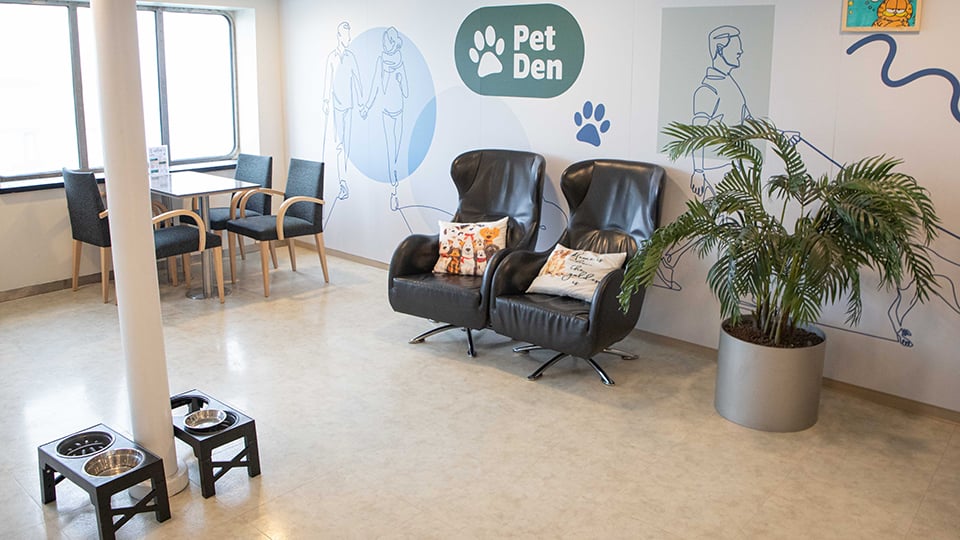
Decide whether you need a cabin, reserved seating, a quiet lounge or a pet-friendly arrangement, then verify those choices against the sailing. For a pet, review the operator’s Ireland-France pet travel rules and accommodation arrangements before booking. A ship image can suggest the setting, but it does not confirm availability for your specific crossing.
4. Choose accommodation before locking in the route
Where you plan to stay can determine which route makes the most sense. If you already have accommodation, work backward from its location and the amount of driving you are willing to do after arrival. If you are still choosing a stay, Irish Ferries’ France pages include holiday options as well as crossings.
Eurocamp Holiday Parks is a concrete example: the listing combines ferry travel with park accommodation, with locations such as La Bien Assise and La Vallée appearing in the operator’s France holiday information. This can simplify a family trip that already centres on a park, but it narrows the stay to the available parks and dates. Compare what the package includes, where the park sits relative to your plans and whether the sailing is aligned with check-in.
For readers who want to arrange accommodation separately, use the route page for the crossing and the holiday pages for the stay. Keep the confirmation details together, especially when different bookings have separate change rules. Bundling can make the outline easier to manage, while separate bookings can give you more control over where and how long you stay.
5. Check the booking details before you commit
Before choosing a fare, review the current terms for changes, cancellations and included extras. Irish Ferries presents Economy, Flexi and Flexi+ fare types in its fare information; the change conditions matter if your dates might move. We recommend reading the current fare terms on the booking path rather than relying on an old summary or assuming flexibility is included.
Use this final checklist while comparing the Dublin-Cherbourg, Dover-Calais, Sail & Rail or Eurocamp option:
- Confirm dates, departure port and arrival time against your accommodation plan.
- Check passenger, vehicle and pet details are accurate, if relevant.
- Review the fare conditions, cabin or seating choices and what the package includes.
- For a rail itinerary, leave workable time for transfers and onward connections.
Then compare the full trip cost on the live booking pages, including travel to the port, overnight stays, accommodation and any extras. Those variables shape value more than a headline fare alone, and the right choice will depend on your own dates and party.
Which Irish Ferries plan fits your France trip?
For a self-drive holiday starting in Ireland, the Dublin-Cherbourg route is the clearest place to begin, especially when you want a vehicle at your destination. If your itinerary is station-led, compare Ireland-France Sail & Rail; if a park stay is central to the holiday, review Eurocamp Holiday Parks alongside the sailing dates.
The main limitation is that the best fit depends on live schedules, fare conditions and the details of your accommodation, all of which can vary. We recommend deciding on transport and the first night’s plan before booking, then confirming the current terms directly with Irish Ferries.