

A research-led introduction to One World Observatory’s point of view, ticket range, dining layer and the visitors each option is designed to suit.
A first visit to an observation deck can sound simple: choose a time, take the lift and look out across the city. One World Observatory gives that familiar format a broader frame. Its official store presents the experience as a combination of views, interpretation, hospitality and flexible ticket tiers at One World Trade Center.
That makes the brand worth understanding before choosing a ticket. The right question is not simply whether you want a skyline view. It is whether your day calls for a straightforward admission, priority access, a guided introduction, a family route or a meal above the city.
Heads-up: we earn a commission from some links in this article. It never changes the price you pay.
What you need to know
- One World Observatory combines panoramic views, interpretation and hospitality at One World Trade Center.
- Standard, Combination, All-Inclusive and VIP Tour tiers add different levels of access and guidance.
- Family Pack, Groups Discount and Late Night Package give the store occasion-specific routes.
- VIP Tour & Dine Experience links a guided visit with a meal at ONE Dine.
- Current prices and availability should be checked on the official ticket store before booking.
One World Observatory builds from the skyline view
The starting point is physical and specific: the observatory occupies One World Trade Center and the brand says it offers panoramic views from the highest point in New York City. The experience then builds outward through the building’s arrival sequence, digital storytelling and places to pause. The result is closer to a planned city attraction than a single photo stop.
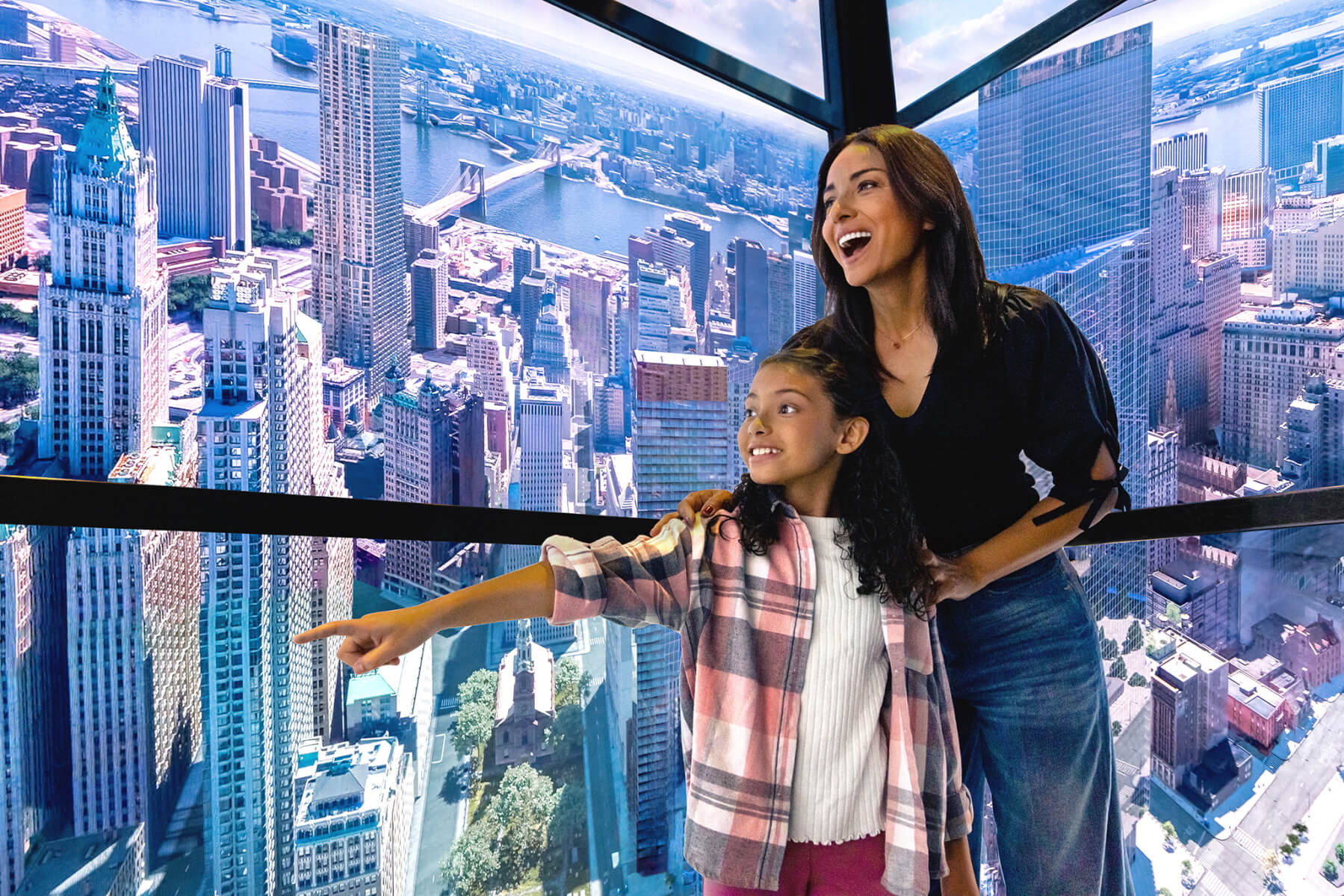
That positioning matters for first-time readers because it explains the range. The brand’s strongest idea is layered access: begin with the skyline, then decide whether priority entry, the One World Explorer digital guide, a flexible arrival window, a guided tour or dining should shape the day. The official ticket store makes those layers visible instead of presenting one generic admission.
- Perspective: the main draw is a high, panoramic view over New York.
- Interpretation: selected tiers include the One World Explorer digital skyline guide.
- Hospitality: the venue connects the observation experience with café, bar and restaurant options.
- Occasion: family, group, local and late-evening offers address different kinds of day.
One World Observatory offers distinct visit formats
The core store range runs from Standard general admission through Combination, All-Inclusive and VIP Tour. The important distinction is not a vague premium label. It is what the day needs. Standard is the cleanest fit for a reader whose priority is the view. Combination adds priority entry, the digital guide and a venue credit. All-Inclusive adds a more flexible arrival choice and a larger venue credit. VIP Tour adds escorted entry and a guided tour.

Readers should treat those inclusions as the decision framework. A visitor with a tight schedule may value priority entry more than a food credit. Someone building a longer afternoon may prefer the flexibility attached to All-Inclusive. A guest who wants context and a more hosted rhythm has a clearer reason to consider VIP Tour. Check the live ticket options for current pricing, availability and terms.
There is also a useful layer beneath the main tiers. The Family Pack is aimed at a shared outing, while the Groups Discount is designed for larger parties and organised occasions. These are not simply cheaper versions of the same product. They show how the brand thinks about the visit as a social plan.
One World Observatory extends into evening occasions
The store’s occasion-led offers are where One World Observatory becomes more distinctive. The Late Night Package is built around visiting after the evening threshold listed by the store, giving the skyline a different atmosphere. It suits readers who want the city lights to be part of the plan rather than an accidental bonus.
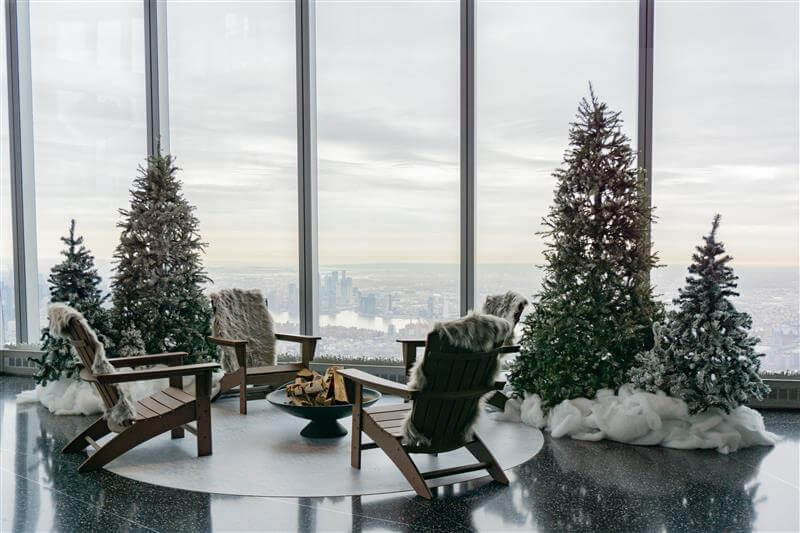
Dining gives the brand another register. The VIP Tour & Dine Experience pairs an exclusive access route with a guided tour and dinner at ONE Dine. That is a different proposition from adding a quick snack to a sightseeing visit: the meal becomes part of the occasion. Readers can also explore the official ticket store to see how availability and experience details are currently presented.
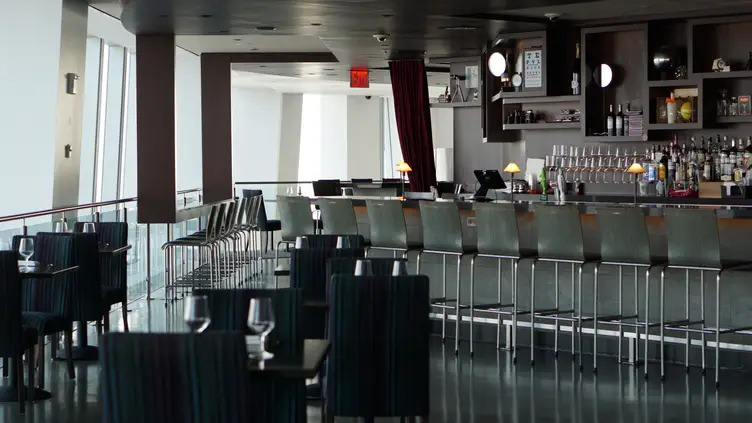
That range is useful for first-time readers because it avoids forcing every visitor into the same definition of value. Value here is about fit: access for a busy itinerary, guidance for a visitor who wants context, flexibility for a longer day, or dining for a celebration.
One World Observatory serves several visitor types
It is a good fit for several kinds of visitor, but each has a different reason to book:
- First-time New York visitors who want a structured introduction to the skyline and the city’s landmarks.
- Families who want a shared attraction with an offer designed around a group outing.
- Planners and hosts who need organised group access or a more guided rhythm.
- Couples and celebration-led visitors who prefer a late visit or the Tour & Dine format.
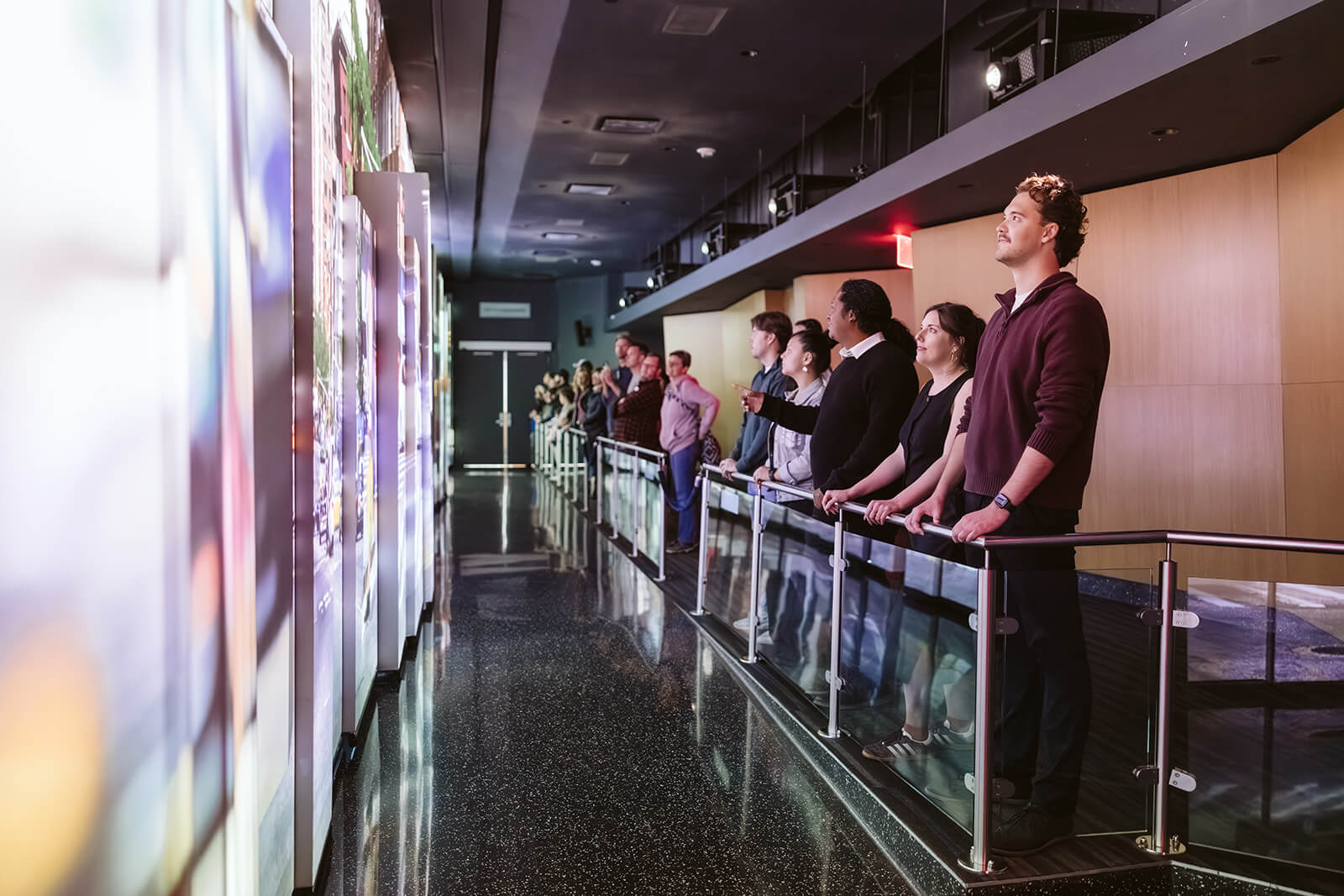
The limitation is equally clear. The more the ticket adds, the more important it becomes to check the details against your schedule. Priority entry, arrival flexibility, guided access and dining are valuable only when you will use them. Processing fees, availability, operating details and offer conditions can also change, so readers should confirm them on the official store page before committing.
Which One World Observatory visit fits your day?
One World Observatory has a coherent brand story: it turns a high viewpoint into a flexible New York experience with interpretation, hospitality and occasion-led options. The main tiers make sense when read as different ways to spend the day, while Family Pack, Groups Discount, Late Night Package and VIP Tour & Dine give the range a practical social dimension.
Our honest limitation is that the store offers enough routes to create comparison work of its own. The best choice depends on timing, group size and interest in guidance or dining. For a first-time reader, that is still a useful conclusion: start with the view, then pay for the layer that genuinely belongs in your plan.