

Our evidence-led review weighs Petgevity’s cover choices, useful extras and important limitations for UK cat and dog owners.
Pet insurance is easiest to judge when the policy wording meets a real household need. A young dog, an older cat and a home with several pets may all need different answers to the same questions: how much could be claimed, what happens if a condition already exists, and how much choice remains at renewal?
We reviewed Petgevity’s current UK pages, policy features and named cover routes. This is an editorial review of the published information, not a personal purchase or claims test. Prices, eligibility and terms can change, so the live quote and policy documents remain the final reference.
This article contains affiliate links. If you buy through them, we may earn a commission at no extra cost to you.
At a glance
- Lifetime Plus Dog Insurance is listed from 31p a day, or £9.33 a month, although a quote is still required.
- Petgevity offers vet-fee limits from £1,000 to £15,000, with the selected limit resetting each year.
- Lifetime Plus can consider declared and accepted pre-existing conditions and has no upper age limit.
- Multi-pet Insurance can cover up to eight cats and/or dogs under one policy, with individual limits.
- Routine care, vaccinations and neutering are not covered, so this is protection for unexpected costs rather than everyday pet care.
A flexible structure, with a clear ceiling
The central strength of Petgevity is flexibility within a recognizable lifetime-insurance structure. The site says owners can choose a vet-fee limit from £1,000 to £15,000, and that the selected limit resets each year the policy renews. That annual reset is relevant for long-running illness, where a single condition can create costs across more than one policy year.
The headline example is Lifetime Plus Dog Insurance, listed from 31p a day. Petgevity also says there is no compulsory excess or bill share even as a dog ages on this route. Those are useful signals for owners who are trying to understand future contributions, but the displayed starting price is not a universal quote. Age, breed, location, limit, excess and extras can all change the price.
The standard Lifetime Dog Insurance page gives shoppers another route to inspect. The distinction is important because “lifetime” does not automatically mean every optional feature is included at the same level. Petgevity’s pages describe different allowances for some treatments, and the policy documents should settle any point that matters to a claim.
- Core choice: select a vet-fee limit that reflects the treatment costs you could realistically face.
- Budget choice: compare the quote after adding any voluntary bill share or optional extras.
- Continuity choice: check how renewals, exclusions and a recurring condition work over time.
- Evidence choice: save the Confirmation of Cover and policy wording, not only the marketing summary.
Where Petgevity has a practical edge
One of Petgevity’s more useful features is the attempt to serve pets that do not fit a very narrow new-business profile. The brand says Lifetime Plus can consider pre-existing conditions if they are declared and accepted. That does not mean every condition is covered, and it does not mean an owner can leave medical history out of a quote. It means the route is worth investigating when a pet has a relevant history.
The same page says Lifetime Plus has no upper age limit. That may make Petgevity worth a closer look for owners of older dogs or cats who are finding age limits elsewhere. Again, acceptance and the Confirmation of Cover matter more than the general promise. A condition can only be treated as covered if it is accepted and recorded in the policy documents.

There is also a service layer around the insurance. Petgevity says policyholders receive free, unlimited 24/7 access to UK-registered vets through FirstVet. That can be useful for triage and general questions, but a video consultation is not the same as an in-person examination or a guarantee that a claim will be accepted. Its value is greatest for owners who will actually use remote advice before deciding whether to travel to a clinic.
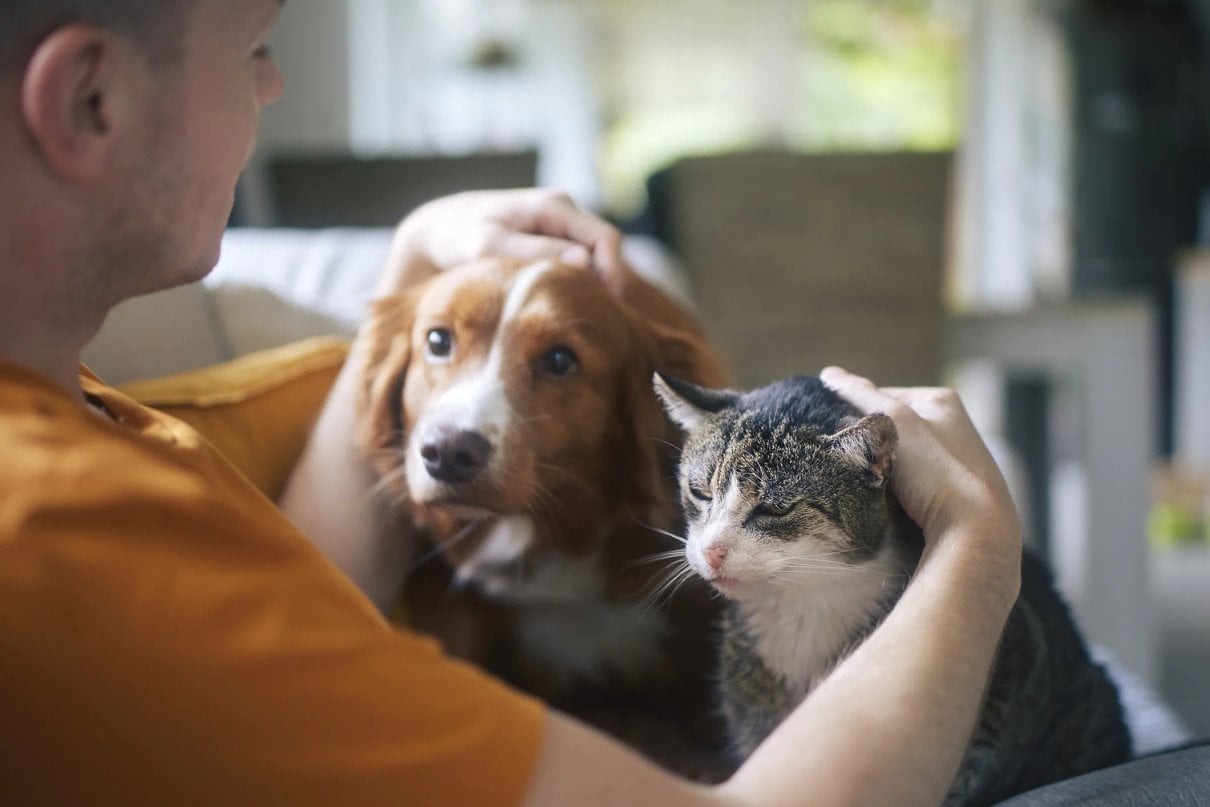
For households with more than one animal, Multi-pet Insurance is another concrete option. Petgevity says up to eight cats and/or dogs can be managed under one policy, while cover limits, excesses and extras can be set per pet. The advantage is administrative: one renewal date and one policy relationship. The trade-off is that each animal still deserves an individual price and cover check.
- Consider Lifetime Plus when pre-existing conditions or an older pet make eligibility the first question.
- Consider Multi-pet Insurance when one renewal date would genuinely reduce household admin.
- Consider a lower vet-fee limit only after thinking through a severe treatment scenario.
- Use FirstVet as a support service, not as a substitute for the policy wording.
The exclusions are as important as the headline features
The main limitation is familiar but easy to overlook: pet insurance is not a routine-care plan. Petgevity says policies do not cover preventative treatments such as flea and worming treatment, primary or booster vaccinations, neutering, routine scale and polishes, or investigative tests that are not connected to a covered new or worsening condition.

Dental accidents are included as standard according to the site, while Dental Illness is an optional extra. Travel and holiday cover, Missing Pet cover and Farewell cover are also presented as optional additions. That menu is useful because owners can build around their priorities, but it can make a headline price look less comparable if two quotes include different extras.
Waiting periods and switching rules deserve equal attention. Petgevity states that, in general, new illnesses and symptoms are not covered in the first 14 days and accidents in the first 2 days, subject to the conditions for continuous cover when switching from another lifetime insurer. Owners should also declare conditions and symptoms accurately, because an incomplete history can affect a later claim.
- Read the policy wording for the exact definition of a pre-existing condition.
- Compare the quote with and without optional dental, travel, missing-pet or farewell cover.
- Check the excess, bill share, vet-fee limit and any age-related conditions together.
- Confirm waiting periods and continuous-cover eligibility before switching.
- Keep your pet’s medical history and Confirmation of Cover available.
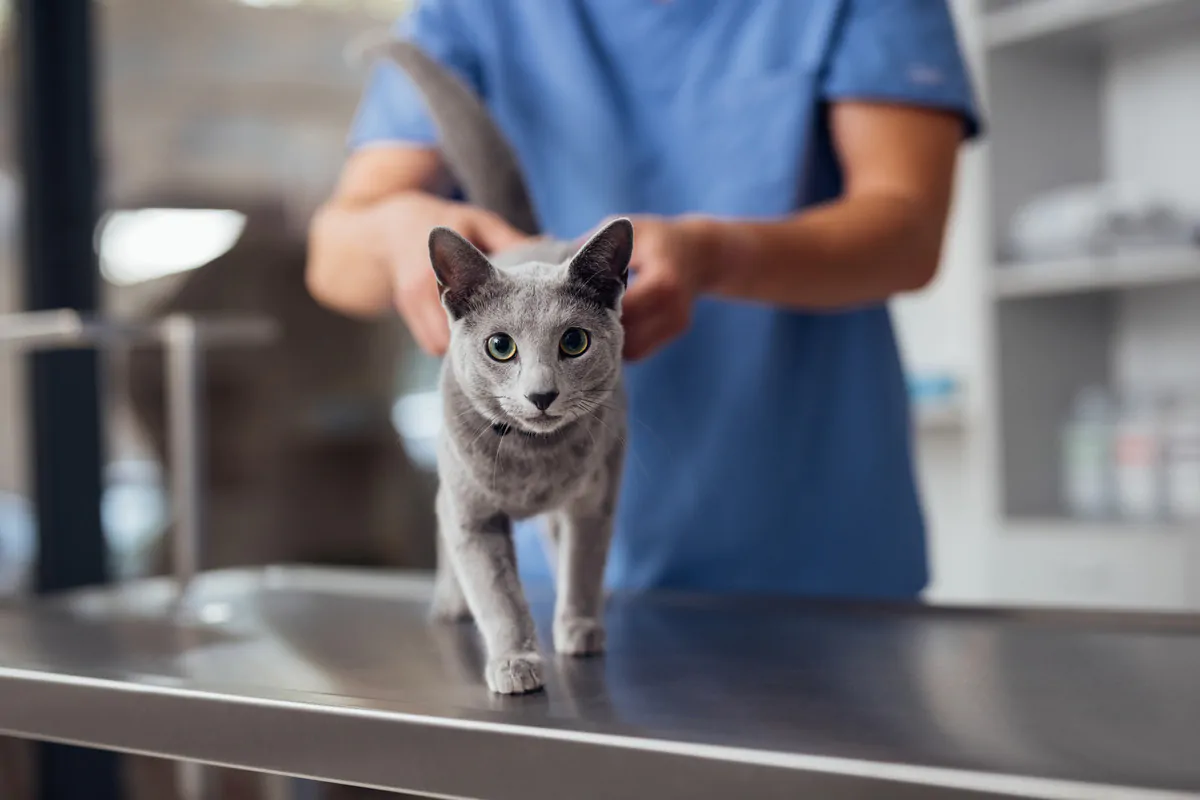
For cat owners, Lifetime Plus Cat Insurance is the natural page to inspect rather than assuming the dog wording applies identically. The core ideas may look familiar, but limits, eligibility and optional benefits can vary by pet and policy. A direct quote is the only reliable way to see the result for a specific cat.
Who Petgevity is most likely to suit
On the published evidence, Petgevity is best suited to UK owners who want a lifetime policy with configurable limits and who value the possibility of considering pre-existing conditions or older pets. It is also a sensible shortlist candidate for multi-pet homes that want to reduce renewal admin. The starting price on Lifetime Plus Dog Insurance may appeal to a budget-conscious reader, but it should be treated as a reference point rather than a promise.

The weaker fit is someone looking for routine veterinary care, a guaranteed price, or a policy that can be judged from one headline feature. Petgevity’s useful flexibility creates more decisions, not fewer. The owner still needs to compare limits, exclusions, excess, bill share, optional extras and renewal terms.
Our verdict
Petgevity is worth considering when the priority is flexible lifetime pet insurance rather than routine care. The strongest evidence is its range of vet-fee limits, the stated no-upper-age-limit route on Lifetime Plus, the ability to consider declared and accepted pre-existing conditions, and the practical option of managing up to eight pets together.
The honest limitation is that none of these headline features removes the need to read the policy documents. Eligibility, exclusions, waiting periods and the final quote decide the real value. We would shortlist Petgevity for older pets, pets with a declared history and multi-pet households, then compare the live terms against the cover those animals actually need.