

Choosing plants online can feel like making a decision from a very pretty catalogue. The useful question is not simply which flower looks best. It is where will it grow well, when will it flower, and will it earn its space in your garden? This practical guide uses the current DutchGrown™ range to turn that decision into a short, repeatable process.
I have focused on varieties with clear uses, visible prices and helpful growing details. Use the same method for a damp border, a cutting patch or a sunny container. Start with the conditions you actually have, then let the plant follow.
Step 1: Read your planting space first
Before opening a product page, note four facts about the spot: sunlight, moisture, soil type and available room. This prevents the common mistake of choosing a plant for its colour and discovering later that it needs conditions your border cannot provide. Browse DutchGrown™ flowering plants with those four facts in mind, rather than shopping by impulse.
- Sun: record full sun, partial shade or a cooler shaded position.
- Moisture: identify dry, average or reliably damp soil.
- Scale: measure the mature height and spread you can accommodate.
- Purpose: decide whether you want a border accent, a pollinator plant or a cut flower.
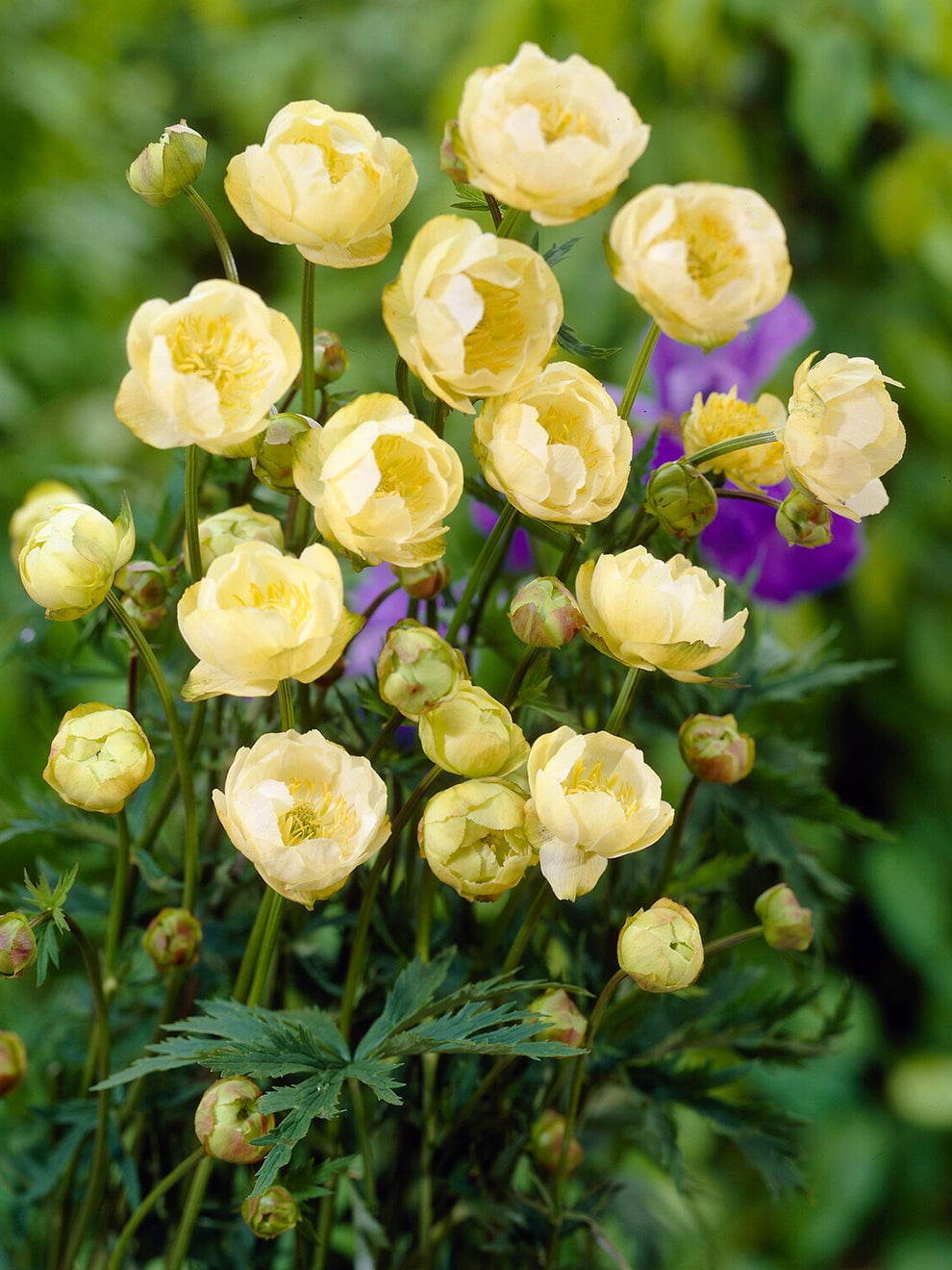
This is where the range is particularly useful. The globeflowers suit consistently moist, humus-rich soil, while many dahlias prefer a sunny position with fertile, well-drained ground. That basic split immediately narrows your shortlist. If your garden has heavier soil, read the individual product notes instead of assuming every bulb or perennial wants the same treatment.
Step 2: Match the variety to the job
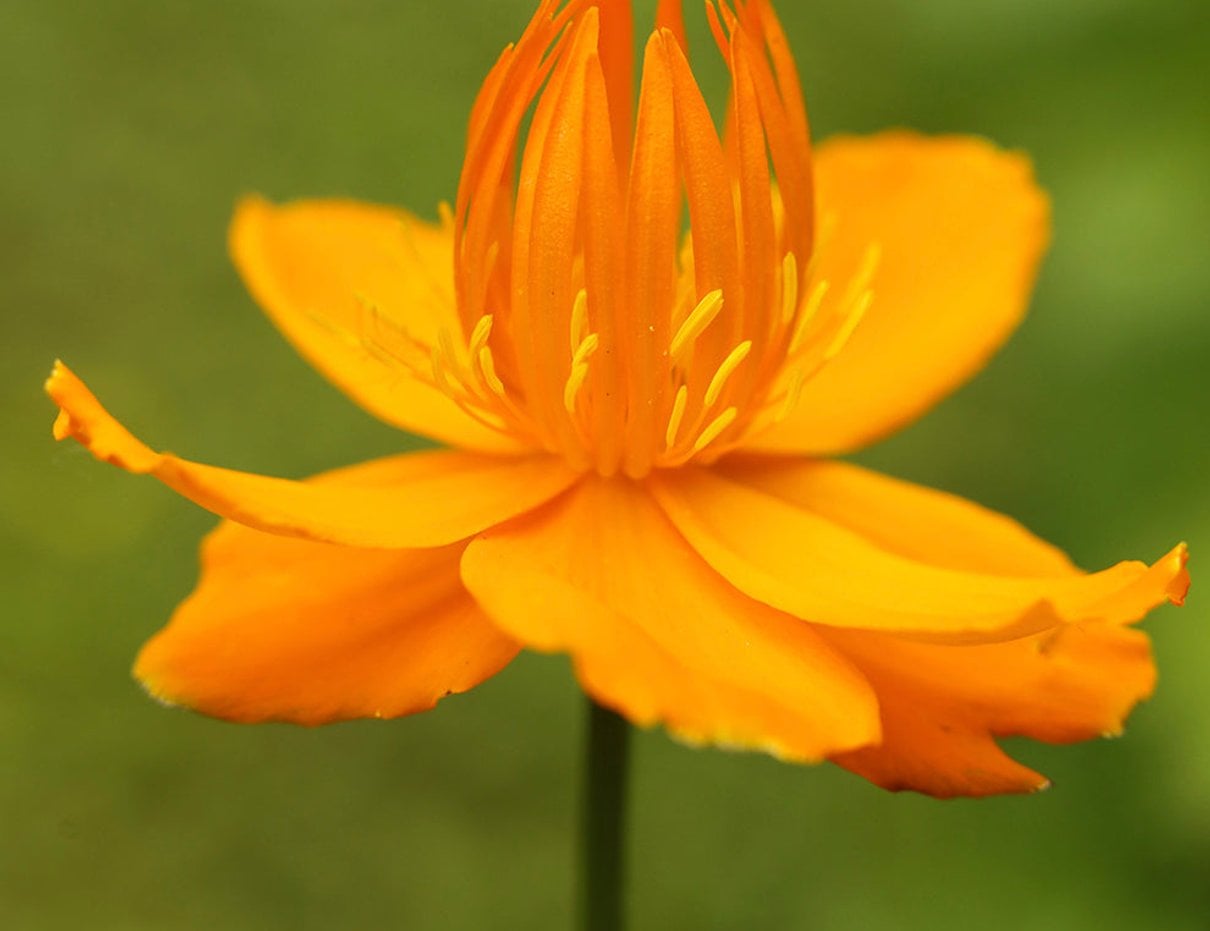
For a damp border or pond edge, the Trollius chinensis Golden Queen is a strong starting point. It is listed at £4.50, reaches around 60-90 cm and carries golden-orange flowers on upright stems. Its RHS Award of Garden Merit is a useful confidence signal, but the more important practical detail is that it tolerates heavy and clay soils while remaining happiest when moisture is dependable.
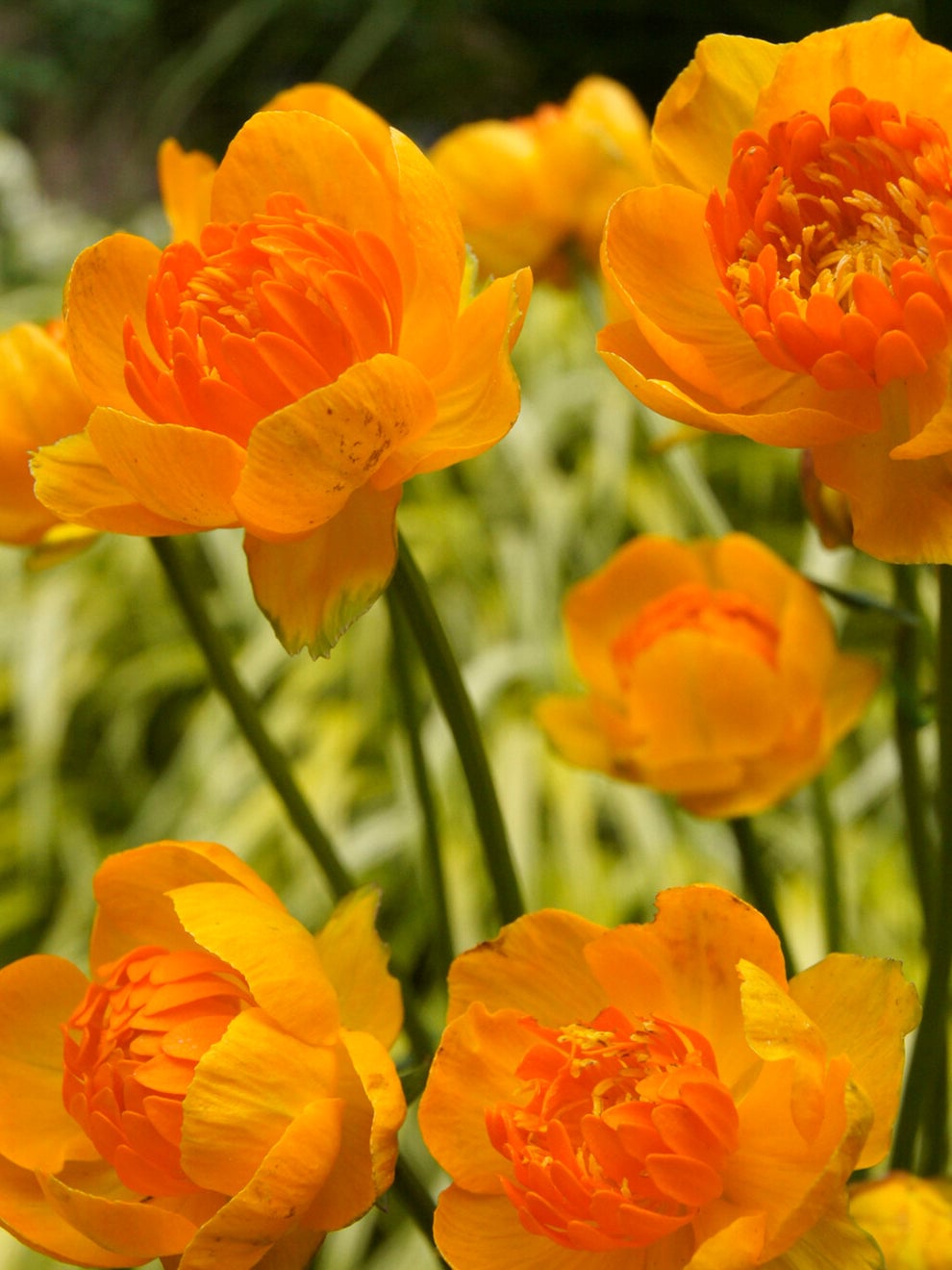
For a lower, tidier planting, compare the Trollius Orange Crest, also listed at £4.50. Its compact 45-60 cm habit makes it easier to place in a smaller border or near a pond edge. The bright yellow-orange flower with a tangerine centre gives you a clear colour role, and the hardy perennial habit means it can return each year when the site suits it.
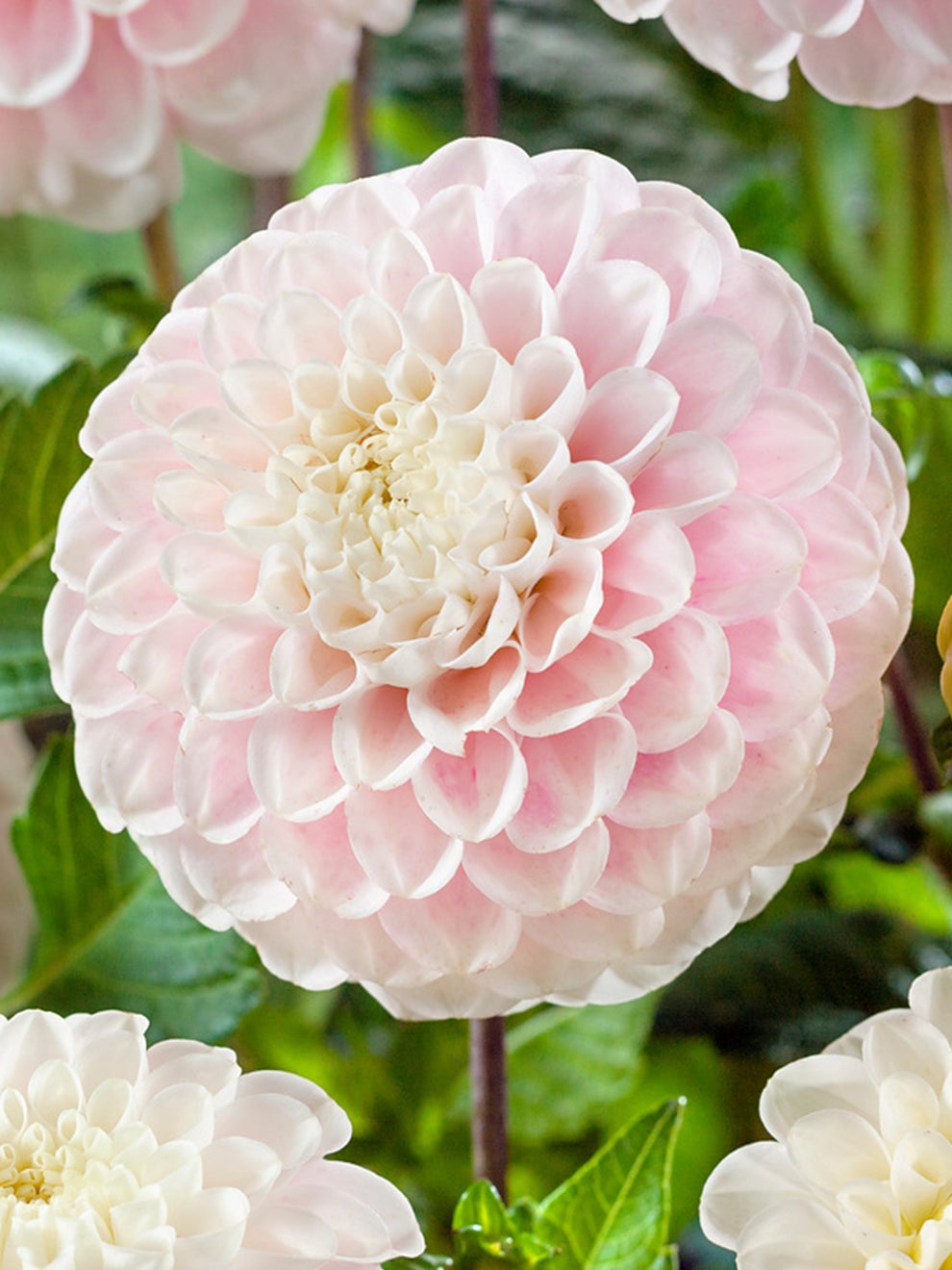
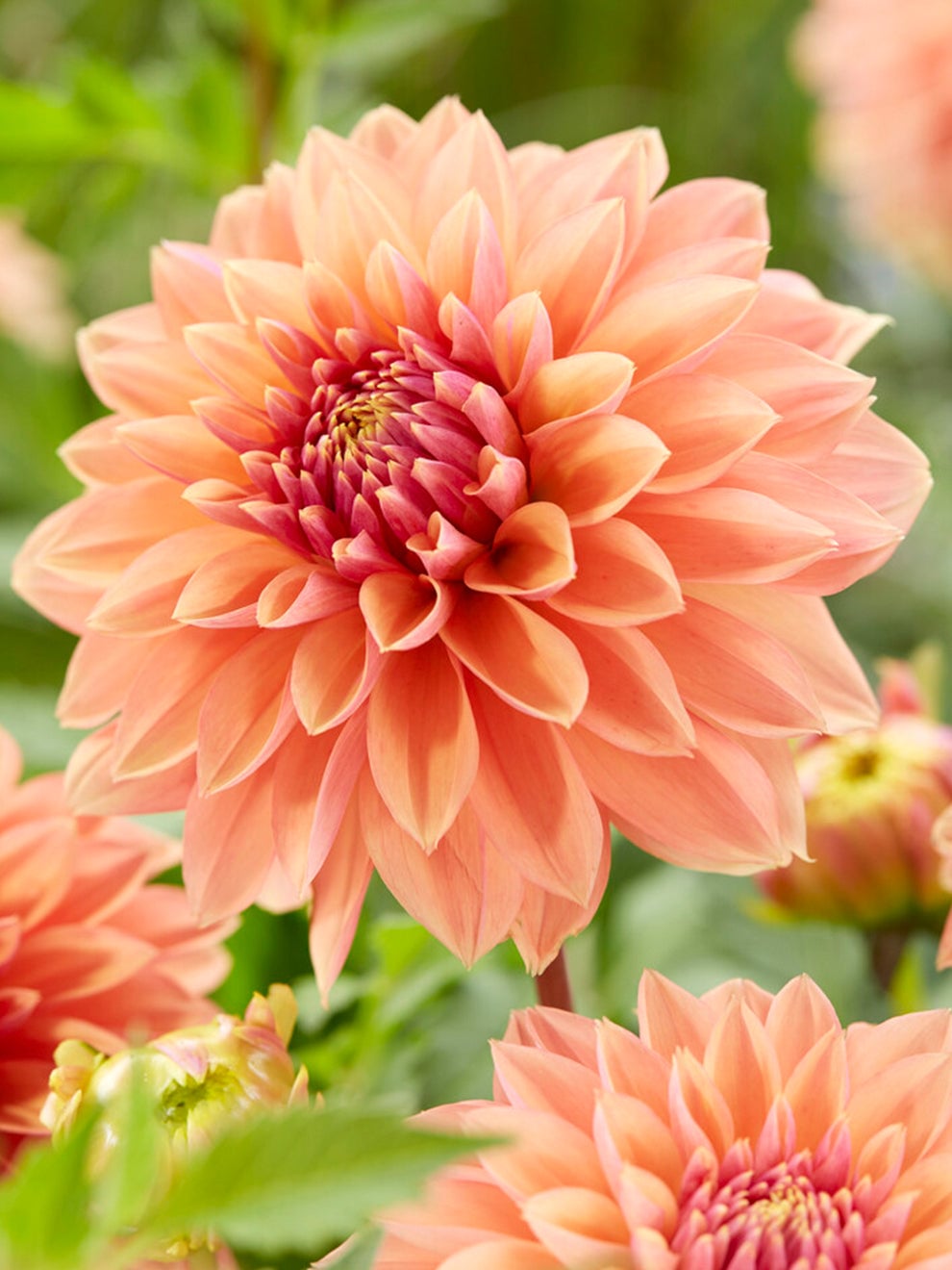
If you are building a cutting garden in a sunny bed, look at Dahlia Wizard of Lightning and Dahlia Kick Off. Both give a different visual direction from the globeflowers, and the product pages let you check the current order size and price before committing. Choose by role: a reliable vertical accent, a warm late-season palette or a flower you expect to cut regularly.
My quick shortlist would be:
- Choose Golden Queen for height, strong stems and a damp border.
- Choose Orange Crest for a compact globeflower with vivid colour.
- Choose Wizard of Lightning when a sunny cutting patch is the priority.
- Choose Kick Off when you want to compare another dahlia shape and palette.
You can compare the live DutchGrown™ selection at this stage, but keep the list short. Three considered plants will create a clearer scheme than ten unrelated impulse choices.
Step 3: Check the growing details before ordering
Now open each exact product page and check the details that affect success. DutchGrown™ gives you more useful information than a name and a photograph, including mature size, flowering window, position and moisture guidance. Read those fields as a checklist, not as background copy.
- Position: confirm the plant receives the light it expects.
- Soil: check whether it needs fertile, well-drained or consistently moist ground.
- Timing: note spring planting, midsummer flowering or frost sensitivity.
- Maintenance: look for deadheading, staking, watering or lifting instructions.
- Space: leave room for the listed height and spread rather than planting too tightly.
This step is especially important with dahlias. They reward regular cutting and deadheading, but they also need a sunny position and protection from frost. If your site is exposed, plan support early. If your soil stays wet in winter, a moisture-loving Trollius may be a more forgiving choice. See the full growing notes on the DutchGrown™ site before you finalise the basket.
Step 4: Build a simple colour and season plan
A good planting plan needs more than one attractive flower. Combine an earlier or late-spring anchor with a summer performer, then repeat one colour or shape so the border feels intentional. The golden-orange Golden Queen and Orange Crest create a warm thread, while dahlias can carry the display later in the season. You can revisit Golden Queen’s product details and check Wizard of Lightning’s page while you sketch the sequence.
Keep the planting logic simple:
- Repeat one warm colour in at least two positions.
- Use one taller plant behind a lower, compact variety.
- Leave gaps for mature spread and air movement.
- Add a cutting flower only where you can reach it easily.
If the scheme needs a cooler note, the current catalogue also includes cream, white, red and pink flowering options. Review Dahlia Kick Off as a contrasting choice, then check the displayed availability and price on the day you order. Product ranges move with the season, so live pages matter.
Step 5: Order, plant and review the result
When your shortlist is ready, add only the varieties that match your notes. The current listed prices make it possible to test a small planting without treating the whole garden as a single project: Golden Queen and Orange Crest were each shown at £4.50, Wizard of Lightning at £4.60 and Kick Off at £6.90 during research. Check today’s DutchGrown™ prices before checkout, because seasonal availability can change.
Plant according to the individual instructions, water new plants carefully and label each variety. For dahlias, wait until frost risk has passed, give them sun and consider staking in exposed positions. For globeflowers, do not let the soil dry out. A small notebook or phone photo can help you record what worked, which colours held their shape and where the soil stayed too wet or too dry.
After the first season, keep the winners and edit the rest. That is the advantage of shopping by conditions and purpose: you learn something useful from every plant. Orange Crest’s compact profile may suit a smaller space, while Golden Queen’s taller habit may be better at the back of a wet border.
The practical verdict
DutchGrown™ is a natural choice when you want variety-level detail rather than a generic list of flowers. The strongest buying route is straightforward: measure the site, choose the job, read the growing notes, then compare two or three exact product pages. The catalogue offers approachable prices, distinctive varieties and enough information to make a more confident first order.
Start with the plant that solves your actual garden problem. If that means a dependable damp-border perennial, begin with Golden Queen or Orange Crest. If it means colour for a sunny cutting patch, compare Wizard of Lightning and Kick Off. Explore the current DutchGrown™ range, check the live details and make your first planting plan deliberately.