
I approached One World Observatory – New York as a day planner, not a skyline superfan. The question was practical: does a visit at One World Trade Center justify the ticket, the timed arrival and the space it takes in a busy New York itinerary? The answer is a qualified yes. The setting is genuinely impressive, the sequence from lift to viewing levels is more thoughtful than a simple lookout, and the ticket ladder gives you real choices. The catch is that the entry price is only the beginning of the calculation, especially once you add a meal or value the convenience of priority access. If you are deciding for a specific date, check the current ticket calendar before building the rest of the day around it.
What the visit is really selling
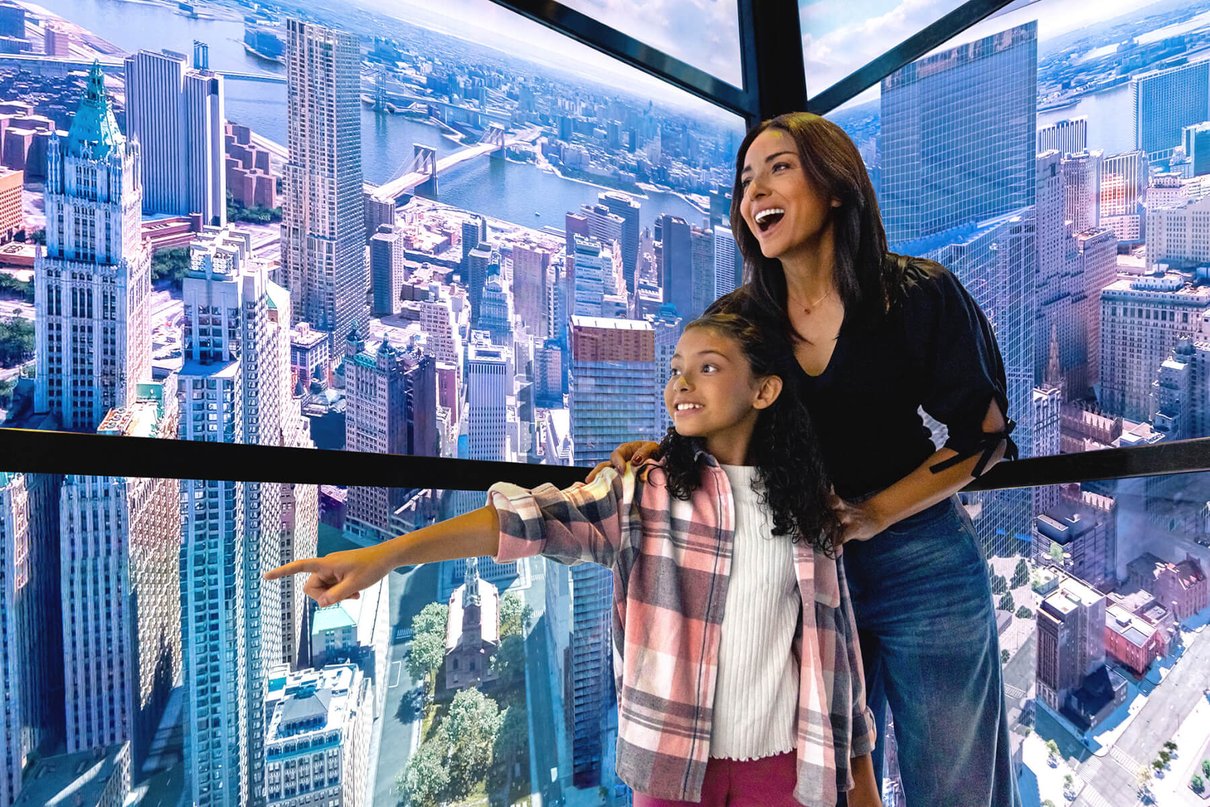
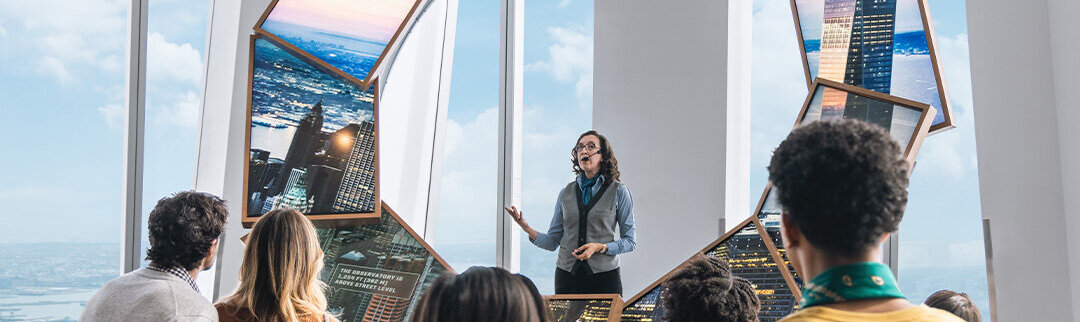
The headline is the panorama, but the strongest part of One World Observatory – New York is the reveal. The SkyPod elevator carries visitors up 102 floors in 47 seconds, then the See Forever Theater creates a short cinematic pause before the main view. City Pulse adds interactive context instead of leaving you to identify buildings alone. I found that combination more memorable than an observation deck that simply opens a door onto glass.

That does not mean every minute feels equally essential. The immersive elements are brief, and the main reward is still the outlook across Lower Manhattan, the harbor and the wider skyline. The observatory experience makes most sense when you want a layered attraction with a strong sense of arrival, rather than the lowest-cost way to get a high view.
- SkyPod elevator: a fast, polished ascent with animated city imagery.
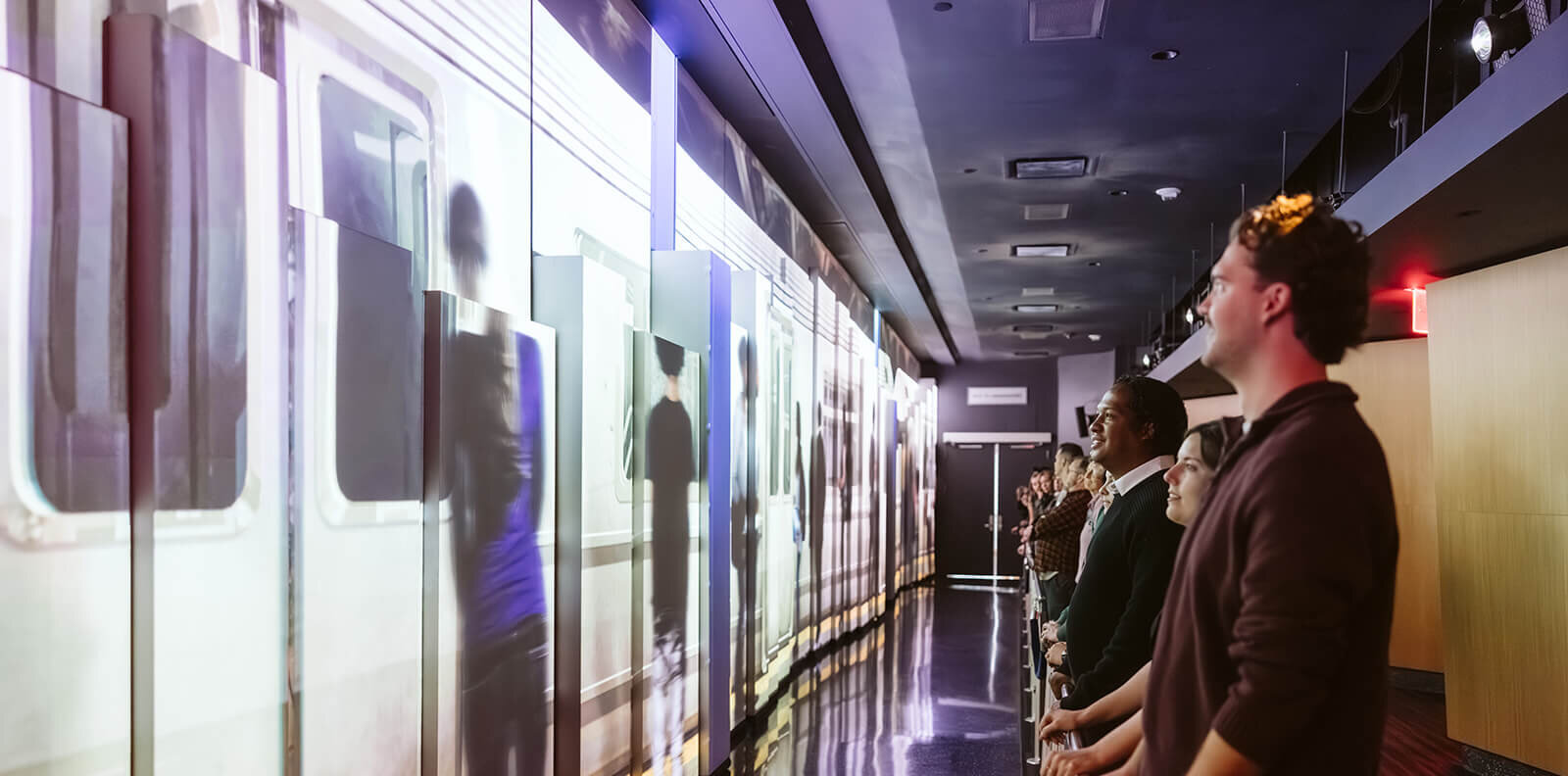
- See Forever Theater: an approximately two-minute multimedia introduction.
- City Pulse: interactive stories and landmark context.
- Viewing levels: broad indoor panoramas with room to linger.
For a first-time visitor, that sequence is the clearest USP. Families get an easy narrative, photographers get changing light through the day, and design-minded travelers get an experience that has been choreographed rather than left entirely to chance. The See Forever Theater is included with admission, so you do not need to upgrade simply to get the core storytelling.
The ticket ladder, translated into decisions
The published starting prices make comparison unusually straightforward. Standard General Admission starts at $44 and covers the views. Combination Experience starts at $54 and adds priority entry, the One World Explorer digital guide and a $5 credit for food, drink or shopping. Those inclusions are useful, but I would choose Standard when the date is quiet and you mainly want the skyline.
All-Inclusive Experience starts at $64. It adds priority entry, flexible morning, afternoon or evening arrival, the digital guide and a $15 credit to spend on food, drink or the shop. That is the tier I would investigate first for a visitor with a fixed schedule, because the flexible arrival and credit can offset some of the premium. The credit is not a free meal, though, and processing fees still apply.
- Choose Standard for the cleanest budget decision.
- Choose Combination when priority entry and the digital guide matter.
- Choose All-Inclusive when timing flexibility and a $15 credit will be used.
- Choose VIP Tour when interpretation and a hosted pace matter more than absolute price.
The VIP Tour begins at $74 and is the most clearly differentiated upgrade. It includes priority entry, escorted entry, a $15 food or shop credit and a 60-minute guided tour focused on landmarks and city history. I would not pay for it just to stand higher. I would pay for it if you want the visit to feel guided, have a celebratory group, or prefer a host to turn the view into a story.
One small but important caveat: the prices are starting prices, and the site states that tickets carry a $3.50 plus tax processing fee. Check the final total and date before comparing the tiers. That is where a seemingly modest upgrade can become a meaningful line item for a family.
ONE Dine: a good finish, with conditions
ONE Dine is the part of the offer I would treat as an optional second act, not an automatic reason to upgrade. The restaurant sits above Manhattan and serves seasonal New American food, handcrafted cocktails and a view that changes as the light drops. The ONE Dine information makes the practical condition clear: observatory admission is required for an a la carte reservation.

For a birthday, date or deliberately paced evening, the combination can be persuasive. I like the idea of moving from the observation levels to a proper table without crossing town. But dining prices and menus can change, and a meal is only value if you genuinely want the restaurant. If you are squeezing the observatory between a museum and a show, the extra reservation may make the day feel over-programmed.
- Reserve ONE Dine when the meal is part of the occasion, not merely an add-on.
- Allow time for security, elevator flow and the viewing levels before dinner.
- Remember that the operation is cashless and accepts major cards and contactless payments.
- Use the $15 credit only if you already planned to eat, drink or shop onsite.

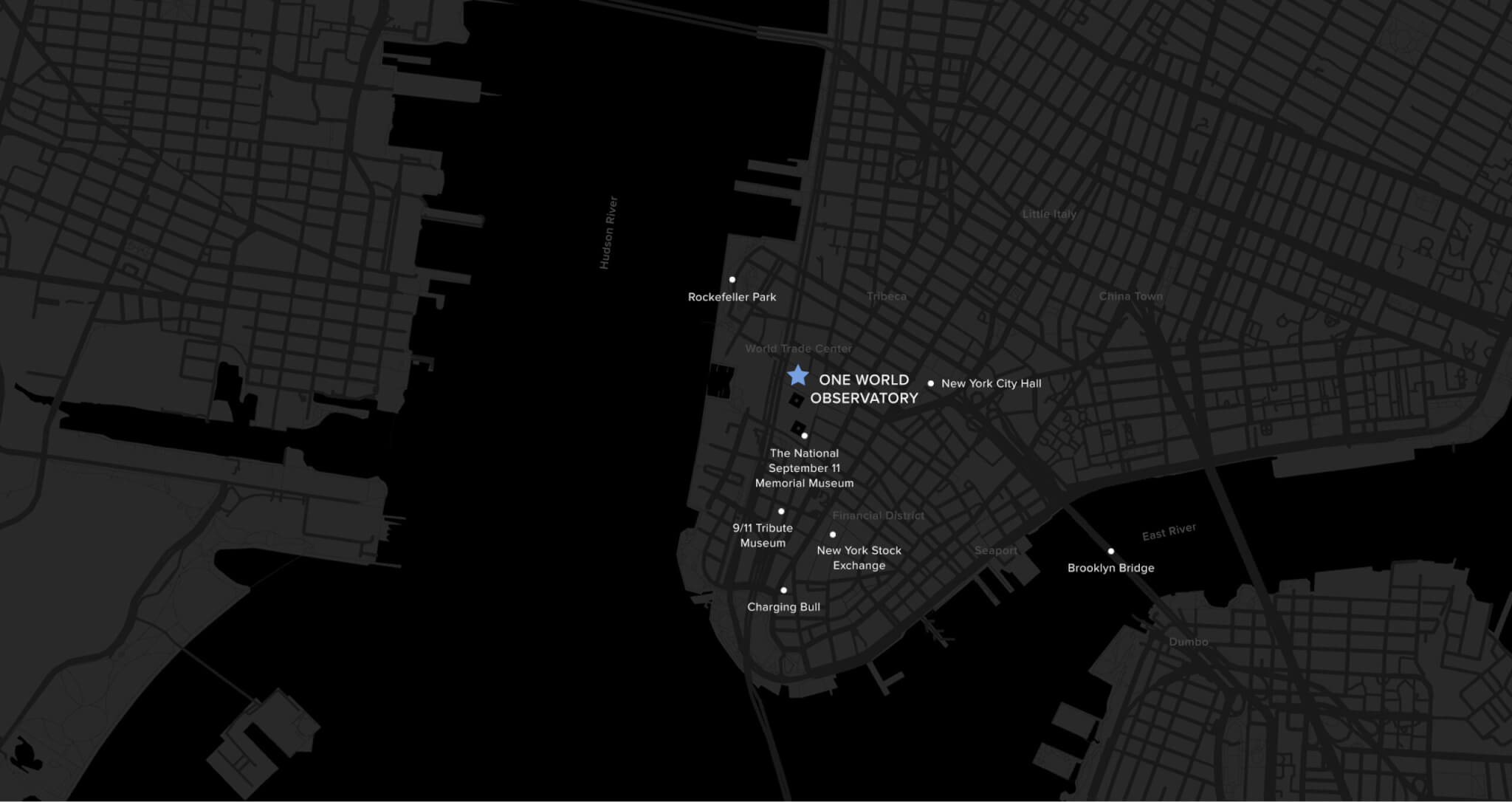
Operationally, the Lower Manhattan location is convenient for a downtown route, but it is still worth checking hours and directions on the visit-planning page. The site lists daily opening with seasonal changes, and a timed ticket is not the same as permission to arrive whenever you like. Weather also matters. The attraction backs its experiences with a See Forever Commitment, but clear visibility remains the difference between a good visit and a spectacular one.
Pros, cons and my measured verdict
- Pros: a memorable SkyPod, theater and interactive sequence before the panorama.
- Pros: four ticket levels with visible starting prices and genuinely different inclusions.
- Pros: All-Inclusive and VIP can make a planned celebration feel smoother.
- Cons: starting prices rise once processing fees, food and timing are included.
- Cons: ONE Dine adds value only when the meal fits your itinerary and budget.
My verdict is that One World Observatory – New York earns its ticket when you value the complete sequence, not just the altitude. Standard is the sensible baseline for a clear day and a lean itinerary. All-Inclusive is the best compromise for visitors who will use the timing flexibility and the credit. VIP is a specialist upgrade for people who want a hosted story, escorted movement and a little more ceremony. I would book ONE Dine separately in my mental budget and only combine it when the day is built around dinner.
The honest downside is that this is not a spontaneous bargain attraction. It rewards advance planning, visibility and a willingness to pay for polish. If that sounds like your kind of New York afternoon or evening, review the available dates and ticket inclusions while the details are fresh. If you only want the cheapest elevated photo opportunity, keep the Standard comparison open and resist upgrades you will not use.
In short, the view is the anchor, but the choreography is the differentiator. That is enough to make One World Observatory – New York a strong choice for a first visit, a family milestone or a carefully planned downtown day. Just buy the tier that matches your behavior, not the tier with the most impressive label.