

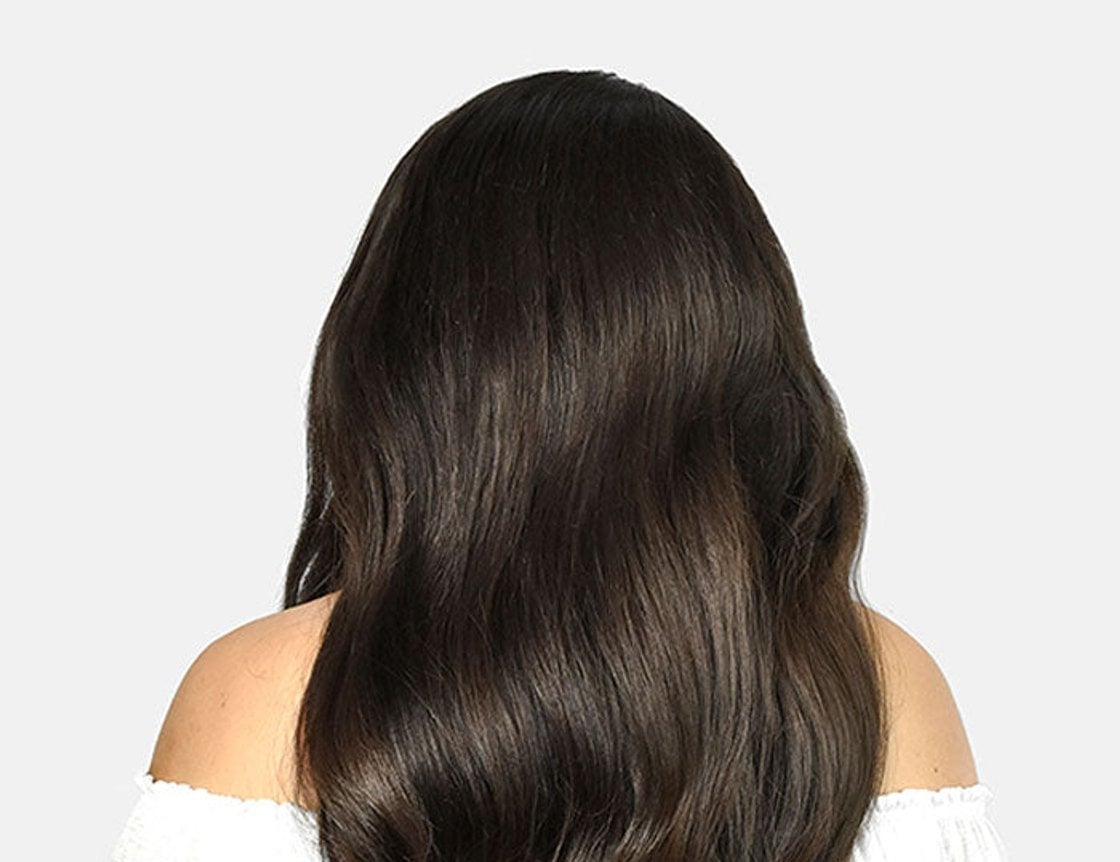
Choosing hair extensions is easier when you treat it as a fit problem rather than a trend problem. You need the right method for your routine, enough weight for your own hair and a shade that disappears into your lengths. This practical guide takes you through the decisions in order, using the Cliphair range as a useful place to start because it covers temporary and professional methods in real Remy human hair.
Start by deciding whether you want a same-day change or a longer-term salon appointment. Browse Cliphair’s extension categories with that answer in mind, then work through the steps below before you add anything to your basket.
Heads-up: we earn a commission from some links in this article. It never changes the price you pay.
Extension method for your weekly routine
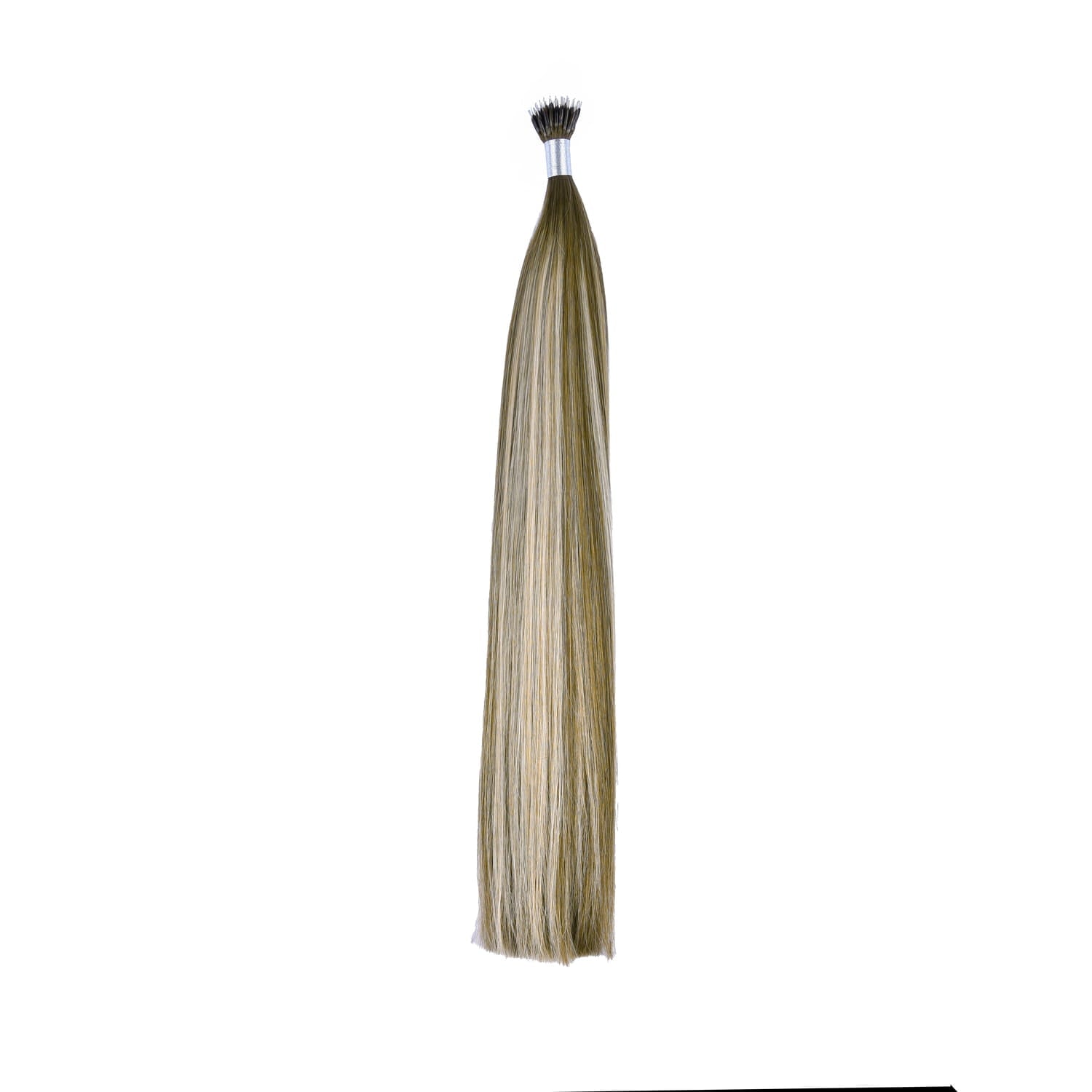
The best extension is the one you can realistically wear and maintain. Clip-ins are a flexible option for occasional length, fullness or an event. Tape wefts and tape-ins are fitted by a stylist and suit a more continuous look. Nano rings and bonded methods are also professional choices, so your first question should be how much commitment you want.
- For occasional styling: choose clip-ins or a halo that can be removed at night.
- For regular wear: ask a qualified stylist about tape, weft or ring methods.
- For a quick volume lift: consider a one-piece or ponytail format.
- For a salon transformation: compare the maintenance schedule before choosing the attachment.
The Cliphair catalogue makes this comparison straightforward, with clip-in, halo and permanent-extension collections alongside care accessories. If you are new to extensions, the hair extension buying guide is a useful second check before you book a fitting.
Extension weight for your natural density
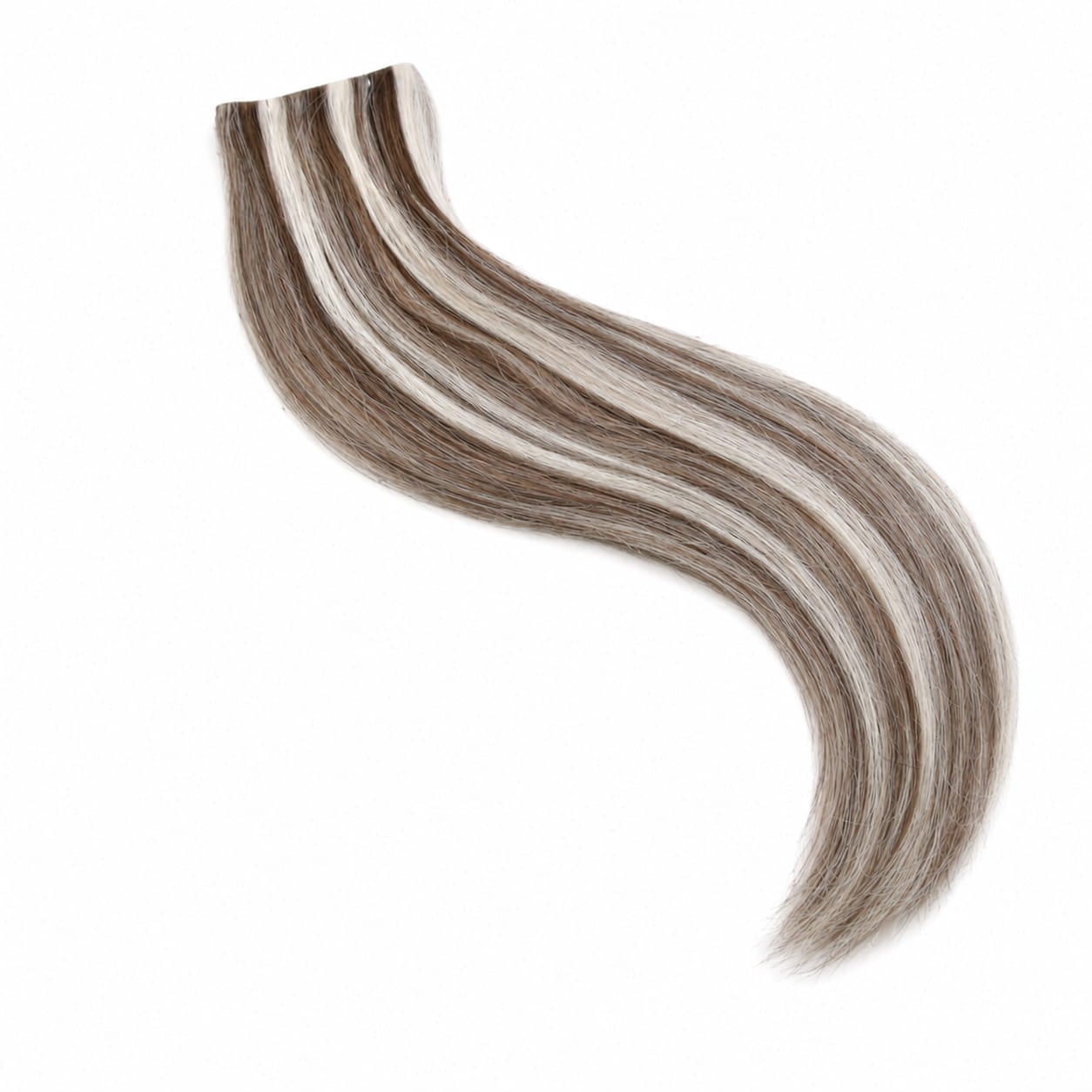
More hair is not automatically a better result. Match the extension weight to your natural density and the finish you want. Fine hair usually benefits from a lighter set placed carefully below the crown, while thick hair may need more grams or a double-wefted construction to blend at the ends.
For a dramatic change, the Ultra-Volume clip-in set is a sensible product to investigate. For a softer change, look at a smaller set or a halo. The most useful rule is to take a photograph of your own hair from the back and show it to a stylist before ordering.
Ask yourself three questions:
- Do I want length, thickness, or both?
- Will I wear my hair up as well as down?
- Can my natural hair support the chosen attachment comfortably?
That last question matters. Extensions should never feel painfully tight, tug at the scalp or make brushing difficult. A professional fitting is the right route for any method that stays attached beyond the day.
Extension colour for your mid-lengths and ends
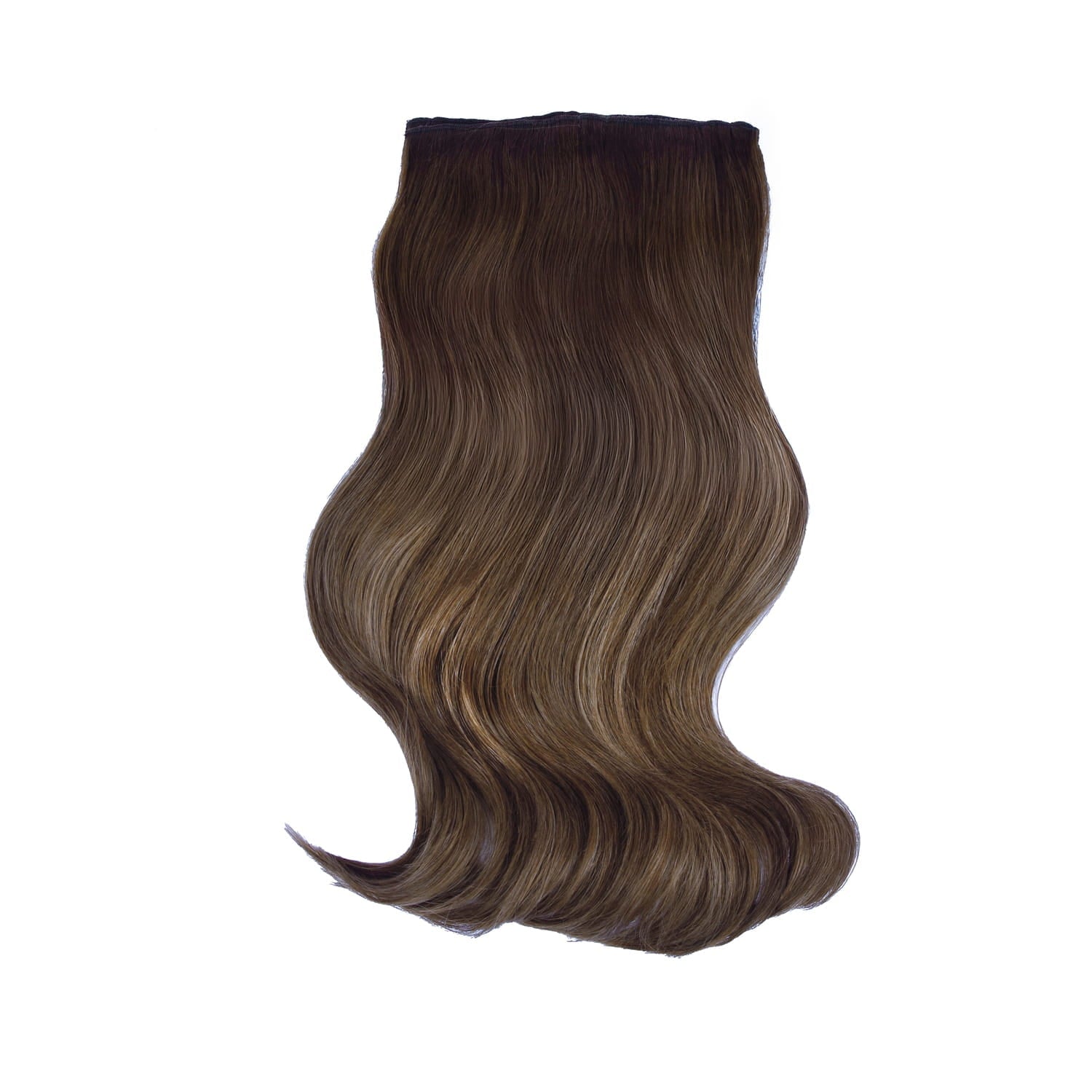
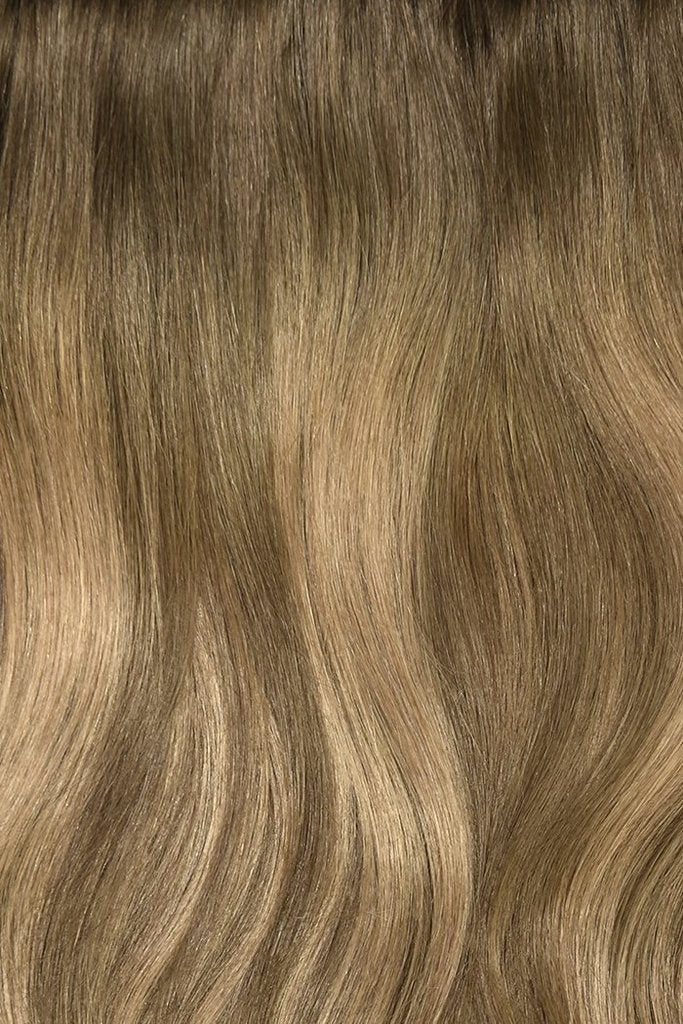
Colour is where a good extension becomes convincing. Compare the mid-lengths and ends of your hair, not only the roots. Balayage and blended shades can be especially forgiving because they echo more than one tone, while a solid colour needs a close match from top to bottom.
Cliphair offers a broad shade selection, including Oak Brondie, BlondeMe and Lightest Blonde. The Oak Brondie Tape Weft is a useful option for warm, dimensional brunette-blonde hair. The BlondeMe Tape Weft has the same 18, 20 and 22 inch length choices.
- Take your comparison photo in daylight.
- Remove filters, flash and coloured room lighting.
- Compare more than one strand if your hair is highlighted.
- Order a sample or use the brand’s colour-matching help when two shades look close.
Do not colour the extensions before checking the return terms. Human hair can be styled, but changing a carefully blended shade is a job best left to an experienced colourist.
Extension length for your finished style
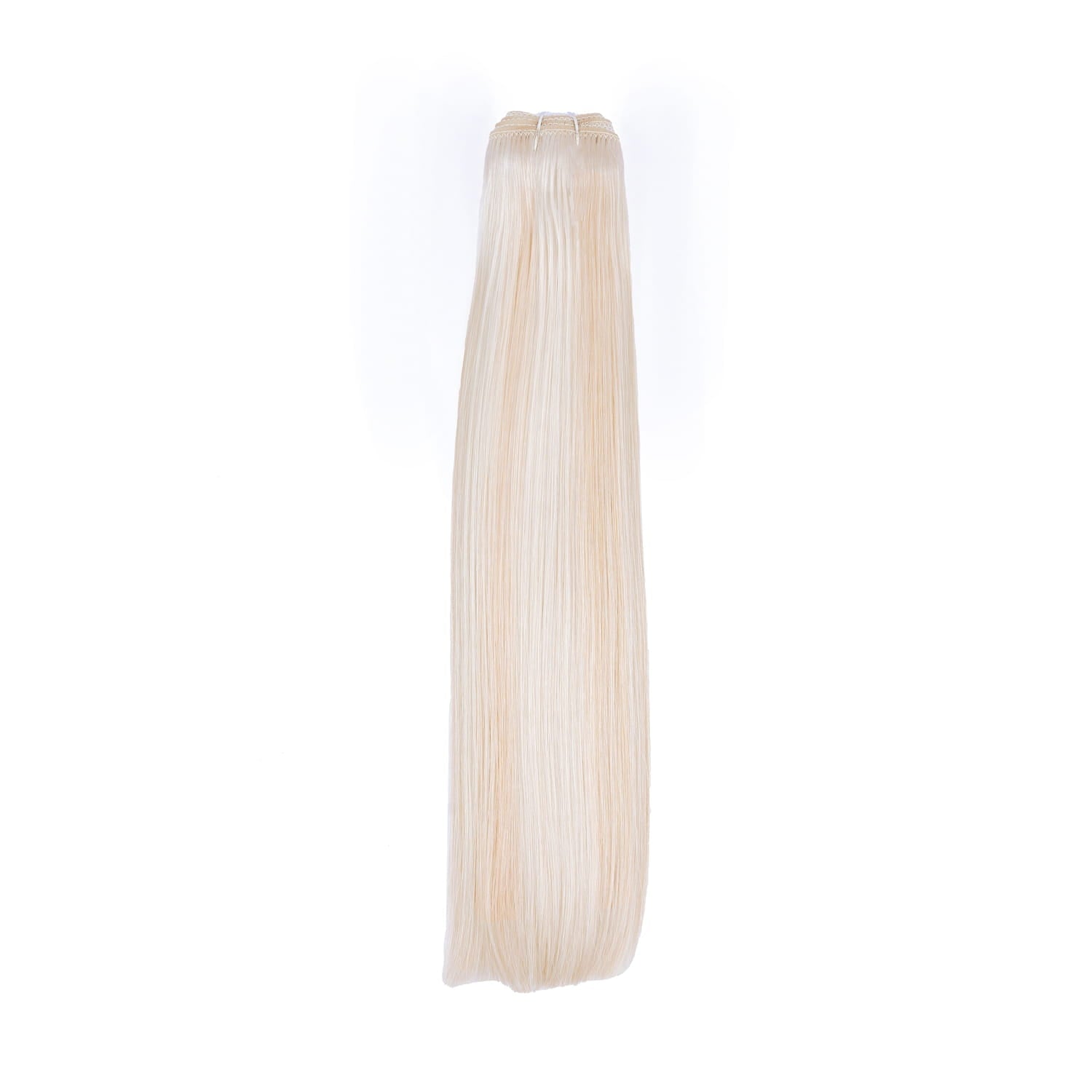
Measure from the point where the extension will sit to the finished length you want. Remember that waves and curls shorten the visible length. For tape wefts, 18, 20 and 22 inches are available, which gives you room to choose a believable finish rather than defaulting to the longest option.
The Lightest Blonde Tape Weft is a clean starting point for very light blonde hair. If your tone is cooler, the Light Ash Blonde Tape Weft provides a more specific direction. Both are made from 100% real Remy human hair, so they can be washed, brushed and heat-styled with the right care.
Use the product page to check the current variant, length and price before you commit. Prices can change, and the selected length may change the final cost. It is also worth comparing the full Cliphair colour range if your first shade is not quite right.
Extension fitting and aftercare
Clip-ins can be fitted at home after a little practice. Tape wefts, tape-ins, rings and bonds should be fitted and removed by a professional. A tape weft is cut to follow each section, then placed with its adhesive strip. That helps create fewer joins and less bulk, but only when the placement and tension are right.
Before the appointment, prepare by washing with a suitable shampoo and arriving with dry, product-free hair. After fitting, follow the care instructions and use tools designed for extensions. Keep conditioner away from attachment points, brush from the ends upwards and avoid sleeping with wet hair.
- Brush gently before washing and support the root with your free hand.
- Use a Cliphair extension brush or another suitable soft brush.
- Apply heat protection before styling and keep direct heat away from bonds or tape.
- Book maintenance when the attachment has grown away from the scalp.
Extension wear and storage routine
Decide when the extensions will be worn, how they will be styled and where they will be stored. Temporary pieces should be removed before bed and kept detangled in a dry place. A professional set needs a calendar reminder for maintenance, especially if you swim, exercise often or use heat tools regularly.
For a low-commitment test, a halo or clip-in gives you the chance to judge the colour and feel first. For a seamless everyday result, speak to a stylist about a fitted method. Cliphair’s range is useful here because you can start with one approach and find compatible care tools and alternatives in the same store.
Hair extension choices match your routine
Choose the attachment around your routine, the weight around your natural density, the shade around your mid-lengths and the length around your finished style. Then confirm the variant and current price, arrange professional fitting where needed and protect the hair with consistent aftercare. This sequence keeps the decision practical and makes it easier to see why Cliphair’s extension collection is a natural place to compare your options.
When you are ready, revisit the specific product pages, save your shade reference and take your daylight photo to the salon. A little preparation is what turns added hair into a polished, comfortable result.