

One World Observatory is easy to sell as a view, but that undersells the visit. I spent time comparing the ticket tiers, the included extras, the dining proposition and the practical details on the venue’s own site. The result is a polished Downtown Manhattan attraction with a real question at its center: do you need more than the skyline? Here is my evidence-led take on what the experience does well, where the premium is harder to justify, and which option I would choose.
The observatory occupies floors 100 to 102 of One World Trade Center at 117 West Street. The headline numbers are persuasive: the SkyPod elevator reaches the top in 47 seconds, and the venue lists daily hours of 9:00AM to 9:00PM, subject to seasonal change. Check the live One World Observatory ticket page before setting out, because arrival timing and fees matter here.
Heads-up: we earn a commission from some links in this article. It never changes the price you pay.
One World Observatory turns the ascent and view into a staged visit
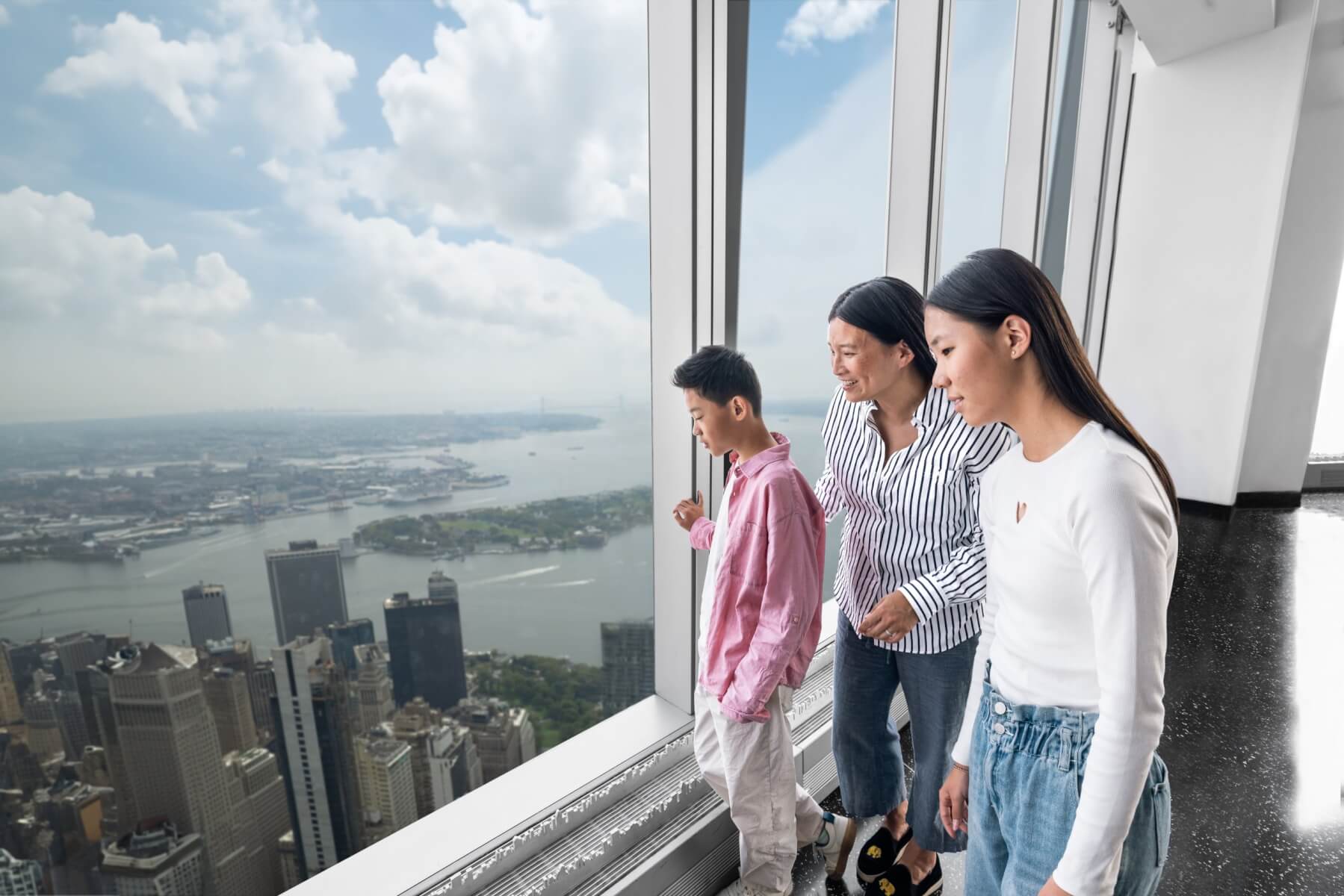
The strongest part of One World Observatory is the sequence, not simply the height. The SkyPod journey gives the ascent a sense of occasion, then the See Forever Theater and City Pulse layer a little New York history onto the view. That makes the attraction more considered than a quick glass-box photo stop. The view itself stretches across Lower Manhattan, the rivers and the wider city, while the indoor format is a useful advantage when the weather turns.
- Floors 100 to 102: a broad indoor outlook from One World Trade Center.
- SkyPod elevator: a 102-floor visual history of New York during the 47-second ride.
- See Forever Theater: a short, theatrical introduction before the main viewing areas.
- City Pulse: interactive storytelling that gives the skyline more context.
That context is the difference between a generic observation deck and an experience with a point of view. The trade-off is that the presentation can feel more programmed than spontaneous. If your only goal is to photograph the sunset, you may prefer spending the price of the Standard General Admission and keeping your schedule flexible.
One World Observatory ticket tiers add convenience and hosting
The current comparison moves from Standard to Combination, All-Inclusive and VIP Tour. The site notes an additional processing fee plus tax. Those options make the entry-level choice the cleanest baseline, but the upgrades become more interesting if you value queue control or plan to eat and shop onsite.
- Standard General Admission: the view, with no added privileges. Best for a straightforward first visit.
- Combination Ticket: adds priority entry, the One World Explorer digital skyline guide and spending credit at the cafe, bar, restaurant or gift shop.
- All-Inclusive Experience: adds priority entry, the digital guide, selectable arrival timing and spending credit onsite.
- VIP Tour: adds escorted entry and a 60-minute guided tour, alongside priority access and spending credit.
My practical pick is the Family Pack ticket option when travelling with four or more people, since the venue advertises 20% savings on four or more tickets. For a couple with a fixed itinerary, the Late Night Package is the more compelling experiment because the venue says visits after 8pm can save 50%. Always confirm the displayed terms and date before paying.

The VIP Tour & Dine Experience is the most distinctive package for a celebration. It combines guided access with dinner at ONE Dine, so it is not just a faster route to the windows. I would reserve it for visitors who actively want the hosted format. The extra structure is a benefit for some groups and a constraint for independent travellers who prefer to linger at their own pace.
ONE Dine extends the One World Observatory visit around the skyline
ONE Dine is an important part of the offer because it changes the timing of the visit. The restaurant describes its menu as seasonally inspired, and the room is designed around the skyline rather than hidden away as an afterthought. The VIP Tour & Dine details are the logical place to start for a special occasion, while the main ticket booking page is better for comparing a view-only visit.

There are sensible reasons to skip it too. Restaurant reservations add timing pressure, and the ticket is already a considered spend before food. I would choose the restaurant when the occasion matters, not because it is automatically the best value. If you do book dining, check availability separately and leave enough time for security and the elevator experience.
- Choose Standard for the cleanest view-first visit.
- Choose Combination if priority entry and a small onsite credit matter.
- Choose All-Inclusive if arrival flexibility and the credit will be used.
- Choose VIP Tour if the guided history and escorted flow justify the premium.

Does One World Observatory justify its fees and ticket upgrades?
Pros
- Exceptional central view with plenty to look at beyond the postcard angle.
- The SkyPod, theater and City Pulse make the visit feel curated.
- Several ticket levels let you pay for access, convenience or hosting.
Cons
- Processing fees raise the advertised starting price.
- The premium tiers only pay back if you use their credits or guided extras.
- Weather and visibility still determine how much the skyline delivers on the day.
Verdict: worth it, with the right ticket. One World Observatory earns its place on a New York itinerary because the visit has a beginning, middle and end, not just a tall building and a window. I would book Standard for a first-time budget-conscious visit, Combination for a busy family day, and VIP only when the tour or dinner is genuinely part of the plan. That is the honest value line: pay for the layer you will use, then let the view do the rest.

Before you go, confirm the current ticket price, check the available arrival choices, and review the venue’s latest booking terms. For groups, compare the Family Pack and ask about group offers. For evenings, verify the late-night availability. Those five checks take a minute and make the final price and pace much clearer.