


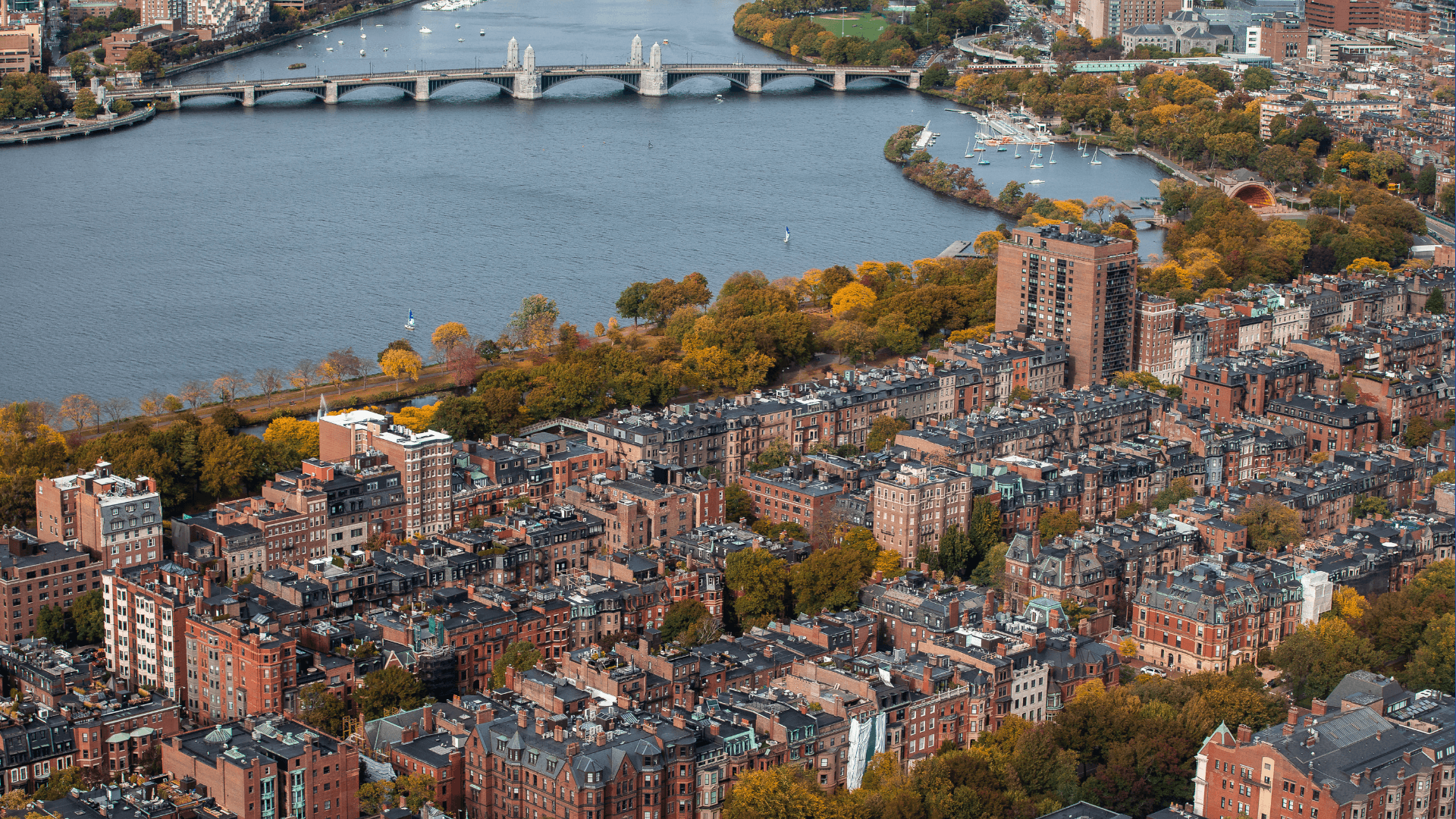
Boston is a city you can tour for days and still feel like you are missing the pattern. Streets bend, neighbourhoods change character in a few blocks, and the city’s most iconic landmarks do not always line up neatly from ground level. View Boston, located at the top of the Prudential Tower at 800 Boylston Street, is designed to solve that problem in a very specific way: by turning the skyline into a structured, three-level experience where context comes first, perspective comes second, and atmosphere comes last.
This is a technical and analytical look at the View Boston observation deck format: how it is organised, what each level is engineered to deliver, and where it sits in the wider observation-deck and premium-venue landscape. Where details are not verifiable from the provided materials, this article avoids hard claims and focuses on what is clearly established: the three-level layout, the immersive introduction, the indoor 360-degree deck, the open-air rooftop, and the Stratus craft cocktail bar.
Service Overview: What View Boston Offers
View Boston is a multi-level observation experience spanning three distinct levels across 52 stories of the Prudential Tower. Instead of functioning as a single viewing platform, it combines:
- “Sight Unseen”, an immersive multimedia introduction that frames the city’s story and geography.
- An indoor observation level with 360-degree views through floor-to-ceiling windows.
- An open-air rooftop deck paired with Stratus, a rooftop bar with curated cocktails, wine, and beer.
The value proposition is straightforward: a skyline view that is not just scenic, but interpretable. It is designed to help first-time visitors understand Boston’s layout, while still giving repeat visitors a reason to return for seasonal light, sunset timing, and rooftop ambience.
System Design: Three Levels, Three Functions
Most observation decks run on a simple model: elevator up, look around, elevator down. View Boston deliberately breaks that pattern. The experience is distributed across three levels, each tuned to a different visitor behaviour. This is not accidental. It is an experience-design strategy that supports pacing, reduces crowd pressure on any single floor, and increases the amount of time visitors spend engaged rather than waiting.
Level 1: Sight Unseen, the Context Layer
The visit begins with Sight Unseen, a walk-through immersive environment that uses projection mapping, spatial audio, and cinematic storytelling to introduce Boston’s history, culture, and neighbourhood identities. The point is orientation. A city view becomes far more compelling when you can name what you are seeing and understand how districts connect.
From a technical standpoint, this level also functions as a throughput tool. Immersive entry sequences can release visitors to upper levels in waves, which helps avoid the common observation-deck problem of crowd clustering at the best windows.
Operational insight: When an attraction includes an immersive pre-show, it is often doing two jobs at once: improving the narrative and smoothing visitor flow. Sight Unseen reads like it was designed with both outcomes in mind.
Level 2: Indoor Observation, the Analytical Core
The second level is the main observation deck. It is an indoor, climate-controlled space with floor-to-ceiling windows providing 360-degree views across Greater Boston. On this level, the city becomes legible: the Charles River’s curve, the density of Back Bay, the harbour line, and major landmarks that are difficult to connect from street level.
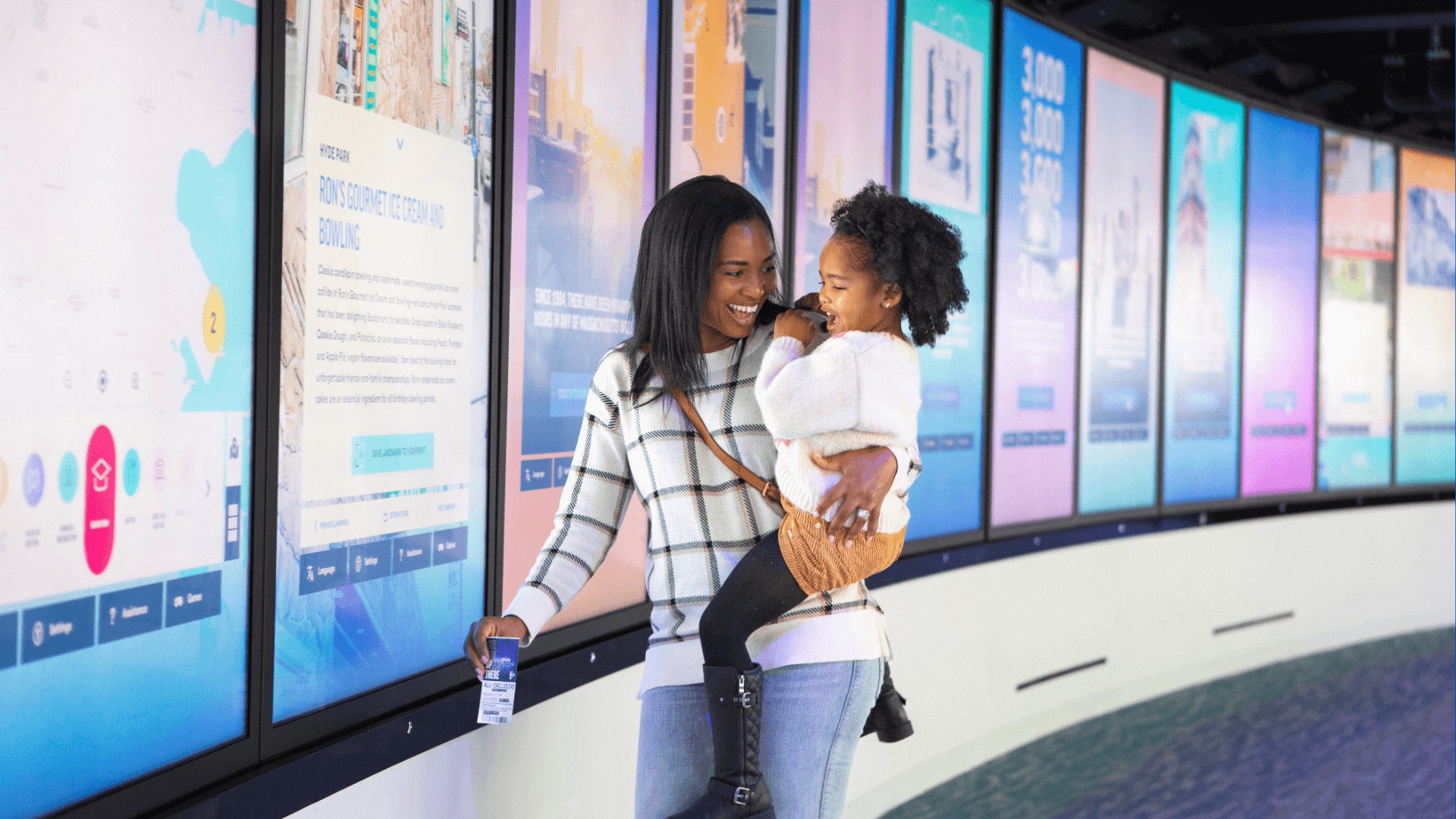
Key features described for this level include:
- Interactive digital displays that identify landmarks, neighbourhoods, and points of interest.
- Photo opportunity stations positioned for strong skyline angles.
- Climate-controlled comfort to support year-round visits.
- ADA accessibility across the observation floor.
For travellers, the indoor deck is the highest reliability component of the overall experience. Weather can reshape the rooftop level, but the indoor level is designed to deliver consistent viewing conditions and stable dwell time.
Explore View Boston Tickets and Experiences
Level 3: Open-Air Rooftop and Stratus, the Atmosphere Layer
The third level changes the sensory profile of the visit. The open-air rooftop deck is the highest publicly accessible outdoor viewing space in Boston. The difference between glass-separated viewing and open-air viewing is not subtle: wind, ambient sound, and temperature create a more immediate connection to the city.

Paired with the rooftop is Stratus, a craft cocktail bar serving curated drinks, wine, and beer in a lounge format. Importantly, beverages at Stratus are priced separately from general admission. From an experience-economy perspective, that separation is typical: admission purchases access and views, while hospitality purchases extend the visit and shift it into an evening setting.
Expert framing: Observation decks win on altitude. Modern decks win on sequencing. View Boston’s rooftop level is designed to be the “third act” that changes a daytime attraction into a night-out venue.
Seasonality: Why the Same Deck Feels Different Month to Month
Boston’s seasons are not decorative, they are operational. Visibility, daylight angle, and wind conditions can materially change what you experience at 52 stories. View Boston’s split between indoor and rooftop viewing creates a flexible model: the indoor observation deck provides reliability, while the rooftop adds a seasonal, time-of-day dependent premium.
In practical terms:
- Autumn tends to increase visual contrast across the cityscape, with foliage colour adding depth to the view.
- Winter can produce crisp light and strong visibility, while making the indoor deck especially valuable for comfort.
- Summer increases rooftop appeal as the open-air level becomes a social destination, especially near sunset.
Events and Venue Capability: Corporate and Private Functions
View Boston is also positioned as a premium venue for corporate events and private parties. This matters because it changes the business model. Attractions are often one-and-done. Venues are repeatable, high-margin, and calendar-driven.
Corporate event use cases
- Product launches and brand activations with flexible layouts.
- Team-building events supported by event coordinators.
- Client entertainment in an exclusive skyline setting.
- Presentations and meetings with AV and catering options.
Private party use cases
- Birthdays and milestone celebrations.
- Engagement parties and rehearsal dinners.
- Holiday gatherings and seasonal events.
- Food and beverage packages via dedicated partners.

The strategic advantage is structural: the skyline provides built-in impact. Many venues need heavy decor to feel special. Here, the view does that work by default, allowing event planning to focus on program, lighting, and guest flow rather than transformation.
Enquire About Private Events and Corporate Bookings
Comparative Analysis: How View Boston Stacks Up
View Boston’s competitive position is best explained by what it does not do. It does not chase extreme height. Instead, it builds a three-part experience: narrative, observation, rooftop hospitality. That structure aligns it more closely with modern flagship decks in major cities, while remaining uniquely Boston in content and placement.
| Feature | View Boston | Top of the Hub (Former) | Edge NYC | One World Observatory |
|---|---|---|---|---|
| Height | 52 Stories | 52 Stories | 100+ Stories | 102 Stories |
| Multi-Level Experience | Yes – 3 levels | No – single level | Yes – 2 levels | Yes – 3 levels |
| Immersive Tech Intro | Yes (Sight Unseen) | No | No | Yes |
| Open-Air Rooftop | Yes | No | Yes | No |
| On-Site Bar | Yes (Stratus) | Yes | Yes | Yes |
| Primary Differentiator | Storytelling plus rooftop finish | Dining-led legacy format | Outdoor thrill architecture | Iconic altitude and immersion |
Key finding: View Boston’s advantage is the combination of a narrative introduction, a comfortable indoor 360-degree deck, and an open-air rooftop social layer. In Boston’s market, that trio is a meaningful differentiator.
Pros and Cons: A Clear-Eyed Assessment
Pros
- Three-level structure that creates progression and reduces single-floor crowd pressure.
- Sight Unseen adds cultural and geographic context, improving the quality of the view.
- Indoor climate control supports year-round visits.
- Open-air rooftop adds a premium sensory experience.
- Stratus bar extends dwell time and shifts the experience into an evening format.
- ADA accessibility across the venue.
- Event versatility for corporate and private bookings.
Cons
- Rooftop access is weather-dependent and may be limited in severe conditions.
- Peak periods can be busy, affecting pacing and window access.
- Stratus purchases are separate from general admission.
- 52 stories is modest compared to global mega-tall decks, even if it is highly competitive locally.
- Timed entry can require planning during high-demand windows.
Practical Visitor Details
| Address | Prudential Tower, 800 Boylston Street, Boston, MA |
| Transit | Prudential Station (Green Line E Branch) |
| Experience | 3 levels: immersive intro, indoor observation, rooftop deck |
| Dining | Stratus Rooftop Bar (separate pricing) |
| Accessibility | ADA accessible |

Conclusion: The Engineered Advantage
View Boston is best understood as an engineered experience rather than a single viewpoint. Its three-level design creates a clear sequence: a narrative introduction that improves comprehension, an indoor 360-degree observation floor that delivers reliability and clarity, and a rooftop hospitality layer that changes the emotional tone of the visit.
For first-time visitors, that sequence makes Boston easier to understand. For locals, the rooftop and Stratus provide a reason to treat the skyline as an evening destination rather than a one-time attraction. For planners, the venue’s built-in spectacle offers rare efficiency: the skyline does the heavy lifting, and the event program can focus on guest flow, lighting, and service.
Plan Your View Boston Experience
Category: Travel and Experiences
Tags: Boston, Observation Deck, Prudential Tower