

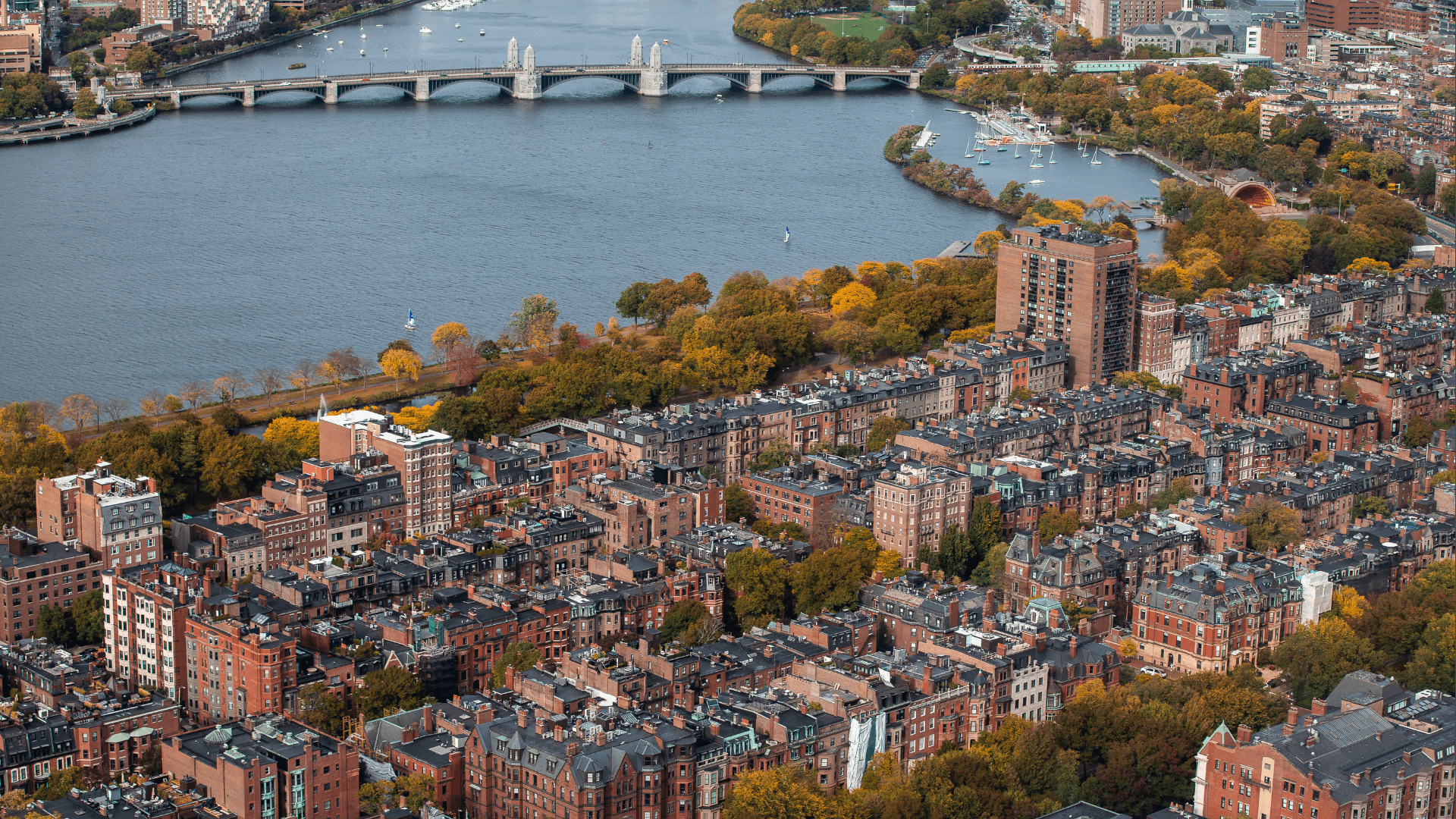

Boston has always rewarded anyone willing to look up: a skyline stitched with church spires, modern glass, and the stubborn geometry of old neighborhoods. View Boston, located at the top of the Prudential Tower at 800 Boylston Street, takes that instinct and turns it into a structured, three-level visitor experience designed for both emotion and efficiency. It is not just a viewing platform. It is a sequence: story first, then perspective, then atmosphere.
This branded, technical analysis focuses on what View Boston is built to do, how the experience is organized across its levels, and where it fits within the broader category of observation decks and premium event venues. The goal is clarity: what you get, how it works, and how to plan a visit that feels deliberate rather than rushed.
What View Boston Is, in Practical Terms
View Boston is a multi-level observation attraction spanning three distinct levels across 52 stories of the Prudential Tower. It combines an indoor 360-degree viewing environment, an open-air rooftop deck, and an immersive introduction called Sight Unseen that frames the city’s geography and history before you step up to the glass.
In the observation deck market, that sequencing matters. Many decks rely on the view alone. View Boston treats the view as the climax, with structured pacing that helps first-time visitors understand what they are looking at and helps frequent travelers find new angles. The result is an attraction that works equally well for someone visiting Boston for the first time and for a local who wants a fresh perspective on a familiar skyline.
The Three-Level Architecture: Experience Design You Can Feel
The best way to evaluate View Boston is to treat it like a system. Each level has a purpose, and the transitions between them are part of the product. The progression from immersive storytelling to panoramic viewing to open-air atmosphere is not accidental — it reflects deliberate experience design that moves visitors through emotional states, not just physical spaces.
Level 1: Sight Unseen, the Immersive Orientation Layer
Before you see the skyline, you move through “Sight Unseen”, a multi-sensory, technology-driven experience that introduces Boston through projection mapping, spatial audio, and cinematic storytelling. The point is not spectacle for its own sake. It is context. Boston’s neighborhoods can feel dense and similar at street level, especially to visitors. This first layer gives you a mental map so the skyline reads like a narrative instead of a grid.

There is also a functional advantage: an immersive pre-show can absorb guest flow and reduce bottlenecks on the viewing levels. In peak visitor periods, that kind of design choice is the difference between “busy” and “unpleasant.” For families with children, the multi-sensory format also provides genuine engagement before the more contemplative experience of the upper levels.
Level 2: Indoor Observation, the Analytical Core
The second level is the classic observation deck experience done at modern standards: floor-to-ceiling windows and 360-degree views across Greater Boston. It is climate-controlled, which is not a minor detail in a city where wind and temperature can change quickly.
- Interactive digital displays that identify landmarks and points of interest
- Photo opportunity stations positioned for key skyline angles
- Year-round comfort due to the indoor environment
- ADA accessibility integrated throughout the observation floor
From this height, Boston becomes legible. You can locate Fenway Park, trace the Charles River, and read the city’s layout as a sequence of districts rather than isolated attractions. This is the level that rewards slow looking. If you want the “I finally understand Boston” moment, it tends to happen here.

Level 3: Rooftop Deck and Stratus, the Atmosphere Layer
The third level is where View Boston becomes more than sightseeing. The open-air rooftop deck adds a sensory dimension: wind, ambient city sound, the temperature shift at height, and the subtle feeling that the skyline is not behind glass anymore. Paired with this is Stratus, a rooftop bar offering craft cocktails, wine, and beer in a lounge-like setting.
Technically, the rooftop also changes the photography. Indoor glass can introduce reflections. Open air typically produces cleaner shots, especially around golden hour. If you are visiting with photography in mind, timing your arrival so that sunset coincides with your rooftop access window is worth planning ahead for.

Planning note: The rooftop is the most weather-sensitive part of the experience. If outdoor access matters to you, consider checking conditions and choosing a time window that aligns with calmer wind and clearer visibility.
If you want to align the experience with sunset, the rooftop level is where the mood shifts from “tour” to “evening.”
Check View Boston Ticket Options
Seasonality and Why It Matters at 52 Stories
Observation decks are often marketed as evergreen, but Boston is a city where seasonal changes are dramatic and visible. View Boston’s mix of indoor and outdoor space means the experience can be optimized by season, not just by schedule.
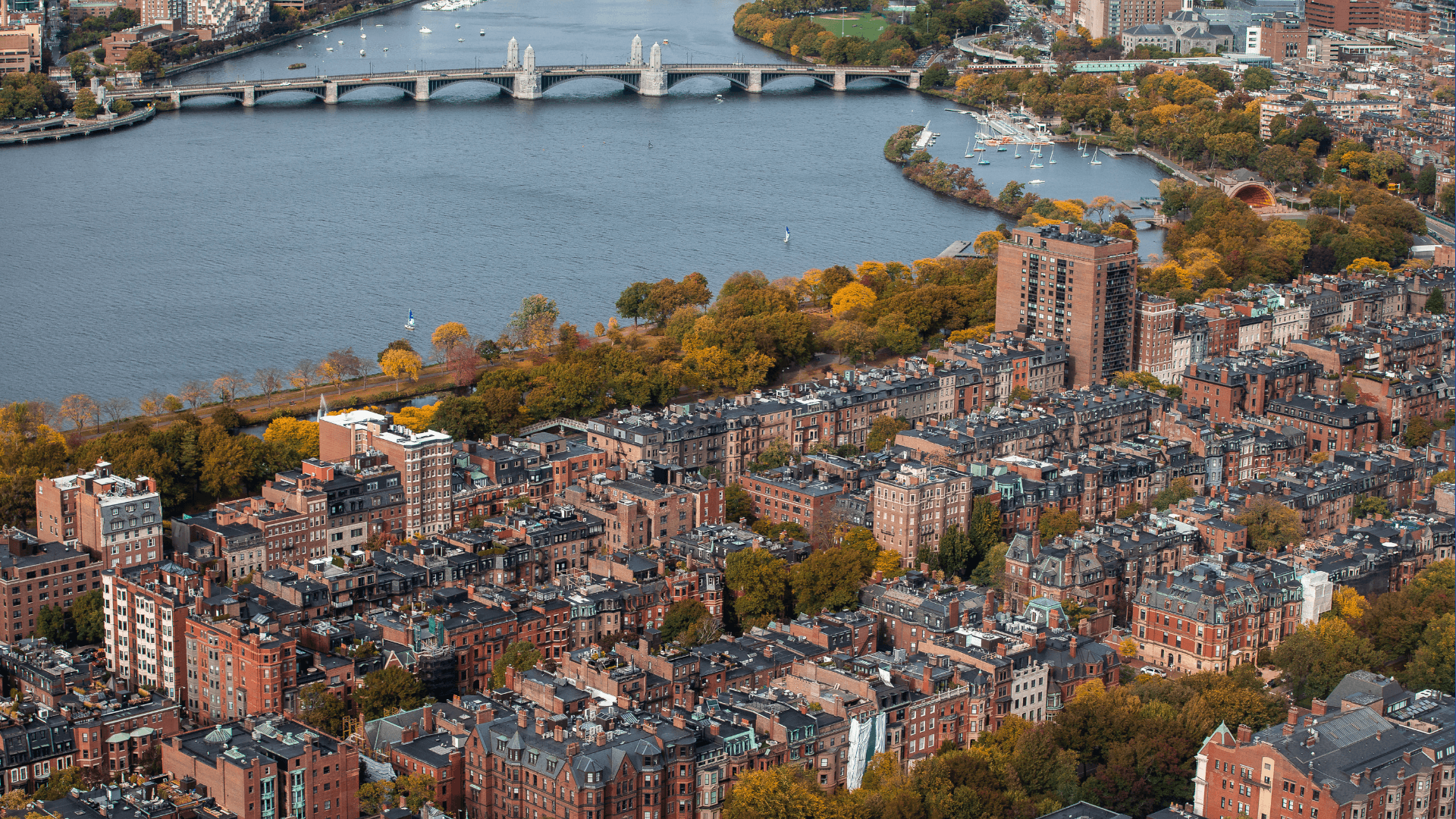
Fall visibility and foliage can make the indoor observation level feel unusually vivid.

A climate-controlled deck becomes a real asset when the city is cold and bright.
From an analytical perspective, the indoor level stabilizes the experience year-round, while the rooftop level turns seasonality into a feature. In summer it becomes social. In winter it becomes selective. Spring and autumn each bring their own visual character — softer light in April and May, high-contrast foliage in October. That flexibility is part of what makes View Boston feel like a venue, not just an attraction.
Event Capability: Why View Boston Functions Like a Venue
View Boston is also positioned for corporate events and private parties. The skyline is not just background. It is built-in production value, which changes the economics of event planning. You spend less effort creating a “wow” factor because the room already provides it.
Corporate events: use cases and operational strengths
- Product launches and brand activations with customizable layouts
- Team-building events supported by dedicated coordinators
- Client entertainment in a high-impact setting
- Presentations and meetings with AV and catering options
Private parties: celebrations with built-in atmosphere
- Birthdays and milestones
- Engagement parties and rehearsal dinners
- Holiday gatherings
- Food and beverage packages via dedicated partners

Editorial perspective: The strongest venues do not just provide square footage. They provide a narrative. At View Boston, the narrative is the city itself, visible from every angle.
How View Boston Compares to Other Observation Experiences
Comparison is useful because it clarifies what View Boston is optimized for. It is not competing on extreme height. It is competing on layered programming and Boston-specific context.
| Feature | View Boston | Top of the Hub (Former) | Edge NYC | One World Observatory NYC |
|---|---|---|---|---|
| Height | 52 Stories | 52 Stories | 100+ Stories | 102 Stories |
| Multi-Level Experience | Yes, 3 levels | No, single level | Yes, 2 levels | Yes, 3 levels |
| Immersive Tech Intro | Yes, Sight Unseen | No | No | Yes |
| Open-Air Rooftop | Yes | No | Yes | No |
| On-Site Bar | Yes, Stratus | Yes | Yes | Yes |
| Primary Differentiator | Boston narrative plus rooftop | Dining-led legacy format | Extreme outdoor architecture | High-rise immersion |
Key takeaway: View Boston’s advantage is not height. It is the combination of a guided narrative layer, a comfortable indoor 360-degree deck, and an open-air rooftop finish that changes the emotional tone of the visit.
Pros and Cons: A Clear-Eyed Assessment
Pros
- Three levels create a sense of progression and value
- Sight Unseen adds educational depth and improves orientation
- Indoor viewing supports year-round visits
- Open-air rooftop is a standout in the Boston market
- Stratus turns the visit into a social, hospitality-led experience
- ADA accessibility integrated throughout
- Event versatility for corporate and private formats
Cons
- Rooftop access depends on weather and may be limited during severe conditions
- Peak-hour crowding can affect pacing on busy weekends and holidays
- Drinks at Stratus are separate from admission
- 52 stories is modest compared with ultra-tall global decks
- Timed entry may require advance planning at high demand
Visitor Logistics: What to Know Before You Go
From a planning standpoint, View Boston is straightforward. It is located in Back Bay, within the Prudential Center complex, and is accessible via the Green Line at Prudential Station. The most important variable is timing: choose a window that matches your priorities, whether that is daylight clarity, sunset color, or nighttime city lights.

The three-level structure helps different visitor types move at their own pace.

At height, Boston’s neighborhoods read like a map, not a mystery.
Tickets are available online in advance, and booking ahead is strongly recommended for weekend visits and during peak tourist seasons — particularly summer and fall. The experience is fully accessible, making it a practical choice for visitors with mobility considerations. Audio guides and digital wayfinding are available on the observation floor to support independent exploration.
Bottom Line: Who View Boston Is Best For
View Boston is built for visitors who want more than a quick photo. The experience is layered enough for first-timers who need context and refined enough for repeat travelers who care about atmosphere. It also functions as a premium venue for events, where the city itself becomes part of the program.
If your benchmark is the tallest deck in the world, View Boston is not trying to win that contest. If your benchmark is a well-designed, modern, Boston-specific observation experience that combines narrative, comfort, and a rooftop social finish, it is positioned strongly. For travelers who want to understand the city from the outside in, it delivers both the view and the vocabulary to read it.
Plan Your Visit to View Boston
Explore Private Events and Corporate Bookings
Category: Travel and Experiences
Tags: Boston, Observation Deck, Prudential Tower