

Teeth whitening sits at an unusual intersection of beauty, materials science, and daily habit. It is cosmetic, yet it depends on real chemistry. It is accessible, yet it can be misused. And it is instantly visible, which is why it continues to move from dental offices into bathroom cabinets.
This guide takes a technical and analytical look at professional grade at home whitening through Direct Teeth Whitening, with a focus on three major systems people actually use: Crest 3D Whitestrips, Philips Zoom, and Pola by SDI. The goal is not hype. It is clarity. If you understand what peroxide is doing, how delivery systems change outcomes, and why sensitivity happens, you can choose a protocol that fits your teeth, your schedule, and your risk tolerance.
Editor’s note: Whitening is not one product category. It is a set of delivery methods for the same core reaction. The difference between a good result and a frustrating one is often contact time, fit, and consistency, not “stronger is better.”
Category and scope
Category match: Beauty and Personal Care, Oral Care.
The products discussed here are designed for extrinsic stains from coffee, tea, red wine, and normal aging. Intrinsic discoloration from tetracycline staining, fluorosis, trauma, or deep dentin changes may not respond as predictably and often requires a dentist led plan. Any crowns, veneers, or composite bonding will not whiten, which matters when planning a uniform shade.
The core chemistry: hydrogen peroxide vs carbamide peroxide
Most whitening products rely on peroxide chemistry to oxidize stain molecules called chromogens. The two most common actives are hydrogen peroxide and carbamide peroxide.
- Hydrogen peroxide (HP) is the direct bleaching agent. It penetrates enamel and oxidizes chromogens. Consumer and professional take home products often vary by concentration and exposure time.
- Carbamide peroxide (CP) breaks down into hydrogen peroxide and urea. It releases peroxide more slowly, which is why it is frequently used for longer wear protocols such as trays used for hours.
A useful conversion for comparing labels: 10% carbamide peroxide yields about 3.5% hydrogen peroxide. This is why CP products can be worn longer with a steadier release, while HP products are often used in shorter sessions.
Delivery systems matter as much as concentration
Two products with similar peroxide levels can perform very differently depending on how well the gel stays against the tooth and how evenly it spreads. In practice, outcomes depend on:
- Contact time – how long peroxide stays in effective contact with enamel.
- Coverage – whether the gel reaches the visible tooth surfaces without flooding the gums.
- Consistency – whether you can realistically follow the schedule for 10 to 20 sessions.
- Sensitivity controls – additives like ACP, fluoride, or desensitizers, and the ability to choose a slower protocol.
Crest 3D Whitestrips: strip engineering and predictable compliance

Crest 3D Whitestrips are designed around a simple advantage: a thin, flexible strip can deliver a controlled layer of peroxide gel directly to the tooth surface. The format removes the learning curve of syringes and trays, which is why strips often win on compliance. If people actually finish the course, results tend to be more consistent.
Crest also emphasizes adhesion. The brand’s Advanced Seal approach is meant to reduce slipping, which matters because even small shifts can create uneven whitening bands. In a strip system, mechanical stability is the difference between uniform oxidation and patchy results.
Technical snapshot: Crest 3D Whitestrips
| Specification | What it means in practice |
|---|---|
| Active | Hydrogen peroxide based whitening |
| Session duration | Commonly 30 to 60 minutes depending on kit |
| Course length | Often 10 to 22 days depending on intensity |
| Delivery | Pre dosed strip with adhesive grip for direct enamel contact |
| Best fit for | People who want a repeatable routine with minimal setup |
Within the Crest line, the difference between “everyday” and “intensive” kits is usually a mix of peroxide loading and total exposure time across the whole course. If you are prone to sensitivity, a slightly longer course with less intensity per session can feel easier to tolerate.
Highlighted selection logic: If you value predictability and want the least setup, strips are the cleanest workflow. If you value maximum customization, trays and gels provide more control.
Philips Zoom: tray based whitening with sensitivity aware formulation

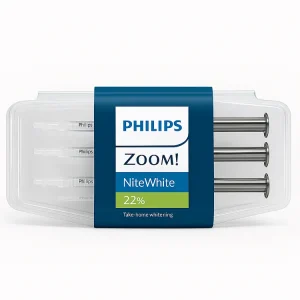
Philips Zoom is closely associated with dental office whitening, but its take home systems are built around a different strength: controlled exposure through trays. Trays can deliver gel more evenly across tooth surfaces, especially if the fit is good, and they can support longer wear times for steady oxidation.
One of Philips Zoom’s most discussed technical differentiators is the use of amorphous calcium phosphate (ACP) in certain formulations. ACP is used to support enamel comfort by helping block dentinal tubules, the microscopic pathways that can transmit sensitivity during whitening. While no additive eliminates sensitivity for everyone, this kind of formulation decision is meaningful when comparing systems for frequent use.
How LED acceleration fits into the Philips and Crest ecosystem
Some whitening kits incorporate LED light. The basic claim is acceleration: blue light can speed peroxide breakdown into reactive oxygen species. In practice, results depend on the full system. A light cannot compensate for poor gel contact, but it may enhance a well designed protocol by improving reaction efficiency during the session.
The key is to treat LED as a multiplier, not a replacement. If you are inconsistent with sessions, the light does not solve that. If you have good compliance, it can help tighten timelines.
Pola by SDI: professional dental materials mindset

Pola is produced by SDI, a company known for dental materials. That heritage shows up in formulation choices: Pola gels are often discussed in terms of pH management, water content, and the inclusion of agents intended to reduce discomfort while maintaining performance.
From a buyer’s perspective, Pola is attractive when you want a more customizable pathway. The line typically includes day style hydrogen peroxide options and night style carbamide peroxide options, allowing you to choose intensity and wear time based on your tolerance.
- Pola Day – generally positioned for shorter wear windows using hydrogen peroxide.
- Pola Night – typically carbamide peroxide, designed for longer wear.
- Pola Rapid – designed for accelerated results with shorter sessions.
One technical concept worth highlighting is pH stability. Peroxide reactions can trend acidic, and lower pH environments can increase temporary enamel softening. Brands that buffer gels toward neutral pH are attempting to reduce that side effect. This is not a magic shield, but it is a rational design target.
Where an electric toothbrush fits: stain prevention as maintenance

Whitening is the active phase. Maintenance is everything that keeps stains from returning quickly. A higher performance electric toothbrush can help reduce plaque and surface buildup that traps pigments. It will not change intrinsic tooth color, but it can reduce the speed at which new discoloration forms.
For an analytical routine, consider this simple sequence: whitening course, then a maintenance plan that focuses on daily plaque control, lower staining exposure, and periodic touch ups rather than continuous high intensity whitening.
Comparison: which system fits which lifestyle?
| Criteria | Crest 3D Whitestrips | Philips Zoom | Pola by SDI |
|---|---|---|---|
| Delivery method | Adhesive strips | Tray and gel system, sometimes paired with light | Tray and gel system with day or night options |
| Control and customization | Low to medium | Medium to high | High |
| Setup burden | Very low | Moderate | Moderate |
| Sensitivity strategy | Protocol selection and spacing sessions | Formulations may include ACP in certain gels | Often positions pH balance and desensitizing support |
| Best for | Busy schedules and first time whitening users | People who want a more clinical style system | People who want flexible day and night protocols |
Pros and cons: professional grade at home whitening
Pros
- High efficiency for extrinsic stains when used consistently.
- More accessible than in office whitening for many budgets and schedules.
- Multiple delivery formats so you can choose strips, gel trays, or light assisted kits.
- Protocol control through session timing, spacing, and intensity selection.
Cons
- Sensitivity can occur, especially with intensive protocols or dehydration during sessions.
- Uneven results are possible if strips shift, trays fit poorly, or gel placement is inconsistent.
- Restorations do not whiten, which can create shade mismatch.
- Not all discoloration types respond, especially deeper intrinsic staining.
Practical protocol tips that improve outcomes
Without offering medical advice, there are a few operational principles that tend to make whitening more predictable:
- Start with clean surfaces – brush and floss beforehand so peroxide contacts enamel, not plaque film.
- Do not rush intensity – if sensitivity appears, space sessions and consider a lower intensity kit.
- Watch the margins – keep gel off gums when using trays to reduce irritation.
- Plan around staining – reducing coffee, tea, and wine during the course helps preserve early gains.
- Think in phases – a whitening course, then maintenance, then touch ups as needed.
Direct Teeth Whitening as a curated retailer
Direct Teeth Whitening positions itself as a specialist retailer rather than a general marketplace. For technical buyers, that can matter. You are not sorting through thousands of low transparency listings. You are comparing a tighter set of known systems across strips, gels, and light paired kits.
Browse Direct Teeth Whitening Collections
Two LED assisted Crest options worth understanding

LED assisted kits are designed for people who want the familiarity of strips with an added acceleration step. The rational way to evaluate them is not “does light work” in isolation, but “does this system help me complete the course with better efficiency.” If the light makes sessions feel more purposeful and helps you stick to the schedule, it can be a practical advantage.

Short course kits can be useful when you have an event timeline, but they tend to concentrate exposure into fewer sessions. The tradeoff is that faster protocols may increase the probability of sensitivity for some users. If you are sensitive, a longer, steadier course often feels smoother.
Conclusion: choose the system that you will actually finish
At home whitening has matured into an evidence driven category where delivery mechanics, formulation strategy, and user behavior converge. Crest 3D Whitestrips excel in frictionless consistency. Philips Zoom leans into a more clinical tray based approach with sensitivity aware formulation cues like ACP in certain gels. Pola by SDI offers a materials science mindset and protocol flexibility across day and night style options.
If there is one analytical takeaway, it is this: the best whitening system is the one you can execute correctly for the full course. That means choosing a format that fits your routine, then selecting intensity based on how your teeth respond, not on maximal numbers.
Check Current Whitening Kits and Bundles
Informational content only. People with significant sensitivity, gum disease, untreated cavities, or extensive restorations should consult a dental professional before starting a whitening regimen.