
The human spirit is eternal and in a world that is usually characterized by segregation and suffering, the human spirit finds comfort and encouragement in the expression of compassion and unity. What motivates individuals and organizations to commit themselves to reducing suffering and creating hope in the midst of great adversities? It is usually a deep sense of common humanity and the inherent wish to make a concrete impact in the lives of the most needy, and turn despair into strength.
The analysis of the environment of the global humanitarian assistance shows the significant role of the organizations that are devoted to meeting the complex needs of vulnerable groups. These initiatives are both short-term disaster response and long-term development to rebuild dignity, offer necessities, and enable communities to create brighter futures. The breadth of this work highlights the intricate nature of the interaction between crises and the critical role of long-term, efficient intervention.
Learn about the Effect of Muslim Aid
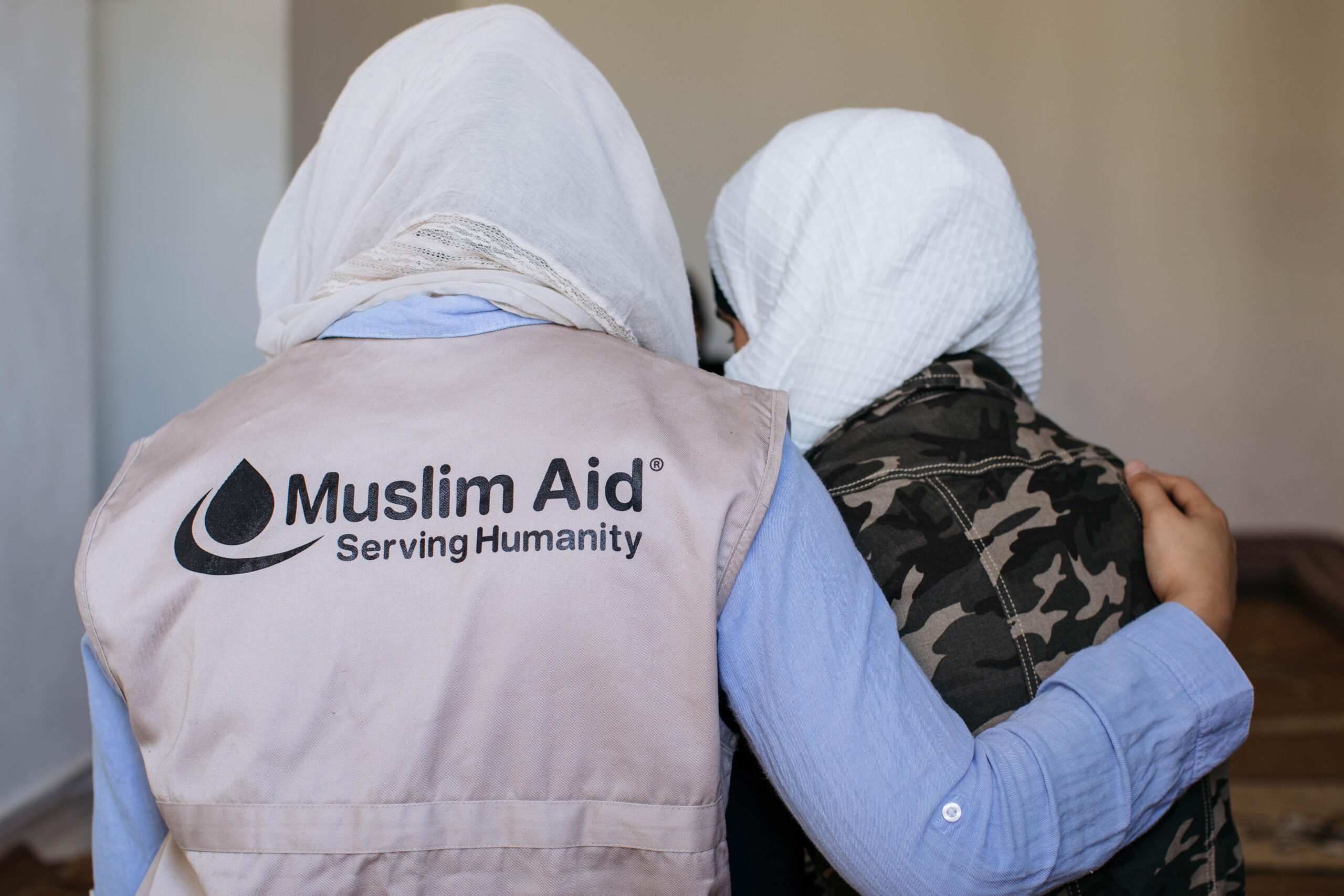
Over the decades, Muslim Aid has been a ray of hope and has been offering life-saving aid to communities all over the world who are struggling to cope with the impact of natural calamities, war, and abject poverty. Muslim Aid is a charity organization that was established on values of compassion, justice, and service with the mission of alleviating suffering and empowering people to overcome hardship, which is in line with the teachings of mercy and generosity.
The company has a strong ethos of humanitarianism, which aims at offering not only short-term relief but also long-term solutions that can help promote long-term well-being. Muslim Aid is a supporter of the idea that all people should have the right to live without deprivation, hunger, and injustice. Their work is a testament of their commitment to serve humanity, which makes them a reliable partner in global humanitarian activities.
Emergency Relief and Humanitarian Aid: Speedy and Compassionate Response to Crises
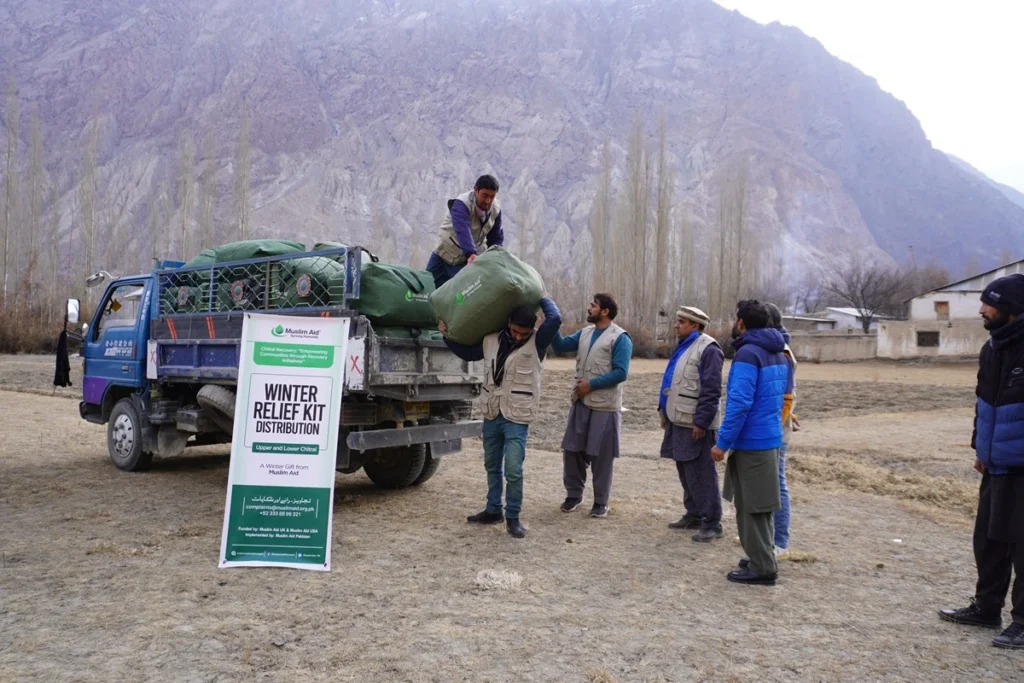
The first thing that usually follows a disaster or a conflict is usually a scene of destruction where the basic needs are very limited and lives are at stake. Muslim Aid is on the frontline to deliver effective and timely emergency relief, and get the much needed aid to those in need. Their quick response is very important in alleviating the effects of unexpected disasters.
- Disaster Response: Rapid response to areas affected by natural disasters including earthquakes, floods, and droughts, and supplying them with basic needs such as food, water, shelter, and medical help.
- Conflict Zones: Providing humanitarian aid in conflict zones, focusing on the safety and well-being of civilians in the crossfire, providing shelter and nourishment.
- Palestine and Gaza: The response to the urgent needs caused by the unceasing crisis, where starvation is a vivid reality, in Muslim Aid, food, medical assistance, and psychological support are offered to vulnerable groups.
- Yemen Crisis: Helping millions of the poorest and most vulnerable individuals in Yemen who are suffering greatly, providing life-saving aid in the form of healthcare, nutrition, and sanitation.
- Afghanistan Earthquake Emergency: Response to such disastrous occurrences through offering instant relief to thousands of victims injured and displaced, emergency food supplies, clean water and essential medical supplies to the affected communities.
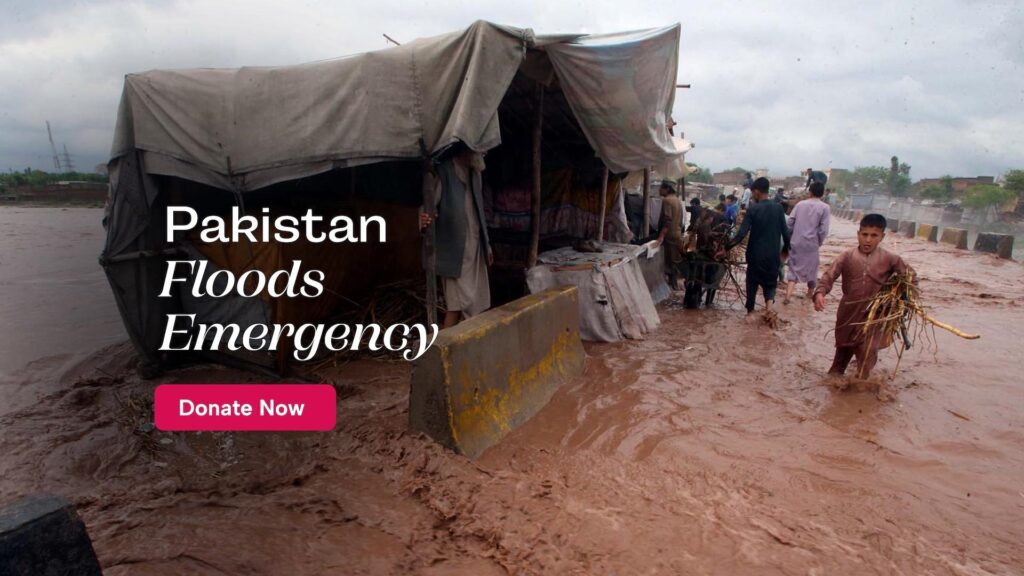
- Pakistan Floods Emergency: Providing urgent assistance to millions of people affected by massive floods, with a priority on shelter, clean water, sanitation facilities, and healthcare to avoid outbreaks of diseases and reduce suffering.
The vast network and the field teams of the organization allow them to reach difficult areas to provide aid to those who need it the most. Such a promise makes sure that all donations are used to provide a physical help, a lifeline in the most desperate moments.
Zakat: Discharging a Pillar of Faith to Reduce Suffering
One of the five pillars of Islam is Zakat, which is a worship and a basic instrument of social justice, which redistributes wealth to help the needy and reduce poverty. Muslim Aid also supports the distribution of Zakat in an upright and transparent manner so that these mandatory charity donations can reach the needy and make the greatest impact.
- Eligibility and Distribution: Muslim Aid carefully selects and checks the recipients who qualify to receive Zakat which includes the poor, the needy, debtors and travelers and make sure that they follow the Islamic principles.
- Annual Distribution: The organization gives out large sums of Zakat annually, giving tens of thousands of people in the UK and abroad life-changing support to help them fulfill their basic needs and enhance their livelihoods.
- Calculator and Guide to Zakat: To help people in paying their duty, Muslim Aid provides a detailed Zakat Guide and a convenient Zakat Calculator that simplifies the procedure of calculating and sharing wealth.
- Effective Distributions: Muslim Aid allocates funds as Zakat to help solve urgent needs, including feeding, provision of necessities, and helping vulnerable families, to help create stability and optimism.
- Compliance with Principles: The distribution process is also highly compliant with Islamic principles, which means that the wealth is cleansed and sent to those who can do the most good, hence, economic justice and social solidarity are promoted.
By handing their Zakat over to Muslim Aid, donors can be assured that their charity will be treated with the highest level of care and will be channeled towards producing a significant change in the lives of those who need it most, which is a very important religious requirement.
Sustainable Development Projects: Creation of Future beyond the present requirements
In addition to short term relief, Muslim Aid is strongly invested in long term development projects that enable communities to escape the poverty trap and create sustainable futures. These projects are dealing with the basic needs and building self reliance which brings about a permanent positive transformation.
- Combating Poverty: Muslim Aid is convinced in giving people not only assistance to relieve them of their immediate sufferings but also the resources to defend, grow, and maintain their future with the help of the specific poverty alleviation initiatives.
- Orphans & Widows Support: Helping orphans and widows to receive basic care, education and emotional support, providing them with a secure home and a chance to flourish, giving them hope and a way out.
- Water for All: Introducing sustainable water projects, such as wells and water systems, to access clean and safe drinking water, which is essential in health, sanitation, and agriculture, particularly in arid areas.
- Education Programs: Installing and maintaining educational institutions, supplying learning resources, and offering scholarships to children and youth to enable them to have a brighter future through knowledge and skills.
- Medical Aid: Providing the necessary medical care, medical supplies, and clinic and hospital support in underserved communities, which means that vulnerable populations have access to quality medical care.
- Child Sponsorship: Providing an organized system in which people have an opportunity to sponsor a child, directly contributing to his/her education, health, and well-being, establishing a direct relationship between the donors and the beneficiaries.
- Sadaqah Jariyah: Enabling the ongoing charity by funding projects such as construction of mosques, schools or water wells, so that the benefits of the giving will be felt by the communities even after the donation.
These projects are community-based and solutions are culturally sensitive so that the solutions are culturally sensitive and address the needs of the beneficiaries in a manner that promotes self-sufficiency and sustainable development.
Community Engagement and Fundraising: Rallying to a Cause
Raising funds and creating a network of followers is essential to every humanitarian organization. Muslim Aid is a proactive organization that interacts with the communities in different events and activities and provides people with a chance to participate and become a part of the solution.
- Special Events: Conducting and attending events that create awareness and raise funds on important causes, including the G2G – Valorant Charity Gaming Tournament, illustrating new ways to raise funds.
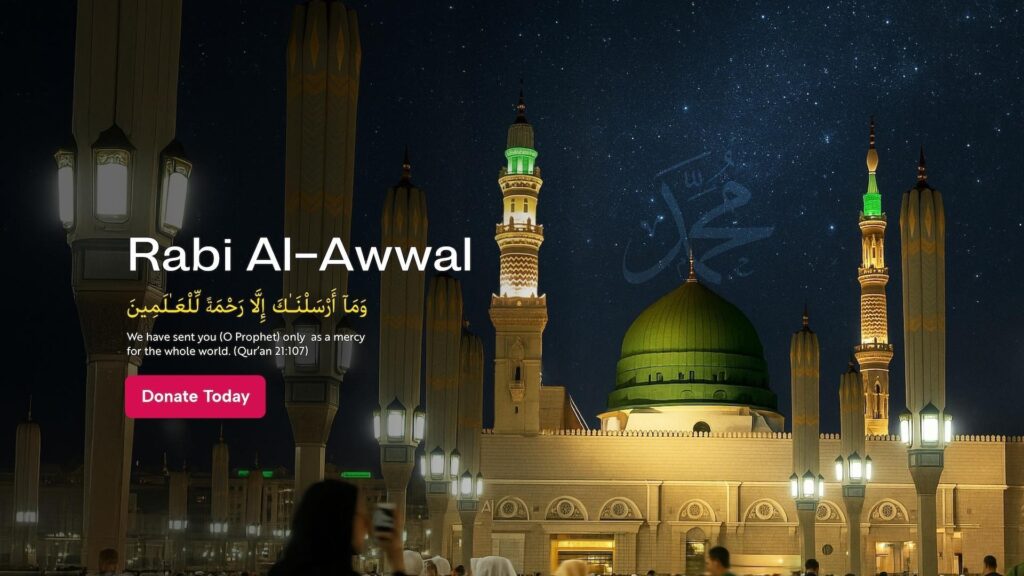
- Thematic Campaigns: Major campaigns that coincide with major times of the year, like Rabi Al Awwal, the month of the birth of the Prophet Muhammad (pbuh). Such campaigns evoke a spirit of generosity and compassion and thus urge people to follow the teachings of the Prophet (pbuh) who taught people to feed the poor, to help the weak and to stand with the oppressed by giving them donations.
- Days of Reward Platform: Making regular giving more accessible and convenient to supporters through automated donation platforms such as “Days of Reward” and encouraging them to continue committing to humanitarian work.
- Awareness and Education: Muslim Aid creates awareness and educates the population about global problems, the needs of vulnerable groups, and the impact of their donations through events and campaigns.
- Volunteer Opportunities: This is an active engagement by encouraging people to volunteer and be directly involved in the cause by offering their time and talents, which helps in building a stronger relationship between the organization and the supporters.
Such campaigns not only raise much needed funds but also create a powerful network of advocates and supporters who are interested in the mission of Muslim Aid to serve humanity.
Rabi Al Awwal: The Embracing of Compassion, Generosity, and Service
The month of Rabi Al Awwal is particularly important because it is the month when the Prophet Muhammad (pbuh) was born and he was a noble personality, full of mercy and justice. Muslim Aid uses this auspicious period to emphasize and embody these core values which stirs the spirit of increased generosity and service among its supporters.
- The imitation of the Teachings of the Prophet: The month is an effective reminder of what the Prophet (pbuh) taught to feed the poor, support the weak, and stand with the oppressed, and fosters a new emphasis on humanitarian action.
- Inspiring Generosity: Muslim Aid urges people to bring hope to the needy communities by practicing generosity, compassion and service, just as the life of the Prophet (pbuh) was.
- Bringing Hope through Action: The supporters are advised to make the spirit of Rabi Al Awwal a reality by making donations to life-changing appeals so that hope and support can be extended to those in need.
- Make Core Values the Center of Attention: The campaign highlights the core values of Islam that motivate humanitarian activity, which are mercy, generosity, and justice, and solidifies the ethical context of the activities of Muslim Aid.
- Cumulative Reward: When people donate in this holy month, they will be doing this in accordance with spiritual importance, as they will be seeking the reward that they will receive by serving people and being the good example of the Prophet Muhammad (pbuh).
This emphasis on Rabi Al Awwal enables Muslim Aid to relate its activity directly to its religious roots, strengthening the spiritual aspect of humanitarian service and motivating more people to act and be more empathetic.
Global Advocacy and Advocacy: Advocacy of Justice and Dignity
Understanding that poverty and suffering are systemic and can be addressed by focusing on the causes of injustice and deprivation, Muslim Aid also does global advocacy in its efforts to combat poverty and suffering. They are dedicated to the cause of speaking on behalf of the voiceless and enhancing dignity to all.
- The Vulnerable: Promoting the rights and needs of marginalized groups, such as victims of conflict, natural calamities, and structural inequalities.
- Promoting Justice: Moving towards a world with no injustice and deprivation, endorsing the efforts that maintain human dignity and equality to every individual, irrespective of their conditions.
- Building Awareness: Using their platform to educate the masses and policymakers on the pressing issues in the world, creating a more realistic knowledge of the problems of vulnerable groups and the necessity to act collectively.
- Enhancing Partnerships: Building partnerships with other organizations, governments, and community leaders to multiply their influence and make significant, systemic change at the global level.
- Faith-Based Principles: They base their advocacy on the fundamental Islamic principles of compassion, justice and service, calling on the global community to act in humanitarianism and support one another.
In such endeavors, Muslim Aid aims at establishing a world where all individuals have a chance to live dignified lives devoid of oppression and suffering.
The Perennial Devotion of Muslim Aid to Humanity
In all its various activities, Muslim Aid exhibits an undying commitment to serving humanity with compassion, integrity, and a sustainable impact orientation. Whether it is the quick response to emergency situations that save lives or the long-term development initiatives that help vulnerable communities self-suffice, the organization will always fulfill its mission to relieve suffering and empower vulnerable communities.
The religious values that drive Muslim Aid bring a sense of meaning to their work that will motivate them to pursue justice, mercy, and service that will be felt by people around the world. Through the promotion of rights of the disadvantaged and the delivery of the necessary assistance, Muslim Aid is actively engaged in creating the world where dignity, opportunity, and hope can be enjoyed by everyone, which is the finest example of human solidarity.